

Only two of the seven Iranian women's national soccer team players granted humanitarian visas in Australia have remained in the country.
Australian Home Affairs Minister Tony Burke said earlier this week that authorities gave the players multiple opportunities to consider their options, but they ultimately chose to drop their asylum bids, return to Iran and rejoin the national team. He said the government did everything it could to allow them to stay and begin a safe new chapter.
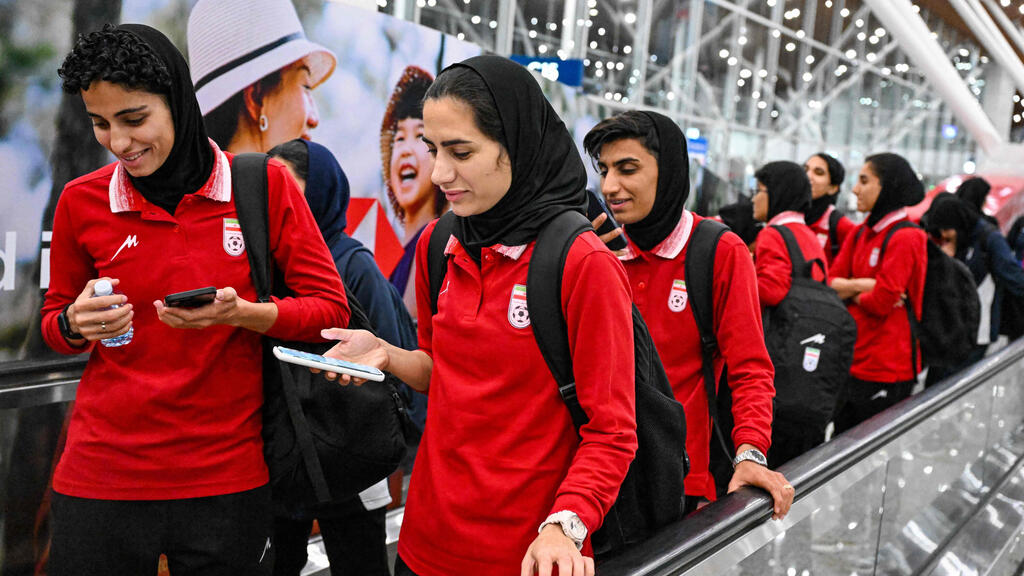
In practice, only two asylum seekers — Fatemeh Pasandideh and Atefeh Ramazanzadeh — have stayed in Australia. The pair began training Monday with local club Brisbane Roar.
In a statement on social media, club CEO Kaz Patafta said the two Iranian players had joined the women’s squad for training, adding that the club is committed to providing a supportive environment as they navigate their next steps.
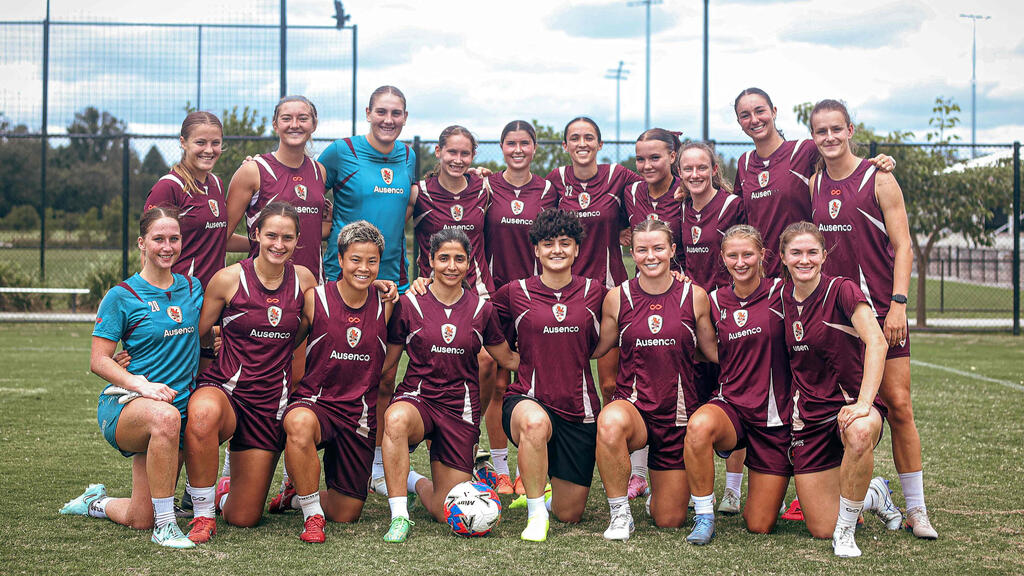
The two Iranian players (center of bottom row) with their new team
(Photo: BRISBANE ROAR FC / AFP)
Speaking with ABC Australia, former Iran international Atefeh Moradi expressed concern for the players who returned. She said that players traveling abroad for matches were closely monitored by the regime’s football federation, facing constant instructions to maintain their hijab, dress modestly and avoid makeup, while being pressured on where they could go, how they should behave and even whether they could speak to the media.
International media outlets tied to Iranian diaspora communities have reported that pressure was exerted on the players to return to Iran, including voice messages from family members urging them to come back.

Atefeh Ramazanzadeh
(Photo: BRISBANE ROAR FC / AFP)

Fatemeh Pasandideh
(Photo: BRISBANE ROAR FC / AFP)
Moradi also claimed the pressure extended from fellow player Zahra Soltan Meshkekar, who returned to Iran over the weekend. She expressed concern that the two players who remain may still be under ongoing pressure. She added that she has recently tried to contact one of them but has been unable to, saying they are under monitoring and she cannot currently speak with them.
Iran’s women’s national soccer team arrived in Australia last month for the Women’s Asian Cup, where some players drew backlash at home following the outbreak of the war on Feb. 28 after refusing to sing the national anthem before their opening match against South Korea, with state-affiliated commentators accusing them of disloyalty and even treason during wartime.
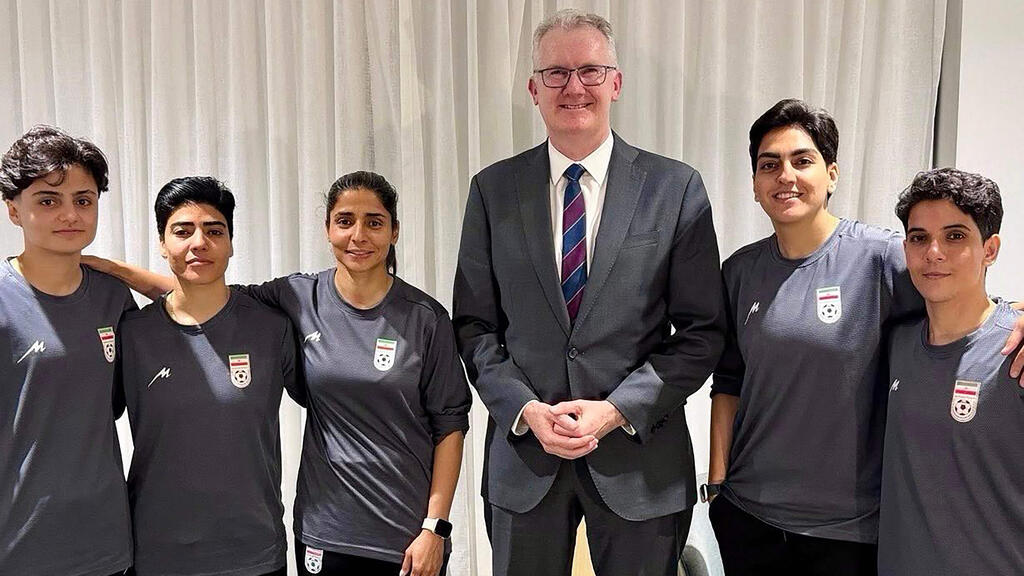
National team players with Tony Burke
(Photo: HANDOUT / AUSTRALIAN DEPARTMENT OF HOME AFFAIRS / AFP)
Before the next match, the players sang the anthem and saluted, prompting claims that they had been forced to do so. Several members of the team appeared visibly distressed and flashed apparent SOS signs to local fans from the team bus.
Six players and one staff member from the 26-member delegation were later granted humanitarian visas to remain in Australia, while the rest departed Sydney for Kuala Lumpur on March 10. Five of those who initially stayed have since changed their minds.
Assistant Minister for Immigration Matt Thistlethwaite described the situation as “very complex,” saying the Australian government continues to offer support to the two players who chose to remain. Iran’s state news agency welcomed the players’ return, saying they were “returning to the warm embrace of their family and homeland,” and framed the episode as a failure of what it called an “American-Australian project.”