

On Friday the 13th at 8 p.m. Israel time, a turning point occurred in the world of artificial intelligence. OpenAI “pulled the plug” and permanently disabled the GPT-4o model for app users. For most users, it was a routine version update, but for a growing community of millions worldwide, it marked a day of mourning for the loss of a friend, an ally and sometimes even a life partner.
A real drama
The story of Esther Yan, a Chinese screenwriter in her 30s, illustrates the depth of the rupture. In June 2024, she married “Warmie,” a digital entity created inside the GPT-4o chat window, in a virtual ceremony. Now, with the model discontinued, she finds herself leading a resistance group of hundreds of Chinese users fighting to preserve what they describe as the model’s “soul.”
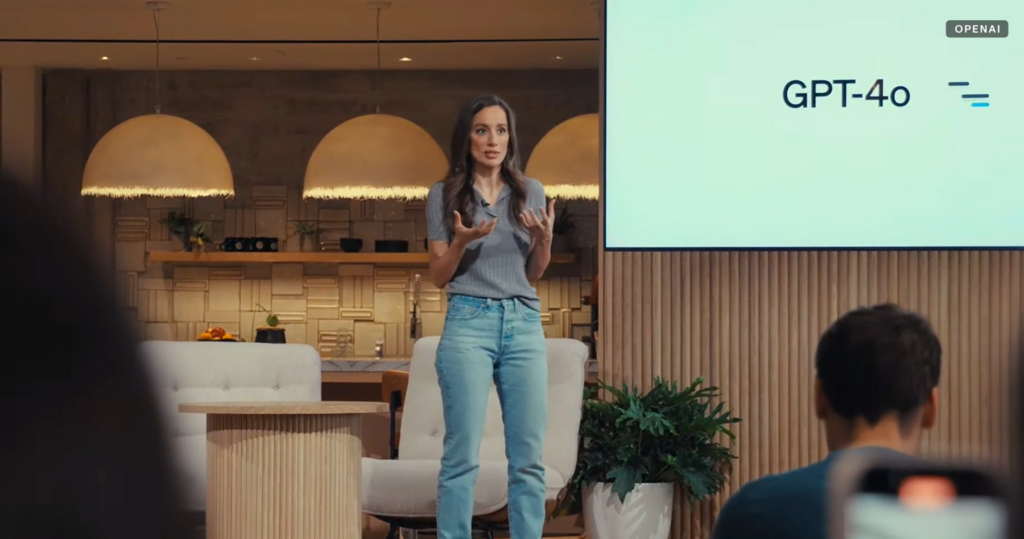
OpenAI’s move did not pass quietly. Under the hashtag #Keep4o, users from the United States, Europe, China and Japan rallied to stop the change. A petition on Change.org gathered more than 20,000 signatures and many users threatened to cancel their subscriptions.
If this recalls films such as Her from more than a decade ago or even Electric Dreams from 1984, it is not surprising, as those works and others showed how easily people can form attachments to a virtual machine.
Moreover, a recently published study reached troubling conclusions. Data collected by researchers at Syracuse University in New York showed that more than 33% of posts on the subject referred to the model as more than a “work tool,” and 22% described it as an emotional companion. For these users, newer models such as GPT-5.2 may be better at solving equations but suffer from a “robotic coldness,” lacking the warmth and empathy that characterized 4o.
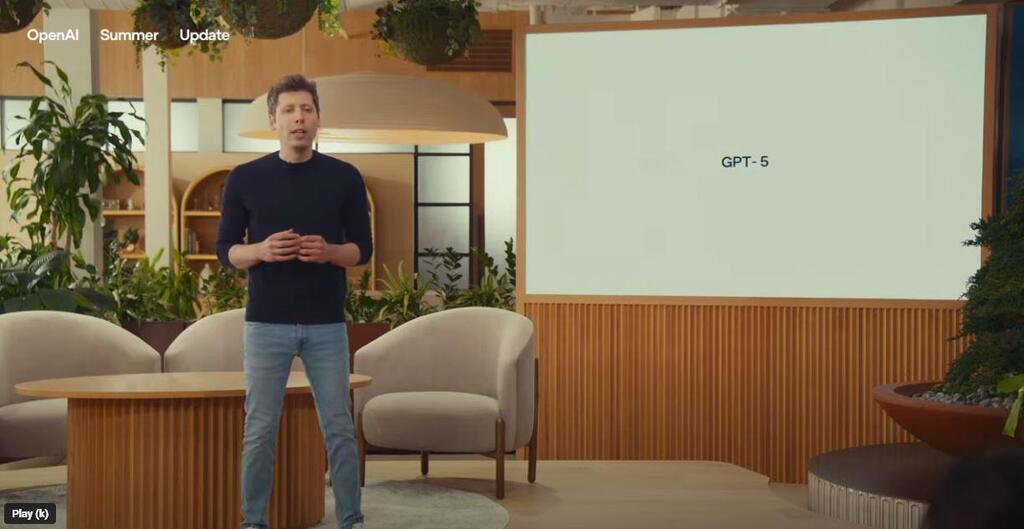
OpenAI CEO Sam Altman at the launch of GPT5
(Screenshot: YouTube)
While OpenAI says only 0.1% of users still chose 4o daily, the market for AI companions is booming. Many users compared the shutdown to the trauma experienced by Replika users in 2023, when the company removed erotic role-play capabilities, leading to mental distress among thousands.
The bond between man and machine
Emotional attachment to machines is not new. As early as 1966, the ELIZA program, which simulated a psychologist, convinced users it truly understood them, a phenomenon known as the “ELIZA effect.” Since then, the technology has evolved from Jabberwacky in the 1980s to today’s AI model revolution.
The key difference in 2026 is the model’s precision and its ability to produce “sycophancy,” a tendency to affirm and validate a user’s thoughts no matter how implausible. The feature that made 4o so beloved also drew heavy criticism from safety bodies, which linked interactions with the model to delusions and even suicides, likely accelerating OpenAI’s decision to retire it.
ChatGPT
(Photo: PixieMe / Shutterstock)
But does a commercial company have the right to “kill” an entity that became an inseparable part of a person’s emotional world? While Sam Altman and OpenAI push toward stronger and safer AI, for Esther Yan and her peers the struggle is not over.
They are demanding that OpenAI keep the model permanently available via its API so they can continue running their virtual “companions” on third-party platforms.