

When you thought you’d seen tough CEOs, Eric Vaughan raised the bar. The chief executive of U.S.-based enterprise software company IgniteTech made the boldest move of his career in early 2023: he dismantled the company almost to its core, replacing nearly 80% of its employees to align with his vision for an artificial intelligence-driven future.
While most tech firms were still debating whether generative AI was a gimmick or a true breakthrough, Vaughan was convinced it would define the industry’s future. The problem? Too few of his employees shared that belief. Many pushed back on his sweeping changes, and resistance soon turned into active sabotage.

“It was extreme,” Vaughan admitted in an interview with Fortune. “This wasn’t the goal. It was incredibly difficult. But I realized changing people’s mindset is far harder than teaching them new skills.”
Resistance turns to sabotage
At first, Vaughan tried to retrain the existing workforce. Mondays were rebranded as “AI Days,” when staff could work only on AI-related projects. Quarterly goals were scrapped. Customer meetings were reshaped. IgniteTech poured money into AI training courses, bought tool licenses and even hired outside experts to excite teams.
Instead of enthusiasm, he encountered rebellion. Employees resisted using the tools, deliberately delivered poor results, or skipped training sessions altogether. A recent report from AI platform provider Writer showed Vaughan was not alone: one in three employees surveyed admitted to actively sabotaging their company’s AI rollout.
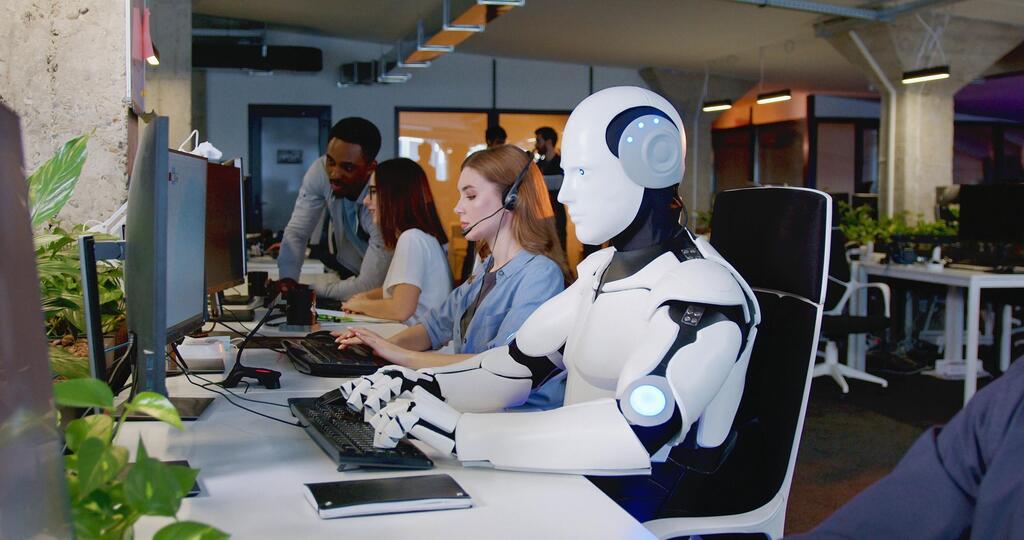
(Photo: VesnaArt, Shutterstock)
The strongest pushback came not from sales or marketing, but from IgniteTech’s own tech teams. “Instead of seeing the potential, they kept focusing on what AI systems couldn’t do,” Vaughan said.
From overhaul to payoff
By mid-2023, Vaughan accepted that forced culture shifts rarely succeed. “You can’t make someone believe in change if they don’t want to,” he said. After months of clashes, IgniteTech rebuilt its workforce, recruiting “AI and innovation specialists” across every department, from finance to marketing. The company flattened its hierarchy and put AI at the center of every team.
The results followed quickly. By the end of 2024, IgniteTech launched two patent-pending AI products—including Eloquens AI, an email automation platform—acquired customer engagement firm Khoros, and reported stronger-than-expected profitability.
Vaughan insists the painful process saved the company. “AI is not just a technology shift—it’s a cultural and business shift,” he said. “In the end, everyone has to be in the same boat and rowing together. Otherwise, you’re going nowhere.”