

If you have spent years building a PlayStation library worth hundreds or even thousands of dollars, Sony says there is one important thing to understand: those digital games are not actually yours.
At least not in the traditional sense of ownership.
Gallery

Bought a PlayStation game? Sony says you only licensed it
(Photo: Girts Ragelis / Shutterstock)
The issue is at the center of a class-action lawsuit filed against Sony in the United States, raising a question that is becoming more important as the gaming industry moves further away from physical discs and toward digital distribution: What exactly are consumers buying when they pay full price for a game online?
The lawsuit was filed on June 18 by four customers who accuse Sony of misleading consumers about ownership of digital games.
They argue that the way games are presented in the PlayStation Store creates the impression of a normal purchase, even though users are in fact receiving a limited license to access the game rather than full ownership.
A central issue in the lawsuit is the language Sony uses during transactions.
Customers looking to acquire a game are presented with buttons such as “Buy Now” and “Confirm Purchase.”
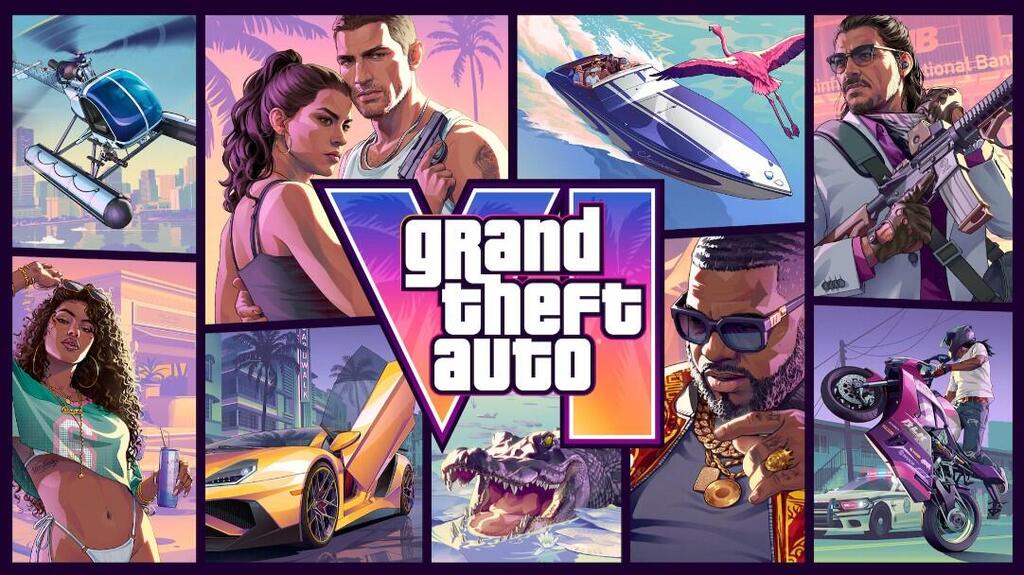
GTA 6 — you won’t actually own the copy you buy
(Photo: Rockstar Games)
The plaintiffs argue that an average consumer has little reason to conclude from those terms that they are not actually buying the game itself, but instead obtaining a license that could, under certain circumstances, be revoked.
Sony takes a different view.
According to a report by Game File, the company argues that “reasonable consumers” should not believe they are obtaining full ownership of a game purchased digitally.
Sony also points to the PlayStation end-user license agreement, which states that software is “licensed, not sold,” and that virtual content is licensed to users rather than owned by them.
When ‘Buy Now’ may not mean ownership
That distinction is also one of the central points of dispute in the case.
The disclosures do exist, but they appear inside lengthy terms-of-service documents that users are directed to before completing a transaction.
The plaintiffs argue that burying such an important condition in thousands of lines of legal text is not enough, particularly when the storefront itself uses language such as “Buy Now.”
The dispute has taken on greater significance because of a California law designed to address exactly this issue.
The law restricts the use of terms such as “buy” and “purchase” for digital products when the transaction does not grant the customer unrestricted ownership.
Companies that want to use those terms must clearly and prominently explain that the consumer is receiving only a license and is not becoming the owner of the product.
In other words, simply placing the information somewhere in the terms of service may not be sufficient.
Why the case matters beyond Sony
The timing is also awkward for Sony, which has faced criticism from users over its increasing shift toward digital distribution and its plans to stop producing physical games from 2028.
That makes the legal debate much larger than Sony or PlayStation.
For years, consumers have treated digital game libraries almost like the shelves of discs and cartridges they once kept at home.
But the two models are fundamentally different.
A physical disc can generally be held, lent to someone else or resold.
A digital game, by contrast, may be tied to an account, governed by licensing terms and subject to restrictions imposed by the platform.
That is why the wording of buttons such as “Buy Now” matters so much.
For consumers, it looks and feels like a purchase.
For Sony, the legal position is that it is a license.