

As Israeli students return to classrooms for a new school year, they face the continuing effects of a series of crises stretching from the COVID-19 pandemic to the October 7 attack and the ongoing war, all of which have profoundly affected their lives and communities. At the same time, the rapid rise of artificial intelligence is changing the skills students will need to thrive in the years ahead.
Driven by the urgent need to address these hardships while preparing students for an unpredictable future, educators are increasingly focused on equipping children with critical-thinking and practical skills, as well as the ability to adapt.
Gallery
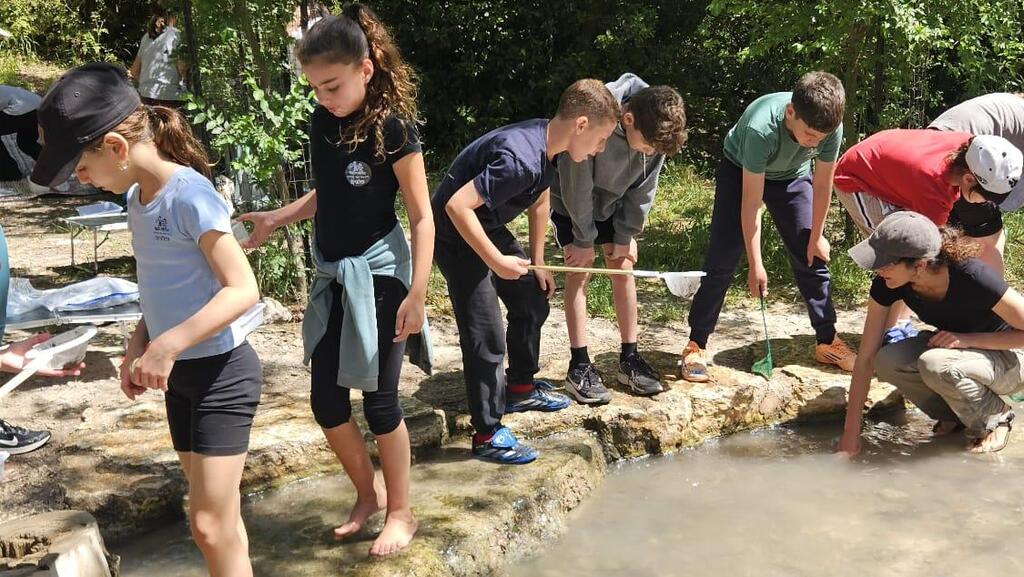
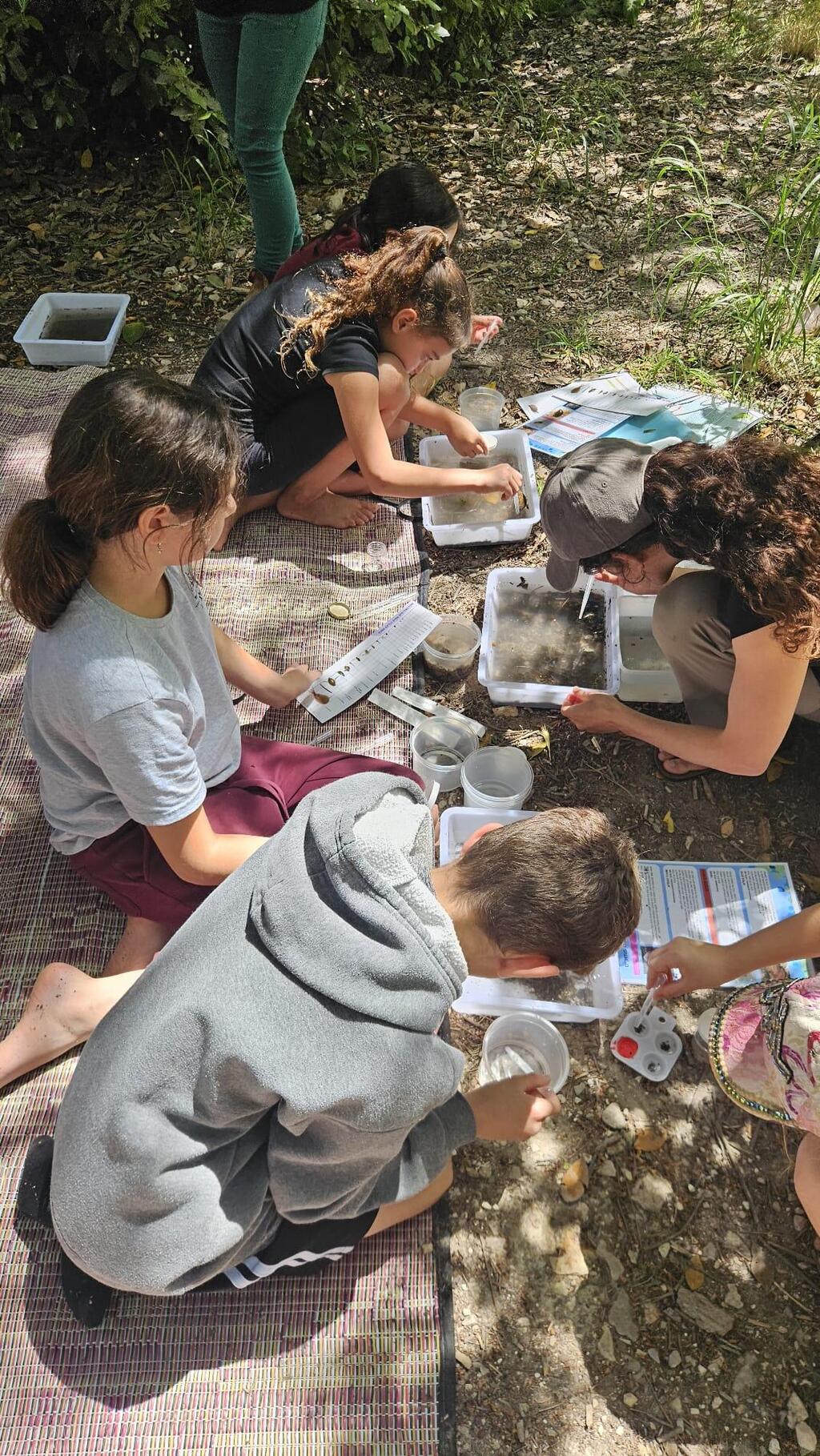
Students measured water quality, flow rates and pH levels, examined biodiversity
(Photo: JDC)
For educators involved in Israel’s expanding STEM efforts, which bring together science, technology, engineering and mathematics, the answer is not simply more instruction in those subjects. The goal is to help children investigate problems, connect ideas across disciplines, think independently, collaborate and turn ideas into solutions, skills that are increasingly important both in school and beyond it.
Just as importantly, they argue, every child should have the opportunity to develop those skills.
From a stream to a laboratory
Moran Solomon sees what that can look like with her fifth-grade students in the Nirim class at Plagim School in Kibbutz HaZorea in northern Israel.
For years, she has taken students to nearby Nahal HaShofet, a nature reserve, to observe its plants, wildlife and changing environmental conditions. This year, however, the stream became a laboratory.
Students measured water quality, flow rates and pH levels, examined biodiversity, met with an ecologist and investigated local and invasive fish populations. Then they began developing a research kit for future visitors.
“I take an idea, a thought or a question and see how we can investigate it from an interdisciplinary perspective,” Solomon says. “Nothing exists in isolation. Every phenomenon we see is influenced by many different fields.”
The activity is part of the Contemporary Elementary STEM program, which encourages students to apply science, technology, engineering and mathematics to real-world challenges while developing critical thinking, inquiry and collaboration skills.
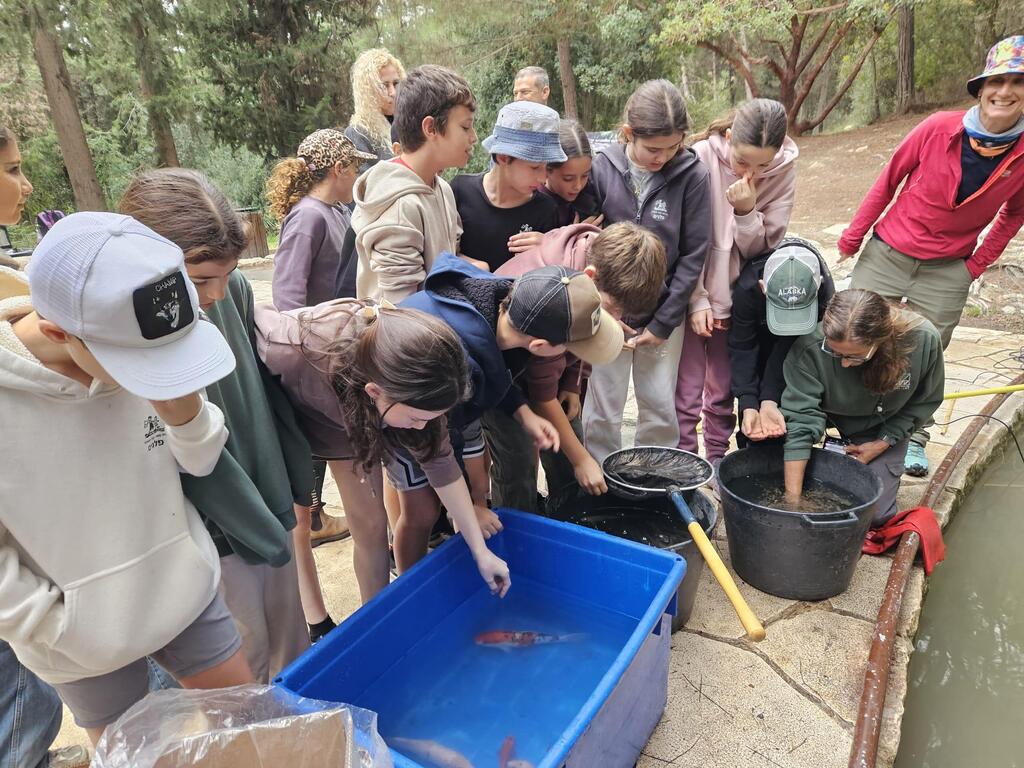
Developing a research kit for future visitors
(Photo: JDC)
The Education Ministry’s national Israel Realit program is designed to strengthen education in science, technology, engineering and mathematics and expand this approach by connecting schools with academia, industry, local authorities and other partners.
The American Jewish Joint Distribution Committee, or JDC, the global Jewish humanitarian organization, has partnered with the Education Ministry to help ensure STEM opportunities reach children across Israeli society, particularly in underserved communities. JDC has worked in Israel for more than a century with government agencies, local authorities and community organizations to address social challenges and expand opportunities for vulnerable populations.
Together, these efforts aim to develop models and expertise that can be embedded throughout the education system, from national policy to individual schools, guided by a simple principle: STEM should not be reserved for top-performing students.
Israel’s educational gaps help explain why.
According to data from the Organization for Economic Co-operation and Development, the gap in mathematics achievement between advantaged and disadvantaged students in Israel is significantly wider than the international average. More than a third of Israeli students did not reach basic proficiency in mathematics, while nearly a third did not reach basic proficiency in science.
The challenge, then, is not simply to produce Israel’s next generation of engineers and programmers. It is to equip more children with the skills they will need to navigate their future.
When AI understands the student
In Abu Snan, veteran science teacher Fatna is exploring another part of that challenge: whether AI can make education more accessible without lowering academic standards.
As part of professional development focused on integrating AI into PISA-aligned STEM assignments, she worked with a researcher to develop a multicultural AI tool that presents questions using examples and situations more familiar to Arabic-speaking students.
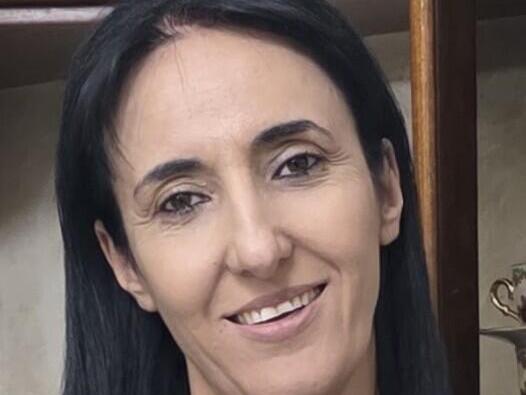
Fatna Kheir
(Photo: JDC)
A physics question about energy transformation, for example, can be framed through situations and cultural references students recognize from their own lives.
Fatna tested the approach on a seventh-grade worksheet.
“Students at every level were able to answer the question correctly because the context was clear and familiar to them,” she says.
The academic standards remained the same. What changed was the students’ ability to understand the context in which the problem was presented.
She has also taught ninth-grade physics students to use AI as a research tool while investigating electrical circuits, formulating research questions, planning experiments and evaluating possible approaches rather than simply asking AI to provide an answer.
The objective is increasingly important: teaching students not merely how AI systems work, but how to think with AI.
Adapting AI tools to different linguistic and cultural contexts, JDC believes, is one way to help ensure high-quality STEM learning is accessible to more students.
From individual classrooms to systemic change
For Hila Genis Malul, one of Israel’s first regional STEM supervisors, the challenge is turning classroom successes like these into system-wide change.
After leading a large high school in northern Israel’s Hof HaCarmel region, Genis Malul took on a new role that reflects a broader shift in education. Rather than treating mathematics, science and technology as separate disciplines, STEM supervisors connect them and help schools translate national policy into practical models suited to their students and communities.
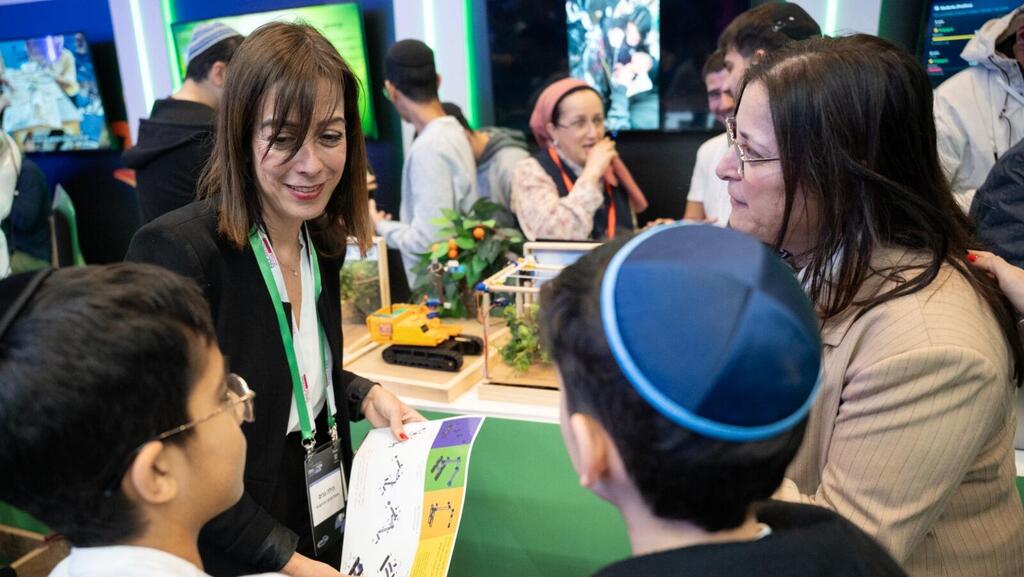
Hila Genis with the children
(Photo: JDC)
JDC partners in the professional development program for these new supervisors at Gordon Academic College of Education, with a focus on expanding STEM education to populations that have traditionally been underrepresented, including girls, Arab communities, youth villages, immigrant youth and students from lower-income and peripheral regions.
For Genis Malul, STEM is about much more than preparing students for careers in technology.
Schools, she argues, can no longer operate as islands. Students need to understand how classroom learning connects to academia, industry, their communities and, eventually, the workplace.
(Photo: JDC)
“If we want our students to thrive in a changing world, we have to give them more than knowledge,” she says. “We need to give them opportunities that allow them to develop the skills and abilities they’ll need.”
AI could help make learning more individualized and relevant. A student interested in dance might explore mathematical concepts through movement, while a child passionate about soccer could learn about angles and probability through what happens on the field.
That can be especially important for children whose strengths are not always reflected in conventional classroom assignments.
Solomon recalls a student who struggled with reading and writing but excelled at drawing. When the class needed to design its Nahal HaShofet research kit, she asked him to take responsibility for the box design. He researched how the package should unfold, drew its layout and worked out how the components would fit together.
Suddenly, a child who often struggled to find his place in a traditional assignment had an essential role.
Genis Malul recalls a similar experience from her years as a principal. A student considering leaving school after 11th grade found purpose in a drone program she had introduced. After she connected him with industry professionals, he secured summer work, completed high school and later received recognition as an outstanding soldier.
It is this ability to find different routes to a child’s potential that makes equitable access central to the initiative.
“Giving every child in Israel the chance to succeed means ensuring equal access to STEM education, regardless of where they live or their background,” says Shlomi Cohen, director of JDC’s Division of Optimal Development for Young Israelis.
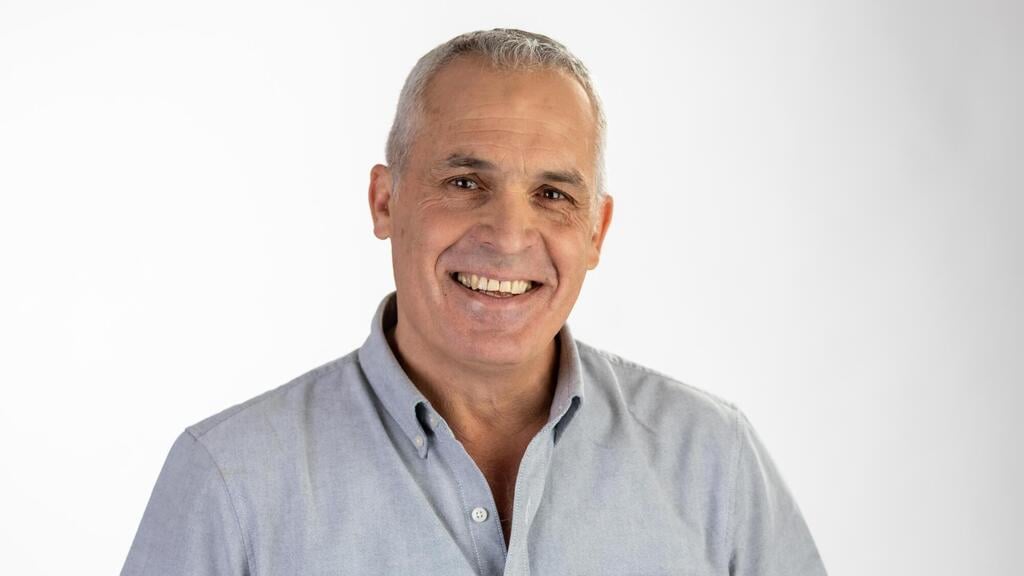
Shlomi Cohen
(Photo: JDC)
For Cohen, that mission has become even more urgent as AI accelerates changes in society and the economy. JDC incorporates STEM into its approach to child development, helping young people build confidence, problem-solving abilities, social and emotional skills and a stronger sense of belonging and well-being.
“Preparing Israeli students for a rapidly changing world is a huge challenge,” says Merav Zarbib, deputy director general and head of the Innovation and Technology Administration at the Education Ministry.
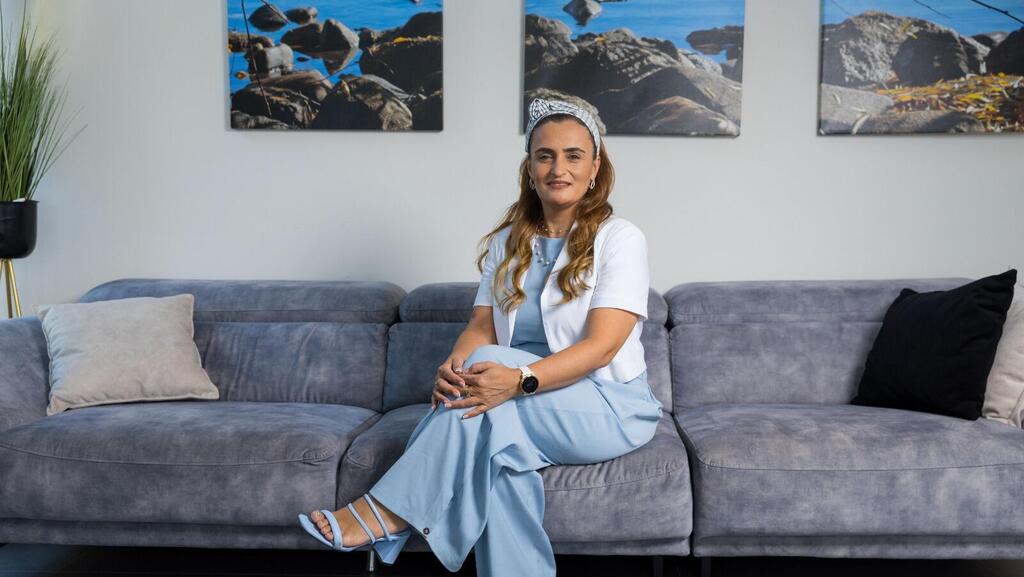
Merav Zarbib
(Photo: JDC)
“Our goal is to leverage AI tools to build independent thinking, inquiry skills and problem-solving for everyone. We must connect classroom learning to the real world and link education with academia, industry and the community,” Zarbib says.
“At the same time, we aim to harness AI for more personalized, relevant learning. In this way, we not only broaden access to STEM, but enable every student to experiment, explore and, above all, build confidence in their own abilities.”
As Israel’s children begin another school year, students and educators face an ongoing and complex reality. The hope is to equip them with the tools they need to navigate those challenges. But even in difficult times, schools cannot afford to stand still.
Success may ultimately be measured not by how many students become engineers or programmers, but by how many leave school with the confidence and skills to tackle unfamiliar problems, ask the right questions and begin finding solutions.