

As mass protests against Iran’s clerical regime intensify, demonstrators have found support from an unexpected source: social media platform X, owned by Elon Musk.
According to activists online, the platform changed its Iran flag emoji late Friday night, Israel time, replacing the emblem of the Islamic Republic with the historical Lion and Sun symbol associated with Iran’s monarchy before the 1979 revolution. The change came amid reports of escalating violence, with more than 217 protesters reportedly killed in Tehran alone over the past two days.
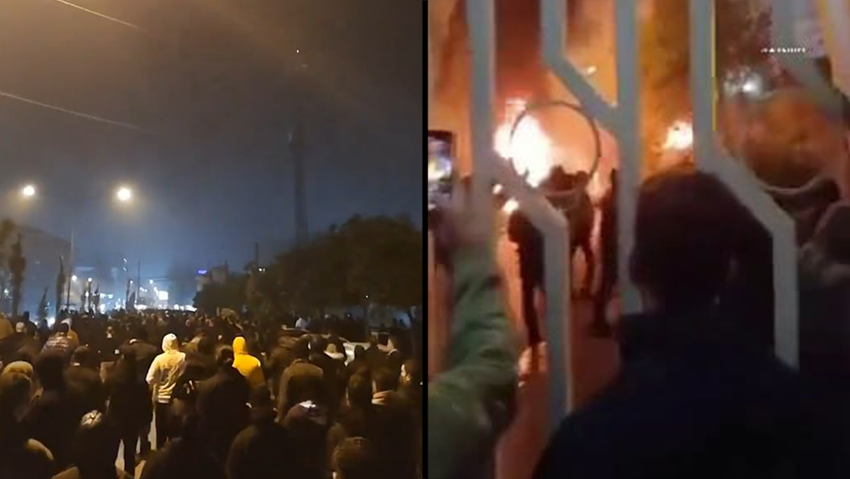
The original emoji featured the red emblem of the Islamic Republic, adopted after the fall of the shah. Its replacement—the Lion and Sun—was used in various forms for centuries and is now a powerful emblem of the opposition, symbolizing resistance to the current regime and aspirations for political change.
In recent months, as Iran’s economic crisis deepens and unrest spreads, the flag has reappeared in growing numbers at demonstrations. For many protesters, it represents both defiance and hope.
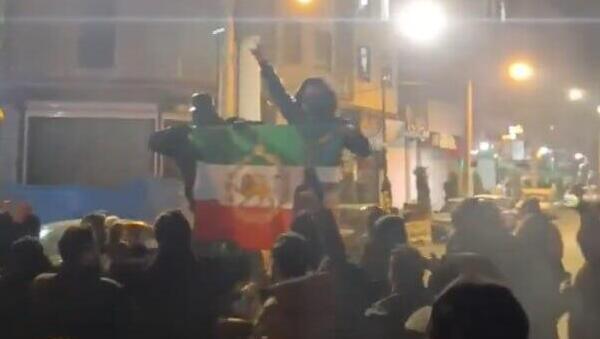
Protesters fly the the Lion and Sun flag in Tehran
According to reports, the emoji switch began with a direct appeal to Nikita Bier, head of product at X. One user asked for the emoji to be changed. Bier replied, “Give me a few hours,” and the change was implemented later that day across the platform.
In a twist that drew widespread attention online, the new emoji also appeared on official X accounts of regime officials and state-affiliated media, including the Tasnim News Agency, which is tied to the Islamic Revolutionary Guard Corps. For many users, the sight of a royalist opposition symbol on the regime’s own feeds bordered on the surreal.
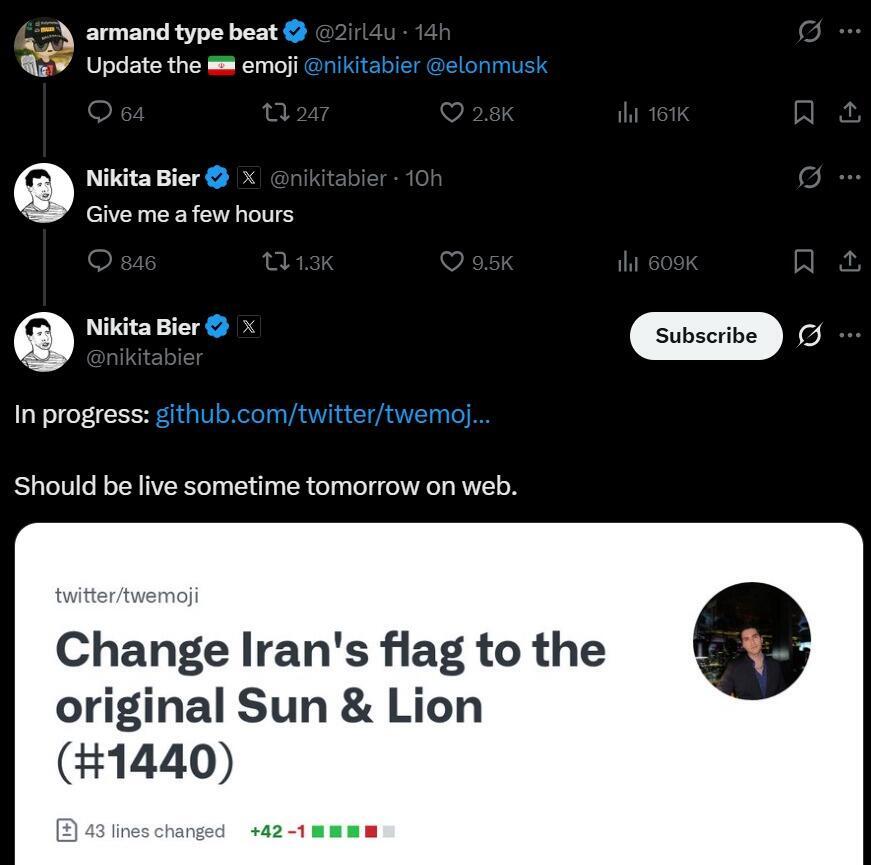
Nikita Bier's response
(Photo: Screengrab)
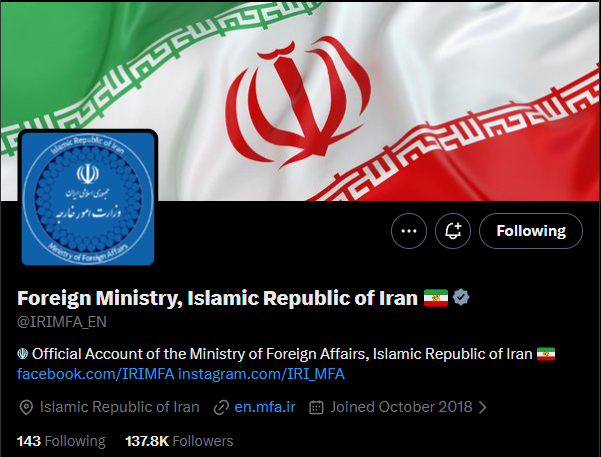
The Lion and Sun flag emoji displayed on the official X account of Iran's Foreign Ministry
(Photo: Screengrab)
Iranian Foreign Minister Abbas Araghchi addressed the protests during a Friday visit to Beirut, blaming foreign actors. “The U.S. and Israel are involved in these protests,” he said, dismissing social media rumors that his family had fled the country. “My family hasn’t gone anywhere. They are in Tehran,” he stated.
He also downplayed speculation of an international escalation, saying, “The possibility of military intervention in Iran during the protests is unlikely.”
Still, a single emoji has now become entangled with street protests, diplomatic accusations and Iran’s internal power struggle. In a nation where symbols carry deep political weight, even a minor graphic shift online can quickly become a flashpoint in the battle over identity, power and the future.