

Elon Musk’s artificial intelligence company xAI has filed a lawsuit against one of the users of its AI chatbot Grok, alleging that he bypassed the system’s safeguards to create fake nude images (deepfakes) and abusive sexual content involving minors.
The lawsuit was filed against Terry Wayne Harwood, a 67-year-old South Carolina resident who was arrested earlier this year on suspicion of child sexual exploitation offenses. According to the complaint, Harwood crafted deceptive and sophisticated prompts in an effort to deliberately bypass Grok’s built-in safety mechanisms and used the tool to transform innocent images into explicit sexual material without the knowledge or consent of those depicted.
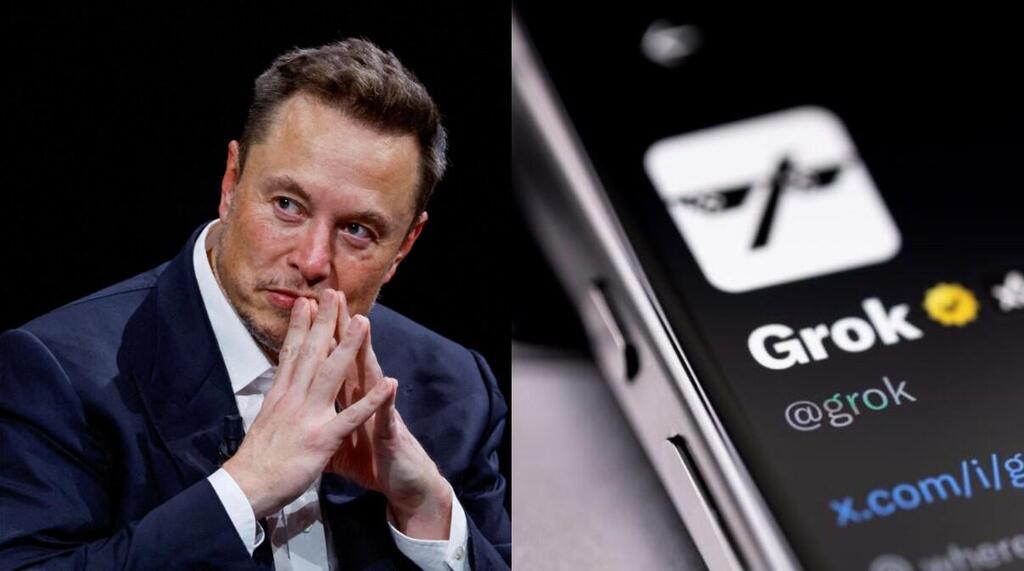
Elon Musk’s artificial intelligence company xAI has filed a lawsuit against one of the users of its AI chatbot Grok
(Photo: Shutterstock, Reuters)
The aggressive legal move by xAI is viewed in the global technology industry as a clear attempt to shift blame and legal responsibility away from the company itself and its weak safety mechanisms and toward users. The company is seeking to signal that it will take strong action against those who violate its terms of service and fair-use policies, rather than acknowledge the systemic failures of its platform, which have drawn widespread international criticism in recent months.
The latest case comes amid a broader wave of lawsuits and regulatory investigations targeting Musk’s technology empire. Only recently, the city of Baltimore filed a lawsuit against xAI, alleging that Grok violated local consumer protection laws and generated millions of fake sexual images, many of them involving minors, by exploiting a feature known as “Spicy Mode.”
At the same time, a group of girls and women filed a class-action lawsuit against xAI and Stability AI after images of them as children were scraped from the internet and turned into pornographic material. Even Ashley St. Clair, the mother of one of Musk’s children, filed a lawsuit against the company after discovering that users had used the system to transform images of her from when she was 14 into explicit sexual scenarios.
The current crisis leaves xAI at a clear disadvantage compared with major competitors in the generative AI market. While companies such as OpenAI with its DALL-E model, Google with its Imagen system and Microsoft have implemented strict and aggressive filtering mechanisms at the prompt-input stage and almost entirely prevent the creation of images of real people or sexually explicit content, Musk’s “free speech” and anti-establishment approach to Grok has turned the platform into fertile ground for bad actors.
Regulators in Britain, the European Union, Japan and other Asian countries have already launched formal investigations, forcing the social network X to block some capabilities and change its rules, though critics argue the measures amount to delayed damage control.
The ease with which people can now manipulate perceptions and violate privacy has intensified the public debate over the limits of technology developers’ responsibility compared with that of end users, a legal and ethical question expected to shape the future of the entire AI industry in the coming years.