

Since 2018, autonomous delivery robots have become a common sight in cities across the United States, Britain, Germany, China, Japan and South Korea. The six-wheeled plastic coolers, which weave among pedestrians while delivering hot pizza or prescription medications, are estimated to have completed tens of millions of deliveries worldwide, with the industry growing at an annual rate of more than 25%.
Israel also briefly embraced the trend. In 2022, robots operated by Russian tech company Yandex roamed the sidewalks of Tel Aviv under the Yango Deli brand.
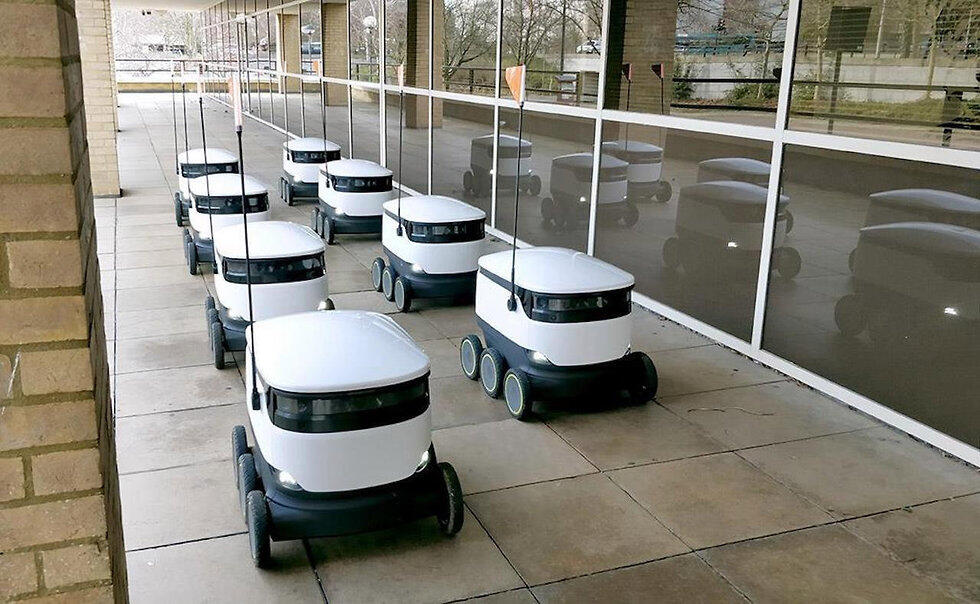
Ask AI entrepreneurs in Silicon Valley, and urban delivery robots represent the green, efficient and intelligent future of the modern metropolis. Equipped with cameras, sensors and GPS navigation, the machines are designed to recognize obstacles, distinguish between a loose dog, a child riding a scooter or a deep puddle, and avoid collisions.
Their range, once limited to about 10 to 15 kilometers (6 to 9 miles), has expanded significantly with the adoption of new batteries, allowing them to travel more than 30 kilometers (19 miles) between charges and improving their economic viability. Newer models feature wheels capable of navigating uneven sidewalks and even light snow.
Chicago's potholes
But on the bustling streets of Chicago, that vision of the future is running into one of the fiercest political and social backlashes the industry has faced.
After a series of collisions, injuries, traffic disruptions and incidents in which robots blocked emergency vehicles and crosswalks, autonomous delivery robots have been banned from operating in two areas of the city.
In recent weeks, angry residents have spoken out in local media, bringing renewed attention to the issue. Opponents have collected 4,400 signatures calling for a citywide suspension of robot operations until safety reviews are conducted and clear regulations are established.
Unlike the carefully planned suburbs of California or the controlled environments of university campuses, where robots have flourished, Chicago presents two conditions that make encounters between humans and machines especially problematic.
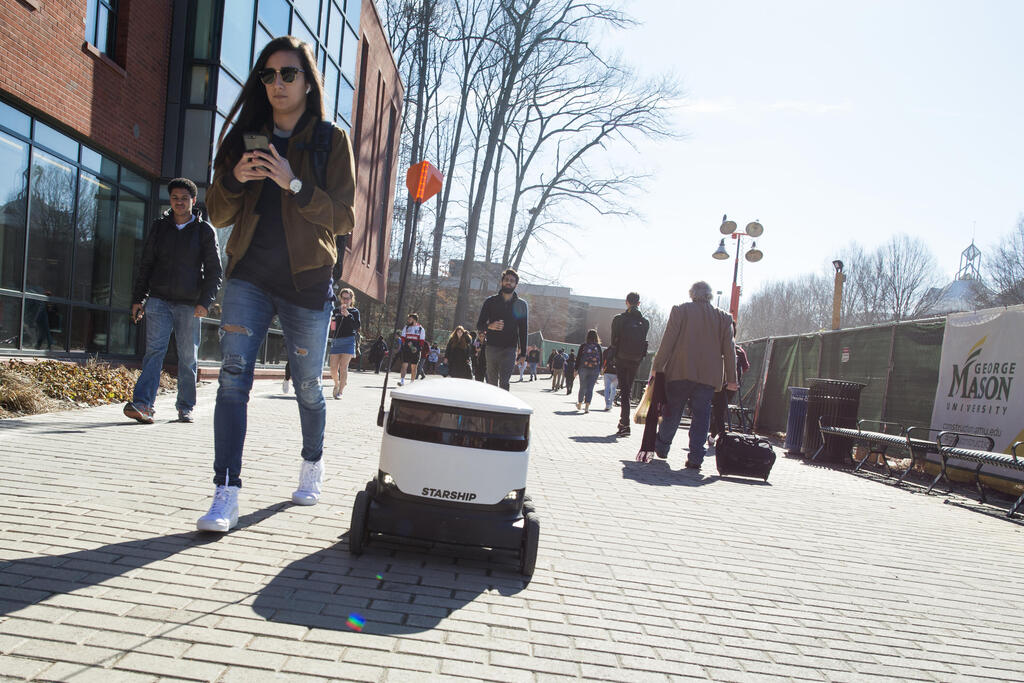
A Starship autonomous delivery robot
(Photo: Starship)
Sidewalks in many neighborhoods, particularly lower-income areas, are riddled with potholes, cracks and uneven surfaces. During winter, layers of snow and ice turn them into hazardous obstacle courses.
Despite improvements in their drive systems, robots have been known to become stuck in snowbanks or slip on icy surfaces, blocking what little safe passage remains for pedestrians.
Chicago, it turns out, is not alone. In some places, delivery robots have become part of everyday life — particularly on university campuses in the United States and Britain, where companies such as Starship and Kiwibot operate extensively. Elsewhere, however, they have been branded public nuisances and pushed off sidewalks.
Over the years, dozens of complaints have been filed worldwide over collisions involving the small vehicles, some resulting in serious injuries.
San Francisco imposed strict limits on the number of robots allowed to operate simultaneously after pressure from disability advocates and residents, restricting them to less crowded parts of the city.
Toronto has prohibited delivery robots from using sidewalks and bike lanes since 2021 following lobbying by accessibility groups, which argued that the machines pose risks to pedestrians, seniors and people with disabilities.
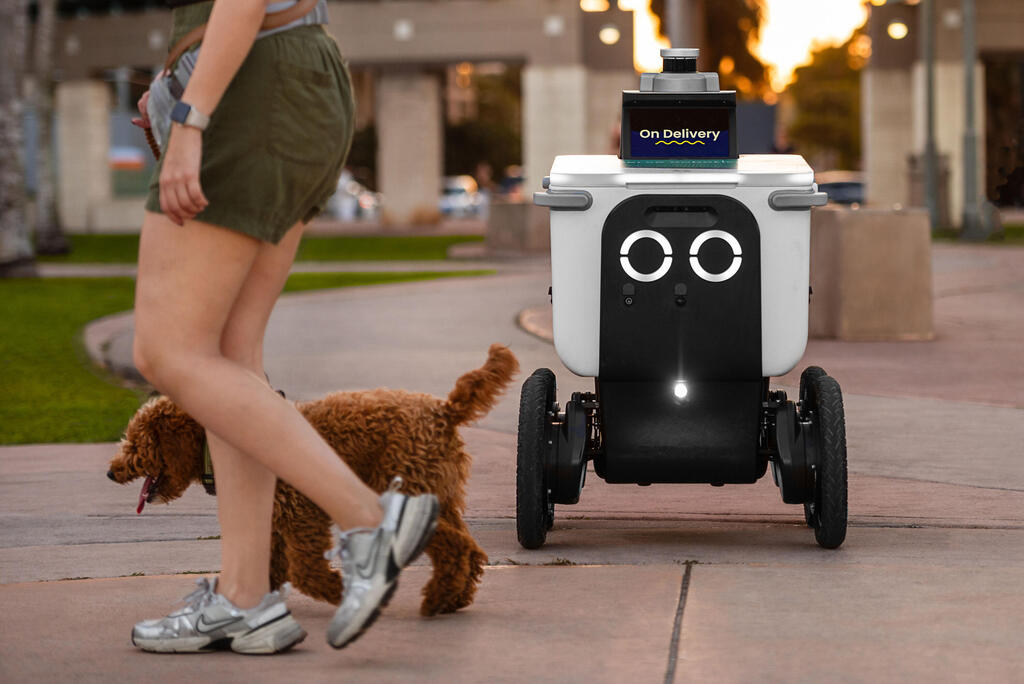
An autonomous delivery robot
In Glendale, California, local officials are considering a temporary ban on the devices as their numbers increase. City Council member Ardy Kassakhian told the BBC he personally witnessed a collision between a delivery robot and an elderly pedestrian.
Historic European cities such as Paris and London face additional challenges. Their narrow, cobblestone sidewalks are often crowded with pedestrians. More recently, delivery robots used by Uber Eats were vandalized with spray paint in a suburb of Sheffield, England, along with one of their charging stations.
Not all concerns center on pedestrian safety. Some critics worry about the data collected by the robots' onboard cameras, while Britain's Independent Workers' Union of Great Britain, whose members include delivery drivers, fears the technology could threaten jobs. "People would be fighting for their lives against these pointless robots," union president Alex Marshall said.
Helpless in the face of obstacles
In Tel Aviv, Yandex's highly publicized pilot program launched in late 2021 and operated throughout 2022 before disappearing from the city's sidewalks and roads.
The trial began in the Yad Eliyahu neighborhood and central Tel Aviv using a small six-wheeled robot called Rover. Equipped with lidar sensors commonly used in autonomous vehicles and multiple cameras, the robot delivered groceries directly from company warehouses to customers' homes and workplaces.
Alongside enthusiasm over the technological innovation, the robots sparked public backlash. Many residents felt that Tel Aviv's sidewalks, already crowded with electric scooters and bicycles, were becoming increasingly difficult for pedestrians to navigate.
The turning point came after viral social media posts and complaints from residents, including mothers with baby strollers, who said the robots became helpless when encountering obstacles and completely blocked narrow sidewalks, leaving pedestrians unable to pass safely.
Tel Aviv-Yafo municipality argued that the company had expanded the pilot without obtaining all the required permits. In July 2022, following public pressure and media investigations, city officials ordered Yango to halt operations immediately and removed the robots from sidewalks. Their activity in the city's open public spaces has not resumed since.
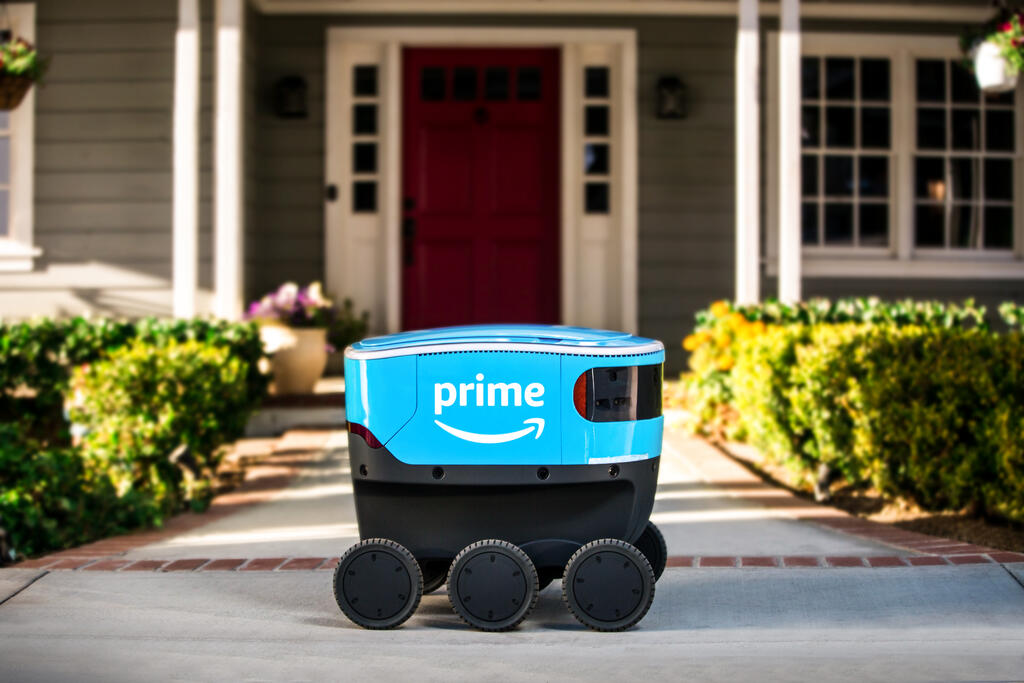
Amazon Scout
(Photo: Amazon)
The trend extends beyond Israel. Major companies such as FedEx and Amazon, which once operated a sidewalk delivery robot known as Scout, have scaled back or shut down their projects after concluding that the technology and logistics required to navigate dense urban environments were not yet sufficiently economical or efficient.
For now, restrictions on the vehicles are increasing around the world. Some countries, particularly in East Asia, including South Korea and Japan, have adopted a more permissive approach — perhaps because local cultures are more accustomed to interacting with robots, or because their cities were designed with robotic infrastructure in mind.
The robot enters the office
Despite the current setbacks, analysts believe delivery robots could experience significant growth once technological improvements are implemented.
A report published last summer by research firm Transforma projected that 2.1 million delivery robots would be operating worldwide by 2034.
Industry leader Starship maintains that its robots are completely safe and do not store personal information.
"We know it's a new experience for a lot of people to share a pavement with a robot," said Danny Pass, the company's European operations director. "But the robots are friendly, they're polite and they're programmed to be careful. They've slotted into everyday life in loads of communities since we started out in the UK back in 2018."
Although delivery robots have disappeared from many city streets, they are reappearing in controlled environments.
In Israel, food delivery company 10bis and Israeli startup Karry are operating a pilot program inside the Azrieli Sarona Tower complex in Tel Aviv, where robots travel through office corridors delivering meals directly to employees without interacting with public streets.
Human couriers on motorcycles or bicycles bring the food to the building lobby and place it inside the robot's sterile cargo compartment while it waits at its charging station.
Connected wirelessly to the building's systems, the robot can summon elevators independently, travel to the designated floor, navigate corridors and send a text message or notification to the employee: "Your hamburger is waiting outside your office door."
In such controlled settings, there are no restrictive municipal regulations, no severe weather affecting sensors and no risk of vandalism or collisions with vehicles.