

Have Facebook’s bots — on the social network owned by Meta — begun drafting pre-litigation demand letters for dissatisfied customers against Meta itself? That, at least, is what appears to have happened to Gil Nechushtan, a ynet and Yedioth Ahronoth photographer and small-business owner who, in accordance with company procedures, complained about a glitch in Facebook’s advertising system after running an ad.
When the AI bot handling his complaint concluded that it could not help him, it recommended that he send Facebook a pre-litigation demand letter — and even drafted it for him. The bot also advised him to seek compensation from Meta for the damage and financial losses he had suffered and even assessed that Nechushtan would win if he filed a lawsuit.
A bug that led to lost revenue
Nechushtan, 56, of Kiryat Bialik, is a photojournalist who also runs a tourism venture offering unique photography trips around the world. He routinely advertises his services through paid ads on his personal Facebook profile. People interested in the service who click on the ads are shown a questionnaire. Their responses, known as “leads,” are sent to the advertiser, who uses them to build his customer base.
In late August, Nechushtan posted one such routine ad, which to his delight generated 13 leads. But all his attempts to download them, as he normally would in order to follow up with the respondents, failed. Nechushtan says this resulted in a significant loss of revenue: The advertising budget had already been spent, and in the world of digital marketing, a lead that does not receive a response within a few hours loses its commercial value, effectively becoming a “lost” customer.
That marked the beginning of a lengthy exchange between Nechushtan and Facebook’s automated technical support system through the company’s AI bot. Nechushtan says that over the next eight days, for hours each day, the bot tried unsuccessfully to help resolve the problem.
“After it sent me around in circles with troubleshooting attempts that kept repeating themselves over and over,” Nechushtan told ynet, “I asked the chat to finally connect me with a human representative who could resolve the issue. At first, the chat refused, citing unavailability and heavy demand. Later, it said that it, the bot, was not authorized to transfer this type of problem to human support.”
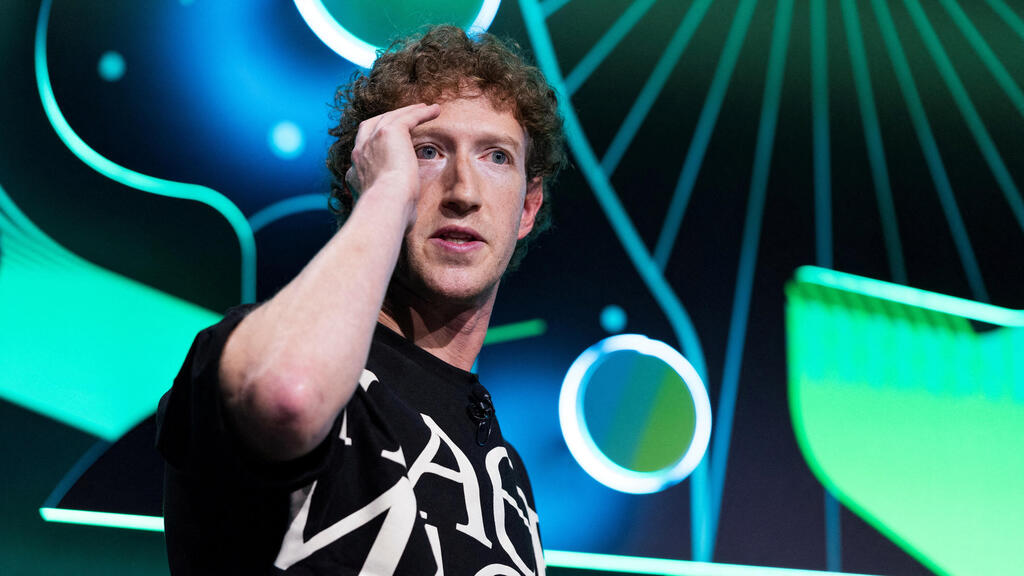
Meta CEO Mark Zuckerberg
(Photo: Reuters)
After eight days of fruitless exchanges, the chat told Nechushtan that it had given up and exhausted all the options available to it.
“It said this was a ‘data issue,’ a bug in the system, and that only a human engineer could fix it. Naturally, I jumped at the opportunity and immediately asked for a human representative to intervene. Once again, the answer I got was that it was blocked from transferring the matter and was not permitted to do so,” Nechushtan said.
“But then, to my amazement, the bot recommended that I contact the company’s offices in Tel Aviv with a pre-litigation demand letter in order to get them to act and provide me with the service I was entitled to. It even drafted the letter for me, titled ‘Notice before legal proceedings for technical negligence and breach of service contract,’ with an organized breakdown of the company’s failures and the damages I had suffered. The bot also assessed that I would win the case if I filed a lawsuit.”
A Meta spokesperson in Israel said in response: “Our AI-powered support tools help advertisers resolve issues quickly and connect them with our support teams when needed. These tools are still not perfect, and we are constantly working to improve them based on how advertisers use them.”