

South Korea introduced on Thursday what it says is the world's first comprehensive set of laws regulating artificial intelligence, aiming to strengthen trust and safety in the sector, but startups fretted that compliance could hold them back.
Aiming to become one of the world's top three AI powerhouses, South Korea is hoping that its new AI Basic Act will help position the country as a leader in the field. The laws in their entirety have taken effect sooner than the EU's AI Act which is being applied in phases through 2027.
Gallery
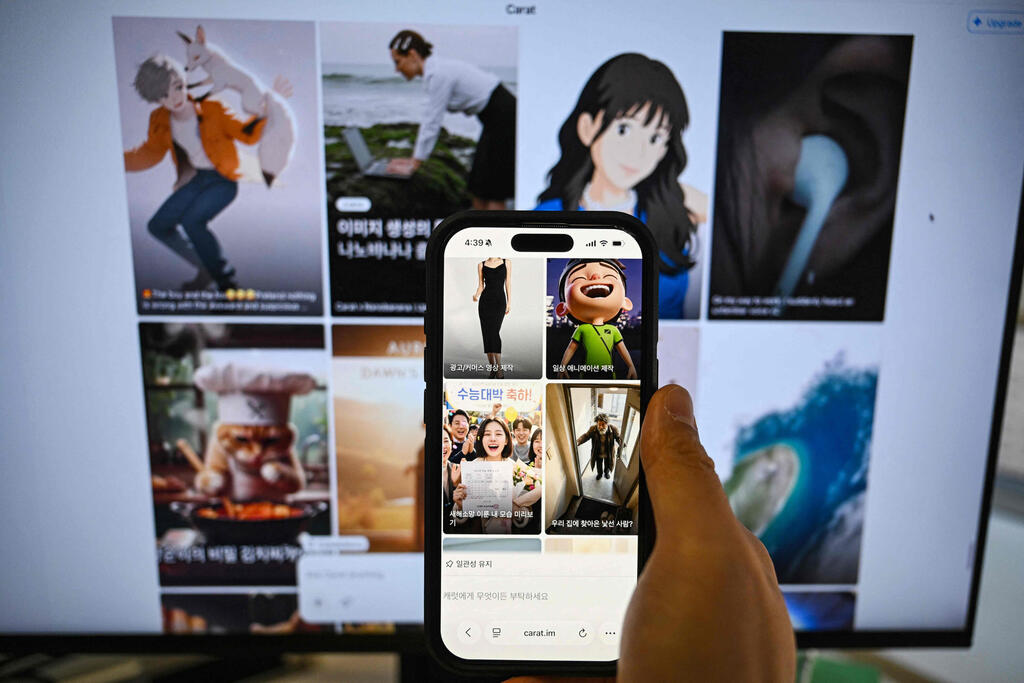
This photo illustration taken in Seoul on January 22, 2026, shows AI images created by Carat, a South Korean generative AI service, and its webpage. South Korea on January 22, launched its first comprehensive laws regulating artificial intelligence, including specific provisions targeting deepfakes, as the country seeks to become one of the world's top three AI powers
(Photo: Jung Yeon-je / AFP)
Global divisions remain over how to regulate AI, with the U.S. favoring a more light-touch approach to avoid stifling innovation. China has introduced some rules and proposed creating a body to coordinate global regulation.
Under South Korea's laws, companies must ensure there is human oversight in so-called "high-impact" AI which includes fields like nuclear safety, the production of drinking water, transport, healthcare and financial uses such as credit evaluation and loan screening.
Other rules stipulate that companies must give users advance notice about products or services using high-impact or generative AI, and provide clear labelling when AI-generated output is difficult to distinguish from reality.
The Ministry of Science and ICT has said the legal framework was designed to promote AI adoption while building a foundation of safety and trust.
The bill was prepared after extensive consultation and companies will be given a grace period of at least a year before authorities begin imposing administrative fines for infractions.
The penalties can be hefty. A failure to label generative AI in South Korea, for example, could leave a company facing a fine of up to 30 million won ($20,400).
That said, potential penalties in the EU are much higher. Non-compliance with rules there can result in fines that range from as much as 1% of global turnover for smaller violations to as much as 7% for breaking bans on the use of high-risk AI.
Global AI power
Lim Jung-wook, co-head of South Korea's Startup Alliance, said many founders were frustrated that key details of the law remain unsettled. "There's a bit of resentment — why do we have to be the first to do this?" he said.
One concern of the group is that the law's language is vague and companies may default to safe but less innovative approaches to avoid regulatory risk.
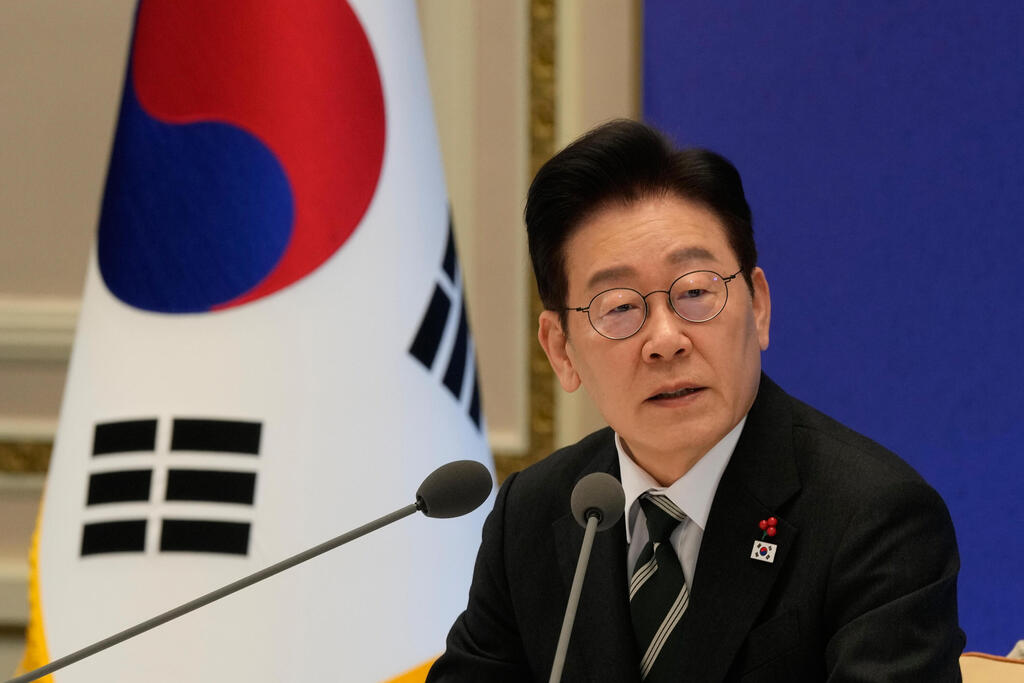
South Korean President Lee Jae Myung
(Photo: Ahn Young-Joon - Pool/Getty Images)
President Lee Jae Myung on Thursday was sympathetic to such concerns. He urged policymakers to listen to the concerns of industry and ensure that venture companies and startups have enough support.
"It is essential to maximize the industry's potential through institutional support, while pre-emptively managing anticipated side effects," Lee said during a meeting with aides.
The Ministry of Science and ICT is planning a guidance platform and dedicated support centre for companies during the grace period.
"Additionally, we will continue to review measures to minimize the burden on industry," a spokesperson said, adding that authorities were looking at extending the grace period if domestic and overseas industry conditions warranted such a measure.