

The infrastructure and construction sector is known for its deep-rooted conservatism. While most industries have adapted to new technologies and innovation, construction continues to lag behind. At the same time, the sector — globally and especially in Israel — faces a wide range of challenges across multiple fields. Against this backdrop, Access, Shapir Group’s innovation division, held its innovation competition for the third year running, aiming to identify technologies and solutions with real implementation potential for infrastructure, engineering and construction challenges.
This year’s winner was NanoTherma, which developed a technology based on advanced thermoelectric materials that converts excess heat emitted by data centers — facilities that consume massive amounts of electricity while generating significant waste heat — into electricity. In such facilities, nearly all electricity consumed by servers eventually becomes heat, most of which is currently cooled and discarded without reuse, even as energy and cooling costs continue to rise.
Gallery
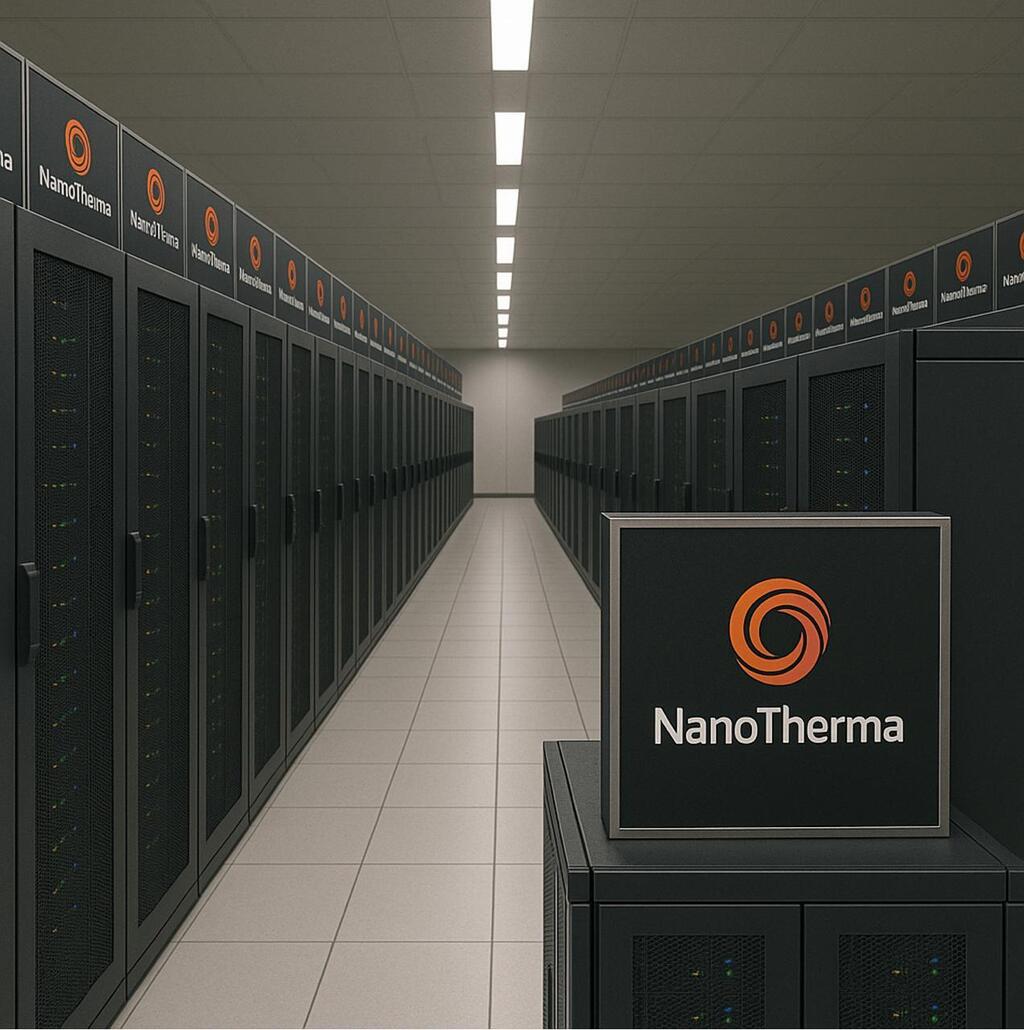
NanoTherma's solution, which converts excess heat from data centers into clean electricity using advanced thermoelectric materials
(Illustration: Roi Levi)
NanoTherma’s system is based on thin, lightweight, modular panels designed to integrate into existing cooling and thermal management infrastructure in data centers. Positioned between hot and cold zones within the facility, the panels use temperature differences to generate electricity that can be reused — without liquids, piping or moving parts.
Beyond data centers, the judging panel was also impressed by the technology’s potential applications in desalination plants, heavy industry and other infrastructure sectors where excess heat is produced as part of routine operations. The judges therefore unanimously selected NanoTherma.
The decision was based on several key factors: the company’s ability to reach implementation within a relatively short timeframe, a clear and growing market need, the team’s substantial research depth and the technology’s environmental potential. NanoTherma presented the judging panel with a long-term research effort that included technological and economic models, potential applications across different markets and an initial roadmap for future development and deployment.
“In the age of artificial intelligence, energy is becoming the limiting factor. If we want AI to keep growing, we must stop wasting the energy we’ve already paid for,” said Nimrod Gazit, CEO and co-founder of NanoTherma.
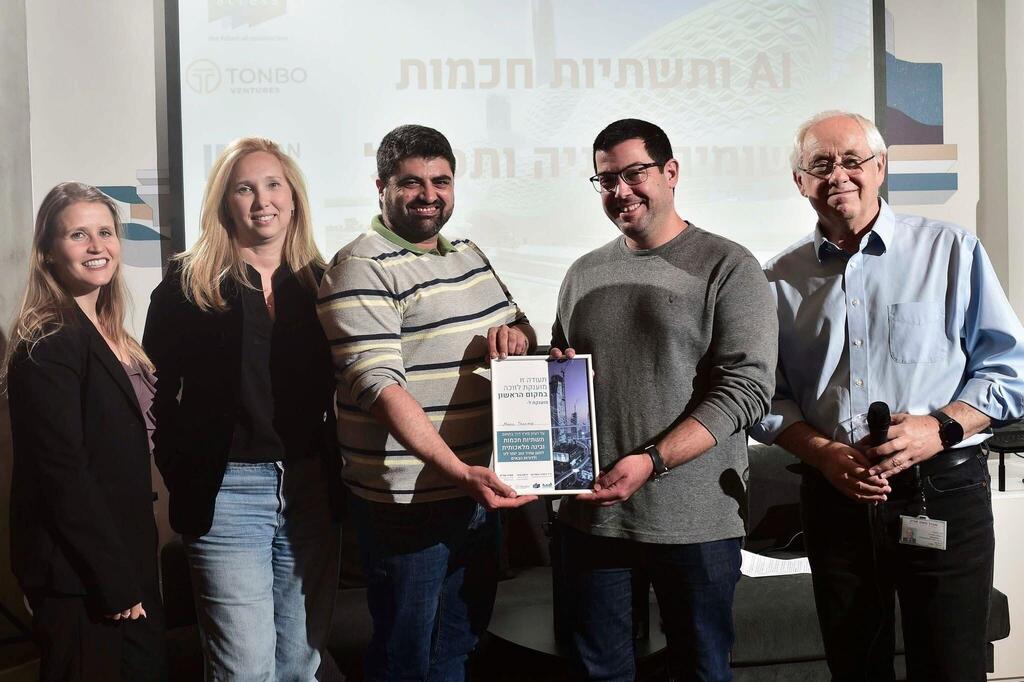
From right to left: Dr. Ricardo Osiroff, Nimrod Gazit, Roi Levi, Liat Mazor, Adial Cohen
(Photo: Omer Messinger)
“The infrastructure and construction world is at a moment of change. We see a real need for solutions that can bridge technological innovation with the sector’s everyday operational challenges,” added Dr. Ricardo Osiroff, CEO of Access.
In the AI era, data centers consume enormous amounts of electricity, and nearly all of that electricity ultimately turns into heat. Today, this heat is viewed mainly as an operational problem that must be cooled and removed. NanoTherma sees it differently: as an energy source that has already been paid for but remains largely untapped.
The company’s solution is not intended to replace existing cooling systems but to operate alongside them, adding a new layer of energy efficiency. For data center operators, the potential benefits include lower electricity costs, more efficient use of existing energy infrastructure and improved environmental performance.
In the future, the same platform could expand into industrial environments and buildings where unused excess heat exists, opening the possibility of recovering billions of kilowatt-hours of lost energy.
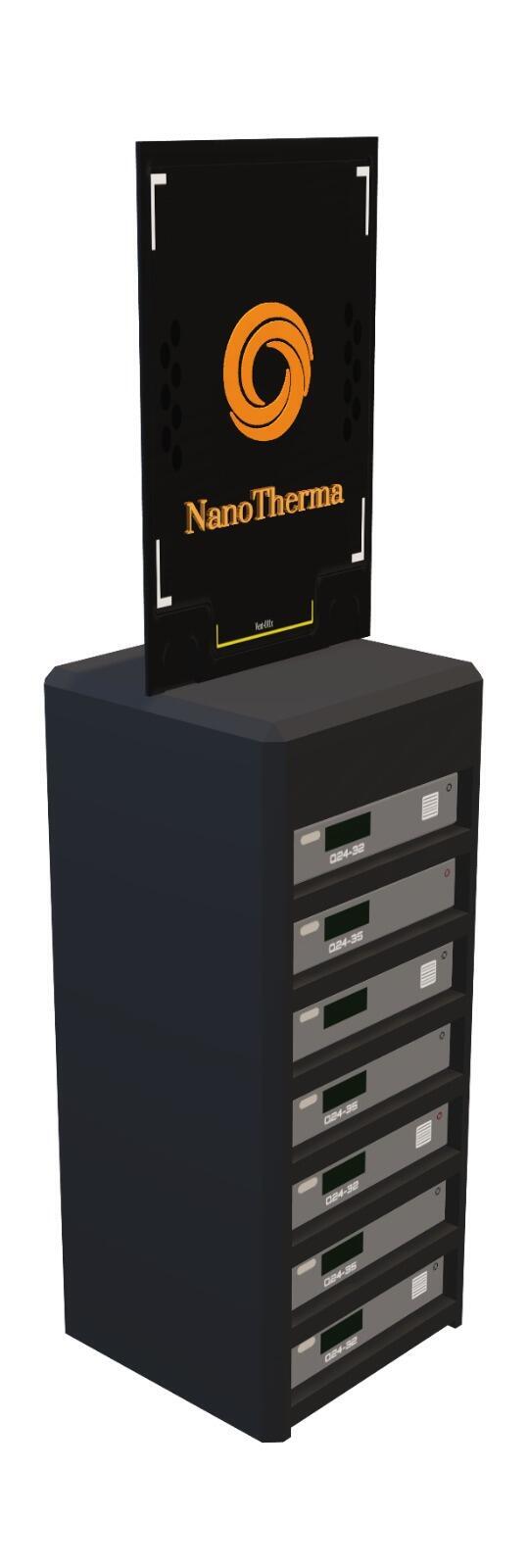
NanoTherma's solution, which converts excess heat from data centers into clean electricity using advanced thermoelectric materials
(Illustration: Roi Levi)
NanoTherma’s vision is to turn excess heat in data centers and other industries into an economic resource. Rather than treating heat as waste that must be cooled and discarded, the company aims to transform it into an additional energy source within the facility. At a time when AI-based infrastructure consumes ever more electricity, smarter use of energy already present in the system could improve efficiency, cut costs and extract more value from every kilowatt already consumed.
NanoTherma was founded by Dr. Nimrod Gazit and Dr. Roi Levi, materials scientists with decades of combined experience at Intel, Nvidia and deep-tech startups. The company combines expertise in nanomaterials, semiconductor manufacturing processes and modular system design in an effort to change how modern infrastructure captures and reuses energy.
Alongside NanoTherma, the competition finalists included DalusAI, which developed an AI system for engineering and architectural planning; Prelligence, which developed a platform for predicting failures in critical infrastructure; and EconSonic, which developed an ultrasonic cleaning system for the concrete industry.
As part of the award, NanoTherma is expected to enter a support program that includes working with engineering teams from Shapir and Baran and gaining access to operating sites. The goal is clear: move innovation out of the lab and deploy it in complex engineering projects now.