

For millions of young people, Fortnite is a place to compete, explore and socialize. Now, Israeli children can also use it to learn why wet hands and electrical appliances are a dangerous combination.
The Israel Electric Corporation (IEC) has launched an interactive Fortnite experience that turns everyday electrical hazards into challenges players have to recognize and solve, part of a growing effort to use popular gaming platforms for purposes beyond entertainment.
The Israel Electric Corporation (IEC) has launched an interactive Fortnite experience that turns everyday electrical hazards into challenges players have to recognize and solve


Called “Safety Heroes Challenge,” the experience puts players in situations involving exposed wires, open electrical cabinets and electrical appliances being handled with wet hands. Rather than simply being told what is dangerous, players must spot the hazard and decide what to do.
The experience was developed with Israeli startup ReachPlayers, which specializes in using gaming platforms to reach younger audiences.
Players are guided by two characters, Shaka and Teka, as they work through a series of challenges. Along the way, they answer questions, complete missions and make decisions about electrical safety, earning points and rewards as they progress.
The idea reflects a basic challenge facing organizations trying to educate children: How do you compete for their attention when so much of it is already being spent inside digital worlds?
For the IEC, one answer has been to go into those worlds rather than try to draw children away from them.
Gallery
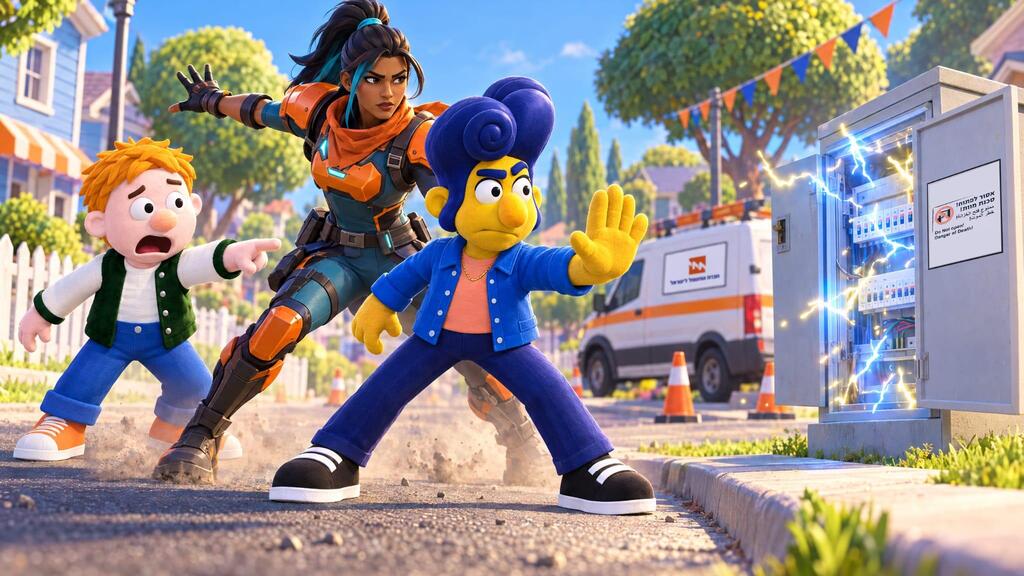
Now, Israeli children can also use it to learn why wet hands and electrical appliances are a dangerous combination
(Photo: Courtesy)
The Fortnite project follows a Roblox game launched by the company several months earlier. Both are digital extensions of the IEC’s more traditional educational efforts, including its long-running “Path of Light” program, which teaches students about electrical safety and responsible electricity use in schools.
“To reach children and teens, you need to understand the worlds they spend time in and speak their language,” said Miri Shaul, the IEC’s director of communications and spokesperson.
She said the Fortnite project is intended to complement the company’s work in schools by allowing young people to encounter simulated dangers, make decisions and learn how to respond without facing the consequences of a real electrical accident.
The approach also illustrates a broader shift in how games are being used as educational tools. Instead of treating games primarily as a reward or distraction, developers and educators are increasingly looking at their interactive nature as a way to let young people practice decision-making.
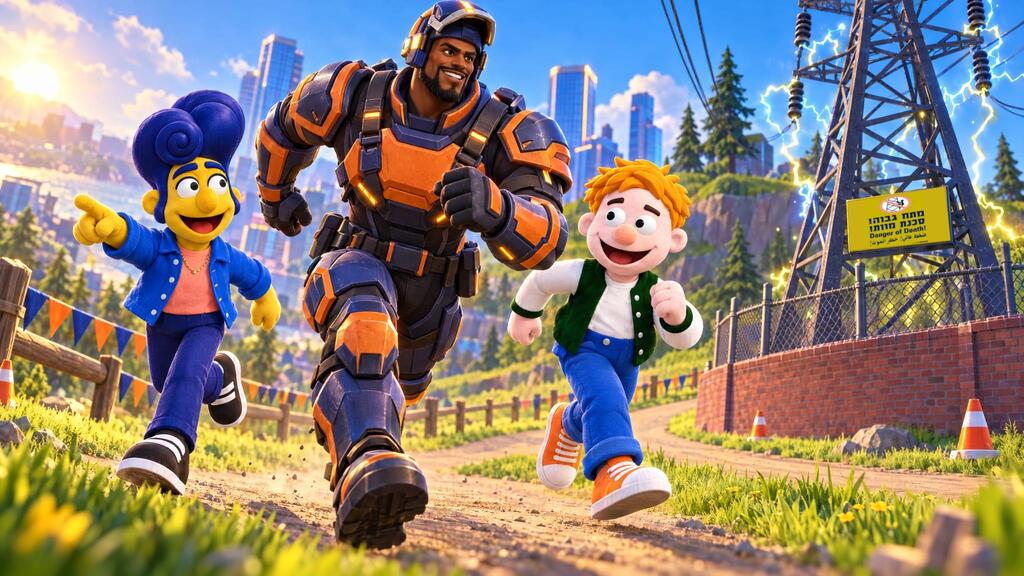
Players are guided by two characters, Shaka and Teka, as they work through a series of challenges
(Photo: Courtesy)
“Instead of simply explaining what the right thing to do is, games allow them to experience situations, make decisions and practice the right behavior in a safe environment,” said Michael Anav, CEO and co-founder of ReachPlayers.
“In this project, players don’t just hear about electrical safety — they identify hazards, solve problems and decide how to act,” he said.
Whether lessons learned while navigating a Fortnite island translate into safer behavior at home is a larger question. But the IEC’s move into Fortnite and Roblox reflects a recognition that reaching younger generations increasingly means meeting them on platforms they already use — and turning some of that screen time into an opportunity to learn.
The “Safety Heroes Challenge” is available in Fortnite under island code 8001-2233-0082. Players must have Fortnite downloaded and installed to access the experience.