

While much of the world wrestles with inflation and geopolitical upheaval, America’s biggest tech companies are making an unprecedented financial gamble. New data revealed over the weekend in U.S. media indicates that the five leading players in artificial intelligence—Amazon, Google, Microsoft, Meta and Oracle—are set to pour an astonishing $700 billion into AI infrastructure in 2026.
A scale that’s hard to grasp, and a market growing anxious
This figure nearly doubles the total from last year and amounts to three-quarters of the entire U.S. defense budget. It also exceeds the GDP of countries like Israel or Switzerland. The vast majority of this capital expenditure—CapEx—is earmarked for building massive data centers and purchasing advanced chips to power generative AI systems.

Amazon alone has announced it will spend $200 billion this year, while Google plans to invest around $180 billion to secure dominance in the next technological era. But as these firms surge ahead, signs of unease are emerging on Wall Street. Amazon’s stock, for example, fell sharply following news of the spending hike, with investors concerned that revenues from AI services aren’t growing fast enough to justify such enormous investments.
This AI investment boom isn’t just numbers on a spreadsheet; it’s reshaping the real-world economy. The skyrocketing demand for memory chips and computing components to power AI data centers is causing global shortages of parts needed for traditional consumer electronics. Apple has already informed investors of supply issues for certain chips used in iPhones and Macs, as semiconductor manufacturers prioritize the more lucrative server market.
Meanwhile, the construction boom for data centers is draining resources from the broader building industry in both the U.S. and Europe. Labor shortages and raw material constraints are being redirected to support the tech giants' megaprojects, pushing up the cost of building homes and offices, and worsening housing crises in many cities.
The situation has become so extreme that skilled tradespeople—electricians, plumbers and others—are becoming scarcer and more expensive. Virtually every sector tied to the construction and maintenance of data centers has turned into a business bonanza.
Tech giants double down
As Nvidia remains the undisputed chipmaking champion of the AI boom, its rivals are no longer standing still. AMD has launched its MI300 series to challenge Nvidia’s dominant H100 chips, while Intel is vying for relevance with its Gaudi 3 processors, based on Israeli startup Habana Labs’ expertise.
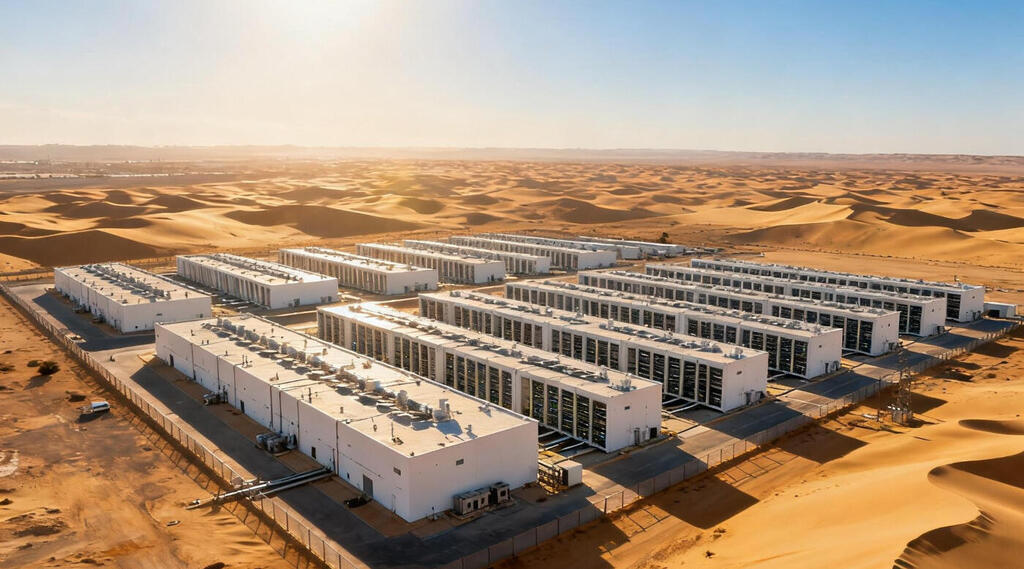
A data center
(Illustration: Pollo AI)
Meanwhile, China—despite U.S. export restrictions—is pouring billions into domestic infrastructure via tech giants like Alibaba and Baidu, aiming to reduce dependence on Western technologies. In Europe, the focus is on “digital sovereignty,” as EU nations work to build independent data centers to ensure citizens’ information isn’t solely in American hands.
To understand how we reached this point, one must trace AI’s roots back to the 1990s. The foundational technology powering today’s artificial intelligence—the Graphics Processing Unit (GPU)—was originally developed for gaming. Companies like Nvidia and ATI (later acquired by AMD) focused on parallel pixel rendering for video games.
Only in the early 2010s did researchers discover that this same architecture was ideal for training neural networks, the backbone of modern AI systems.
The current infrastructure frenzy mirrors the historic scale and skepticism that surrounded 19th-century railway expansion or the late-1990s fiber-optic internet boom. In both cases, massive upfront investments eventually led to transformative, long-term economic growth.
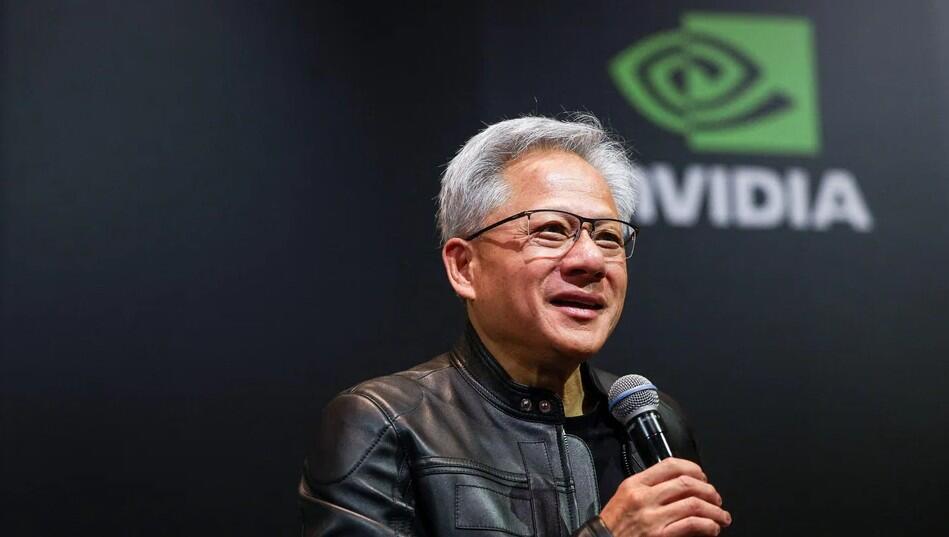
Nvidia CEO Jensen Huang
(Photo: AFP)
Whether AI will deliver the productivity leap that economists are hoping for remains an open question. Some warn we may be witnessing the formation of one of the biggest financial bubbles in history—a risk without a clear answer for now.
What is certain, however, is that tech giants have passed the point of no return. They are mortgaging future profits to build the infrastructure of a new world, shifting global economic priorities in the process.
For Israeli consumers, the impact may first be felt in the rising cost of computers and smartphones. But the deeper change is far more profound: a sweeping transformation of the global workforce and the technological capabilities of humanity in the decade ahead.