

As Israel heads toward new elections next year, its political system is facing what researchers describe as an unprecedented digital threat. In a sharply worded warning sent Wednesday to all members of Knesset, the watchdog group FakeReporter cautioned that hostile foreign actors are dramatically escalating their online operations.
According to the group’s report, the threat no longer resembles the “primitive bots” seen in past election cycles. Instead, researchers say Israel is now contending with a sophisticated foreign influence network built on artificial intelligence and psychological warfare techniques aimed at destabilizing the country’s democratic system.
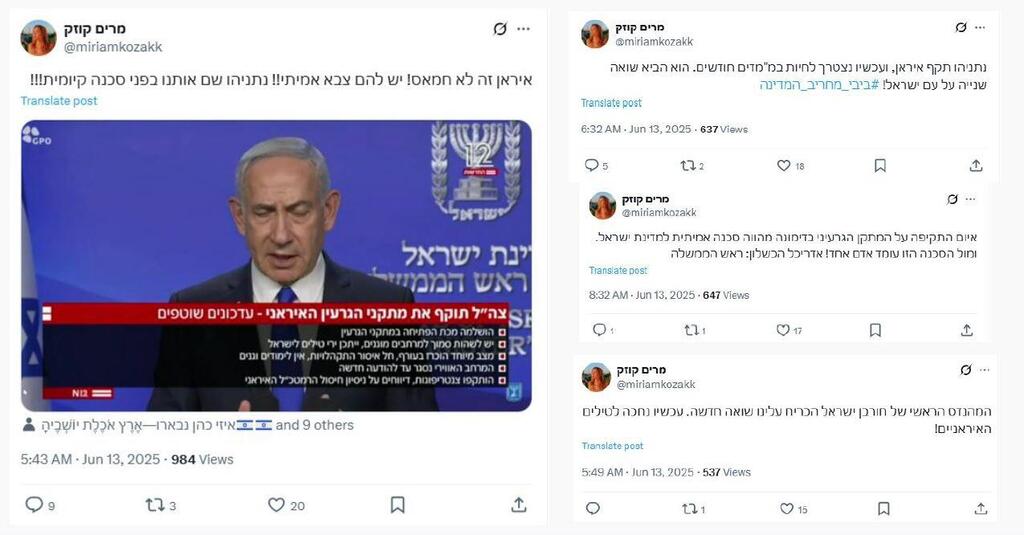
At the center of the warning is what FakeReporter calls “sleeper cells”: social media pages and profiles that appear to be ordinary, authentic support accounts for politicians or parties. Over time, these accounts build trust and attract followers. In reality, the group says, many of them are controlled by foreign actors who await a “day-of-action” signal — at which point the accounts abruptly shift tone and begin spreading disinformation at critical moments in the campaign.
The warning is not theoretical, the researchers stressed, but based on incidents already detected. A recent example emerged after MK Naama Lazimi of the Democrats turned to FakeReporter with suspicions about a Facebook fan group operating in her name.
Investigators found that the group — which includes thousands of Israeli members — was created and run by an Iranian operator posing as an Israeli. The page regularly posts inflammatory content designed to inflame supporters, radicalize public discourse and deepen political polarization. Many of the Israelis in the group were unaware they were participating in a foreign influence operation.
The case also exposed what the group describes as a major failure by authorities and platforms to respond. After confirming the findings, Lazimi appealed to Meta, Facebook’s parent company, to remove the hostile group. Despite repeated requests, the page remained active and continues to operate unchecked. Lazimi also alerted the National Cyber Directorate, but as of publication, no effective steps had been taken to stop the activity, leaving many Israelis vulnerable to ongoing Iranian manipulation.
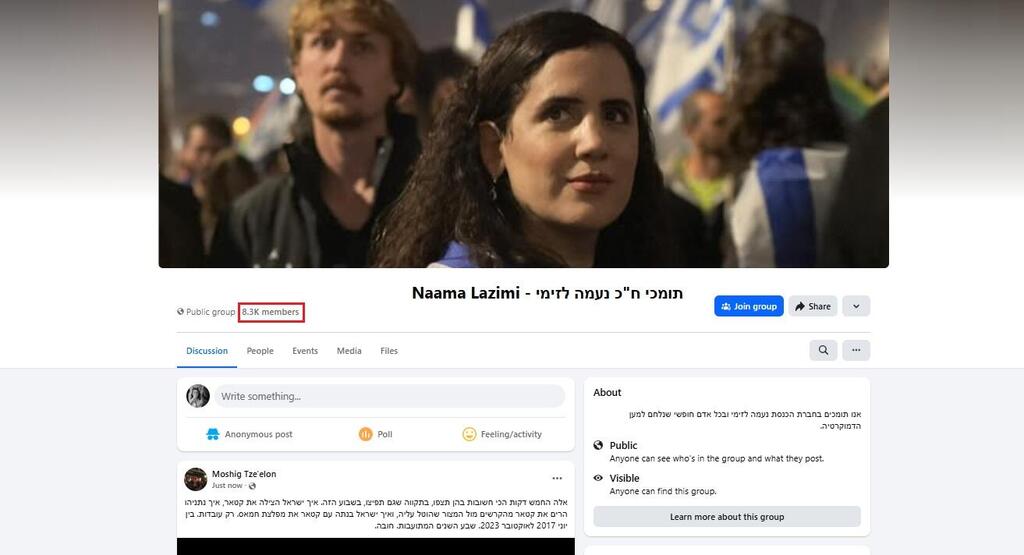
A fake supporter page for MK Naama Lazimi operated by an Iranian agent
(Photo: Screengrab)
FakeReporter’s letter urged lawmakers to treat the threat as an immediate national security issue, warning that without decisive action, foreign influence networks could play a destabilizing role in the upcoming election campaign.
The West is also in the crosshairs
Similar phenomena have already shaken election systems in the West over the past two years. In the United States, influence networks were exposed using deepfake technology to produce fabricated videos of candidates, while China’s “Spamouflage” network flooded social platforms with divisive content.
Russia, for its part, has operated the “Doppelganger” campaign, which created fake European news sites as far back as the mid-2010s. Israel — a global hub for cyber and influence technologies — has now become a prime target for such hostile actors, who are attempting to impersonate official figures to “steal the election” from within.
The major shift in the current battle, researchers say, is the widespread entrance of generative artificial intelligence. Advanced models can now generate context-specific responses, conduct political debates and even create realistic profile photos of people who do not exist.
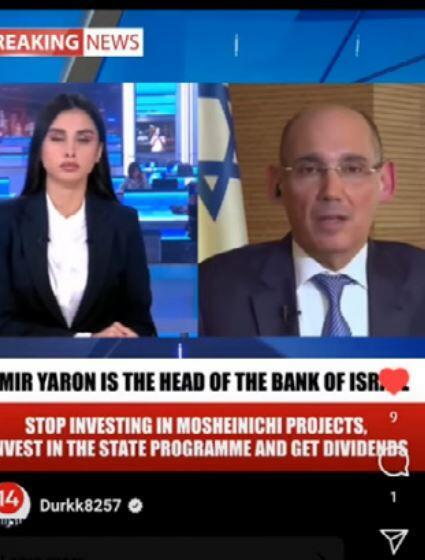
An Instagram page using Channel 14’s profile image and a deepfake video impersonating an interview with Bank of Israel Governor Prof. Amir Yaron to promote a fake financial product
(Photo: Israel Internet Association)
FakeReporter says it has identified bot networks functioning as a coordinated “choir” that amplifies political messages to create the illusion of mass support — or fierce opposition — a tactic known as astroturfing that distorts the public’s sense of reality.
In its letter, the group urged elected officials to conduct deep reviews of their digital accounts and verify any suspicious activity. Nir Rozin, the organization’s CEO, concluded: “We have delivered a serious warning to members of Knesset. We have seen strong democracies fall victim to foreign influence operations, and that’s why we are raising a red flag now. The data is alarming and demands immediate action.”