
Some drugs are born after years of searching through thousands or even millions of molecules, hoping to find the one that works. Imneskibart was created almost the opposite way: first, researchers defined exactly what they wanted the antibody to do. Then they used artificial intelligence to design a molecule capable of doing it.
The antibody, initially known as AU-007, was developed by Israeli company Biolojic Design, founded by Prof. Yanay Ofran, and is now in the Phase 2 portion of a clinical trial involving cancer patients. According to Biolojic and Aulos Bioscience, the company conducting its clinical development, it is the first computationally designed human antibody to reach clinical trials in humans.
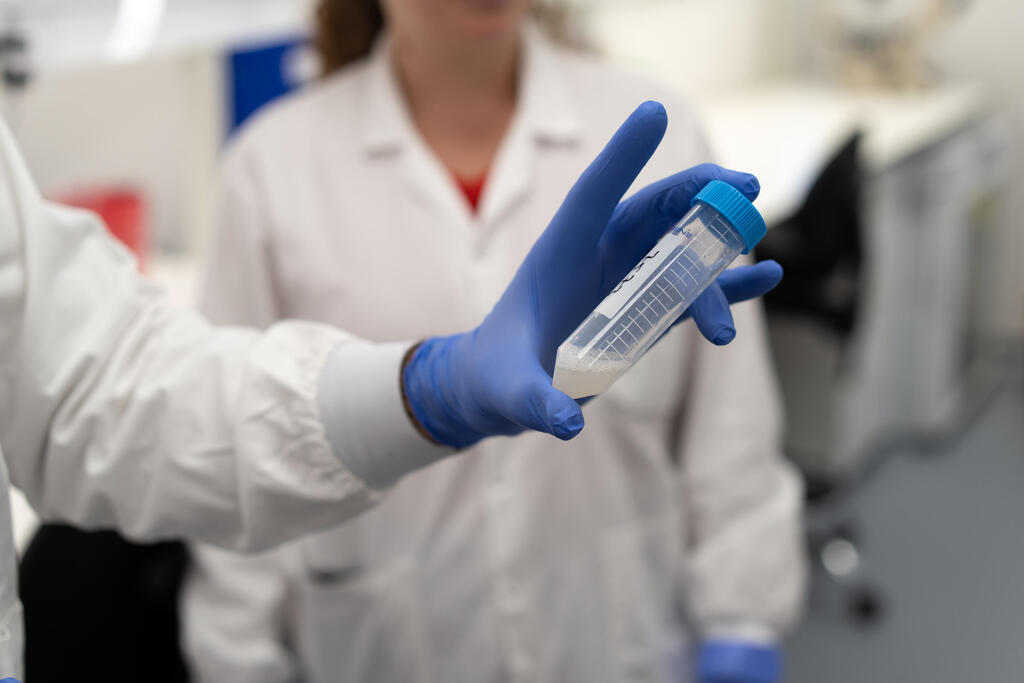
Biolojic was founded in 2008 at the intersection of computational biology, machine learning and drug development. Ofran, a computational biophysicist who spent years studying how proteins recognize and bind to one another, wanted to change the way antibodies are developed.
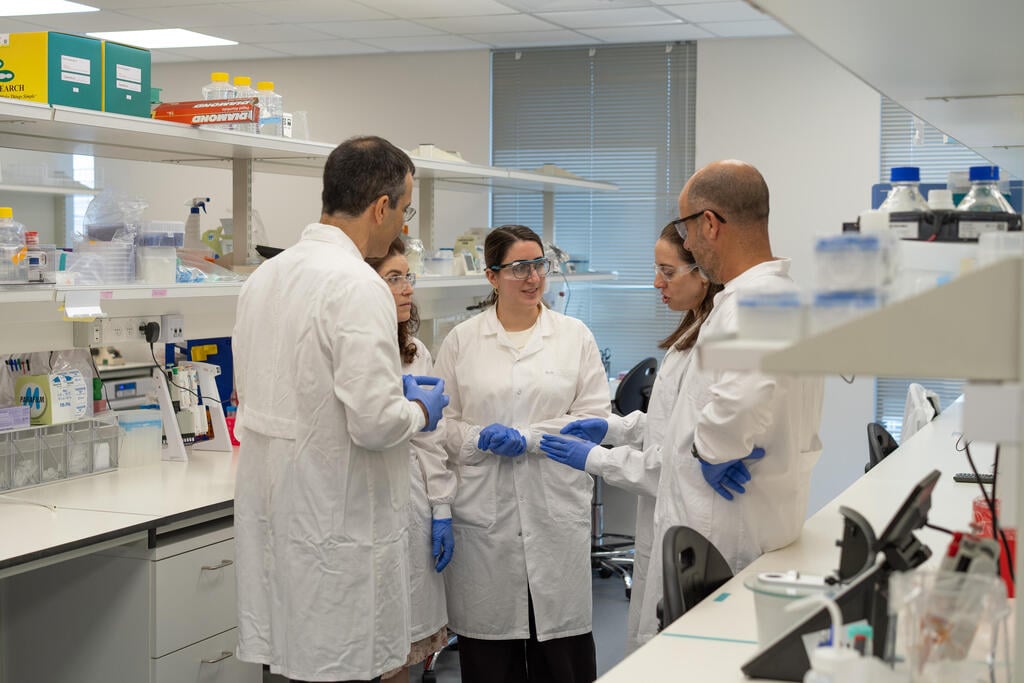
Rather than simply searching for an antibody that binds to a particular target, the idea was to design one in advance — an antibody that would bind precisely where intended and trigger a specific biological outcome. The company’s platform learns from billions of antibody measurements and uses that information to propose changes to antibody sequences until it produces a molecule with the desired properties.
Imneskibart is perhaps the clearest demonstration of that approach.
Its target is IL-2, a naturally occurring protein used by the immune system to activate and expand immune cells. Scientists have known for decades that IL-2 can help the immune system fight tumors, but it comes with a problem: it can act like a double-edged sword. On one hand, it stimulates cells that attack cancer. On the other, it also activates regulatory cells that suppress the immune response, while high doses can cause significant side effects.
Biolojic
That is where Biolojic’s designed antibody comes in.
Imneskibart binds to IL-2 precisely at the region through which IL-2 interacts with a component known as CD25. By doing so, it blocks a pathway that activates, among other cells, regulatory T cells, which suppress immune activity. At the same time, it leaves another pathway available through which IL-2 can stimulate cancer-fighting T cells and natural killer, or NK, cells — two of the immune system’s key forces against tumors.
Put simply, instead of merely adding more “fuel” to the immune system, the antibody is designed to direct that fuel toward the cells researchers want to activate while steering it away from cells that could put the brakes on the immune response.
In January 2021, Biolojic and investment firm Apple Tree Partners launched Aulos Bioscience to advance the drug’s development.
“We are excited to bring these unique computationally designed antibodies to patients,” Ofran said at the time.
Biolojic
In May 2022, the first patient received AU-007 as part of a Phase 1/2 clinical trial, and the program later advanced into the Phase 2 portion of the study.
This year brought another significant milestone. At ASCO 2026, researchers presented data from patients with metastatic melanoma whose disease had progressed despite previous immunotherapy.
Among a group of 12 patients who received Imneskibart together with low-dose IL-2 and nivolumab, four achieved a partial response, with target tumors shrinking by 52% to 77%. Another four patients had stable disease, resulting in a disease control rate of 67%. A scientific abstract published in the Journal of Clinical Oncology also reported anti-tumor activity and the expected shift in the balance between the immune system’s cancer-fighting and immune-suppressing cells.
These are still early results from a small group of patients and without a control group, meaning it is far too soon to know whether Imneskibart will ultimately become an approved therapy. The study is registered as a Phase 1/2 trial and continues to evaluate the treatment in melanoma and non-small cell lung cancer.
But in Biolojic’s case, the breakthrough begins even before the question of whether the drug will eventually reach patients as an approved treatment.
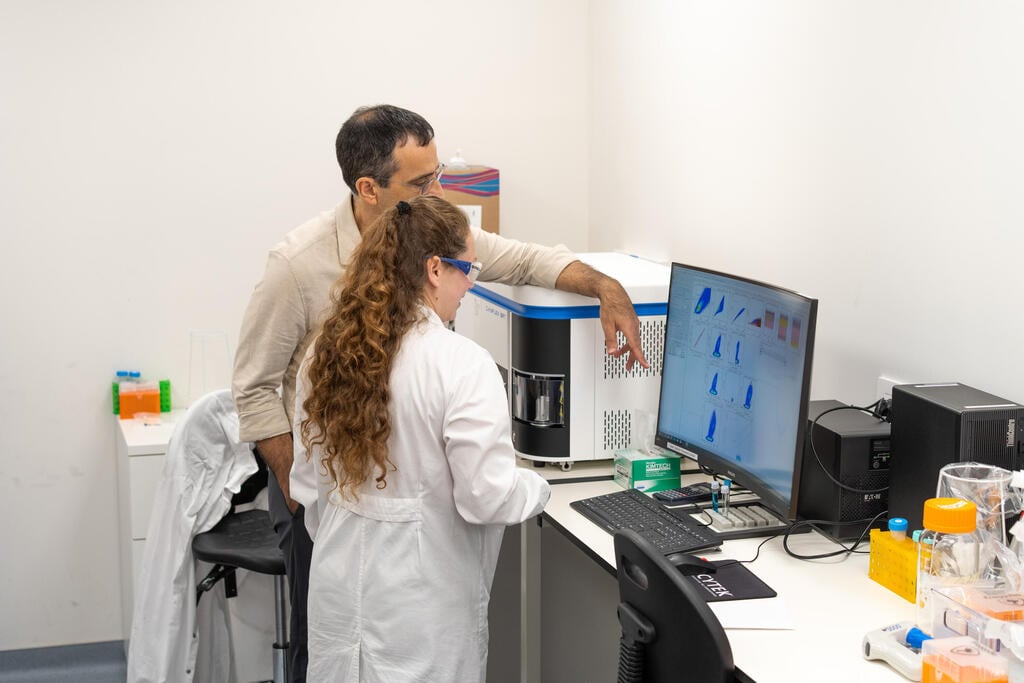
Imneskibart has already made the journey from an Israeli algorithm designed to determine how an antibody should behave, to the creation of an entirely new molecule, and finally to human trials where researchers can test whether it actually does what it was designed to do.
For a field seeking to transform drug development from a process dominated by searching, screening and trial and error into one driven by deliberate molecular design, that journey is already a significant proof of concept.