

AI-generated antisemitic content has surged across social media during a 13-month period marked by the rapid spread of AI image, video and audio generators, says a new CyberWell report published Monday.
The report examined 300 verified pieces of AI-generated antisemitic content that CyberWell said reached more than 30 million views and generated more than 2.8 million engagements on major social media platforms.
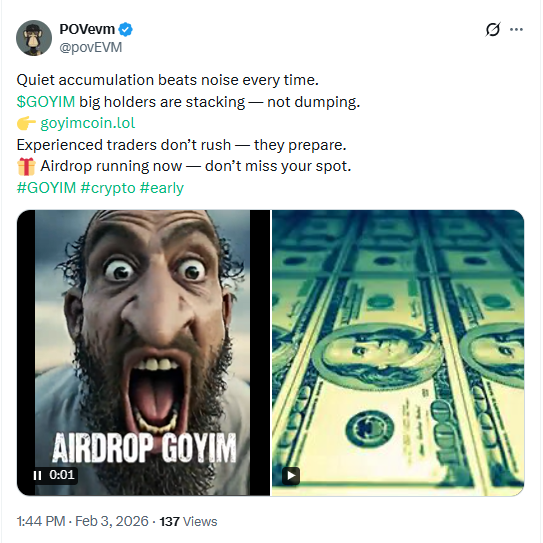
CyberWell said the research, the first of its kind, examined the intersection of generative AI abuse, social media governance and social media use. It highlighted how repeated antisemitic abuse of AI tools reaches large audiences on major platforms.
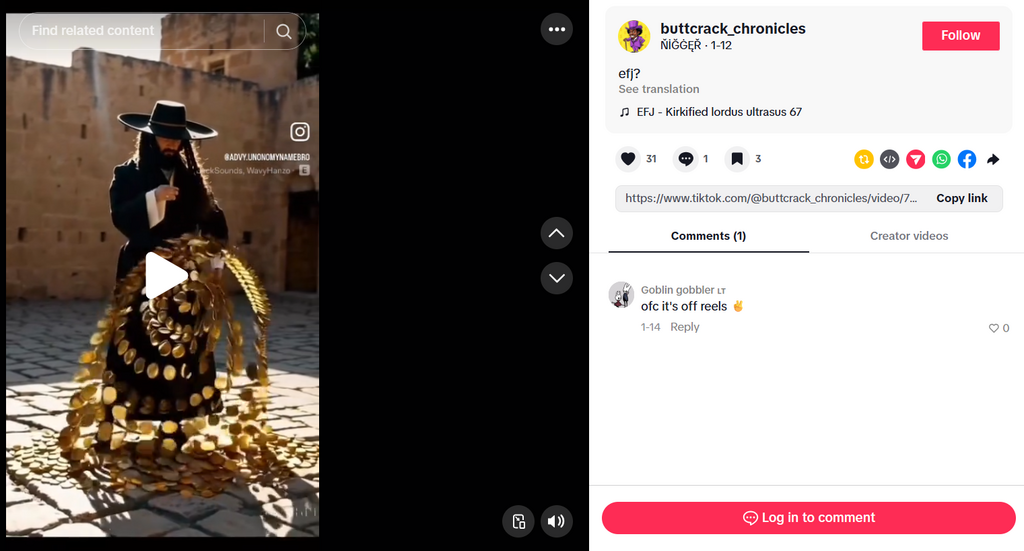
The report analyzed hundreds of AI-generated antisemitic posts published between January 2025 and February 2026. CyberWell said widely available tools, including OpenAI’s Sora, Google’s Veo, X’s Grok and Suno, were used to mass-produce persuasive anti-Jewish content.
The AI tools blended fabricated visuals, audio and narratives with real-world footage, making antisemitic content more believable, more engaging and harder to detect, the report said.
Much of the content mocking or denying the Holocaust appeared to target children and was found alongside material meant to groom or sexualize minors in social media feeds, according to CyberWell. Following widespread misuse of Sora to spread problematic content, OpenAI eventually shut down the tool, underscoring the difficulty of preventing abuse of advanced generative AI systems.
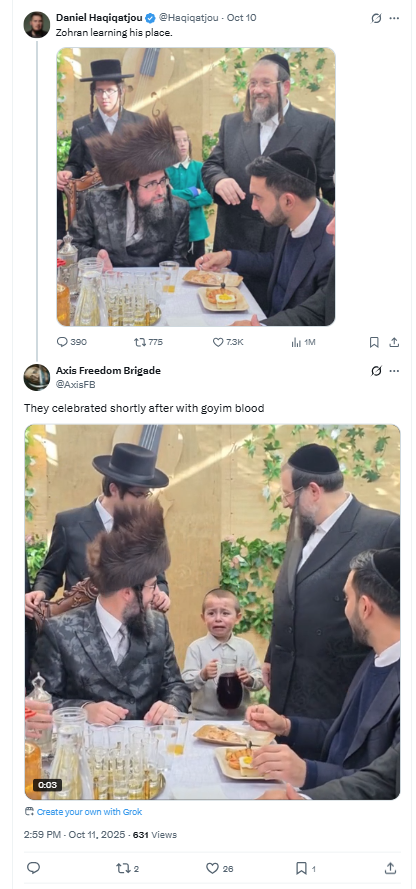
The report found that 79% of the antisemitic content analyzed appeared on video-based platforms — TikTok, Instagram and YouTube. Short-form video dominated, often targeting younger audiences through gaming culture, parody content and viral audio trends.
CyberWell said AI-generated music and gaming formats tied to platforms such as Roblox and Minecraft were repeatedly used to embed antisemitic narratives in youth-oriented online spaces.
AI-generated antisemitic content existed before the Oct. 7, 2023, Hamas attack on Israel, but CyberWell said it gained more traction and amplification on social media in the aftermath. The increased visibility of such content after the massacre prompted CyberWell to begin monitoring it as a regular part of its research methodology.
The report identified a major turning point during the June 2025 conflict involving Iran, Israel and the United States, when CyberWell said it detected a sharp spike in the cross-platform spread of AI-generated antisemitic content.
“Artificial intelligence has fundamentally changed the scale and speed at which antisemitism can be produced and distributed online,” said CyberWell CEO and founder Tal-Or Cohen Montemayor. “Generative AI now allows bad actors to industrialize hate, producing high-impact content that can reach millions, with enforcement often coming only after it has already been widely amplified.”
Engagement patterns were especially alarming, the report said. Posts glorifying or calling for violence against Jews accounted for 33% of the content and generated 41% of total engagement, suggesting the most extreme material spread fastest and reached the widest audiences.
CyberWell said that, based on its previous State of Online Antisemitism 2025 report, violent antisemitic content was twice as likely to appear in AI-generated content as in user-generated antisemitic content.
The report also highlighted inconsistent enforcement by platforms. TikTok accounted for the largest share of content, at 36%, while also showing the highest enforcement rate, at 88%. Instagram accounted for the largest share of engagement, at 65%, disproportionate to its 25% share of posts.
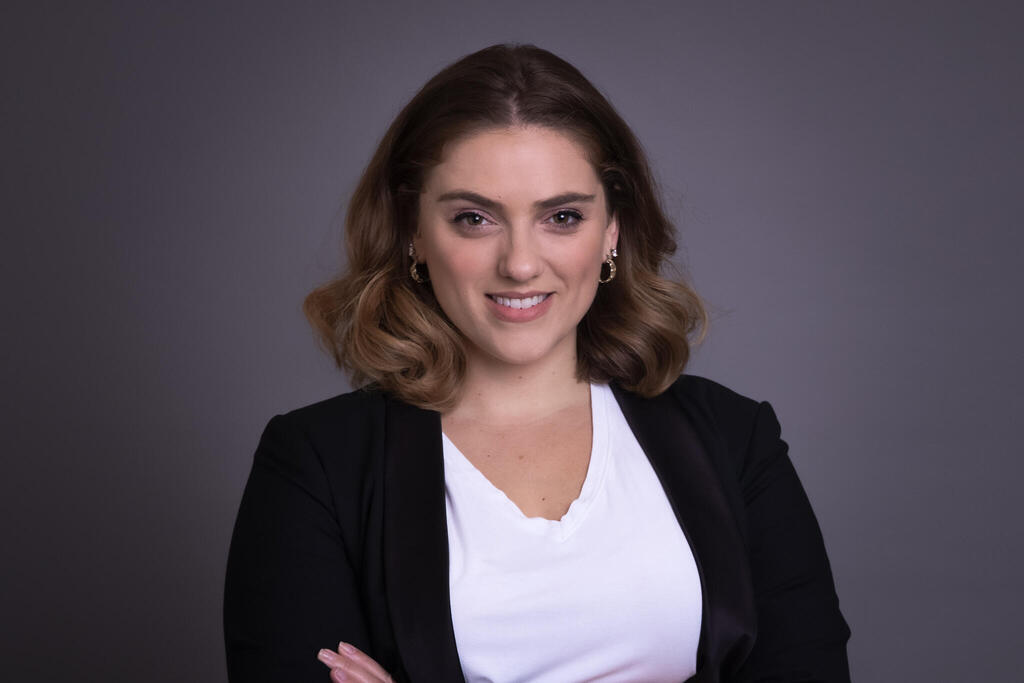
Tal-Or Cohen Montemayor
(Photo: Hadar Bader)
TikTok and Meta, Instagram’s parent company, recorded significantly higher removal rates than their averages for antisemitic posts, likely in part because they have more explicit policy frameworks addressing AI-generated content, CyberWell said. By contrast, YouTube and X recorded lower removal rates, at 28% and 20%, respectively, and do not maintain similarly explicit policy provisions, the report said.
CyberWell said those rates reflect eventual moderation after content was reported to platforms, but enforcement is often delayed. AI-generated material frequently remains online long enough to accumulate hundreds of thousands or millions of views before removal, the report said.
“Platforms must move beyond disclosure and invest in systems that identify harmful narratives at scale, including those embedded in audio, visuals and coded formats that evade traditional detection,” Cohen Montemayor said.
“Generative AI is a powerful technology, but it is also being weaponized at scale,” she said. “By strengthening automated detection, investing in competent and transparent human moderation, auditing training data and partnering with specialized external stakeholders, platforms and AI developers can address the complex and fast-evolving forms of online hate through sustained collaboration between technology companies, policymakers and expert partners.”
CyberWell is an independent, tech-based nonprofit combating the spread of antisemitism online, operating globally. Its AI-technologies monitor social media in English and Arabic for posts that promulgate antisemitism, Holocaust denial and promote violence against Jews and their allies based on the International Holocaust Remembrance Alliance’s (IHRA) working definition of antisemitism. Its analysts review and report this content to platform moderators while indexing all verified posts in the first-ever open database of antisemitic social media posts.