

The Xiaomi Ultra series has always been the Chinese manufacturer's statement of intent: We're here to win the smartphone camera war. The new Xiaomi 17 Ultra, launched earlier this year, continues that tradition in full force, but also brings several design and operational changes that require us to look at it somewhat differently.
This time, we took the device for a long-term review to see how this photography monster performs not only in tests, but also during real-world, intensive daily use. After spending an extended period with it, the picture is clear: The Xiaomi 17 Ultra offers one of the best photography experiences you'll find on a smartphone today, but getting there requires users to make some surprising compromises.
New design, heavy weight
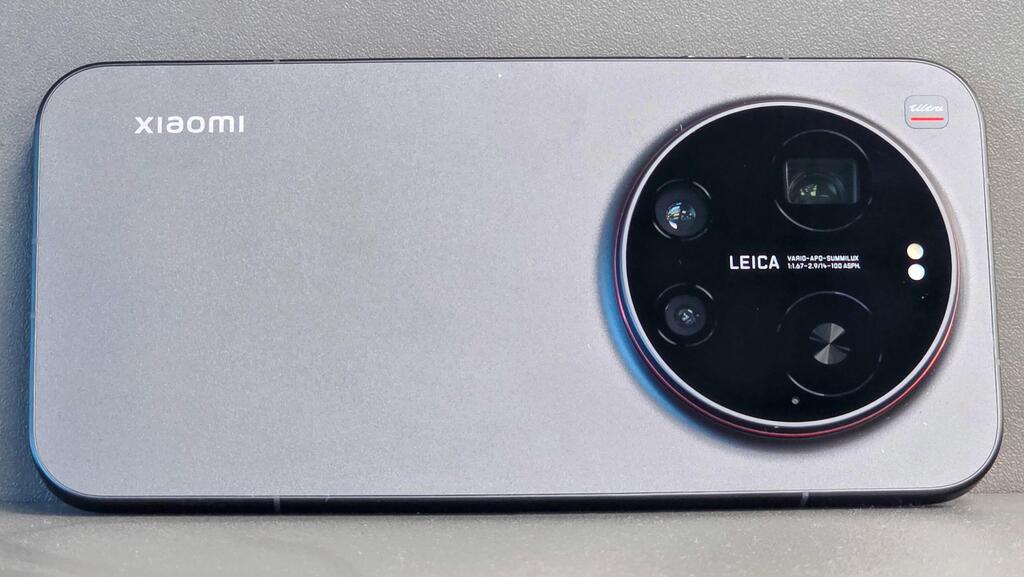
Unlike previous models, which featured a look inspired by classic Leica cameras, Xiaomi decided to take a different approach this time when it comes to the exterior. The phone has abandoned that finish in favor of a much more modern, flat and clean design that bears a strong resemblance to the lines of the iPhone.
The back is made of fiberglass with a flat aluminum frame and a very high level of finish. The phone is relatively thin at around 8.3 millimeters, but as soon as you hold it in your hand, you immediately understand who's boss. Because of the enormous camera array on the back, the phone is unbalanced and feels very top-heavy.
At 219 grams, this isn't exactly the smartphone that will slip easily into your pants pocket. The extreme camera bump on the back creates a problem: For the average user, it's a design compromise that takes some getting used to in everyday use.
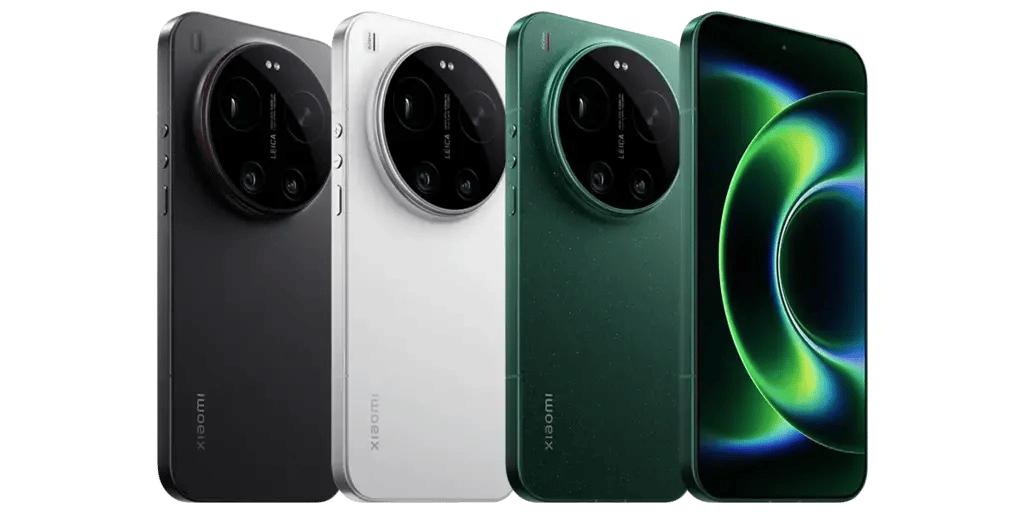
This design, incidentally, is also found on photography-focused models from Chinese rivals Oppo and Vivo. In other words, it's a choice that probably stems from the need to fit a very heavy camera system into a smartphone body. In short, it's not the prettiest device, but overall it's not the most problematic either, unless you have particularly small pockets.
Huge display that easily handles the Israeli sun
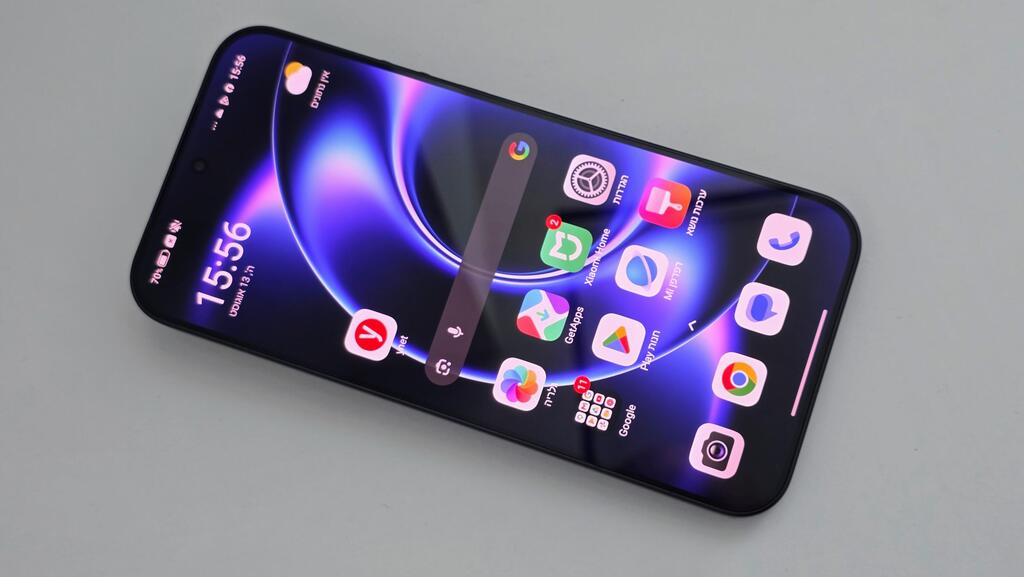
On the front of the device is a huge 6.9-inch OLED display that provides a great viewing experience. The screen supports a dynamic refresh rate of up to 120Hz, meaning every movement, social media scroll or game feels exceptionally smooth and easy on the eyes.
One of the most significant upgrades here is peak brightness of up to 3,500 nits. The implication for you is simple: Even in the middle of a hot Israeli summer day, under direct and glaring sunlight, you'll be able to read messages and view photos without straining your eyes at all.
If we compare it with this year's major rival, the Samsung Galaxy S26 Ultra, the Xiaomi's resolution is slightly lower on paper. Nevertheless, in real-world, everyday use, it's very difficult to see the difference with the naked eye. The colors are rich, the contrast is deep and, combined with the powerful, clear stereo speakers, this is an excellent device for consuming content, watching videos and gaming.
Camera: This is where the real magic happens
As mentioned, the real reason to buy the Xiaomi 17 Ultra is its camera system, developed once again in collaboration with German professional photography specialist Leica. This isn't Leica's first smartphone partnership. Before Xiaomi, Huawei had the deal, but following the Western sanctions on the company, Leica moved its services to Xiaomi.
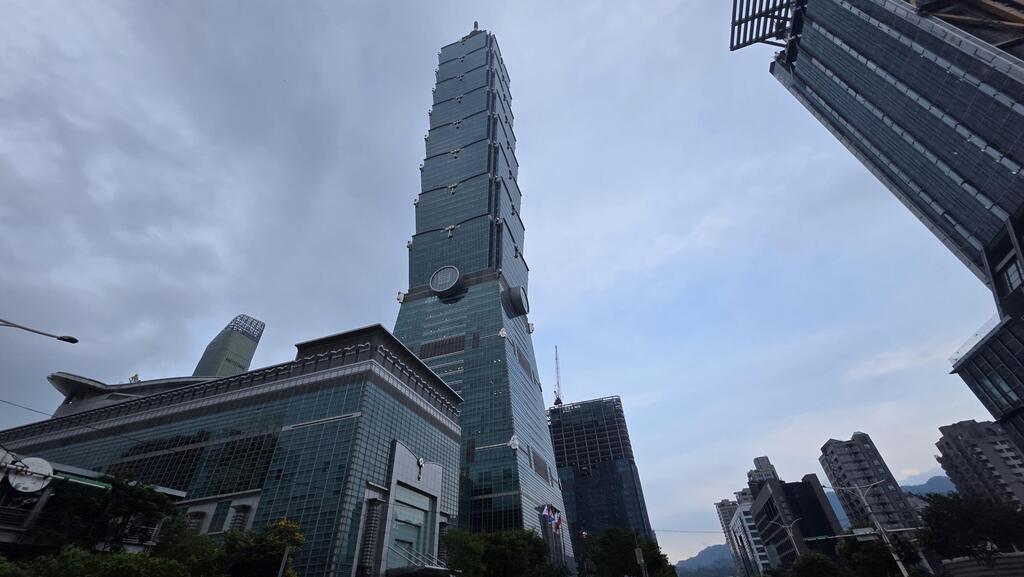
In any case, the main camera is based on a huge 1-inch sensor that produces sharp images with natural and impressive color depth. It's a sensor that's even larger than those found in dedicated compact cameras. Its performance in difficult lighting conditions and at night is simply in another league, managing to pull out light and detail from completely dark areas without creating distracting digital noise.
But the real star of the show is the telephoto camera with a 200-megapixel sensor. Xiaomi has incorporated a unique mechanical zoom mechanism that enables a completely smooth and continuous transition between 3.2x and 8.6x magnification. Unlike other smartphones, where switching between different lenses can cause a sudden change in color or sharpness because the lenses are usually calibrated differently, the result here remains remarkably consistent, sharp and professional throughout the entire range.
Digital zoom capabilities can reach up to 100x, while the artificial intelligence system manages to stabilize and sharpen the image, allowing you to photograph very distant objects with surprisingly high levels of detail. It is reminiscent of the monster zoom Samsung previously introduced on its Galaxy Ultra devices, but the final image quality is better.
This is undoubtedly one of the best zoom systems we've ever seen on a smartphone. The front camera has also received a major upgrade, with a 50-megapixel sensor that produces sharp selfies with very natural skin tones. And for content creators, Xiaomi hasn't forgotten about video: The phone offers excellent support for recording up to 8K at 30 frames per second, as well as Dolby Vision. Overall, at this point, it can be said that Xiaomi offers one of, if not the best, camera systems in the field.
Fast performance, but the battery disappoints
Under the hood, you'll find the most advanced processor on the market, the Snapdragon 8 Elite Gen 5, along with 16GB of RAM and 512GB of storage in the base model. This combination makes the device extremely fast. No app, no matter how demanding, will make it stutter and it easily handles complex tasks such as video editing and graphically demanding games.
The device runs HyperOS 3, based on Android 16, and includes a wide range of artificial intelligence tools, from advanced photo editing and object removal to real-time conversation translation and smart on-screen search.
However, Xiaomi offers "only" six years of security updates and five operating system upgrades. Compared with Samsung and Apple, which offer seven years, that's less on paper. But between us, I don't know anyone who buys a smartphone like this and keeps it for more than three or four years without upgrading along the way. This is a device for technology enthusiasts and they're not the type to upgrade once a decade.
The biggest disappointment comes from the battery. On paper, the device is equipped with a huge 6,000mAh battery, a figure that should ensure two full days of use. In practice, however, real-world testing revealed fairly average and disappointing battery life given the advertised capacity.
The complex camera system and bright display appear to consume a great deal of power, making it difficult for the phone to get through a particularly intensive workday without a midday charge. The small consolation is charging speed: The device supports 90-watt wired fast charging and 50-watt wireless charging, allowing you to restore its lost power within minutes.
The bottom line
The Xiaomi 17 Ultra is sold in Israel for around 5,250 shekels ($1,600), putting it firmly in the highest price tier of the market alongside Apple's and Samsung's flagship devices. This is a high-end device designed first and foremost for dedicated photography enthusiasts who want the best camera current technology has to offer and understand what it means to carry advanced lenses in their pocket.
For the average user who isn't planning to shoot artistic landscape photos at extreme zoom every day, the phone's drawbacks may outweigh its advantages. Its heavy weight, physical imbalance caused by the camera bump and disappointing battery life make it less friendly as a straightforward everyday phone. Xiaomi has created an amazing camera here that also happens to be a powerful smartphone, but it's worth carefully considering whether you really need all that photographic power before parting with such a large sum of money.