

Israel Aerospace Industries (IAI) unveiled a new drone interception system Monday at a major defense exhibition in Washington, expanding its multilayered defense capabilities against the growing threat of unmanned aerial vehicles on the modern battlefield.
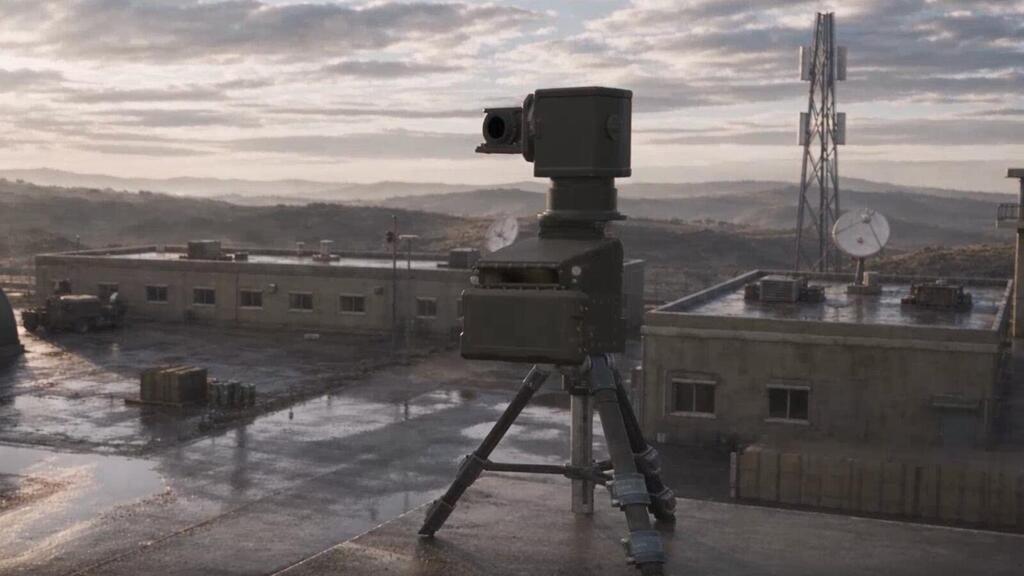
The system, called HawkGuard, was presented at the Association of the United States Army (AUSA) Annual Meeting and Exposition. It is designed to detect, track and intercept hostile drones and other low-altitude aerial threats using kinetic interception technology rather than conventional explosive warheads.

(Photo: Israel Aerospace Industries)
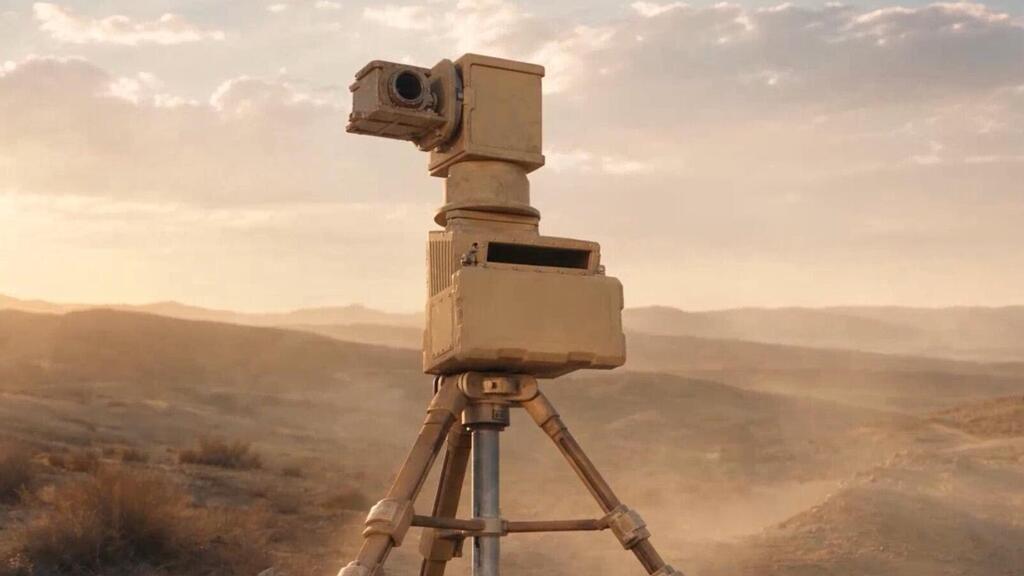
According to IAI, HawkGuard combines radar and electro-optical sensors with artificial intelligence-enabled command and control systems to identify incoming threats and deploy interceptor drones. These interceptors are designed to physically strike hostile aerial targets, neutralizing them without the blast effects associated with explosive munitions.
The company said the system recently completed a series of successful tests in which it detected, tracked and neutralized various drone threats. IAI did not disclose the specific types of drones involved, the number of interceptions conducted or when the system is expected to become operational.
"The future of force protection will depend on the ability to respond rapidly and effectively to an increasingly diverse and evolving aerial threat," IAI President and CEO Guy Bar Lev said. "At IAI, our vision is to provide forces with a layered and adaptable defense architecture that protects them across the full spectrum of threats."
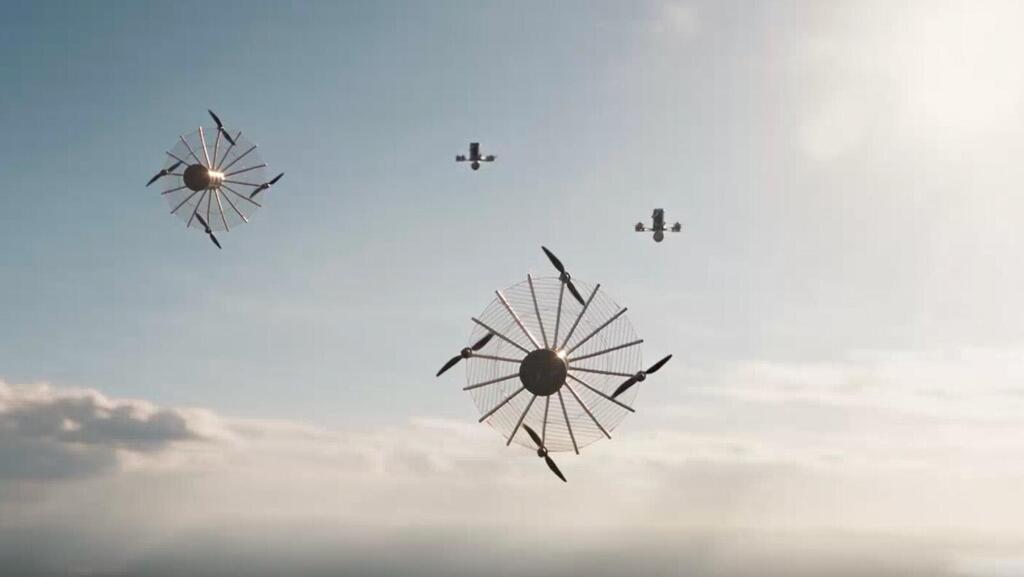
HawkGuard
(Photo: Israel Aerospace Industries)
HawkGuard is intended to operate as part of IAI's broader counter-drone defense architecture, which integrates detection, identification, electronic warfare, command and control and interception technologies. The approach allows military operators to combine different sensors and defensive systems according to operational requirements and the threats they face.
The new system's compact, modular design allows it to be installed on armored vehicles and other mobile platforms, according to IAI. It can also be deployed to protect military installations, strategic infrastructure and offshore facilities.
"Today's aerial threat environment demands solutions that can adapt quickly to the threat, the mission and the operational setting," said Dror Bar, CEO of IAI subsidiary ELTA Systems. He described HawkGuard as an additional defensive option intended to provide a flexible and cost-effective response to drones and other localized aerial threats.

HawkGuard
(Photo: Israel Aerospace Industries)
(Photo: Israel Aerospace Industries)
The unveiling comes as militaries worldwide seek more effective ways to counter the proliferation of relatively inexpensive drones, which have become an increasingly prominent feature of modern warfare. Their widespread use has intensified demand for interception systems capable of responding to multiple threats without relying exclusively on costly missiles.
By employing interceptor drones without explosive warheads, HawkGuard is intended to offer another defensive option for situations in which conventional explosive interception may pose additional risks to nearby personnel or infrastructure.
IAI said HawkGuard will be displayed at its booth at AUSA 2026 in Washington, marking the system's first public presentation.