

A 32‑year‑old Chinese tech worker collapsed at home late one night while working remotely and later died in the hospital, prompting his family to blame extreme and sustained work pressure rather than natural causes.
The case, which occurred at the end of last year, has drawn broad public attention in China in recent days. Gao Guanghui, a programmer and father, was working from home on Saturday, Nov. 29, when he began feeling unwell, according to his family. He told relatives he needed to sit in the living room to finish some tasks, then suddenly collapsed.

Paramedics rushed him to a hospital, but resuscitation efforts were unsuccessful. Gao was pronounced dead at 1 p.m. with the official cause listed as cardiac arrest. His family, however, insists his death was the direct result of prolonged extreme workload.
Local media reports said Gao had recently been promoted to department manager, a role that added long hours and significant responsibilities to his job as a developer. In addition to programming duties, he was tasked with managerial oversight and post‑sales client support, a combination that reportedly led to extended workdays and late nights at home.
What has drawn particular outrage is the family’s claim that Gao continued to receive work messages on the company’s WeChat group even after he was hospitalized in critical condition, including instructions to handle orders and complete urgent tasks due Monday morning. It was not clear whether his colleagues were aware of his medical condition at the time.
Gao’s wife told local media that after his death she attempted to settle his affairs with his employer, but said some of his personal belongings had already been discarded and items that were returned to her were not properly packed. The family has filed a formal claim for workers’ compensation for a work‑related injury, but has not yet received a response from authorities.
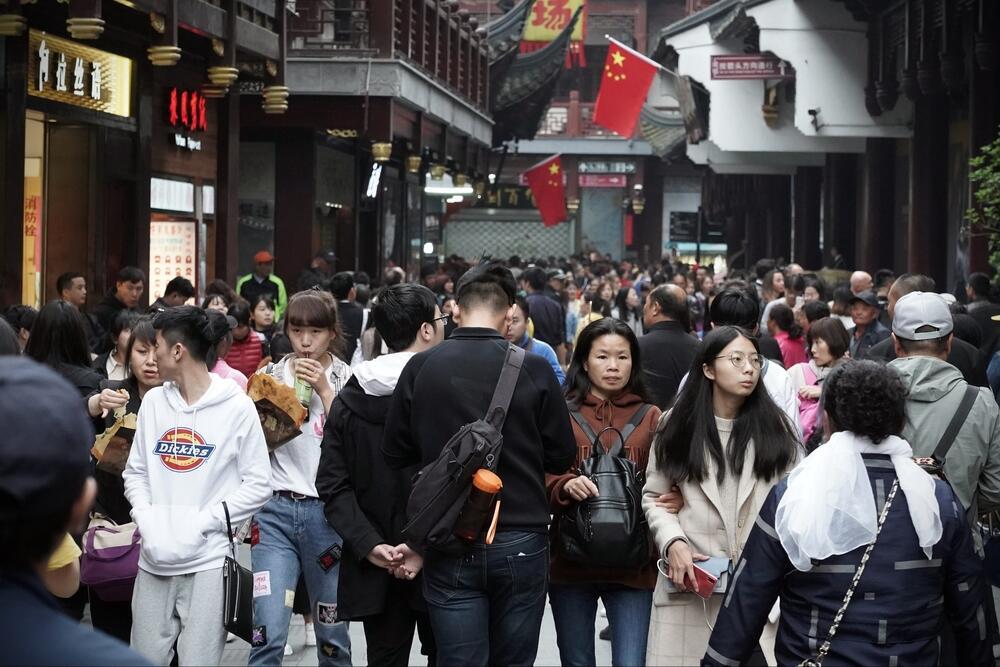
China
(Photo: Shutterstock)
The case has reignited debate over China’s demanding work culture, particularly in the tech sector, where long hours, constant pressure and around‑the‑clock availability are often viewed as the norm. For many families and especially younger workers, the human cost of such expectations is becoming painfully clear.
On Chinese social media, anger has grown over how someone fighting for his life could still be treated, in the eyes of the system, primarily as an employee with open tasks to complete. Some users say Gao’s death is not an isolated incident but a symptom of a culture that fails to stop even as bodies break down.