

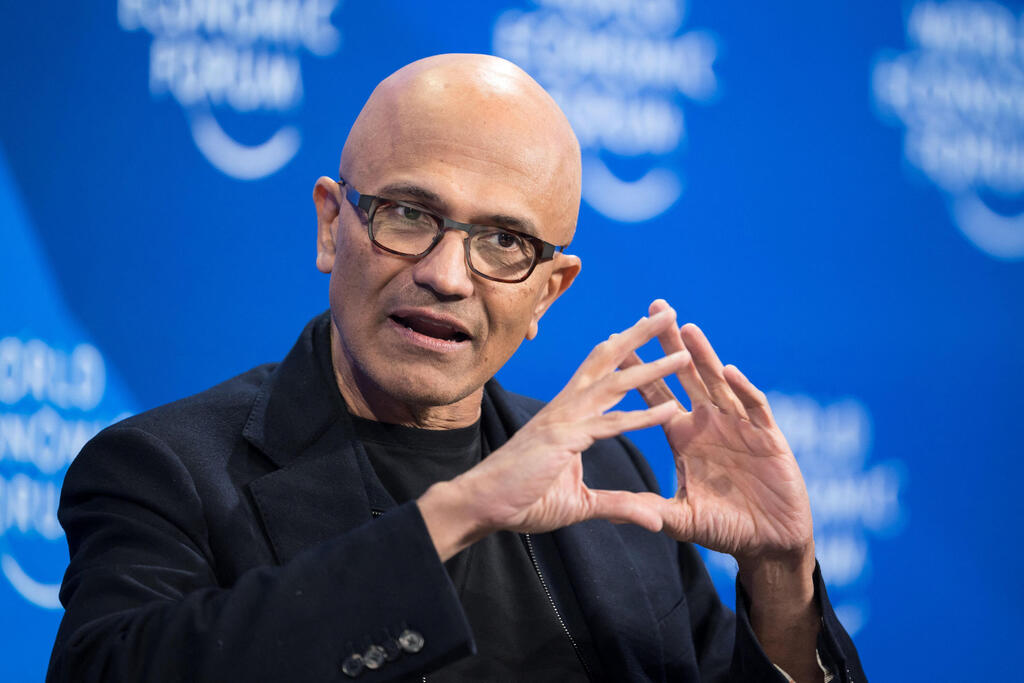
After years in which Microsoft appeared to treat the home user as background noise on the way to quarterly earnings, something seems to be shifting in Redmond. In the company’s third quarter 2026 investor call, CEO Satya Nadella not only presented numbers that pleased analysts, but also used a word Windows users had almost forgotten: “fans.”
Nadella officially announced an effort to win back consumer loyalty through a “return to basics” — a phrase that, in tech terms, reads as a polite admission that recent versions of Windows 11 have become overloaded with hidden ads and unwanted apps.
The goal: stop the exodus
The most notable figure from the report is that Windows is currently installed on about 1.6 billion active PCs and servers each month. But Microsoft is well aware that a significant share of users are either refusing to leave the stable (but aging) Windows 10, or are on Windows 11 but would prefer it didn’t feel like a banner-filled website.
The company’s new plan focuses on improving performance on low-memory devices (for example, 4GB RAM machines), simplifying update processes, and refocusing on core functionality. The move is designed to slow the quiet migration to competitors — led by Apple, which dominates with stable, design-focused systems, and Google, which continues to gain ground in education and lightweight computing with ChromeOS.
As part of the roadmap, one of the most significant changes expected in 2026 is a “cleanup operation” for Windows. Microsoft has officially confirmed it is working to reduce the number of promotional prompts and ads shown during the initial setup process.
It appears the company has realized that trying to sell users an Xbox subscription or OneDrive storage before they’ve even seen the desktop is not the best way to build trust.
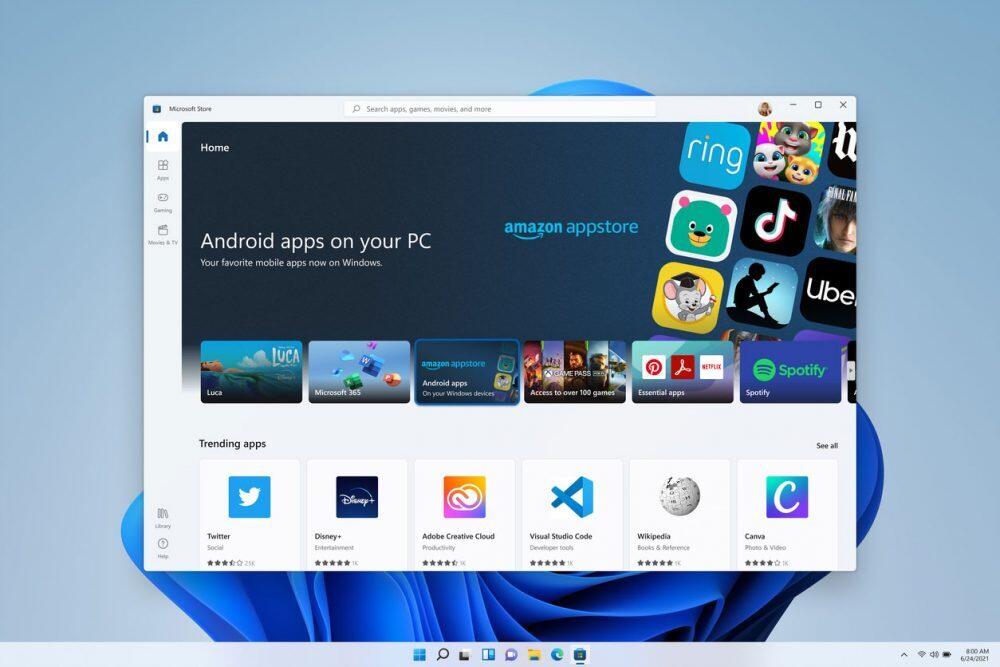
Windows 11
(Photo: Microsoft)
In addition, Windows will finally allow users to move the taskbar to different sides of the screen and resize it — a feature that existed since Windows 95 and was removed in Windows 11 for reasons understood only by Microsoft’s UI engineers. The Start menu will also be refined to address usability issues that have made it cumbersome.
“Good system, bad system” cycle
Historically, Microsoft seems to follow a near-cyclical pattern of “bad system, good system.” Vista was a performance disaster that led to the success of the beloved Windows 7. Windows 8 then introduced a tile-based interface that drove users away, forcing Microsoft to release Windows 10 as a corrective reset.
Windows 11, despite its modern design, suffers from the same growing pains: feature overload and a lack of attention to everyday user needs. Nadella’s current “back to basics” push closely resembles earlier efforts to repair the brand image.
Globally, reactions are mixed. In Europe, strict EU regulation already forces Microsoft to make it easier to remove built-in services like Edge and Bing, pushing the company toward a more open system by default.
In China, where Windows still holds over 70% market share, Microsoft faces growing competition from domestic Linux-based operating systems. Improving performance on low-cost devices is critical to maintaining its position in this massive market.
In the United States, the competition is largely about prestige against Apple’s processors, which offer impressive energy efficiency — forcing Microsoft to optimize memory and battery usage to levels not seen before.
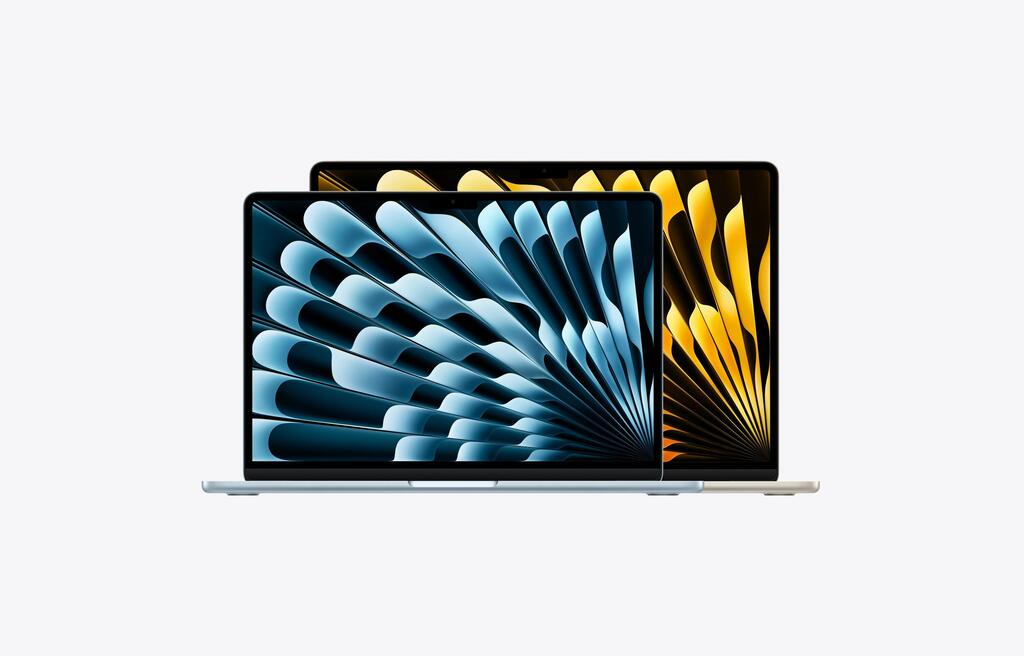
The new MacBook Air
(Photo: Apple)
The promised upgrades also include a significantly faster File Explorer, fixing inconsistencies in dark mode across legacy dialog boxes, and reducing the use of AI in places where it simply gets in the way. Microsoft says these changes will roll out gradually throughout 2026.
What remains to be seen is whether this “return to basics” is a genuine reset, or just another marketing slogan aimed at reassuring investors — and whether Microsoft truly understands that the personal computer is, first and foremost, a work tool, not an advertising platform or data extraction system.