

Computex 2026 in Taiwan’s capital, Taipei, will likely be remembered as the turning point at which the personal computer was fundamentally transformed. Nvidia CEO Jensen Huang on Monday unveiled the RTX Spark platform at the company’s GTC event in Taipei, introducing a new and potentially disruptive line of chips for laptops and desktop computers developed in close collaboration with Microsoft.
The vision behind the initiative is clear: a shift from simple interactions with cloud-based chatbots to the local execution of autonomous AI agents capable of carrying out complex tasks entirely in the background without continuous human oversight.
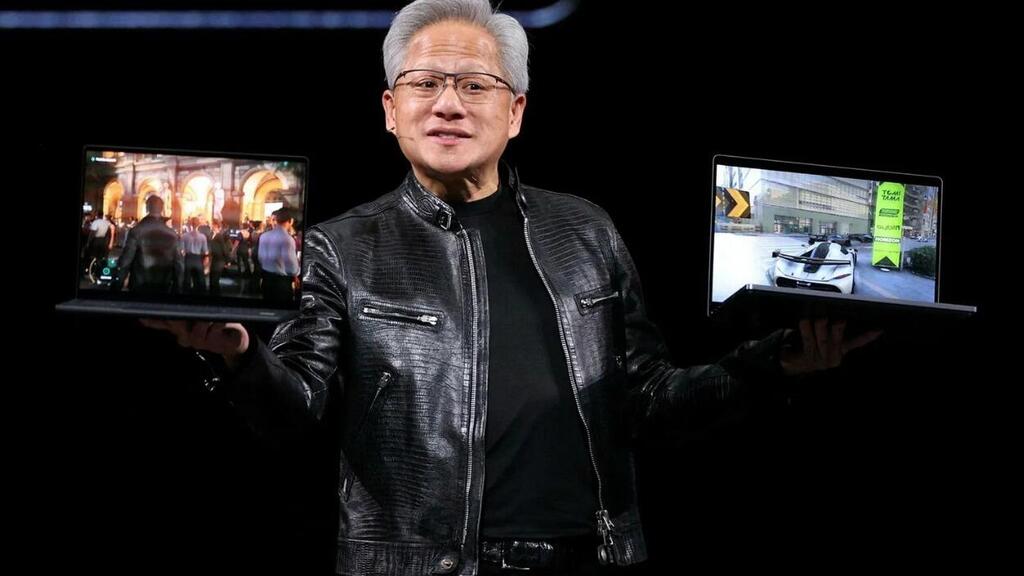
The move by Nvidia, which in recent years became the world’s most valuable company by market capitalization thanks to its data center processors, marks its first direct entry into the personal computing market, a sector traditionally dominated by Intel, AMD and Qualcomm.
The post-ChatGPT era
According to Nvidia executives, the era in which users primarily interact with large language models such as ChatGPT, Gemini and Claude through simple text conversations is nearing its end.
“Autonomous agents are the new workload of computing,” company officials said.
Unlike conventional AI assistants, these agents can set goals, operate digital tools, independently evaluate the quality of their work and carry out long-term tasks even when users are away from their screens or asleep.
The shift toward local processing on personal computers addresses a major economic challenge for companies and organizations worldwide. The substantial cloud-computing costs associated with running millions of AI agents in the background threaten industry profitability. Running such models locally can save millions of dollars while also providing a critical cybersecurity benefit for businesses concerned about sensitive data being transmitted to external cloud services.
To power the next generation of PCs, Nvidia introduced the RTX Spark Superchip, an Arm-based computing architecture developed in cooperation with chipmakers TSMC and MediaTek and designed to deliver unprecedented energy efficiency.
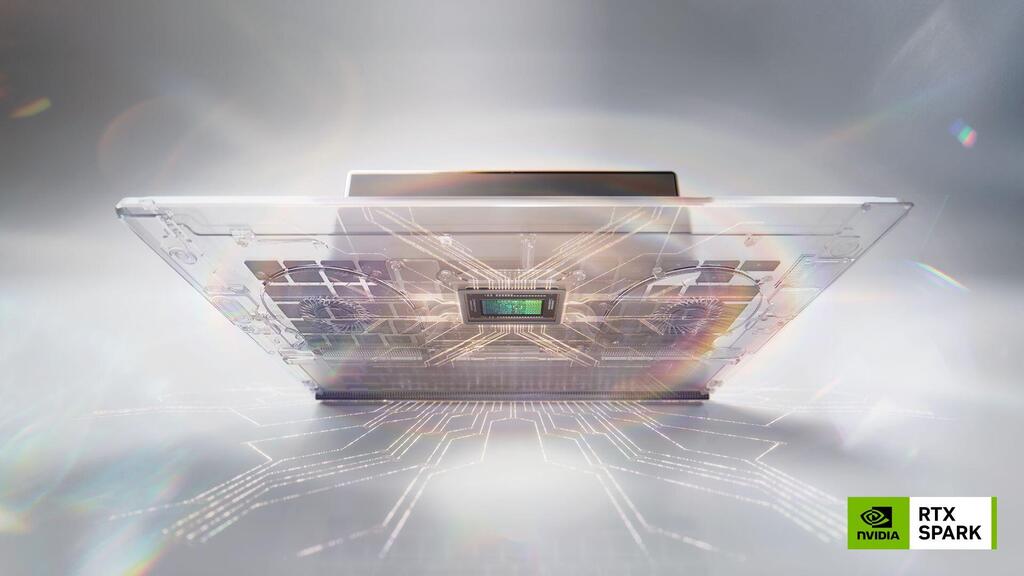
The RTX Spark platform
(Photo: Nvidia)
The chip features 20 custom-designed CPU cores, a Blackwell-based GPU with 6,144 CUDA cores and up to 128 gigabytes of unified LPDDR5X memory with bandwidth of 300 gigabytes per second. The first computers powered by the new chip are expected to reach stores as early as this fall. They will be manufactured by six of the world’s leading PC makers: Dell, Lenovo, Microsoft, HP, Asus and MSI.
The devices will feature ultra-thin designs, starting at 14 millimeters, and weigh less than 1.3 kilograms. The systems will be positioned at the high end of the market with premium pricing and will primarily target content creators, AI developers and gamers.
Global market landscape: Nvidia takes on computing giants
Nvidia’s announcement is expected to deepen divisions in the global PC market.
While Nvidia and Microsoft are targeting the premium segment with high-performance systems, Apple recently adopted the opposite strategy with the launch of its lower-cost MacBook Neo lineup, aimed at capturing the midrange and education markets through competition from below.
At the same time, Intel and Qualcomm find themselves on the defensive against Nvidia’s new architecture, which promises to significantly alter the way Windows handles local computing tasks.
Alongside its personal computing announcements, Nvidia also unveiled its Vera Rubin cloud-computing platform, featuring new Vera CPUs and systems that integrate the fast inference technology developed by Groq, which Nvidia acquired last year in a reported $20 billion deal.

Apple's MacBook Neo
(Photo: Apple)
Intel remains in the race
At the same event, Intel unveiled new data center chips designed for AI workloads and autonomous agent deployment.
The products include the latest generation of Xeon 6+ processors featuring 288 cores built on the company’s 18A process technology, what Intel described as its first processor designed specifically for agentic AI, as well as a new networking controller and an AI accelerator equipped with 480 gigabytes of memory.
Intel is betting that by 2030 more data centers will be running AI applications than training AI models, shifting much of the computational burden toward CPUs.
To support that vision, the company is promoting a new concept: the “Intelligence Center” — a data center dedicated to operating AI agents for tasks such as customer service, as opposed to facilities focused on training foundation models from scratch, such as those behind GPT and Gemini.