

Samsung Galaxy Z Fold 8 is the smartphone shake-up we have been waiting for: finally, a device that looks a little different, sparks the imagination again and is genuinely fun to use.
After seven generations of foldable phones, Samsung is making a bold attempt to restart the category. By changing the screen proportions and betting on a compact “pocket notebook” format, with a 5.5-inch outer display, the Galaxy Z Fold 8 creates a very different smartphone experience.
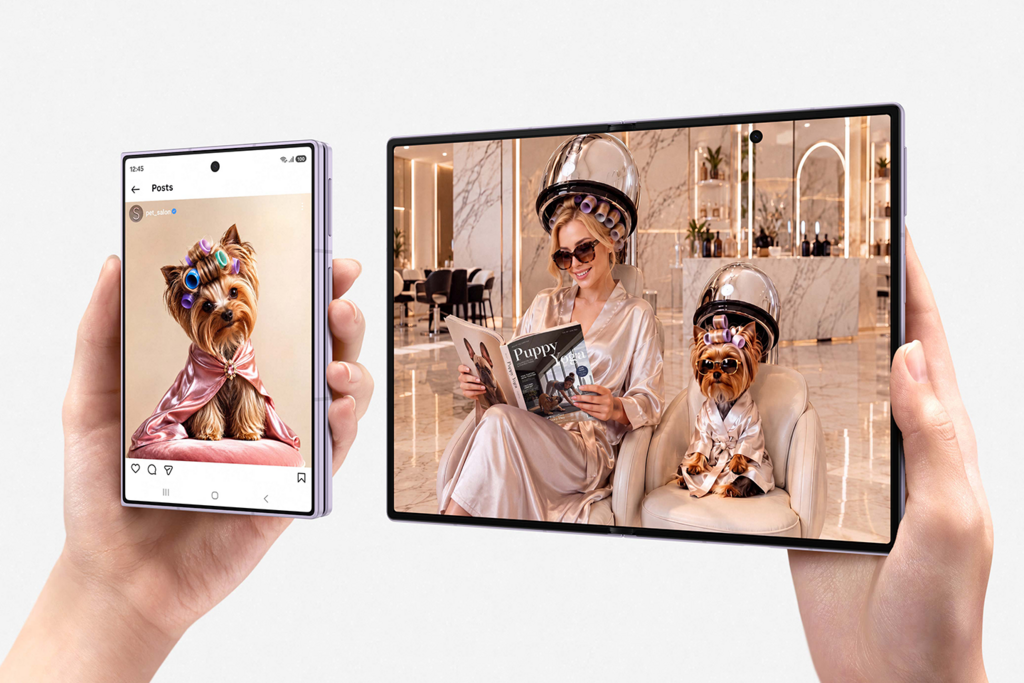
(Photo: Samsung)
Combined with Samsung’s years of experience building foldables and learning from earlier mistakes, the Fold 8 feels not only fresh and daring but technologically mature. It is a winning combination. The only major hurdle left is the price.
The new form factor is clearly the main attraction. At just 201 grams, the device is easy to hold, slips comfortably into a pocket and opens relatively easily. Unfolded, it offers a 7.6-inch display with a 3:4 aspect ratio that works especially well for social media video, gaming and reading.
I found myself switching between the folded and unfolded modes far more often than with previous foldables. When closed, its compact dimensions make it possible to reach the corners of the display with one hand.
No telephoto camera
Compactness is not the Fold 8’s only advantage.
For the first time in one of its smartphones, Samsung has fitted a 4,800mAh lithium-carbon battery. It is another bold move, and one that dramatically improves battery life. In our testing, the phone lasted two full days between charges.
For the average user, that is a significant upgrade, particularly for anyone who knows how to take advantage of what a device like the Fold can offer.
Another improvement over previous models is the display brightness. The Fold 8’s AMOLED panels reach 3,000 nits, the brightest Samsung has ever produced for a smartphone, allowing us to use the device normally outdoors even under the harsh midday August sun.
There are two other notable hardware upgrades in Samsung’s new foldable lineup.
The first is the almost obsessive effort by Samsung engineers to reinforce the folding screen using two titanium layers thinner than a human hair. Apparently as a result, the familiar crease running through the middle of the display around the hinge is far less noticeable.
The second is an IP48 rating, which provides protection against brief immersion in water, though not against dust.
Samsung has not treated the Fold 8 as a second-tier sibling to the Fold 8 Ultra. Its only significant disadvantage compared with the larger model is photography.
The Fold 8 has “only” two main cameras, including a 50-megapixel primary sensor, compared with three on the Ultra, which also includes a telephoto zoom camera.
The photos we produced with the Fold 8 in recent weeks were impressive and sharp, with Samsung’s familiar tendency toward exaggerated color saturation. They still do not reach the level of the Ultra, particularly in low light.
Dropping the zoom lens was probably intended to help keep the price down.
Beyond that, the two new Fold models use the same advanced Snapdragon 8 Elite Gen 5 processor and deliver similarly fast performance.
Plenty of oddities remain
How well has the operating system been adapted to the foldable format?
Despite Samsung’s relentless efforts, even after several generations of foldables not every app developer has learned how to make full use of the format.
Apps that have been properly optimized, including WhatsApp, Gmail, YouTube, Facebook and many others, make using the Fold 8 an absolute pleasure.
Other apps still produce strange results, including awkwardly stretched images, layout glitches and buttons that fail to respond.
The Fold 8’s new screen ratio does, however, handle two apps running side by side better than previous generations, an important feature for power users.
Samsung’s One UI 9 software does not reinvent the interface, but it adds another layer of polish.
One annoyance on the larger display is the punch-hole selfie camera, which can occasionally cover useful parts of the interface.
And, inevitably, there is a new artificial intelligence feature.
My FanCam allows users to crop not only still images but video. The feature can automatically track a person or object selected within a clip and create a new video focused entirely on that subject.
Samsung is also promising what it calls Gemini Intelligence, expected to launch soon. The feature is designed to let users activate AI by voice to perform more complex tasks, such as finding and booking a nearby restaurant, ordering a taxi or purchasing tickets to a show.
As with many new AI features, Hebrew support will likely take some time to arrive.
Score: 9/10 | Price: From NIS 6,000