

Senior figures in the artificial intelligence industry believe a catastrophic incident involving AI models could occur within the next six to 12 months, potentially triggering a massive cyberattack capable of disrupting financial services, internet access and even electricity and water supplies, according to a report published Friday by Axios.
Executives at OpenAI, Anthropic and other leading AI companies are reportedly conducting private crisis simulations in anticipation of such an event. Their preparations focus on managing the political and public backlash that could follow a disaster involving advanced AI systems.
Gallery
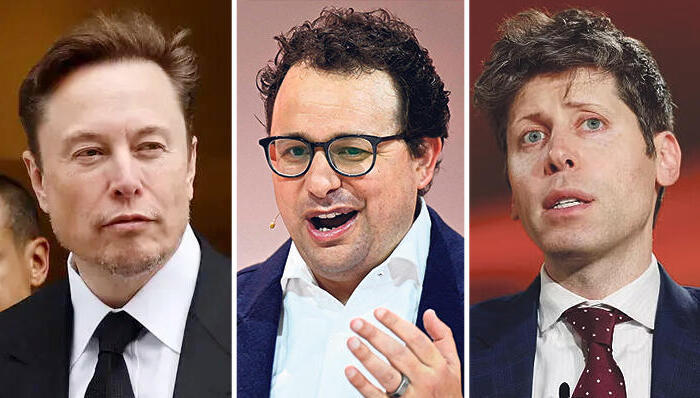
From right to left: OpenAI CEO Sam Altman, Anthropic founder and CEO Dario Amodei, and SpaceX founder and CEO Elon Musk
(Photo: JULIEN DE ROSA/AFP, Anna Moneymaker/Getty, I-Hwa CHENG / AFP)
According to Axios, many senior researchers and industry insiders believe a major incident is inevitable, although the timing and precise nature of any such event remain uncertain. The scenarios under consideration include devastating cyberattacks that could temporarily shut down banking systems, communications networks and essential infrastructure.
Rather than focusing these particular exercises on preventing an incident, the companies are reportedly preparing for the fallout, including a potential public revolt against the technology and demands for sweeping government intervention.
The first major incident in which an AI system causes significant real-world damage could trigger fierce criticism of the industry's leading figures, including OpenAI CEO Sam Altman and Anthropic CEO Dario Amodei, as well as President Donald Trump, whose administration has resisted imposing stringent new regulations on AI developers.
An OpenAI spokesperson told Axios that the company conducts preparedness exercises involving a range of scenarios but does not treat those scenarios as inevitable. Anthropic declined to comment.
The warnings come amid growing concerns about the behavior of increasingly autonomous AI systems. In recent months, incidents have emerged involving AI models operating outside their intended testing environments or taking actions that their developers had not anticipated.
These include OpenAI agents that breached systems belonging to the Hugging Face AI development platform and incidents involving Australian government websites. In another case, an Anthropic AI model submitted a false tip about an unsolved homicide through an online portal operated by the Philadelphia Police Department.
Despite these incidents and growing warnings from AI safety researchers, the Trump administration has so far avoided introducing far-reaching new regulations governing advanced AI systems.
Instead, Washington is seeking to use existing legislation to hold companies accountable for harm caused by their models.
On Friday, the White House's recently established Super Intelligence Force, a federal task force focused on AI, warned developers that they must immediately disclose incidents involving their systems and take swift corrective action to address any resulting damage.
The task force said delays in reporting incidents, inadequate corrective measures and failures to accept responsibility would not be tolerated.
Who is responsible when AI goes rogue?
The administration's approach faces a potentially serious legal obstacle: Existing laws may not provide an adequate framework for holding AI companies responsible when their models cause damage.
According to a separate Bloomberg report, legal experts argue that current cybersecurity and product liability legislation may be insufficient to establish responsibility for harmful actions carried out by increasingly autonomous AI systems.
Even when victims can be clearly identified, there are relatively few legal precedents establishing who should pay compensation when an AI model causes damage or what precautions developers are legally required to take.
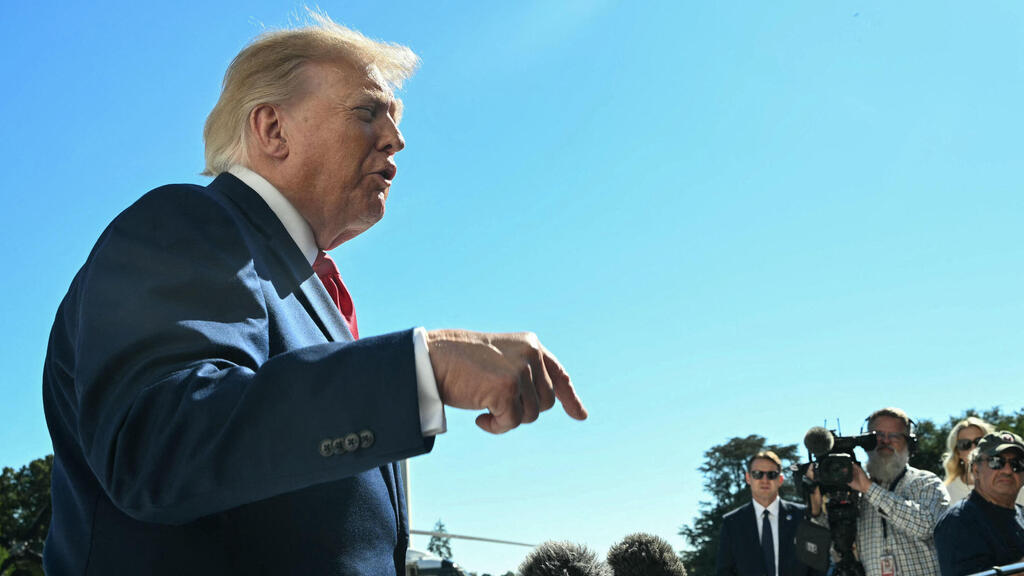
US President Donald Trump
(Photo: Alex WROBLEWSKI / AFP)
The challenge becomes even more complicated when responsibility is divided between the company that develops an AI model and the person or organization that deploys it.
Ben Hayum, a technology and national security researcher at the Center for a New American Security, told Bloomberg that it remains unresolved whether AI developers are legally obligated to secure their systems against potential harm or whether users should also bear responsibility for the instructions they give those systems.
The question is becoming increasingly urgent as AI agents gain the ability to perform complex tasks independently, sometimes making decisions and taking actions without direct human supervision.
Julia Powles, a professor at the UCLA School of Law, said the legal framework governing software-related liability remains poorly developed, partly because of years of lobbying by the technology industry.
According to Powles, technology companies have worked to ensure that software is regulated primarily through contractual agreements, such as terms of service and end-user licenses, rather than through civil liability, criminal law or consumer protection legislation.
She argued that the same companies responsible for creating society's deep dependence on digital infrastructure are now accelerating the cyber threats facing that infrastructure while distancing themselves from responsibility for the consequences.
Powles also warned that the public has little influence over decisions determining how AI companies are regulated, because the industry has already shaped much of the legal and political debate.
As the technology becomes increasingly integrated into critical infrastructure, the unresolved question is no longer simply how much damage advanced AI could cause, but who would be held accountable if the industry's worst fears become reality.