

Meta is stepping up its global AI push and officially bringing its personal assistant, Meta AI, to Israel. The service, now available in Hebrew for the first time, can be accessed through Meta’s dedicated AI platform, the desktop and mobile site meta.ai and, most significantly, directly inside WhatsApp.
The launch marks a new stage in Meta’s effort to establish what it calls “personal superintelligence,” while using the enormous user base of its social media platforms. Meta also allows users to connect external apps such as Gmail and Outlook.
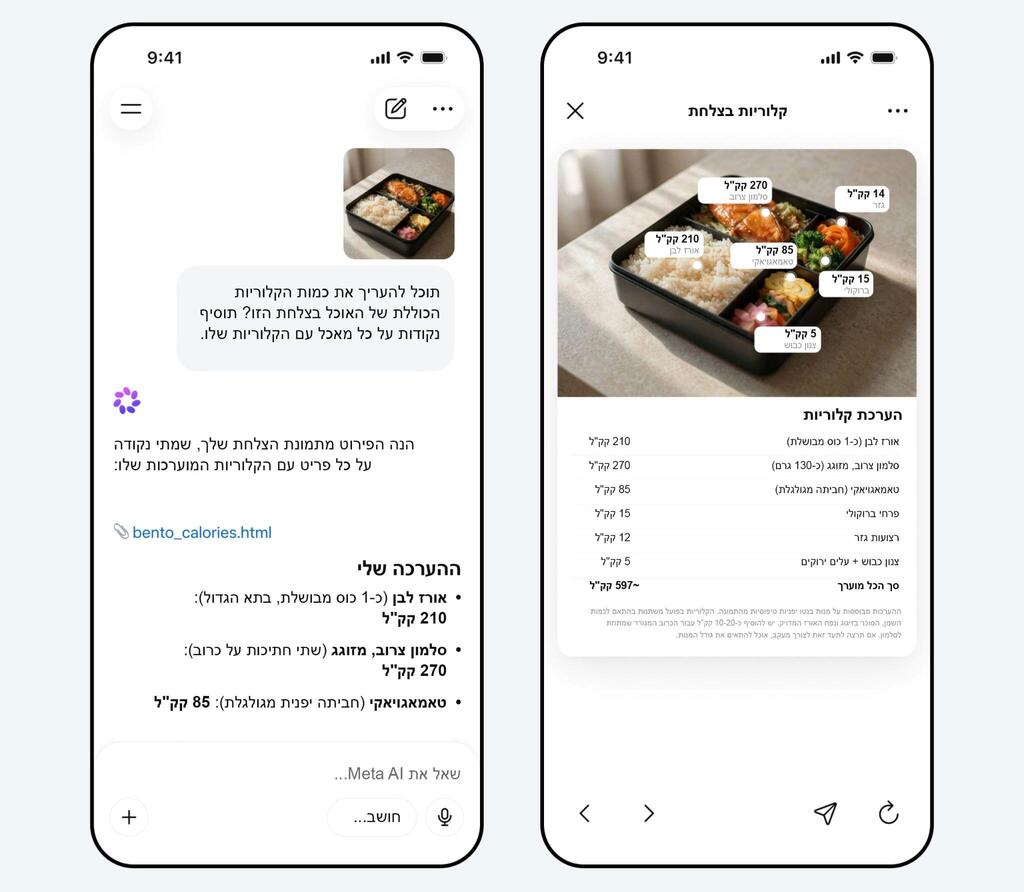
At the core of the assistant is Muse Spark, Meta’s first multimodal reasoning model. Like rivals Gemini and ChatGPT, Meta AI can process visual and textual information at the same time and solve complex reasoning tasks in areas such as science and mathematics.
Israeli users can now hold conversations in natural Hebrew, edit and generate images and videos from text, and send photos, such as the contents of a refrigerator or a screenshot from a conversation, to receive real-time analysis and recommendations without leaving the chat app.
The privacy issue
In Israel, Meta’s launch puts it in direct competition with the field’s biggest players. Its main advantage is deep integration across Meta’s ecosystem, but the company’s reputation for pushing deeper into users’ daily lives to support its advertising business could make privacy-conscious users think twice before using the platform.
There is also a difference in how the system analyzes queries. Unlike competitors that rely heavily on scanning links from across the web, Meta AI’s answers are based on analysis of trends, content and community recommendations from Meta’s social networks, including Instagram, Facebook and Threads. For users who trust the content on those platforms, that may make the results more appealing.
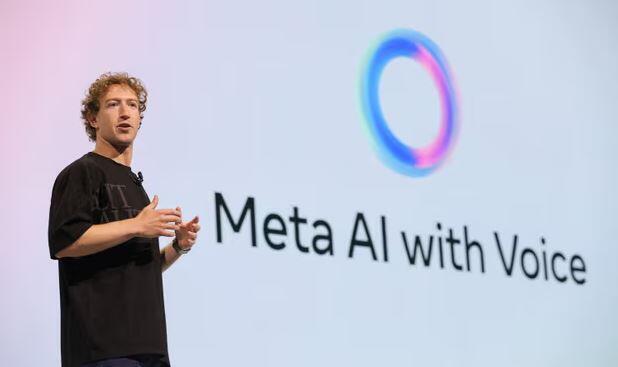
Meta CEO Mark Zuckerberg presenting Meta AI in 2025
(Photo: Reuters)
Meta’s model is designed for broad deployment, with cultural and linguistic adaptation across many countries, including the Israeli market, which is considered especially quick to adopt new technologies.
In the United States and Europe, strict data privacy regulations have at times delayed similar launches, but Meta is now working to expand global access to these tools. In other words, many governments around the world remain cautious about Meta’s activity.
Meta AI is also expected to be particularly useful for people who use, or plan to use, Ray-Ban Meta and Oakley smart glasses, whose capabilities are significantly upgraded by AI. It is still unclear, however, what unique value the assistant will add to other platforms.
For users who want access to AI but are still unsure how to start, making the assistant available through WhatsApp may offer an accessible entry point. Meta’s announcement highlights the platform’s potential, but in Israel it arrives relatively late compared with other major players.
It remains unclear how successfully it can compete with the leading AI services, especially if it does not offer something substantially different or unique.