

Silicon Valley has been trying to engineer our faces for more than a decade, roughly since one of Google’s most notorious flops entered the world: Google Glass, back in 2013. Anyone who remembers that period probably also remembers the public discomfort over cameras constantly recording us in public spaces.
But since then, plenty of bits have flowed through the digital river, and AR/VR technology, which began as a clunky laboratory device and a source of ridicule, has become in 2026 the central battlefield over the most valuable real estate in our bodies: our eyes. The rush for smart glasses is in full swing, and we are on our way to replacing the warm screen in our pocket with two small screens sitting directly in front of our eyeballs.
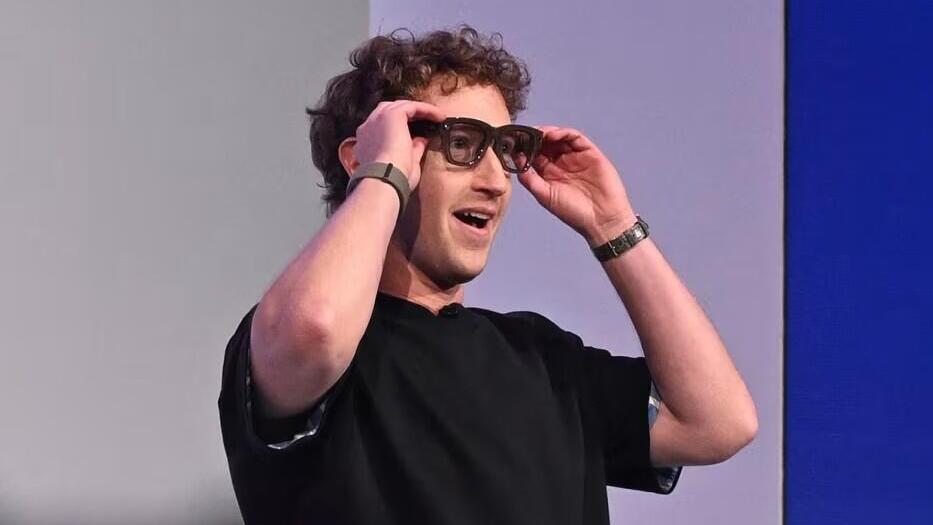
A computer on your face
Yet at a time when most of us say we desperately want to reduce screen time and return to reality, the tech industry is trying to convince us that the best solution is simply to stick the computer to our faces. The original concerns over privacy have not disappeared; they have simply been worn down by the marketing machine.
Today, with the integration of artificial intelligence systems, these glasses do more than just take pictures. They analyze everything we see. They will tell you whether the tree in front of you is a ficus, or whether the animal that crossed the road is a South African meerkat.
Meta currently leads this young market by a wide margin, holding more than 80% of it. In 2025 alone, it managed to sell about 7 million pairs of smart glasses. For comparison, more than 100 million smartwatches and over 1 billion smartphones are sold worldwide each year.
To break through this glass ceiling, Meta launched a cheaper $299 product line that includes built-in cameras, speakers and a voice assistant, but no screen, and even collaborated with Kylie Jenner. A week ago, it expanded its range of partnerships with celebrities and leading fashion figures, unveiling models whose main innovation is a new design.

Kylie Jenner with Meta’s new glasses
(Photo: Meta)
For those who want an actual display inside the lens, prices climb quickly. Meta’s advanced flagship model sells for $799 and comes with a unique neural wristband that allows users to control the interface with finger gestures. Snap, the company behind Snapchat, has pushed the bet to the extreme, launching its Specs glasses at the astronomical price of $2,195. Snap’s glasses are so thick and bulky that it is almost impossible to imagine an ordinary person willingly walking around with them in the street.
At the same time, there are alternatives trying to challenge that extreme. Chinese companies such as TCL and Rokid offer glasses with dual displays based on Qualcomm chips at far more accessible prices, around $600. They do require a connection to an external battery, but they integrate navigation and real-time translation without demanding a second mortgage.
Other companies, such as China’s XREAL, have split the computing into a separate device that powers the glasses and also supplies the necessary electricity, allowing them to reduce the glasses’ weight to one-sixth that of an average virtual reality headset.

Snap’s smart glasses
(Photo: SNAP)
Meta’s dominance faces a test
Meta’s near-total control will be tested in the coming months. Google, trying to erase the trauma of the past, is returning for a second round together with Samsung. The two have developed a dedicated open operating system for smart glasses and are teaming up with well-known eyewear makers such as Warby Parker and Gentle Monster to launch new models this fall.
The strategy is clear: If they cannot beat Meta on aesthetics, they will try to beat it through integration with Android systems and Google’s artificial intelligence. In the background, of course, looms the shadow of Apple, which is reportedly accelerating development of its own smart glasses, though the timeline for bringing them to market remains unclear.
The biggest problem for this category remains the same as it was in Steve Jobs’ day: It is still not clear why, exactly, we need this. Design should define what a product does, not only how it looks. Snap’s CEO says the glasses are intended for live translation, navigation and shared augmented reality computing experiences, but for that to work, your friends also need to be wearing such a device on their heads.
The future, it seems, will not belong to one product that fits everyone, but to a split into thousands of consumer niches. Some will choose audio-only glasses to get rid of earbuds, influencers will buy camera glasses for the partners who film them, and field technicians will use heavy, sophisticated glasses to display digital diagrams in real time.
It took smartphones many years to get through their awkward adolescence, but the computers we wear on our faces will have to evolve at record speed. They must become light, fashionable and almost invisible. Otherwise, they will remain exactly what they are today: an expensive gadget searching for a purpose.