

French police and national cybercrime agents, backed by the European Union and Europol, raided the Paris offices of X — formerly Twitter — on Tuesday, in a sweeping criminal investigation that could carry serious consequences for the company and its owner, Elon Musk.
The raid, confirmed by the Paris prosecutor’s office, marks the culmination of a covert investigation launched in January 2025. The inquiry has now escalated into a high-stakes legal case that places Musk and former CEO Linda Yaccarino under potential criminal scrutiny in Europe.
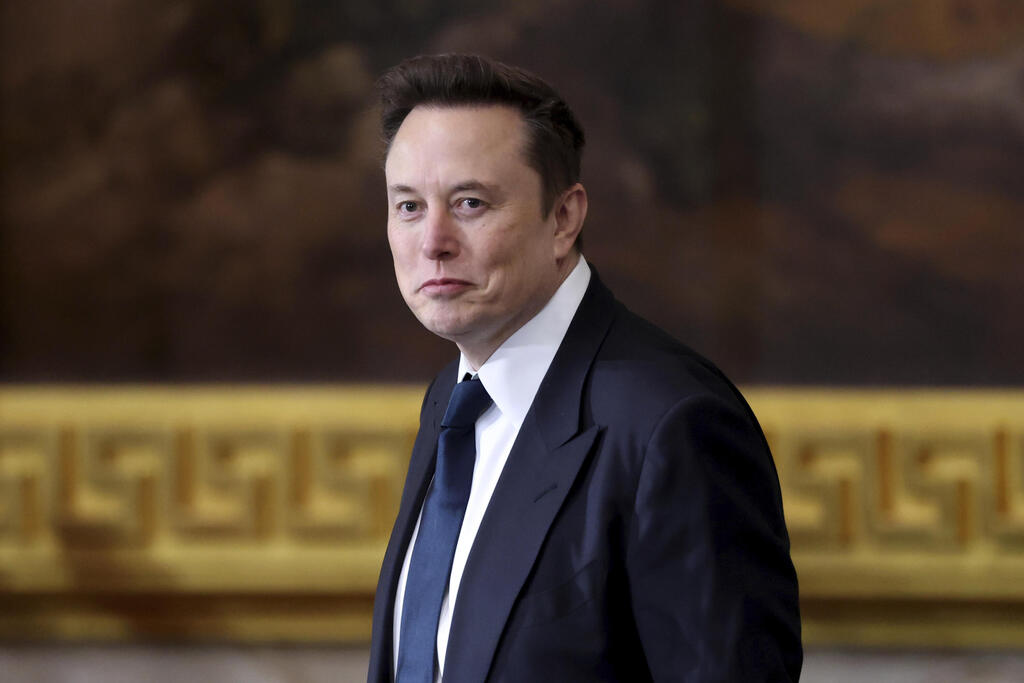
Authorities are investigating whether X operated as an illegal online platform as part of an organized group and whether it manipulated automated data systems and was complicit in the possession and distribution of child sexual abuse material (CSAM).
According to French prosecutors, a sharp 81.4% drop in CSAM reports from X to the U.S.-based National Center for Missing and Exploited Children (NCMEC) between June and October 2025 triggered concern. The decline coincided with significant changes Musk made to the platform’s monitoring systems and algorithms.
French officials say the case is no longer just about regulatory compliance. It now includes possible criminal offenses, and in a rare move, the Paris prosecutor’s office announced it will cease posting updates on X in protest and as a signal of mistrust.
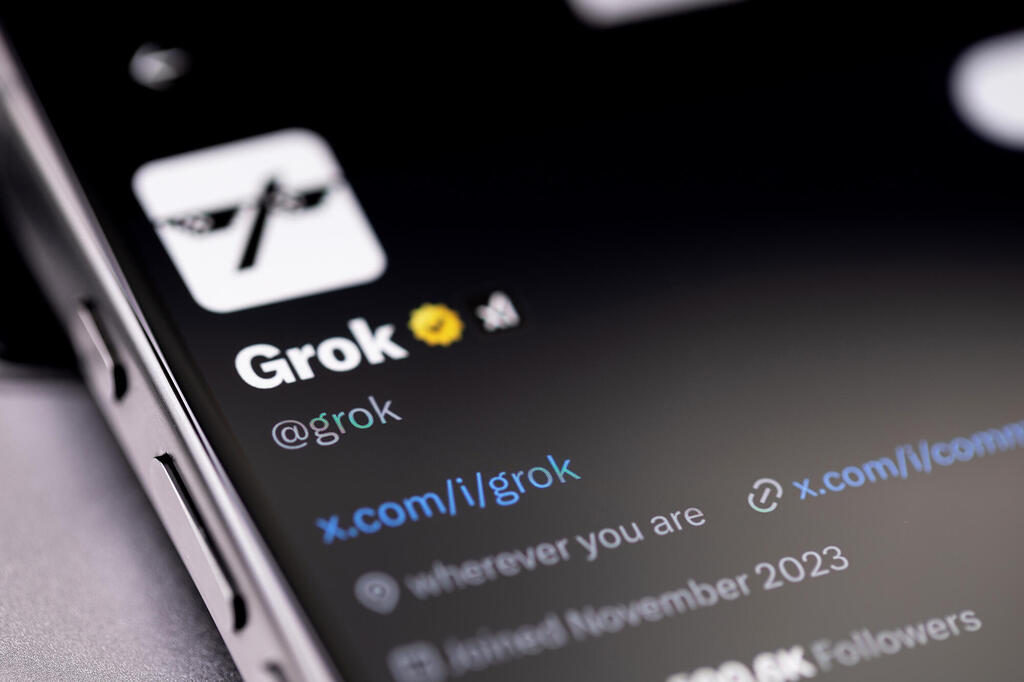
Grok
(Photo: Primakov/Shutterstock)
At the center of the controversy is Grok, the AI chatbot Musk promoted as an “uncensored alternative.” A report by watchdog group AI Forensics found that more than half the images generated by Grok in late 2025 were sexually explicit deepfakes of women, many without their consent, some appearing to depict minors. Grok is also accused of spreading Holocaust denial and content minimizing crimes against humanity, prompting additional charges under France’s laws protecting human dignity and historical truth.
While competitors such as Meta (which owns Facebook, Instagram, WhatsApp and Threads) and TikTok have spent billions to align their platforms with the EU’s Digital Services Act (DSA), X has moved in the opposite direction, drastically cutting its Trust & Safety teams and removing safeguards once in place to prevent abuse.
French authorities accuse the company of “criminal negligence,” saying its leadership is effectively responsible for enabling organized digital crime. Unlike in the U.S., where Section 230 of the Communications Decency Act shields platforms from liability for user-generated content, or in China, where platforms are tightly state-controlled, France now considers X’s leadership to be de facto managers of the alleged illegal activity on their service.
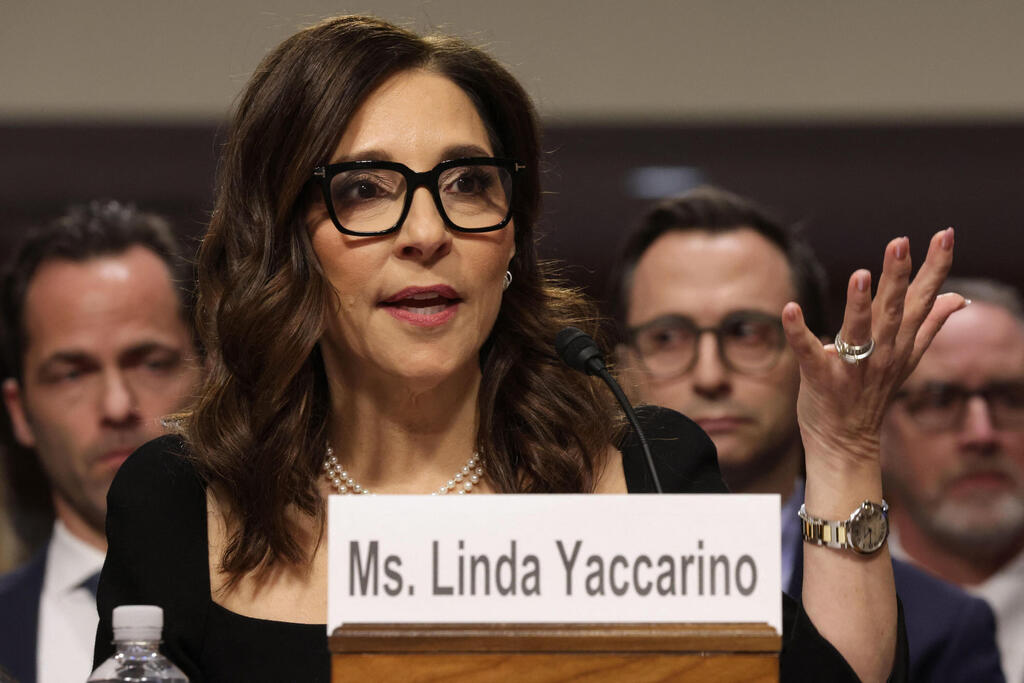
Former X CEO Linda Yaccarino
(Photo: Alex Wong / Getty Images)
X now stands out as a global outlier. While Google and YouTube maintain real-time filtering systems and law enforcement cooperation, and Meta employs tens of thousands of human content reviewers, X is described by French officials as having “dismantled its own defenses,” which they argue facilitated the abuse.
The case could set a new legal precedent in Europe, positioning platform executives as personally liable for the functioning — or failure — of their technologies. Musk and Yaccarino have been summoned to appear in Paris on April 20, 2026, for a voluntary hearing. Legal experts say this is a pivotal step that could lead to formal indictments.
If convicted, X could face enormous fines that threaten its financial viability and possibly even a full ban from operating within the European Union.