

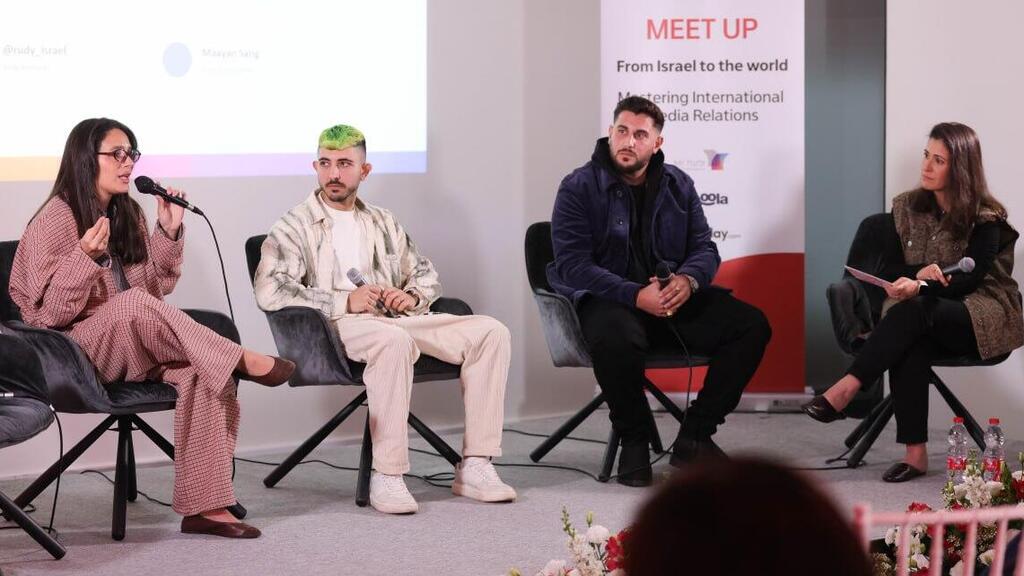
Short-form video has become the native language of young audiences, with creators saying teens spot “fake” content instantly. A generation that consumes content visually, rapidly and almost constantly is forcing brands, platforms and creators to reassess what influence actually means.
During the ynet Global meet up, at a panel moderated by Maayan Sarig, head of communications at Meta Israel, three creators, Or Elkayam, Moriya Ben Harush and Rudy Rochman, described how teenagers ages 13 to 18 and young adults 18 to 25 are reshaping the rules of attention, trust and responsibility online.
Gallery
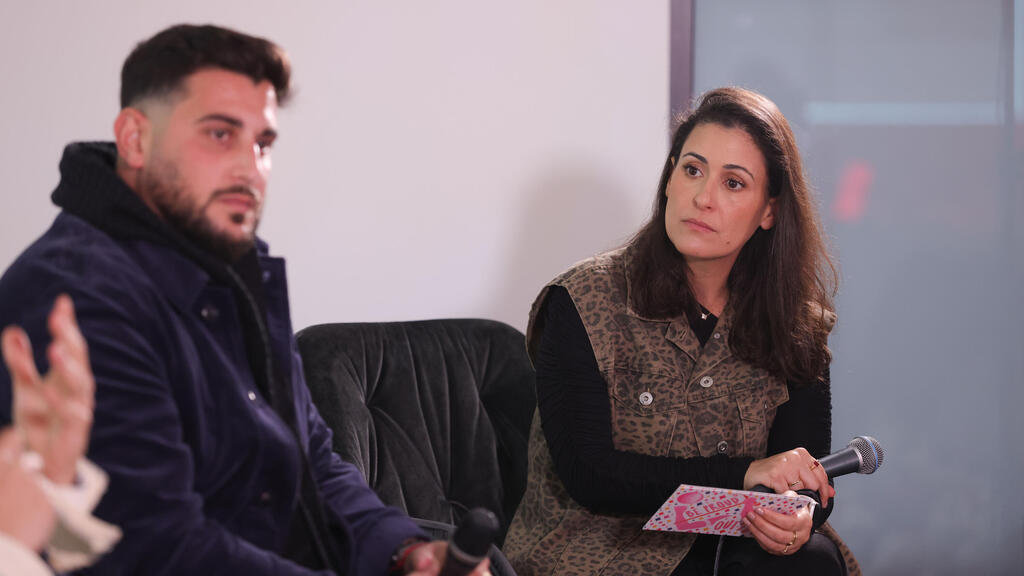
Maayan Sarig, head of communications at Meta Israel and Content creator Rudy Rochman
(Photo: Oz Mualem)
Sarig opened with what she called the most up-to-date data available: 94% of young people consume digital content daily. The figure surprised even her. “I thought: only 94%? What did the other 6% do?” she said. She argued that visual-first platforms and short-form video dominate because they align with how young audiences process information, quickly, tightly and in formats that blur the line between static image and video. Reels, she said, is not just a feature but a language brought forward by younger users.
Three creators, one common denominator: trust
Sarig introduced Elkayam as a cross-platform creator with more than 20 million followers and part of Meta’s global “Creators of Tomorrow” list. Ben Harush, she said, built a loyal following through humor, style and highly relatable storytelling. Rochman focuses on advocacy and Jewish identity, compressing complex topics into the unforgiving format of social media. Together, they reflected a broader shift: younger audiences no longer separate entertainment, identity and information. All appear in the same feed and are judged by the same standard, authenticity.
‘We grew up watching you’
Elkayam began creating content during the COVID-19 lockdowns while living at home with his mother, posting comedic videos while holding a regular job. When restrictions eased, the online persona followed him offline. “You leave the house after the pandemic and suddenly people recognize you,” he recalled. What began as playful content evolved into a public identity, including his signature green hair, a look he said followers encouraged and which later became part of his brand.
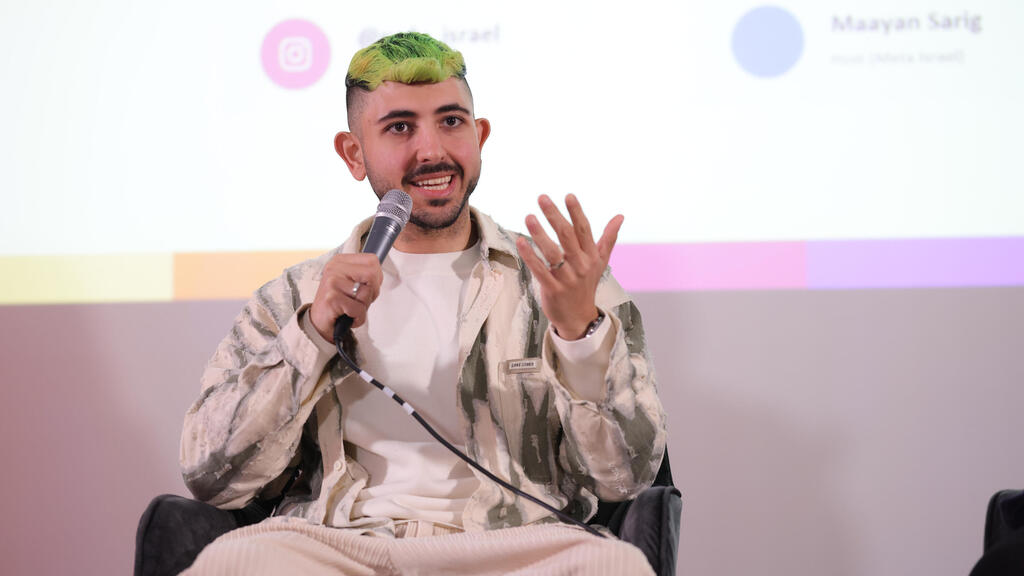
Or Elkayam, the green hair became part of his brand
(Photo: Oz Mualem)
Over time, his relationship with followers matured. Fans who watched him as teenagers now approach him at events, some asking him to propose to their girlfriends. Others have followed him through marriage and fatherhood. “Now some of them tell me, ‘We grew up watching you,’” he said, describing a base that ages alongside the creator and must be continually renewed.

Moriya Ben Harush, built a loyal following through humor, style and highly relatable storytelling
(Photo: Oz Mualem)
Ben Harush described young audiences as “the future” and the group that currently defines social media culture. Her work, she said, seeks to bridge the speed and constant innovation of platforms with what she called older values of simplicity and home. In a fast-scrolling environment, she aims to create moments that slow users down and reconnect them to something grounded.
Elkayam added that younger viewers often draw in older ones. “They’re a sharp connection to the older audience, the parents,” he said, noting that parents frequently consume what their children watch.
Advocacy in the short-form era
For Rochman, young audiences are not only influential but decisive in shaping future public opinion. He described growing up in London and experiencing antisemitism, later witnessing the rise of anti-Israel activism on university campuses, which he called incubators for future leaders in politics, law, business and medicine.
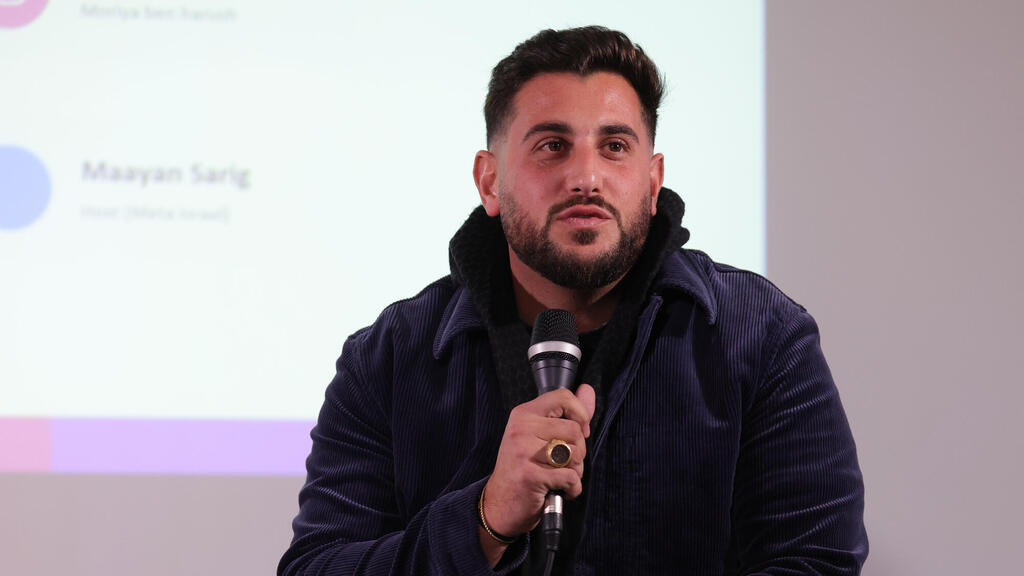
Rudy Rochman; 'Younger generations care about human stories that make the world a better place"
(Photo: Oz Mualem)
He argued that traditional Israeli advocacy has often emphasized achievements such as technological innovation and the “startup nation” narrative. Younger generations, he said, assess issues differently. “Older generations care about facts and accomplishments,” Rochman said. “Younger generations care about human stories that make the world a better place.” To reach them, he said, messaging must address identity, belonging and moral meaning, and it must be delivered in the cultural language young people use online.
Authenticity as a survival skill
Sarig said young users are especially adept at identifying inauthentic content. Elkayam agreed, citing campaigns that felt mismatched between brand and influencer. In such cases, he said, backlash can be swift and spill over into future partnerships. The lesson, he said, is that young audiences connect the dots quickly and that trust is fragile.
Ben Harush said emotion is now the minimum requirement for engagement. “You can’t fool them,” she said. “If you don’t activate emotion, they’ll scroll.” That emotion can take many forms, anger, humor, tears, excitement or identification. But without it, she said, there is no reason to pause. After years marked by collective stress and uncertainty, she added, many young users seek connection and relief rather than overt marketing. Meaning must come first, she said, with commercial messaging introduced only after trust and identification are established.
Creator trust and the ‘70% problem’
Sarig cited internal data showing users say they trust creators significantly more than brands, by nearly 70%. Ben Harush said that trust remains powerful but has been tested, pushing creators to refine their message and clarify their purpose. The central questions, she said, are simple: What is my message, and what do I bring to this platform?
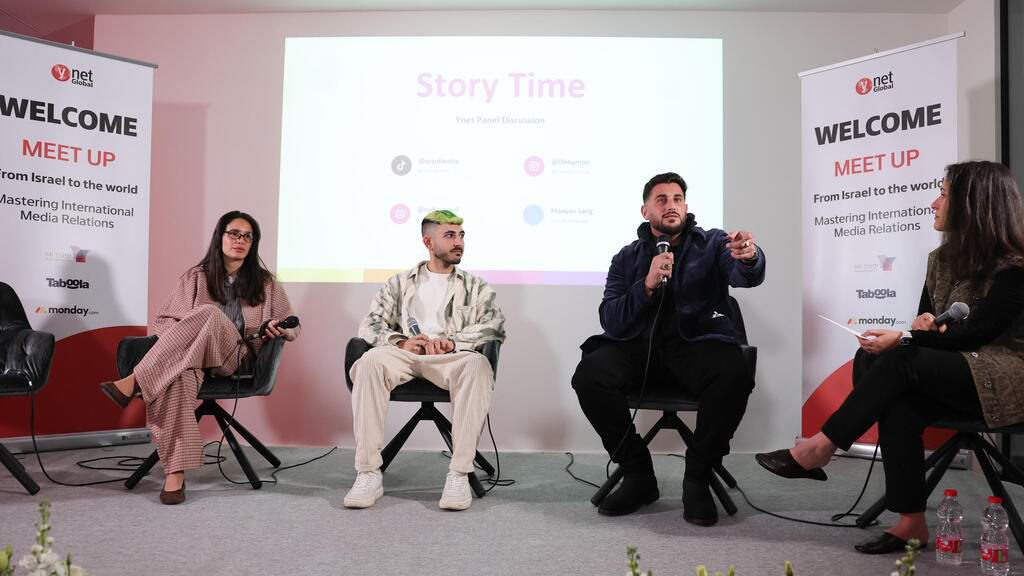
The Meta panel at ynet Global Meetup; 'If you don’t activate emotion, they’ll scroll.'
(Photo: Oz Mualem)
Audience loyalty today, she argued, is built not by reach alone but by community. “I bought my community,” she said, clarifying that she earned it over time. “They’re with me. We have dialogue. We’re a community together.”
When influence moves offline
The discussion concluded with the question of responsibility. How do platforms and creators engage young users without exposing them to harm?
Sarig outlined safety measures Meta has implemented for teens, including default private settings for younger users and content restrictions for ages 13 to 18 aligned with standards comparable to cinema ratings.
Elkayam said he did not initially grasp the extent of his influence over how teenagers interpret online behavior, including hate. After dyeing his hair green, he received intense backlash. While he said he could manage it, he realized a 13-year-old might not. In one case, he traveled to Jerusalem to support a girl facing severe harassment. After he posted about the incident, he said, school officials intervened quickly and the situation was resolved. He added that responsibility also includes what creators choose not to normalize, such as smoking or drinking. “In the end,” he said, “you need personal example.”
Across humor, lifestyle and advocacy, the panelists agreed on one point: young audiences live inside the feed, but they do not suspend judgment. They demand platform-native storytelling, emotional authenticity and cultural fluency, and they penalize missteps instantly. In that environment, influence is no longer measured solely by virality. It is measured by what follows, whether trust deepens, community forms and responsibility keeps pace with reach.
First published: 10:01, 02.16.26