

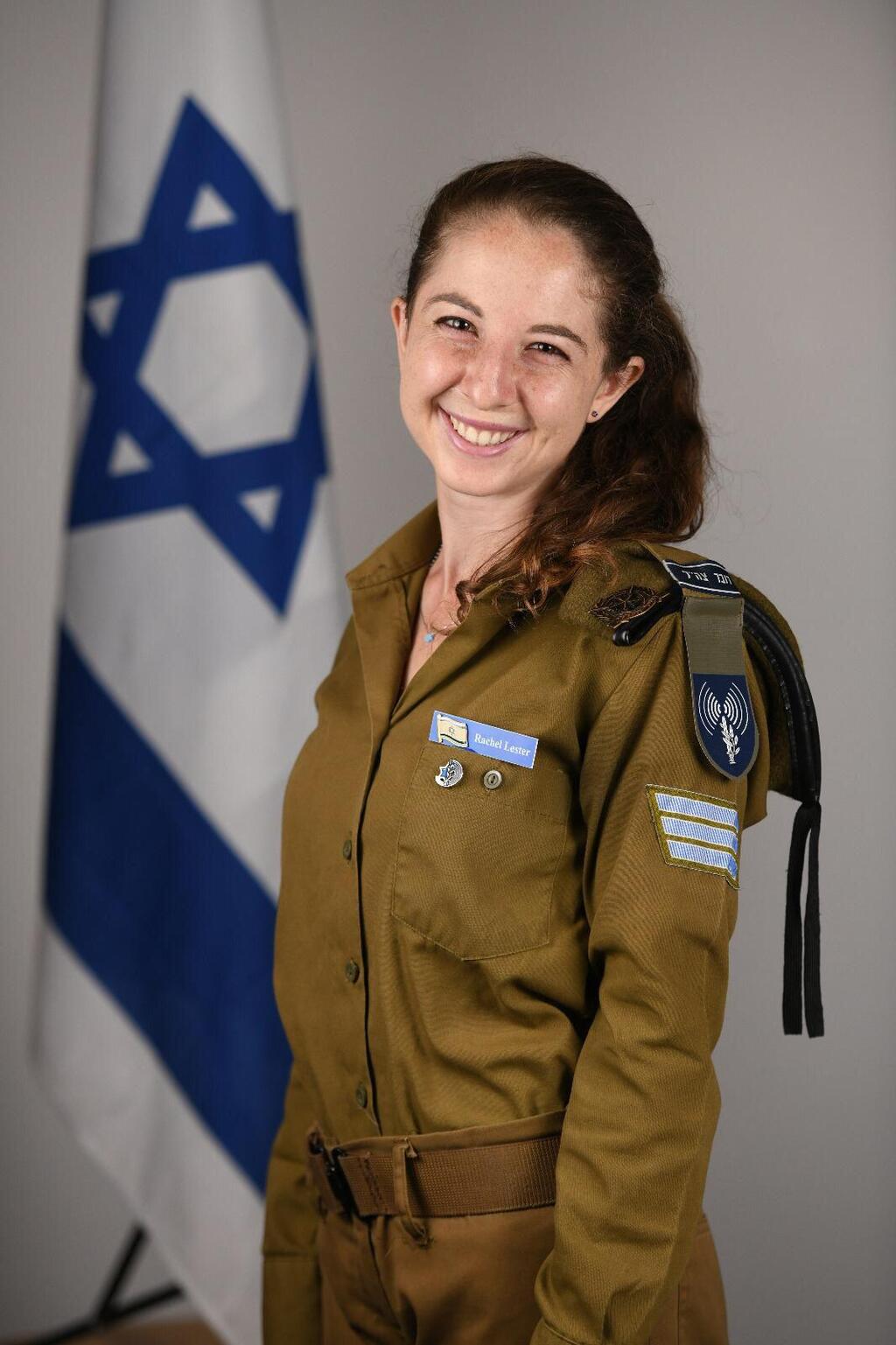
Former IDF spokeswoman Rachel Lester did not set out to become a voice in Israel’s online battle for public opinion.
Raised in Los Angeles in a strongly Zionist home and community, Lester said she first encountered deep hostility toward Israel only after leaving for college. The experience changed her plans. A video editor by training, she moved to Israel, enlisted in the IDF Spokesperson’s Unit’s international team and stayed for four years.
Rachel Lester interview
(Video: Alex Burtman)


“I never really knew that there were people that hated Israel in the world until I went off to college,” she told ynet Global in an interview.
She said discovering the hostility directed toward Israel and toward people she knew who served in the Israeli military gave her a sense of purpose. “I felt like I had a mission to spread the truth to the world about the IDF and about Israel,” she said.
A video editor by profession, Lester moved to Israel and joined the international division of the Israel Defense Forces Spokesperson’s Unit after graduating from college. “I thought I would go to Israel for two years, come back to LA and live my life in LA, but I ended up staying in the army for four years,” she said.
Following the Hamas-led Oct. 7 attack and her subsequent reserve duty, she said she came to view the online information sphere as equally important to the fighting itself. “I understood more than ever how much this battlefield, the online battlefield, is so important, just as important as the war on the ground,” she said.
That experience eventually led her to write a book, Digital Warrior.
Independent voices versus official messaging
Having worked both inside the IDF's official communications apparatus and later as an independent creator, Lester said private voices have advantages official institutions do not. “I think that what regular content creators can do is condemn the things that need to be condemned,” she said.
She argued that independent voices gain credibility when they criticize inappropriate actions by Israelis. “For example, when the IDF soldier smashed the statue of Jesus in Lebanon,” she said. “Terrible things like that. I think that regular content creators can really build a lot of credibility by showing that they're on the right side of the issue by condemning what Israelis have done.”
Lester also said Israel's official public diplomacy system lacks diversity. “There's so many people that live in Israel who are Arab, who are black, who are young and those people aren't represented in the typical hasbara ecosystem,” she said, using the Hebrew term for public diplomacy.
According to Lester, independent creators from those communities can present “Israel in a much more diverse, accurate light.”
Writing for American Jews
Lester said she initially wrote Digital Warrior to preserve her own experiences. “I wanted to have a record of my experiences fighting the social media battle after October 7 in reserves because it was a crazy time,” she said.
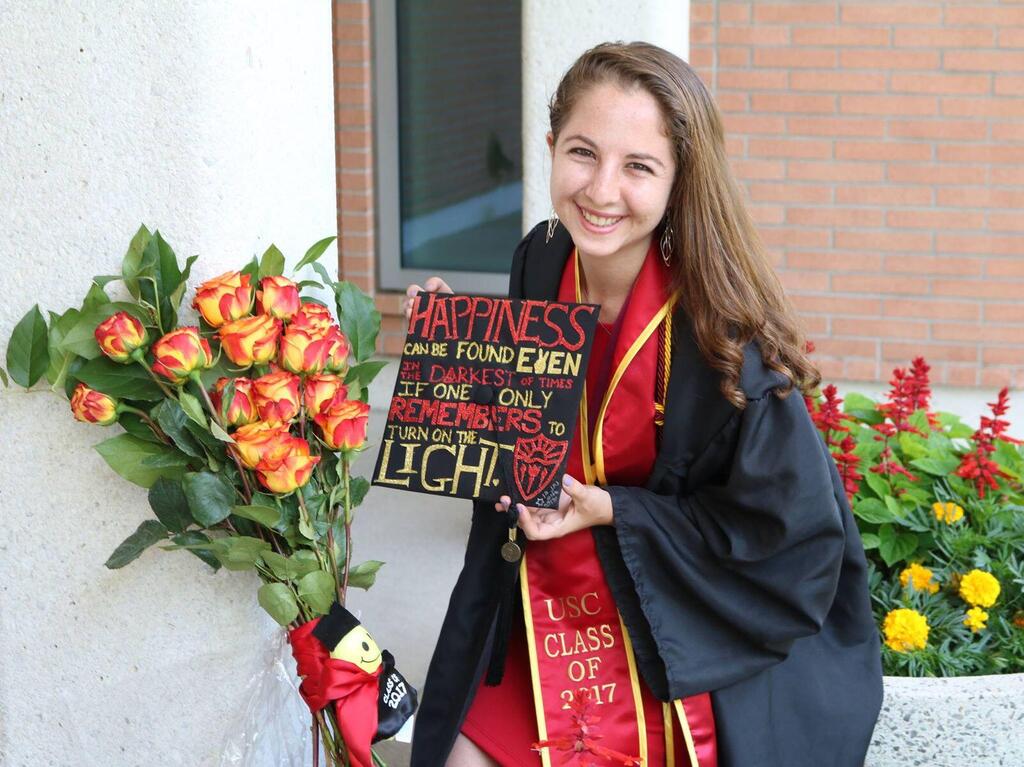
Rachel Lester
(Photo: Courtesy)
But she said the book is aimed primarily at American Jews and other supporters of Israel abroad. “I wrote this book for American Jews who are diaspora Jews who really want to understand the behind-the-scenes of this battle of the narratives,” she said.
Lester said she is frequently asked why Israeli public relations appears ineffective. “I think that it's just kind of a misunderstanding of the situation,” she said. “People don't understand the limitations that are placed on these official government bodies and don't understand how hard regular soldiers and people are working to fight the social media battle.”
She said the goal was to give readers “a better understanding” of how information campaigns operate.
‘You really can't fight photos of dead children’
Asked about Israel's difficulties in the battle for public opinion, Lester said the greatest challenge is emotional imagery from Gaza. “The biggest challenge that we face is that you really can't fight photos of dead children,” she said.
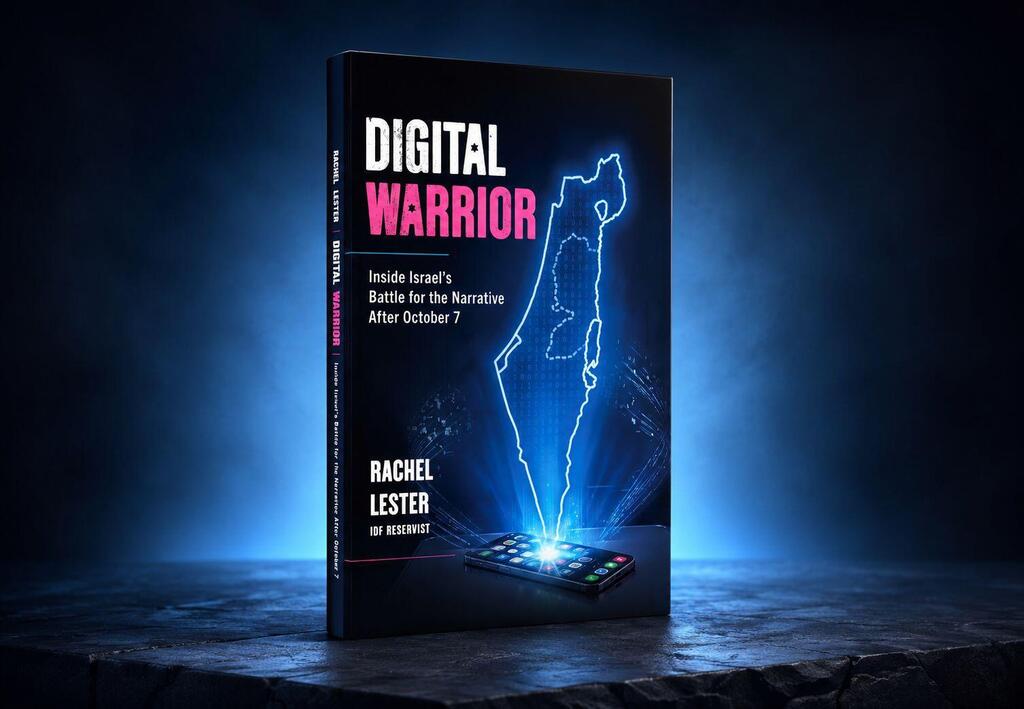
Digital Warrior by Rachel Lester
(Photo: Courtesy)
According to Lester, Hamas seeks to maximize the circulation of such images. “When Hamas fights, they do everything they can in order to maximize the number of photos of dead children in Gaza that go viral on social media,” she said. “There's no way, just by human nature, to convince somebody who's in America that the side that caused the dead children is the right side.”
She argued that Israel often responds with facts while its opponents appeal to emotions. “We're fighting emotions with facts and logic,” she said. “What Israel needs to be able to do is to fight with more emotions.”
Lester said she noticed a contrast in television appearances after Oct. 7. “When Israelis went on the news to talk about October 7, to talk about the hostages, most Israelis were very calm, collected, serious, very tough,” she said. “Most people from Gaza who went on the news were crying.”
“I think that what Israel could do differently is learn to fight the battle of social media with emotions,” she said.