

An app designed to combat violence, boycotts and emotional distress among young people, a remote physical rehabilitation system and an AI-guided automatic tourniquet are just some of the innovations being developed by young Israelis in 2026 as part of the Unistream program.
Ahead of the organization’s Entrepreneur of the Year competition, teens from Julis in northern Israel to Segev Shalom in the Negev are sharing the projects they have been working on.
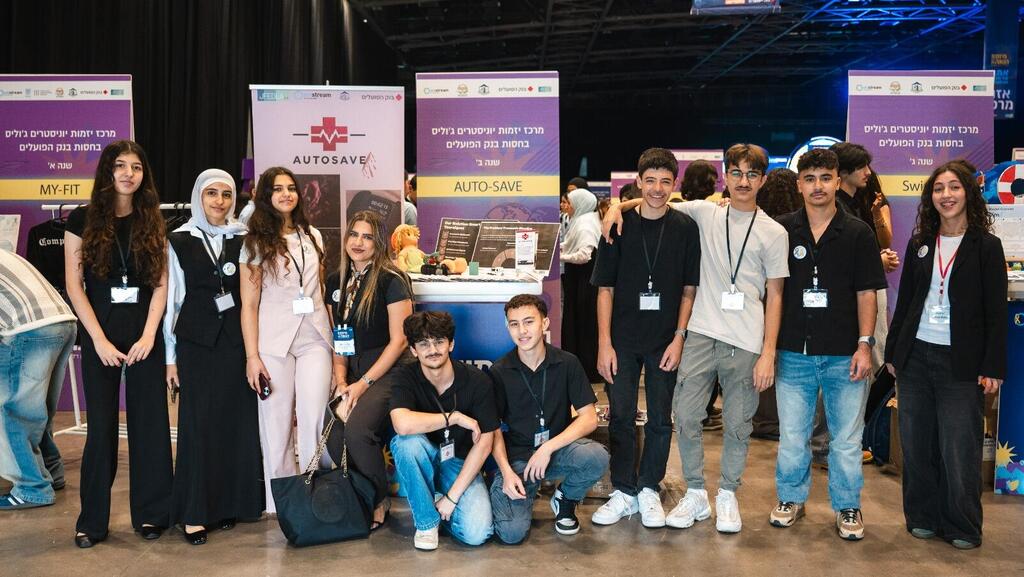
As summer vacation begins against the backdrop of the ongoing war and the challenges Israeli society has faced for so long, thousands of teenage boys and girls from across the country have spent the past year developing startups that address some of the country’s most pressing social issues, including youth violence and boycotts, mental health, security, senior citizens, rehabilitation and more.
The teens are participants in Unistream, a nonprofit that trains thousands of young people each year from Israel’s geographic and social periphery, across all sectors, in business, technology and social entrepreneurship. The organization gives them a real opportunity and an equal starting point for success in life. Participants work throughout the year and later continue into the nonprofit’s alumni program, which accompanies and supports them throughout their careers.
The young entrepreneurs will compete with about 100 youth-led ventures from some 80 communities across Israel and from all sectors of society on July 1, as part of Unistream’s Entrepreneur of the Year competition, named in memory of Ted and Hedy Orden and their family.
The winning venture will receive a significant grant to continue its development. The winners will be chosen by a judging panel made up of hundreds of senior figures from Israel’s business sector.
So what has been occupying Israeli teens lately? A look at the ventures they are developing says quite a lot.
Thirteen teenage boys and girls from Unistream’s entrepreneurship center at the Amal Begin multidisciplinary school in Safed initiated and developed an app called Safe Zone. The AI-based app is intended for teens and aims to help prevent some of the most acute problems facing young people today: violence, social boycotts and bullying, while also offering emotional support.
The young developers decided to take an active role in preventing boycotts and bullying, and in helping peers their own age cope emotionally. The system enables anonymous, safe and accessible conversations for children dealing with social exclusion, bullying, loneliness, anxiety and emotional distress. Using artificial intelligence, it identifies signs of distress and provides a personalized response in real time.
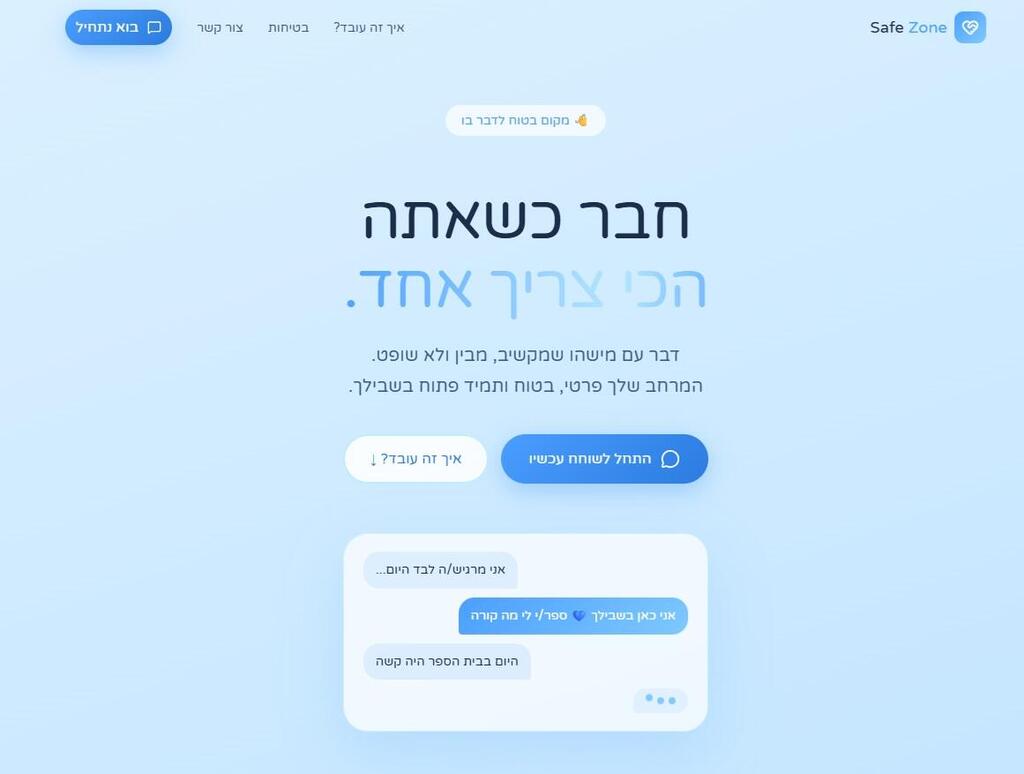
Screenshot from the Safed teens’ app
(Photo: Courtesy of Unistream)
“The app is based on artificial intelligence and provides emotional support for children and teens,” said Shoham Avital, a participant at the Unistream Amal Safed center and a member of the teen development group. “Our goal is to provide a response for those dealing with social anxiety, bullying, loneliness or mental distress, and to provide a place for those who simply need someone to listen to them.”
“The goal is for young people to enter the app anonymously and be able to talk with artificial intelligence or with people who have experienced similar things,” she said. “Sometimes it is hard for teens to turn to their parents or go to a psychologist and tell them everything. This platform gives them a more comfortable and safe space to unload.”
“I believe this venture can help significantly,” Avital added. “Beyond the technology, we created a supportive community that gives children a safe place to share, without requiring them to leave the protected space of their own room. This project was born out of the desire to act in a reality where children face invisible difficulties. No matter how many smiles a child shows on the outside, they may feel completely different inside. The app can suit everyone, but our main target audience is middle and high school students — the most complex years, when teenagers need this support more than ever.”
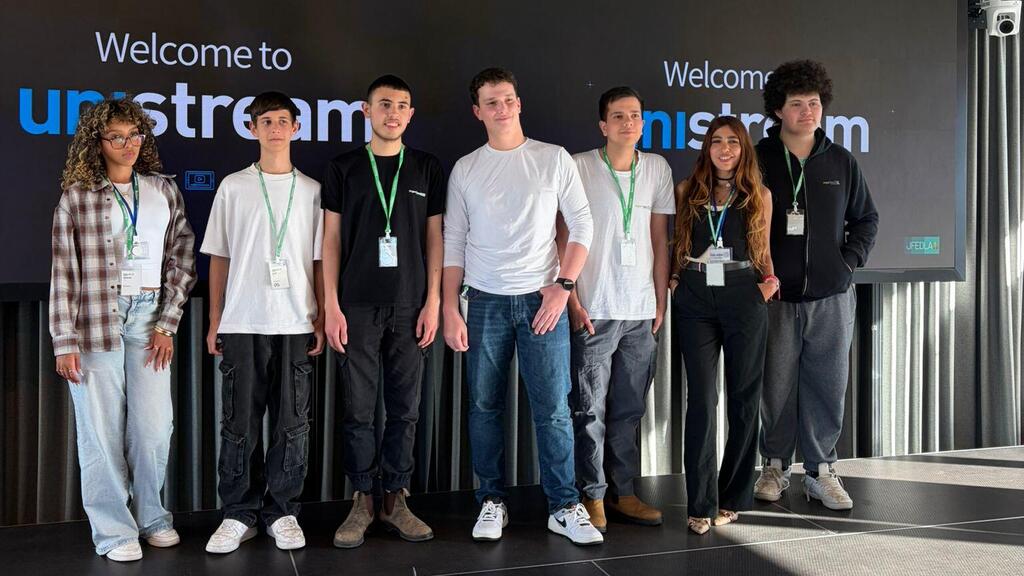
The teens from Safed
(Photo: Courtesy of Unistream)
A group of teens from Unistream’s entrepreneurship center in Segev Shalom, in the Bedouin diaspora, decided to take part in the national effort and contribute to a field that has become increasingly essential in Israel in recent years: rehabilitation.
The teens are developing an app and website that allow patients to undergo physical rehabilitation remotely. Such a tool could help many people who live in remote areas and are unable to travel daily to distant rehabilitation centers.
“We are developing a smart AI-based app for bone rehabilitation and physiotherapy, with the goal of solving the difficulty faced by patients after surgery in traveling to clinics, the high costs of rehabilitation centers and the challenge doctors face in tracking patient compliance at home — something that delays recovery,” the teens said.
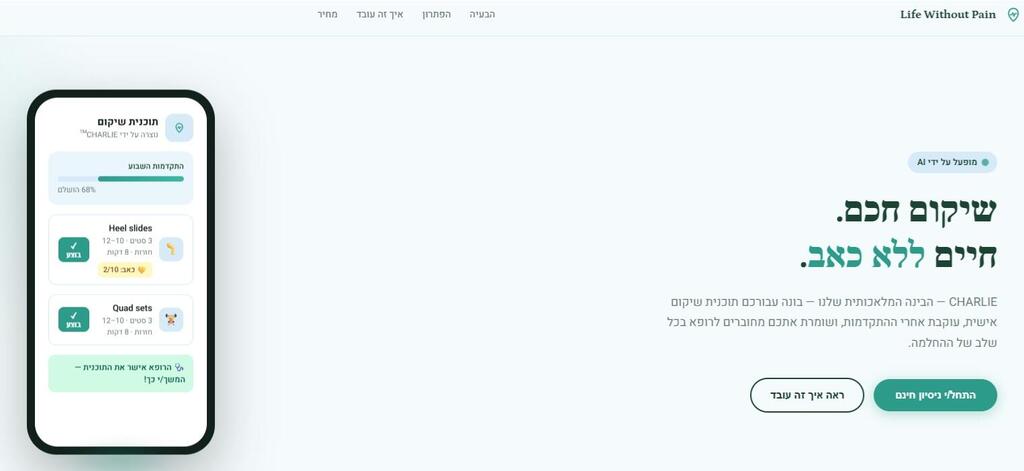
Screenshot from the Segev Shalom rehabilitation app
(Photo: Courtesy of Unistream)
“Our app uses artificial intelligence to read the patient’s medical reports, create a personalized exercise plan and provide smart monitoring to safely correct the patient’s movements at home. The doctor approves the plan only if it is 100% suitable for the patient,” they said.
“The development is intended for patients who need rehabilitation, and for doctors and hospitals to conduct remote monitoring through precise reports. The added value is creating a constant connection between doctor and patient for faster recovery, saving time, costs and the burden on families, as well as supporting many languages for global use,” they added.
Affifa Abed, Hedil Atalla and Mirena Ziran, all 17, from Unistream’s entrepreneurship center in Julis, sponsored by Bank Hapoalim, are developing a groundbreaking startup: a smart automatic tourniquet called Auto-save.
The device begins working immediately after an injury, automatically applying pressure to the wound to reduce bleeding. It also measures vital signs such as blood pressure, pulse and blood flow, which are displayed on a dedicated screen. In addition, it sends the injured person’s location by GPS to rescue forces such as the police, the Israel Defense Forces or Magen David Adom so they can arrive quickly.
The device also includes a recording system, similar to a black box, allowing the injured person to describe what happened and helping medical teams understand the situation more quickly. Its advantage is that it independently determines the appropriate amount of pressure for the injury — not too much and not too little.
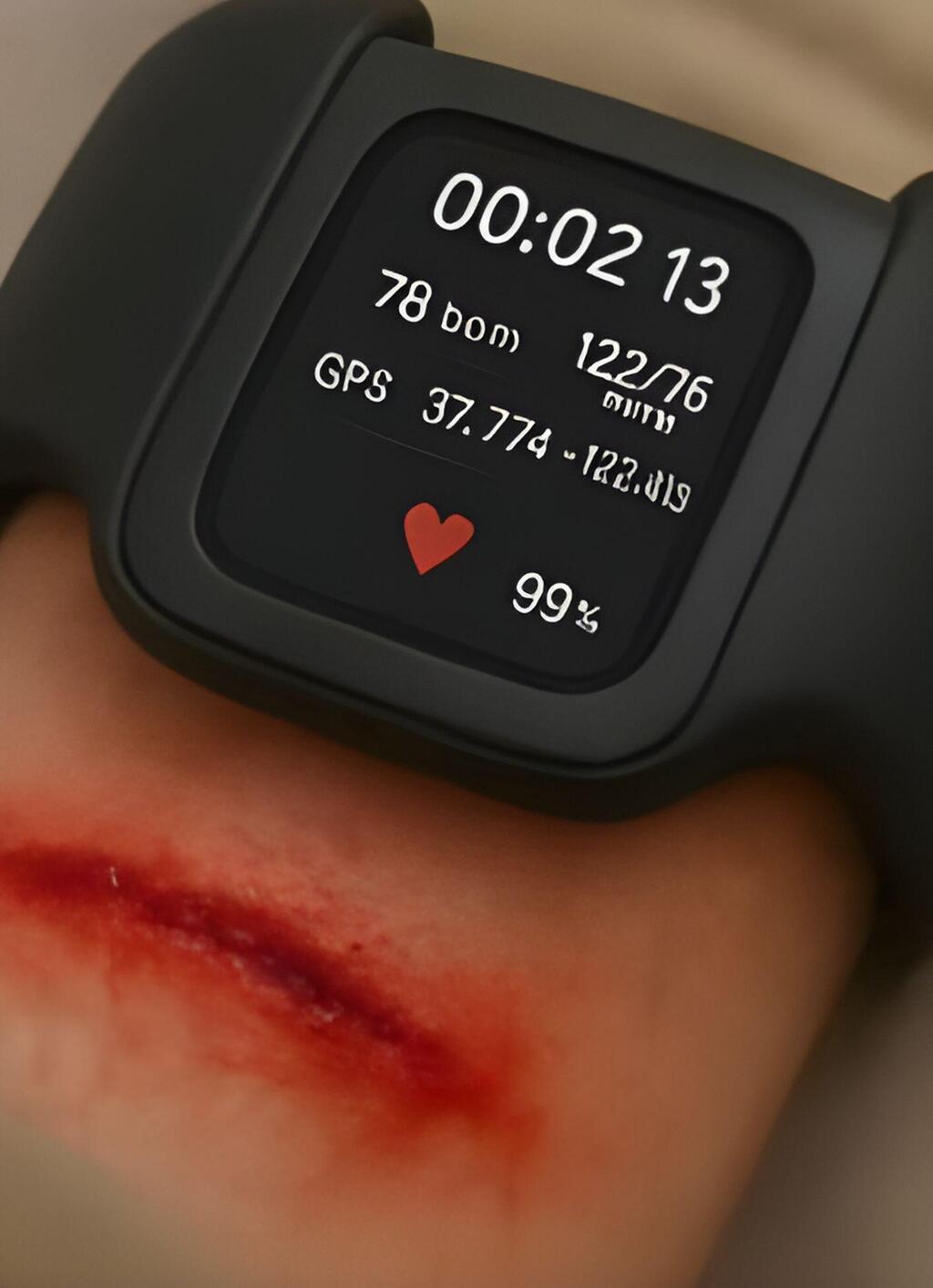
Prototype of the automatic tourniquet
(Photo: Courtesy of Unistream)
“The main idea is that the injured person is not left alone waiting, but receives smart and immediate care until help arrives, turning the dangerous time between injury and rescue into life-saving time,” the teens said.
They said the idea began with a human story that deeply affected them: the story of Druze Border Police fighter Yosef Madhat, who was wounded in 2000 while at Joseph’s Tomb in Nablus and remained trapped for a long time before help reached him. The problem was the critical time lost before treatment was given and the bleeding was stopped.
“Twenty-three years later, on October 7, innocent people who were simply celebrating life found themselves alone and bleeding, unable to get help. That is when we understood that we had to act to change this,” they said.
“We know that our automatic tourniquet can and will change reality and save many lives. It is intended for mass events, hospitals, hikers, residential buildings, the IDF and more. Another feature that will be installed in it is a recording of the incident so it can be studied if needed. We have an advanced prototype, and we very much hope to continue development despite the war and the difficult situation, and to succeed. Ran Bronstein, entrepreneur and founder of Simbionix, is our mentor and is helping us greatly,” they said.
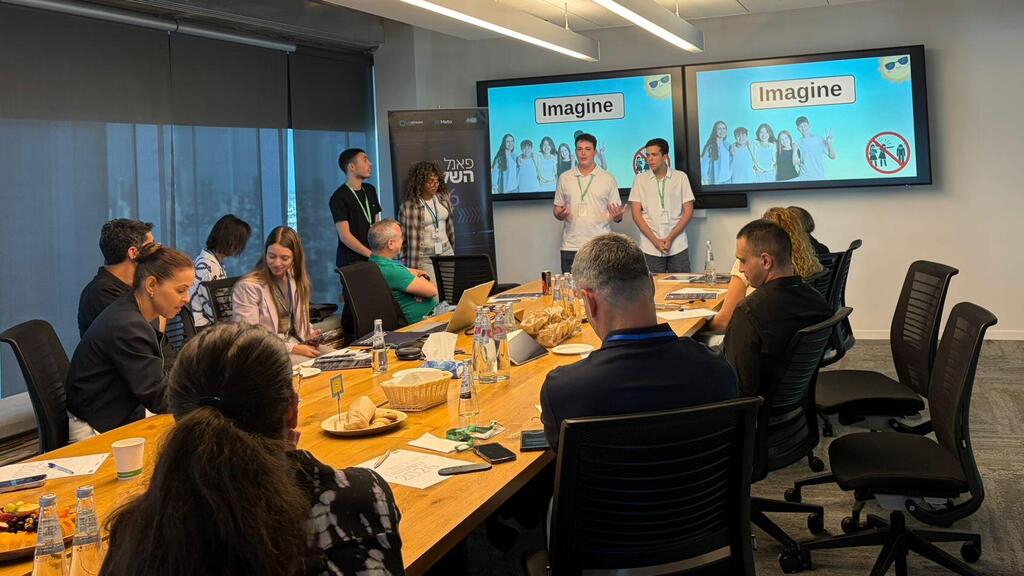
The teens from Safed at an investment panel
(Photo: Courtesy of Unistream)
Ifat Bechor, CEO of Unistream, said years of prolonged wars have also led Israeli teens to think creatively, bring their own value and take an active role in the national effort.
“We see this at Unistream today more than ever — entrepreneurship allows boys and girls to rebuild their resilience and restore a sense of control and hope to their lives,” Bechor said.
“The competition that the teens from Julis, Safed and Segev Shalom, along with many others from all over the country, are preparing for, and the continuation of our work despite this complex period, allow young people to experience entrepreneurship in the most authentic way and, through that, increase their sense of self-confidence,” she said. “Investing in the next generation of entrepreneurial leadership will continue to strengthen Israeli society through entrepreneurship, openness and tolerance toward others, and by taking responsibility for the future.”