

As they approach the era of artificial general intelligence (AGI) — systems expected to be smarter and more capable than humans — AI giants continue their search for moral, ethical and even religious legitimacy.
After one of Anthropic's founders, Chris Olah, was invited by Pope Leo XIV to help formulate an encyclical on humanity in the age of AI — a major doctrinal letter sent to Catholic churches worldwide — OpenAI appears to have found a moral authority of its own: veteran Jewish senator Bernie Sanders.
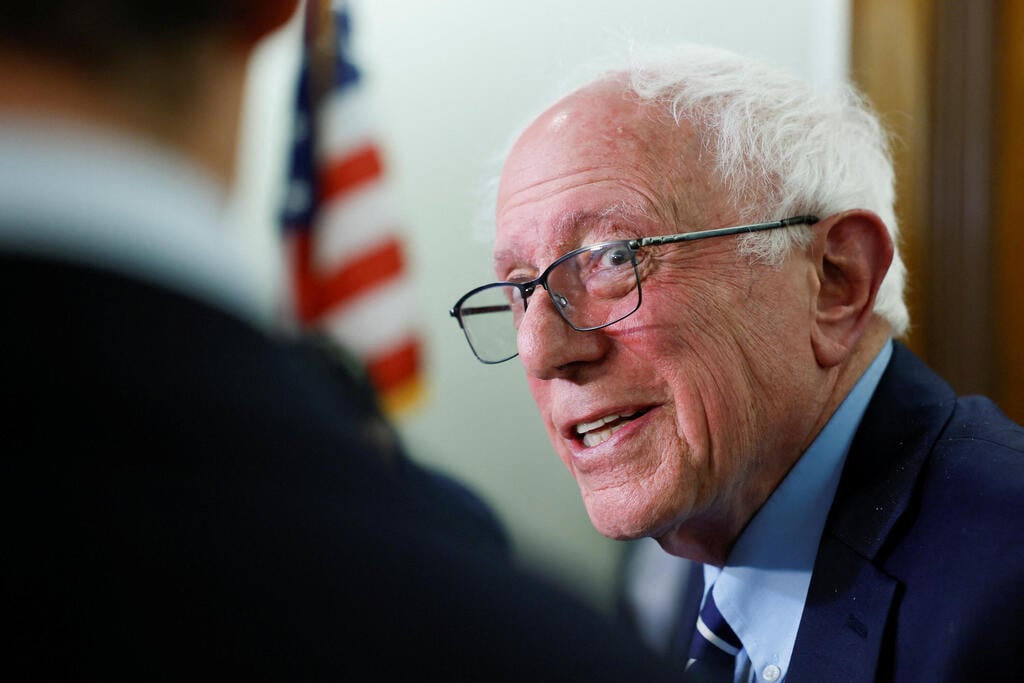
Silicon Valley's search for morality
OpenAI CEO Sam Altman, who is also Jewish, requested a meeting with Sanders after the senator announced plans to introduce legislation under which the federal government would receive a 50% ownership stake in independent AI laboratories, effectively placing them under public control. The meeting took place on Wednesday, and Sanders confirmed in an interview with CNN that Altman had requested it.
Altman, who has been quoted over the years as saying that "AI will most likely lead to the end of the world, but in the meantime there will be great companies created with serious machine learning," and that "my job is to help people destroy jobs," now appears to be seeking the reputational benefits of an association with Sanders, who is widely viewed in the United States as a symbol of personal integrity.
As early as March 2023, Altman — then seeking to project social responsibility while OpenAI faced criticism over the rapid pace of its development efforts — met with Pope Francis. Their discussion focused on the ethical implications of AI and the need for regulation to protect society's most vulnerable groups.
The trend is striking: despite Silicon Valley's largely secular culture, technology leaders are increasingly turning to moral, religious and philosophical authorities in an effort to obtain ethical validation. Executives at AI companies recognize that growing concerns over job displacement, privacy violations and even existential risks are making it harder to secure public legitimacy.
For example, Google has established numerous advisory panels over the years composed of academics and public intellectuals. According to The New York Times, the company recruited Luciano Floridi, a leading expert in information ethics from University of Oxford, to serve on its AI ethics board, which was later dissolved amid internal disagreements.
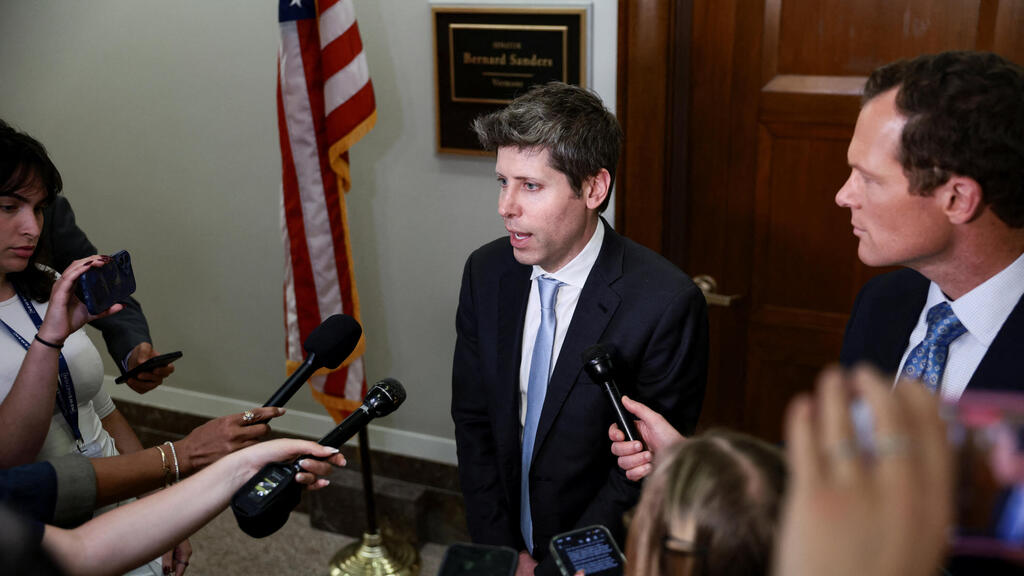
Sam Altman answers reporters' questions after meeting with Bernie Sanders
(Photo: Reuters)
According to reports in Wired, prominent Silicon Valley researchers and entrepreneurs have also engaged in lengthy discussions with Dalai Lama over the years. These conversations explored existential questions, including whether machines can possess compassion and how algorithms might be designed to reduce human suffering. For many technology leaders, simply being associated with a figure who symbolizes compassion and moral authority carries significant reputational value.
AI ethics as a brand
The Pope's invitation to an Anthropic representative reinforces the company's ongoing efforts under CEO Dario Amodei to position itself as the more ethical AI alternative.
As previously reported, the company employs philosopher Amanda Askell, who is responsible for developing the ethical principles and moral framework behind its AI models.
Those principles are compiled in a document known as the "Constitution of Claude," which is continuously updated. To shape the personality of Claude, Anthropic drew on a wide range of sources, including the United Nations Universal Declaration of Human Rights, principles of liberty, equality and security, safety guidelines developed by DeepMind, and a blend of Western and Eastern liberal values. The company has even enlisted a priest to help guide the model's development.
OpenAI, for its part, previously published a policy proposal calling for the creation of a public wealth fund that would ensure every citizen — including those without investments in financial markets — benefits from the economic growth generated by AI.
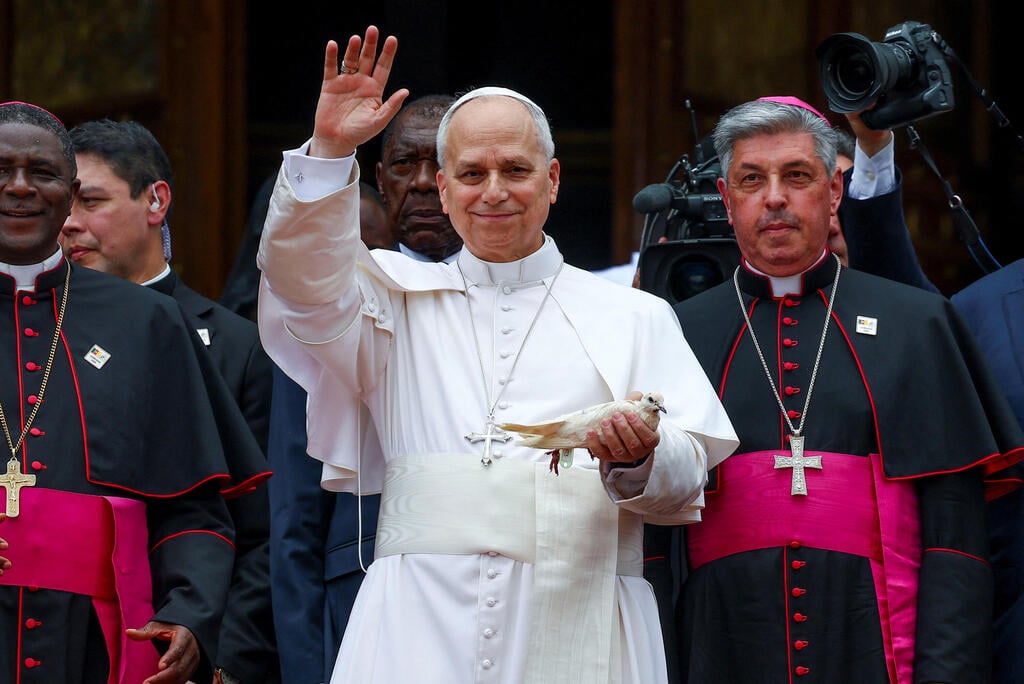
Chris Olah was invited by Pope Leo XIV
(Photo: REUTERS/Guglielmo Mangiapane)
That proposal aligns in some respects with Sanders' legislative vision, which would establish an independent wealth fund financed by AI company profits, although OpenAI's proposal does not advocate government ownership or control.
Analysts who follow Altman and the AI industry argue that OpenAI has a long history of presenting itself as a company committed to doing the right thing, even when its actions suggest otherwise. They contend that Altman can comfortably cultivate his relationship with Sanders because he knows the senator's proposal has little chance of advancing and virtually no chance of becoming law.
On Tuesday, OpenAI published a new policy paper calling for AI models to be required to prepare for potential safety risks. Critics argue that such initiatives allow the company to appear responsive to public concerns while continuing to shape the regulatory agenda behind the scenes.