

A new artificial intelligence system operating at Rambam Health Care Campus analyzes the data of every patient in its emergency departments in real time, suggests possible diagnoses and treatments and identifies complex or unusual cases within seconds.
The system, named Shaked, has been in use at the Haifa hospital for the past six months. According to its developers, it has already shortened the time required to admit patients by one hour and reduced waiting time for specialist consultations in the adult and pediatric emergency departments by 25 minutes.
“This is the first AI system involved at highly important decision-making points in the emergency department,” said Prof. Shahar Shelly, director of Rambam’s Neurology Department and head of the artificial intelligence laboratory at the Technion’s medical faculty, who initiated and developed the system.
“We believe waiting times will be shortened significantly in the near future. The results have already amazed us.”
Artificial intelligence has assumed a growing role in health care in recent years. Hospitals and health funds are developing and adopting systems that analyze medical information, support clinical decisions and assist physicians in treating patients.
At the same time, the health system remains concerned about doctors independently using external AI products such as ChatGPT, Gemini or Claude, which may not operate within secure medical databases or under institutional oversight.
Shaked supports medical teams throughout the emergency-room process, from admission, diagnosis and treatment to the decision to hospitalize or discharge a patient.
The system consolidates each patient’s medical history, compares it with similar cases, receives and analyzes laboratory results and prioritizes imaging examinations such as CT scans in real time for all patients currently in the emergency department.
“The system sends alerts to doctors’ computers about specific patients whose condition could deteriorate within a short period, even when their clinical indicators appeared reasonable during triage,” Shelly said.
It was gum inflammation, not a stroke
Shelly described a recent case in which the system identified severe gum inflammation in a patient whose symptoms initially appeared consistent with a stroke.
“A young woman arrived with neurological symptoms characteristic of a stroke, including paralysis on one side of her face that had developed very rapidly,” he said.
“Because of the suspected stroke, we were preparing to activate the stroke protocol, including an urgent CT scan. Although neither the patient nor the doctor made the connection, the system alerted us that two weeks earlier she had undergone a complex dental procedure that could become complicated, create a localized infection in the jaw and place pressure on the facial nerve.”
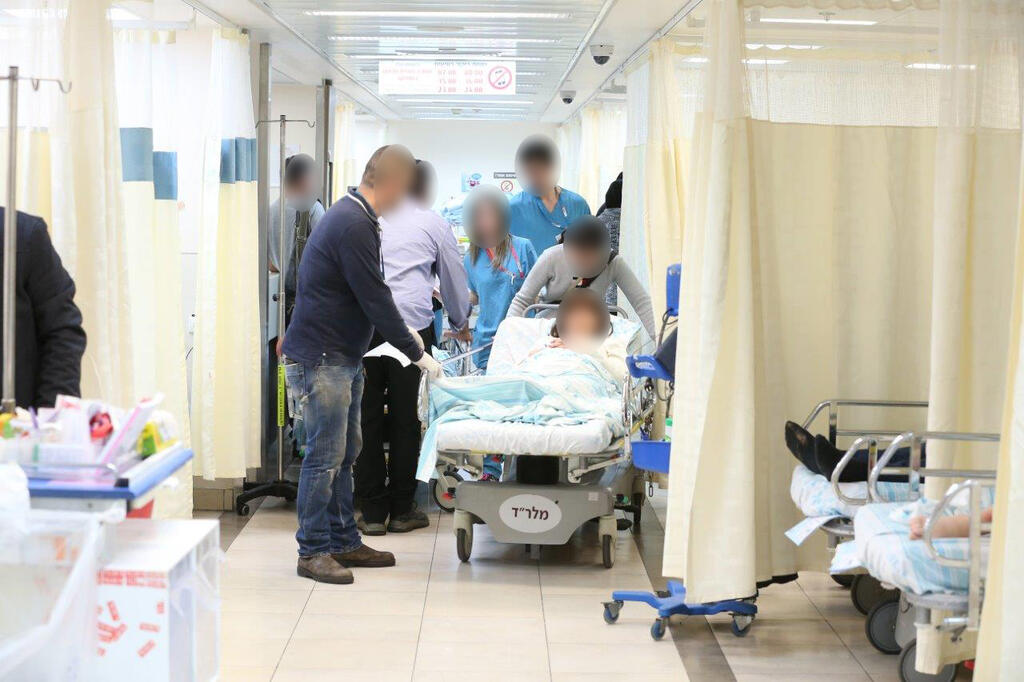
(Photo: Elad Gershgoren)
An oral and maxillofacial specialist was summoned to the emergency department and determined that the woman was suffering from acute gum inflammation rather than a stroke.
Another particularly sensitive case occurred in Rambam’s pediatric emergency department after a 4-month-old girl arrived with a fractured thigh.
“The parents suggested that their 3-year-old child may have fallen on her, but the system retrieved an emergency-room visit from a month earlier involving another injury,” said Dr. Idit Pasternak, director of the pediatric emergency department at Rambam’s Ruth Rappaport Children’s Hospital.
“Analyzing the case and combining the current fracture with the previous injury immediately raised suspicion of child abuse. Without the artificial intelligence, there would certainly have been a consultation with a specialist and a discussion involving the entire team, but in this case the Shaked system raised a red flag over an injury characteristic of abuse.”
Because doctors believed the infant’s life could be at risk, they reported the case to the appropriate authorities without further delay.
A third case involved a 13-year-old boy who complained of muscle pain. According to Pasternak, the system analyzed his blood tests and alerted doctors to the possibility of severe hypokalemia combined with metabolic acidosis, a rare and life-threatening condition caused by an acute potassium deficiency.
“Without immediate treatment, acute heart and respiratory failure can develop within a short time, leading to cardiac arrest and death,” she said. “The system saved valuable time. The doctors immediately confirmed the diagnosis and began lifesaving treatment.”
‘ER lines will become a thing of the past’
Shelly said one of the principal causes of extended emergency-room stays is the wait for medical imaging, which can sometimes last several hours and create a risk of its own.
The system evaluates the patient’s symptoms, medical background, current clinical indicators and laboratory findings, compares them with existing medical literature and then recommends whether imaging is necessary and which cases should receive the highest priority.
Physicians review every recommendation and retain responsibility for the final decision.
“The system identifies specific red flags for conditions such as internal bleeding, stroke, pulmonary embolism and others,” Shelly said. “Such a case will be placed at the top of the list and marked as urgent and requiring immediate action.”
In the near future, the system is also expected to help prepare summaries of findings based on radiological interpretations.
Another tool incorporated into Shaked is a chat interface. Instead of opening dozens of previous patient visits to search for a specific piece of information, a physician can question the system about the patient’s file and medical history.
The tool operates using databases developed over decades within the hospital.
(Photo: shutterstock)
“Our AI does not have to go outside the system to mine information, but relies on the most up-to-date medical databases,” Shelly said. “This makes the teams’ work more efficient in terms of both time and precision.”
“Since we began operating the AI as a quiet adviser in the background, we have spared patients unnecessary CT scans and identified patients who need hospitalization more quickly,” he added.
“The system can refresh medical information in real time and changes with every result that arrives. That level of dynamism is the first of its kind.”
The system was developed with the support of Rambam’s management and through collaboration involving Pasternak, Emergency Department Director Dr. Alexander Strizhevsky, nursing teams and the hospital’s Digital and Information Technologies Division, headed by Hagar Trau, together with hospital developers Adi Ahituv and Keren Miron.
Dr. Michal Mekel, director of Rambam, said the hospital had placed innovation, and particularly the development of artificial intelligence, high on its list of priorities.
“We are allocating extensive resources to provide our patients with the best and most advanced treatment in the world,” she said. “We are entering a new era in medicine.”
“We believe that within a short time, emergency-room lines will become a thing of the past, and we are moving toward a future of precise and rapid medicine that reduces cognitive bias.”
In that future, she said, technology will serve as a lifesaving digital safety net, supporting doctors in their decision-making and freeing them to concentrate on what matters most: their human connection with the patient.