

The 2017 iPhone slowdown case has officially come to an end in Israel after the Tel Aviv District Court approved a settlement Thursday under which Apple will pay a total of 10 million shekels to eligible Israeli customers. The maximum compensation per eligible device will be 1,890 shekels.
The amended settlement, approved by Judge Hadas Ovadia, was filed as part of five requests to certify class-action lawsuits that were consolidated after being submitted against Apple in 2017 and 2018.
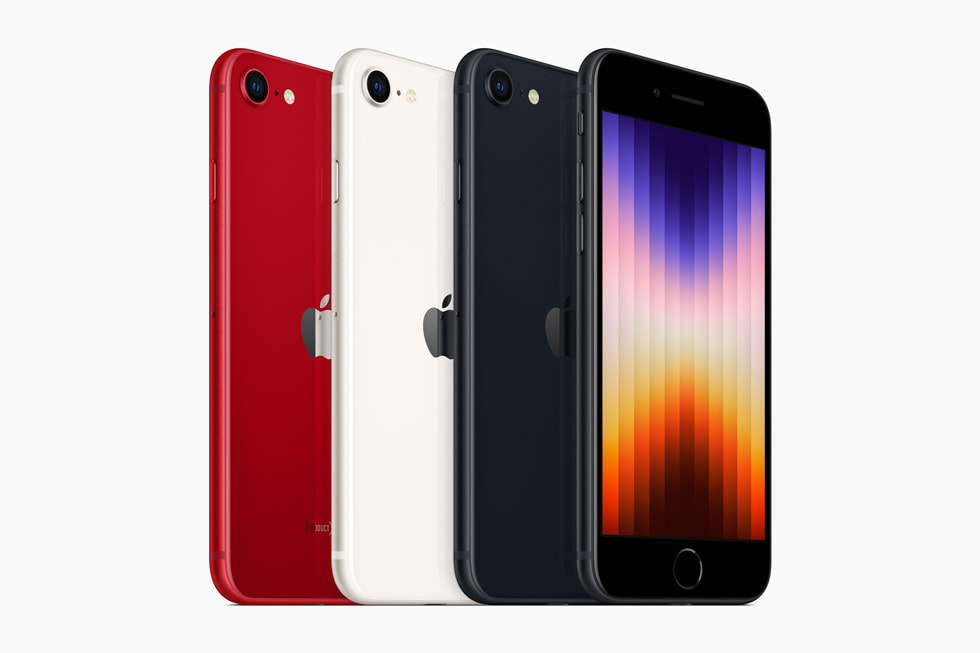
iPhone SE
(Photo: Apple)
The settlement does not constitute an admission of the claims raised in the class-action requests, all of which Apple denied. The judge wrote that “after reviewing the parties’ arguments, I found that the settlement reflects an appropriate, fair and balanced solution.”
Apple was accused nearly nine years ago of slowing certain iPhones through software updates in order to preserve battery life and prevent the devices from unexpectedly shutting down. The company previously allowed customers to replace batteries at a reduced price, but some users said that was not enough.
Users around the world, including in Israel, filed class-action requests against the company. Some cases abroad ended in significant settlements, including a similar class action in the United States that was approved by the federal court for the Northern District of California without any admission or acknowledgment of liability or wrongdoing.
In Israel, the applicants claimed that Apple installed software on some of its devices, through operating system updates, that slowed and disrupted the phones without users’ knowledge.
They also claimed Apple concealed from users that replacing the battery could improve the device’s speed, and alleged that the conduct caused customers to upgrade to newer models.
Apple strongly denied all allegations of wrongdoing and liability. The company argued that it has never done, and would never do, anything to intentionally shorten the life of any product or harm the user experience in order to push customers to upgrade. Apple said its goal has always been to create products customers love and to make iPhones last as long as possible.
The sides eventually reached a settlement after mediation. Under the approved agreement, Apple Inc. will pay a total of 10 million shekels to eligible customers.
An eligible device must meet all three of the following conditions:
The iPhone must be one of the following models: iPhone SE, iPhone 6, iPhone 6 Plus, iPhone 6s, iPhone 6s Plus, iPhone 7 or iPhone 7 Plus.
The device must have had iOS 10.2.1 or iOS 11.2 installed and activated before December 21, 2017.
The device must have been held by someone who selected Israel as their chosen country when registering with Apple systems, regardless of where the device was purchased.
Under the settlement, each class member whose claim is approved by the settlement administrator will be entitled to financial compensation according to the terms of the amended agreement. Those seeking compensation will be required to fill out an online claim form through a designated website.
After submitting their information, class members will receive a notice stating whether they are eligible for personal compensation, ineligible or conditionally eligible pending further review.
Legal fees for all attorneys representing the applicants will total about 2.4 million shekels, while the applicants themselves will receive a total award of 400,000 shekels.
The applicants were represented by attorneys Shaul Tzioni, Simon Elishakov, Yitzhak Aviram, Eyal Goldenberg and Assaf Noy. Apple was represented by Dr. Yoav Astrachan, Adam Shapira and Coral Bar Noy Even of Meitar Law Offices.
Tzioni, one of the attorneys for the applicants, said after the ruling: “I am pleased that the court approved the settlement today, after nine years of a complex and lengthy legal process. The settlement will allow anyone who was harmed to receive financial compensation in a simple and direct way.”