

The Finance Ministry has decided not to allocate hundreds of millions of dollars to compensate over 100,000 Israelis stranded abroad during Operation Rising Lion last June.
"Following discussions, the finance minister decided to oppose the compensation framework," Daniel Schwartz, a representative of the Budget Department at the Finance Ministry, explained. "The transportation minister has the authority to limit compensation to two days only, and she can decide at her discretion."
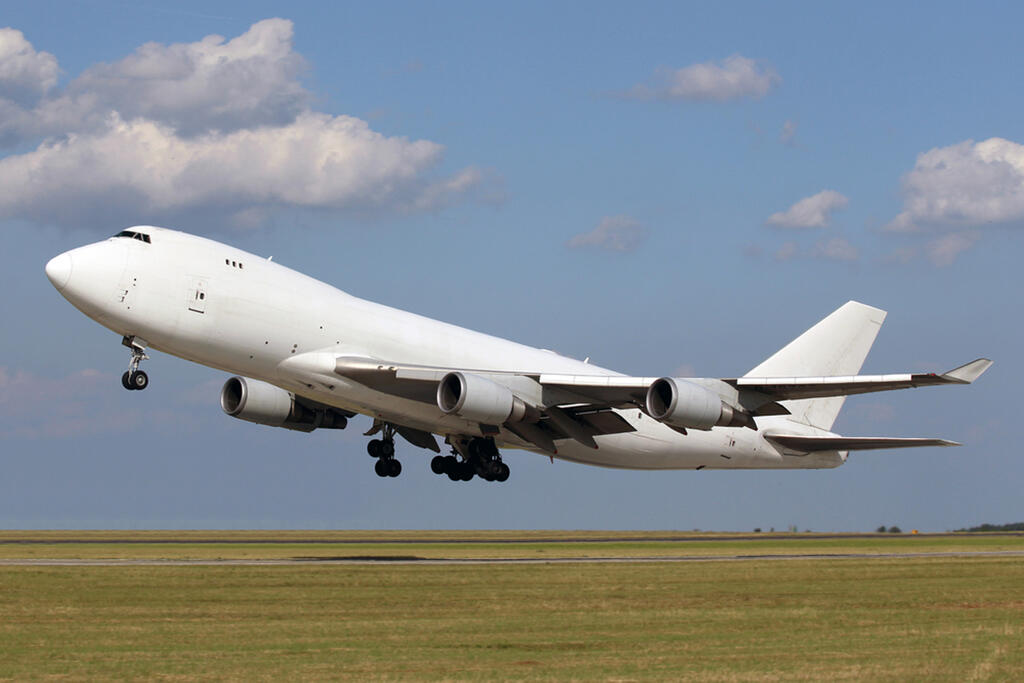
Lawmakers expressed outrage at the decision, noting that flights to Israel were canceled by government order, leaving many travelers to cover the costs of extended stays. Those who managed to book alternative flights often paid exorbitant sums, sometimes two to three times the cost of their original tickets. Some of those who returned did so under emergency orders (Tzav 8) due to the war with Iran.
The dispute between the finance and transportation ministries over who should fund the compensation has been ongoing for some time. This disagreement centers around the Aviation Services Law. Initially, the Transportation Ministry demanded that Israelis stranded abroad receive compensation for at least five days, while the Finance Ministry sought to reduce compensation to two days. According to Ynet's sister publication Calcalist, estimates suggest that each passenger would have received $150 per day, up to a maximum of $750, provided they could prove they were stranded abroad due to the war with Iran.
"Throughout the wartime period, the Finance Ministry worked to support economic activity by formulating broad support frameworks, primarily focused on assistance to businesses and workers," the Finance Ministry said.
"Earlier this year, in 2025, amendments to the Aviation Services Law were approved in the second and third readings. These amendments aimed to regulate compensation for passengers in special circumstances and authorized the transportation minister, with approval from the Knesset, to issue orders dictating compensation by airlines based on the characteristics of the special situation. It is the responsibility of the Transportation Ministry to consider advancing the order in accordance with the law."

Finance Minister Bezalel Smotrich and Transportation Minister Miri Regev
(Photo: Yuval Chen, Alex Kolomoisky)
Sources close to the Transportation Minister Miri Regev blasted the Finance Ministry over the decision. "Just as you knew how to compensate businesses, you should compensate citizens who went on vacation and should not have to pay out of pocket for a military action they had no part in deciding," they said. "The Aviation Services Law is intended for cases where airlines themselves cancel flights, but in this situation, it was the state that closed the skies. The state must compensate the passengers affected. It makes no sense to attempt to pass the financial burden onto airlines, as this could lead to their collapse."
Shmuel Zakai, head of the Israel Airports Authority, said during discussions: "The minister [Miri Regev]'s position is that two days of compensation from airlines is insufficient. In addition to the two days that airlines are required to compensate, the state should fund an additional three days. Without state participation, she does not believe she should sign the order."
Get the Ynetnews app on your smartphone: Google Play: https://bit.ly/4eJ37pE | Apple App Store: https://bit.ly/3ZL7iNv
Uri Sirkis, CEO of Israir Airlines, said: "During the operation, we had to cancel dozens of flights and relocate planes abroad. Every day, we receive lawsuits totaling millions of dollars. We urgently need legislation to protect us, as courts are ruling that we canceled flights, creating an impossible situation. Cynically, there’s even a discussion today about allowing Wizz Air to establish a base here."
Shlomi Zafrani of El Al added, "From discussion to discussion, we continue to pass the issue of stranded passengers around without providing answers or certainty. It’s time to implement solutions. We deserve to leave this with a decision."
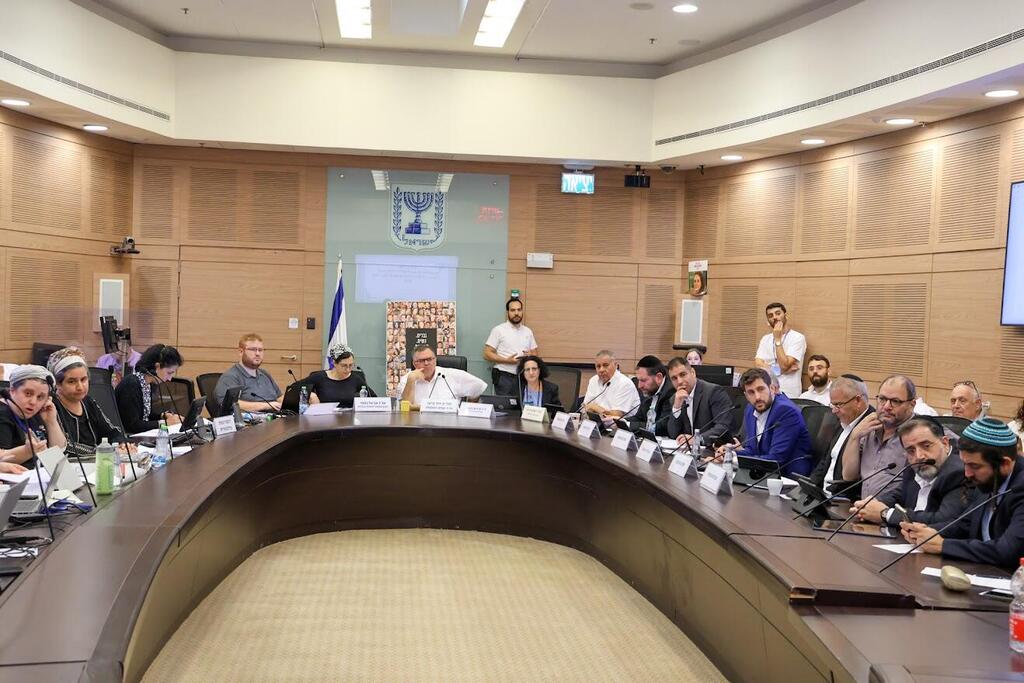
Knesset's Economic Affairs Committee
(Photo: Knesset)
Oz Berlovich, CEO of Arkia Airlines, said: "The Finance Ministry is simply abandoning Israeli airlines, risking the economic collapse of one of them, while thousands of passengers remain without answers or refunds. The finance minister and the Finance Ministry have chosen not to compensate airlines, despite bringing us to four discussions in the Economic Affairs Committee where it was clear from the start they had no intention of doing so. Arkia is currently facing thousands of lawsuits, and we have no solution."
Panel member MK Vladimir Beliak of Yesh Atid criticized the lack of compensation for citizens stranded abroad during the war, stating: "The finance minister, who found $970 million to distribute food in Gaza, is refusing to allocate $65 million to compensate Israeli citizens harmed by a government-initiated action."
After all sides presented their arguments, the panel announced its opposition to the finance minister’s refusal to provide compensation under a unique framework, calling the decision "unreasonable under the circumstances." The committee unanimously demanded that the prime minister intervene to resolve the dispute between the ministers of finance and transportation and ensure a fair and timely compensation framework.
The Tibi Law and passenger rights
The Aviation Services Law (Tibi Law) requires airlines to address passenger rights in cases of flight cancellations, delays or postponements caused by the airline itself.
The main provisions of the law include: If a flight is canceled or delayed by eight hours or more, passengers are entitled to assistance services, including food and beverages, hotel accommodations (if necessary), transportation and communication services. Passengers can choose between a refund or an alternative flight ticket.
Compensation amounts are determined based on flight distance:
- Up to 1,200 miles: $376.
- Up to 2,800 miles: $603.
- Over 2,800 miles: $903.
Airlines are exempt from compensation in cases of force majeure, strikes or requirements to prevent violations of religious practices (e.g., Shabbat observance).
For flight delays:
- Delays of up to two hours do not qualify for compensation.
- Delays of 2-5 hours entitle passengers to assistance services only.
- Delays of 5-8 hours entitle passengers to assistance services and a refund or alternate flight.
Exceptions apply when airlines notify passengers in advance of cancellations or offer alternative flights close to the original schedule.
First published: 13:41, 08.11.25