

The Global Peace Index for 2026 has been released, and its overall message is not especially calming: the world has become less peaceful for the 12th consecutive year.
Still, within that broader trend, several countries continue to stand out for stability, safety and relative calm, the kind of places many travelers look for when planning a vacation.

The index, considered one of the world’s most comprehensive rankings of peacefulness, covers 163 countries and territories. It measures a range of factors, including personal safety, internal and international conflict, militarization, political stability, crime, terrorism and more.
But it is important to note from the outset that the index measures peace at the national level. It does not necessarily reflect the daily experience of a tourist on the street, nor does it replace checks for specific risks such as pickpocketing, traffic accidents or unsafe areas within a destination.
The top 10: Iceland remains No. 1, Slovenia climbs
Iceland once again ranks as the most peaceful country in the world, holding the top spot for the 19th consecutive year. The small volcanic island has no standing army, extremely low crime levels and a high degree of social trust, a combination that makes it one of the most obvious choices for travelers seeking a genuinely calm vacation.
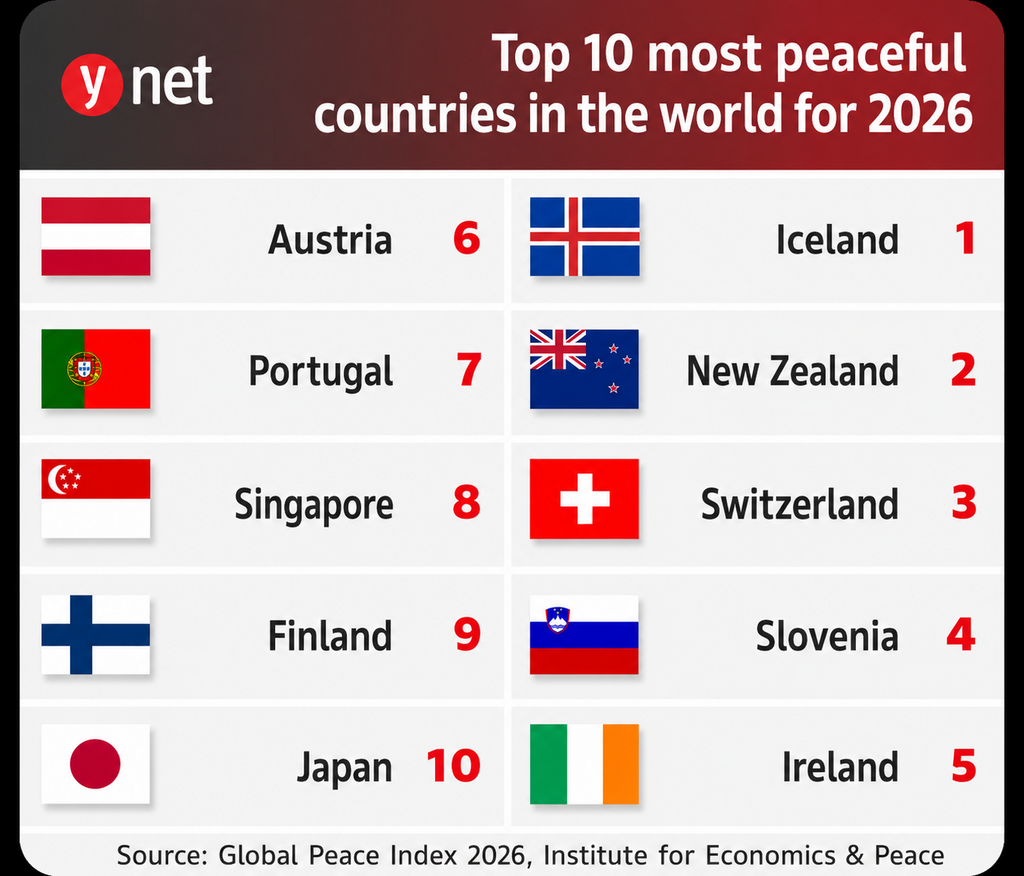
New Zealand follows in second place, rising one spot in the ranking. Switzerland ranks third, followed by Slovenia in fourth. Slovenia, which recently renewed ties with Israel following a change in government, rose two places and continues to strengthen its position as one of Europe’s quietest, greenest and most accessible destinations.
Ireland rounds out the top five.
The rest of the top 10 includes Austria in sixth place, Portugal in seventh, Singapore in eighth, Finland in ninth and Japan in 10th.
The list combines classic nature destinations such as Iceland and New Zealand, highly stable European countries and two prominent Asian representatives, Singapore and Japan.
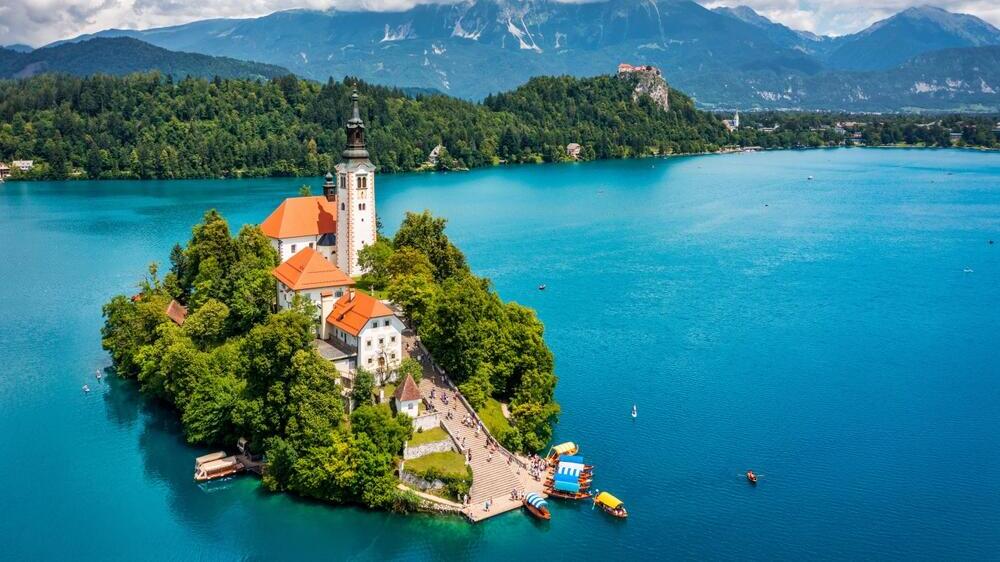
Lake Bled, Slovenia
(Photo: DaLiu/ Shutterstock)
The second 10: The surprising countries
The next 10 places also include several appealing options for travelers looking for relatively calm destinations.
Denmark ranks 11th, followed by Malaysia, Czechia and Canada. Hungary is in 15th place, followed by Bhutan, the Netherlands and Mauritius. Latvia ranks 19th, and Australia closes out the top 20.
For travelers, this may be one of the more interesting parts of the index. Alongside familiar destinations such as Canada, the Netherlands and Australia, the list includes countries that are not always seen as obvious choices for a quiet vacation, including Bhutan, Mauritius, Latvia and Malaysia.
In other words, anyone looking for a relatively peaceful destination does not necessarily have to settle for the most predictable options.
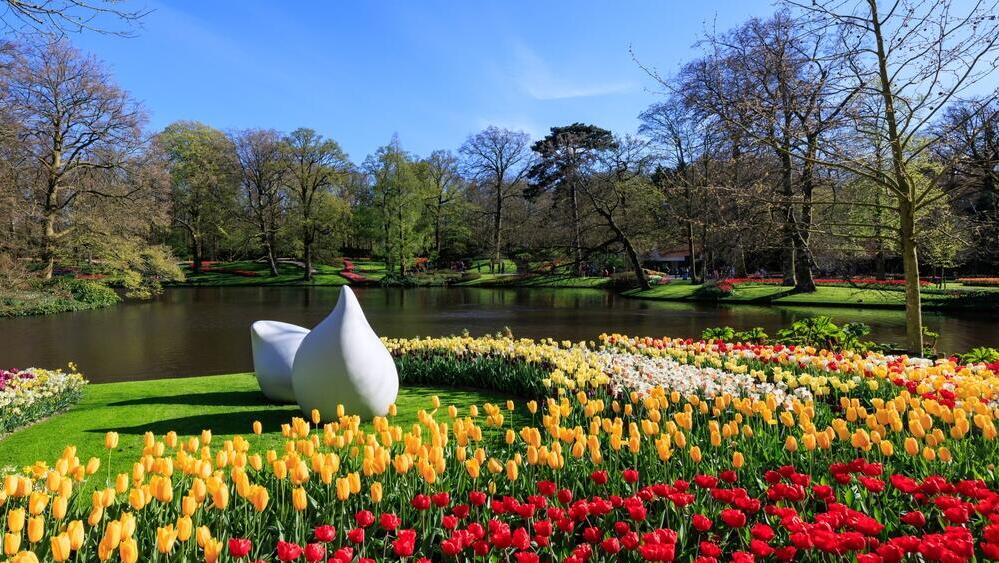
Tulips in the summer gardens of Keukenhof, Netherlands
(Photo: Shutterstock)
More broadly, Western and Central Europe remain the world’s most peaceful regions. Most of the countries near the top of the ranking are European, including Iceland, Switzerland, Slovenia, Ireland, Austria, Portugal, Finland and Denmark.
One of the countries that recorded the biggest improvement this year was Poland, which jumped 23 places to No. 22. By contrast, the United States dropped in the ranking and now stands at No. 134, a notable figure for a country still widely seen as a major Western travel destination. According to the report, the U.S. decline is linked in part to rising political instability and violent demonstrations.
At the bottom: Russia last, Israel 159th
At the other end of the index are the world’s least peaceful countries.
Russia ranks last, at No. 163. Just above it are Sudan at No. 162, the Democratic Republic of the Congo at No. 161, Ukraine at No. 160 and Israel at No. 159.
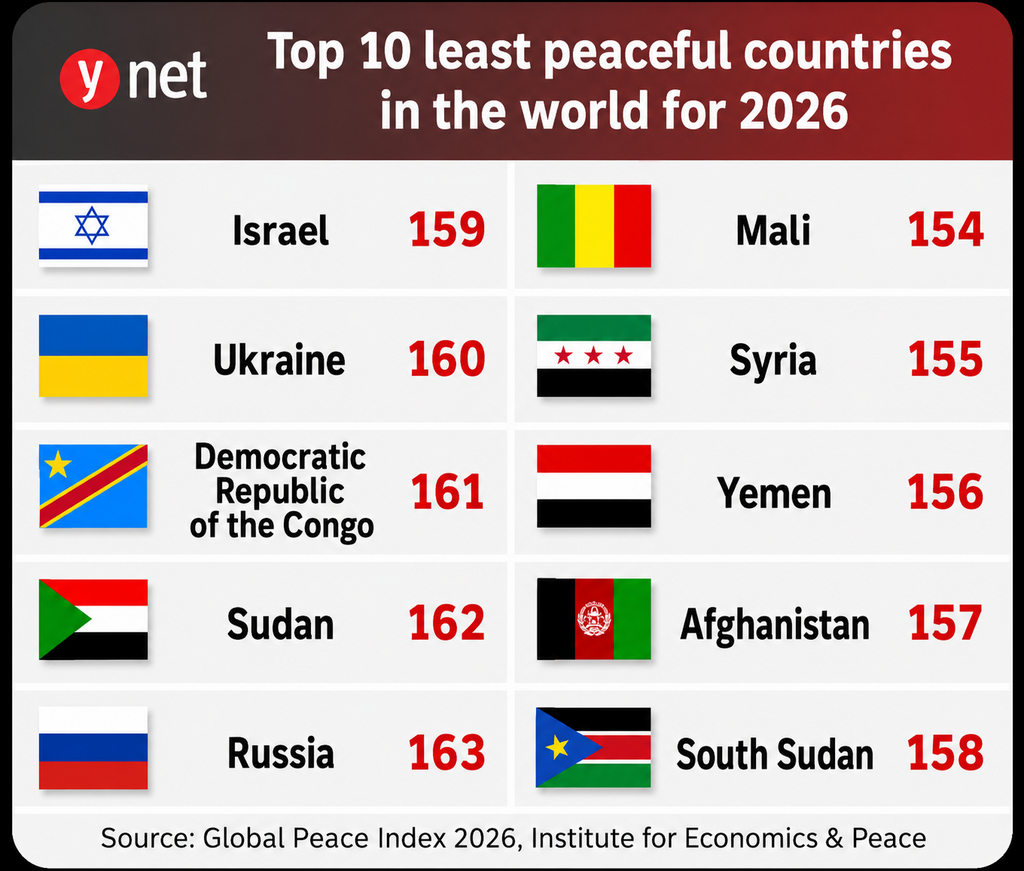
Israel, against the backdrop of the ongoing war and security reality, is now among the five least peaceful countries in the index. Only Ukraine, Congo, Sudan and Russia rank below it. Above Israel are South Sudan, Afghanistan, Yemen and Syria, all of which are also placed near the bottom of the ranking.
A peace index, not a travel warning
Although the index can serve as a useful barometer of a country’s overall stability, it is not a substitute for a specific travel check before departure.
A country can rank very high and still include less safe areas, transportation problems, pickpocketing in tourist zones or seasonal risks. Conversely, even countries ranked relatively low may have areas that are safer to visit.
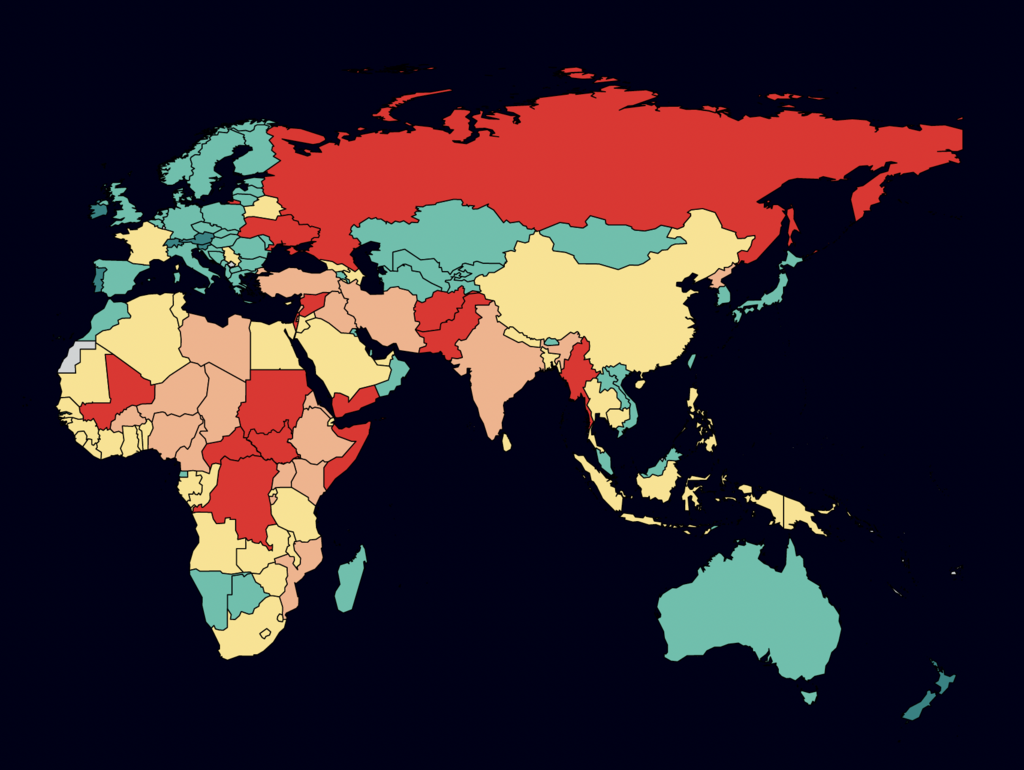
The red countries – the least safe
Before booking a ticket, the index should therefore be treated as a useful starting point, not as a replacement for official travel advisories, local recommendations and an up-to-date review of the situation at the destination itself.
The report is published annually by the Institute for Economics and Peace. It ranks 163 countries and territories that represent almost the entire global population. The index is based on 23 indicators divided into three main categories: societal safety and security, ongoing domestic and international conflict, and the level of militarization.
Alongside the ranking itself, the report includes broader analysis of global trends, the economic impact of violence, the spread of conflicts between countries and regions, and the effect of artificial intelligence on war and peace.