

The Trump administration is planning to require all foreign tourists to submit their social media history from the past five years as a condition for entry into the United States, according to reports in American media following an official notice published in the Federal Register.
According to U.S. Customs and Border Protection (CBP), the new requirement would apply to everyone entering the country, including travelers from nations that are part of the Visa Waiver Program, such as Israel.
The move aligns with the Trump administration's tough immigration policies, a key pillar of his election campaign, according to NBC News. In addition to social media history, CBP plans to collect other information, such as email addresses and phone numbers used in the past five years, as well as residential addresses and family member names. The U.S. Department of Homeland Security (DHS) has not yet responded to requests for comment. The American public has been given 60 days to submit feedback on the proposal.
Human rights organizations around the world have warned that such measures could lead tourists to self-censor on social media platforms or avoid traveling to the U.S. altogether.
In addition to social media history, CBP plans to collect additional data, such as email addresses and phone numbers used in the past five years
NBC noted that, back in June, the U.S. State Department announced that certain visa applicants would be required to make their social media profiles public. At the time, the Electronic Frontier Foundation — a digital rights advocacy group — called the move "unprecedented" and said its goal was “to monitor and suppress the online activity of foreign students.”
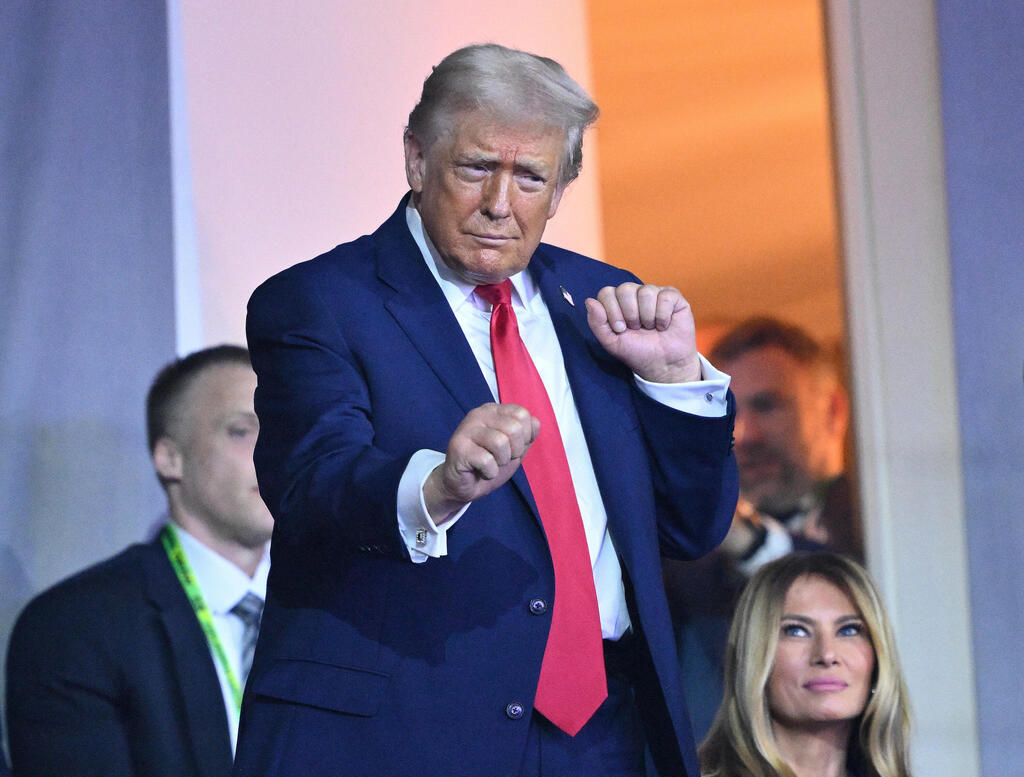
(Photo: REUTERS/Mandel Ngan)
Just last week, the State Department announced an expansion of its "online presence review" process to include applicants for H-1B visas - a work visa for foreign nationals in "specialty occupations" and their family members.
This policy update comes ahead of a major international event: Next summer, the United States is set to co-host the FIFA World Cup alongside Mexico and Canada, a tournament expected to attract millions of fans from around the world, including from visa-free countries.
First published: 18:16, 12.10.25