

One of Haifa's oldest archaeological sites has reopened to the public following a two-year restoration project costing approximately 3 million shekels (about $971,000), offering visitors a glimpse into more than 3,500 years of history along Israel's Mediterranean coast.
Tel Shikmona National Park, located beside the sea in southern Haifa, underwent extensive conservation and development work that included stabilizing ancient excavation walls, paving walking paths and installing informational signs and benches. The renovations were designed to make the site more accessible while protecting archaeological remains dating back to the 15th century BCE, according to the Israel Nature and Parks Authority.
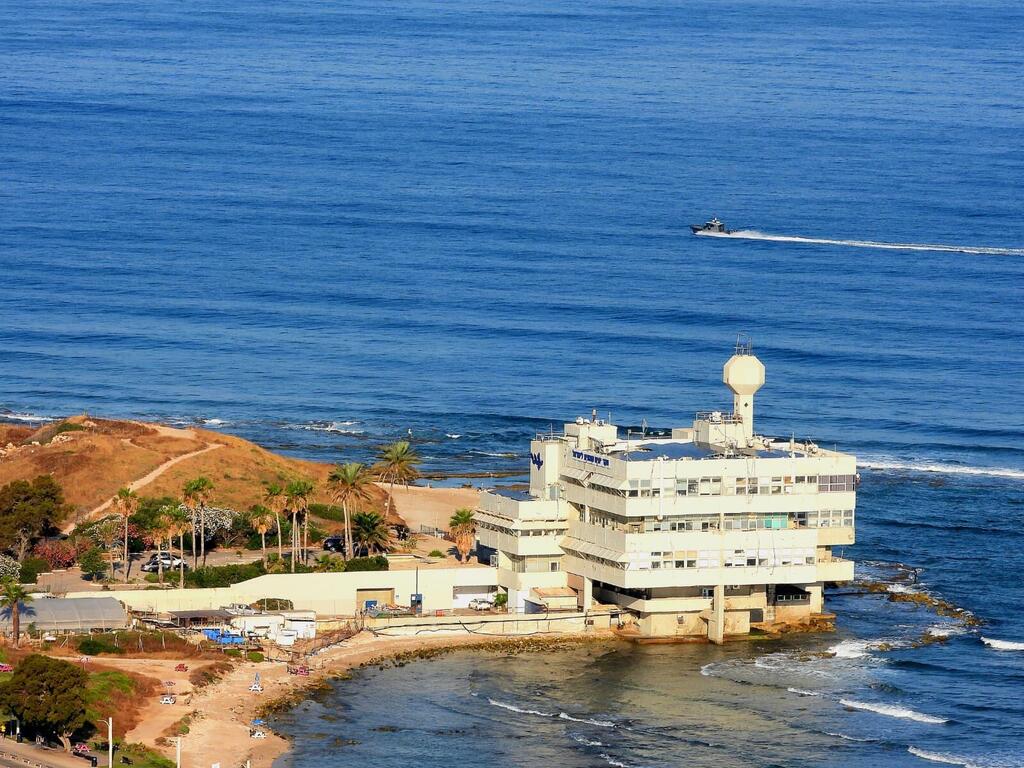
The park officially reopened at a ceremony attended by Haifa Mayor Yona Yahav; Israel Nature and Parks Authority Director-General Raya Shurki; University of Haifa Rector Prof. Mouna Maroun; Tamar Schiff of the Open Spaces Preservation Fund; Alon Zask, director-general of Israel Oceanographic and Limnological Research; and Prof. Ayelet Levinzon-Gilboa of the Zinman Institute of Archaeology.
The project was funded by the Open Spaces Preservation Fund and led by Israel Oceanographic and Limnological Research in cooperation with the Israel Nature and Parks Authority, Haifa Municipality, the University of Haifa's Zinman Institute of Archaeology, the Israel Antiquities Authority and local community activists.
Beyond improving access, the work focused on preserving the site's archaeological layers. According to the authority, special precautions were taken to avoid damaging remains that have not yet been excavated or were previously covered for protection.
A city built around an ancient purple dye industry
Tel Shikmona is considered Haifa's oldest archaeological site, with evidence of settlement dating back approximately 3,500 years. The mound contains remains from multiple historical periods, including the ruins of a church decorated with mosaics.
The site is also associated with the Byzantine city of Porphyrion, whose name means "purple," reflecting its historical importance as a center for producing the valuable dye from marine mollusks.
The dye industry was active in the area from biblical times through the Byzantine period, making Shikmona an important location for understanding ancient coastal industries and Mediterranean trade.
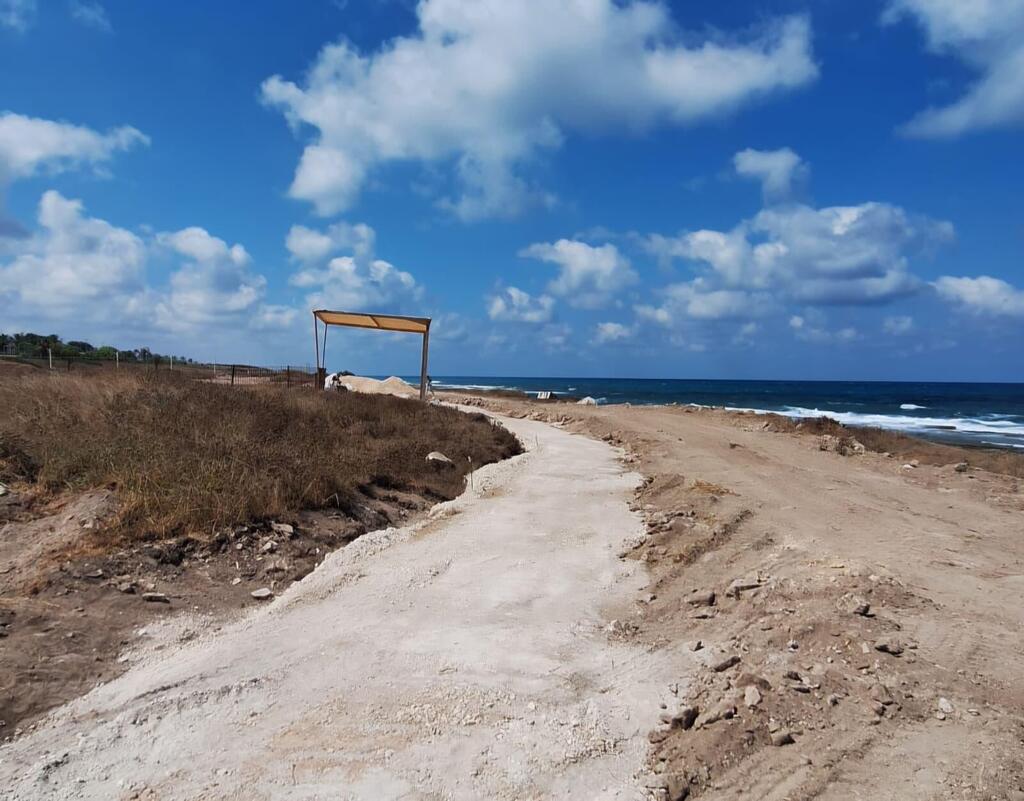
Tel Shikmona dye works
(Photo: Alon Zasek, Institute for Marine and Lake Research)
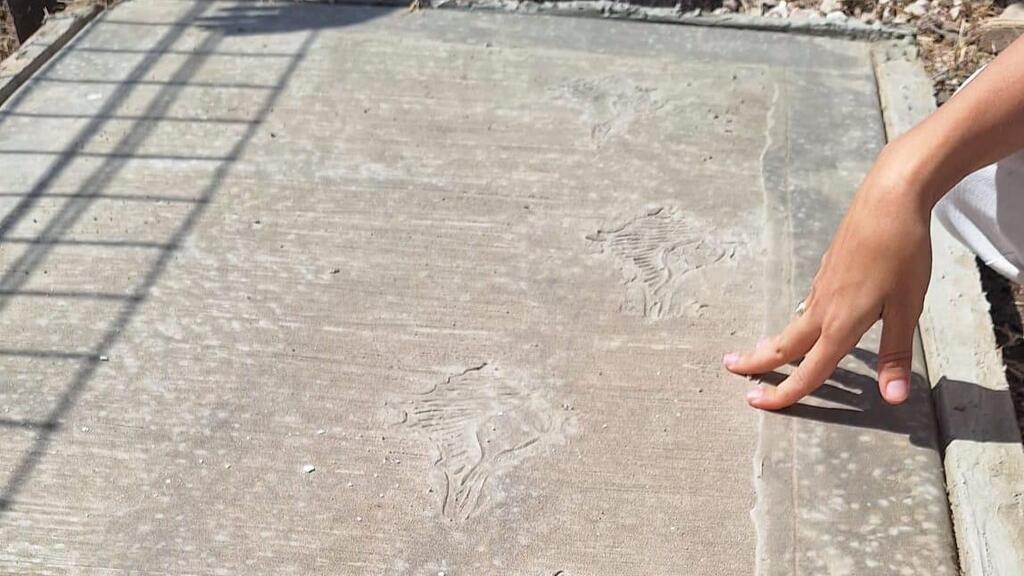
(Photo: Alon Zasek, Institute for Marine and Lake Research)
Declared a national park in 2008, Tel Shikmona lies alongside the Yam Shikmona Marine Nature Reserve. Its location offers visitors a combination of archaeological remains, open coastal views and walking routes near the city's urban center.
New paths and public spaces
The restoration project began taking shape in 2023, when Israel Oceanographic and Limnological Research, which operates nearby, secured funding to conserve the archaeological remains and improve access to the site.
In addition to stabilizing the excavation walls, workers developed pedestrian routes, added seating and installed signs explaining the site's historical significance. The park's reopening gives visitors access to an archaeological site that connects Haifa's earliest known history with its present-day coastline, without requiring a trip outside the city. The park is open to the public with free admission.