

Sleep like you're in a hostel but at 30,000 feet: Air New Zealand plans to introduce bunk bed-style sleeping pods in economy class for the first time, as part of an effort to make one of the world’s longest flights more tolerable. The service, called Skynest, will be offered on the airline’s new Dreamliner aircraft on the New York–Auckland route, allowing passengers to book a bed for several hours during the flight.
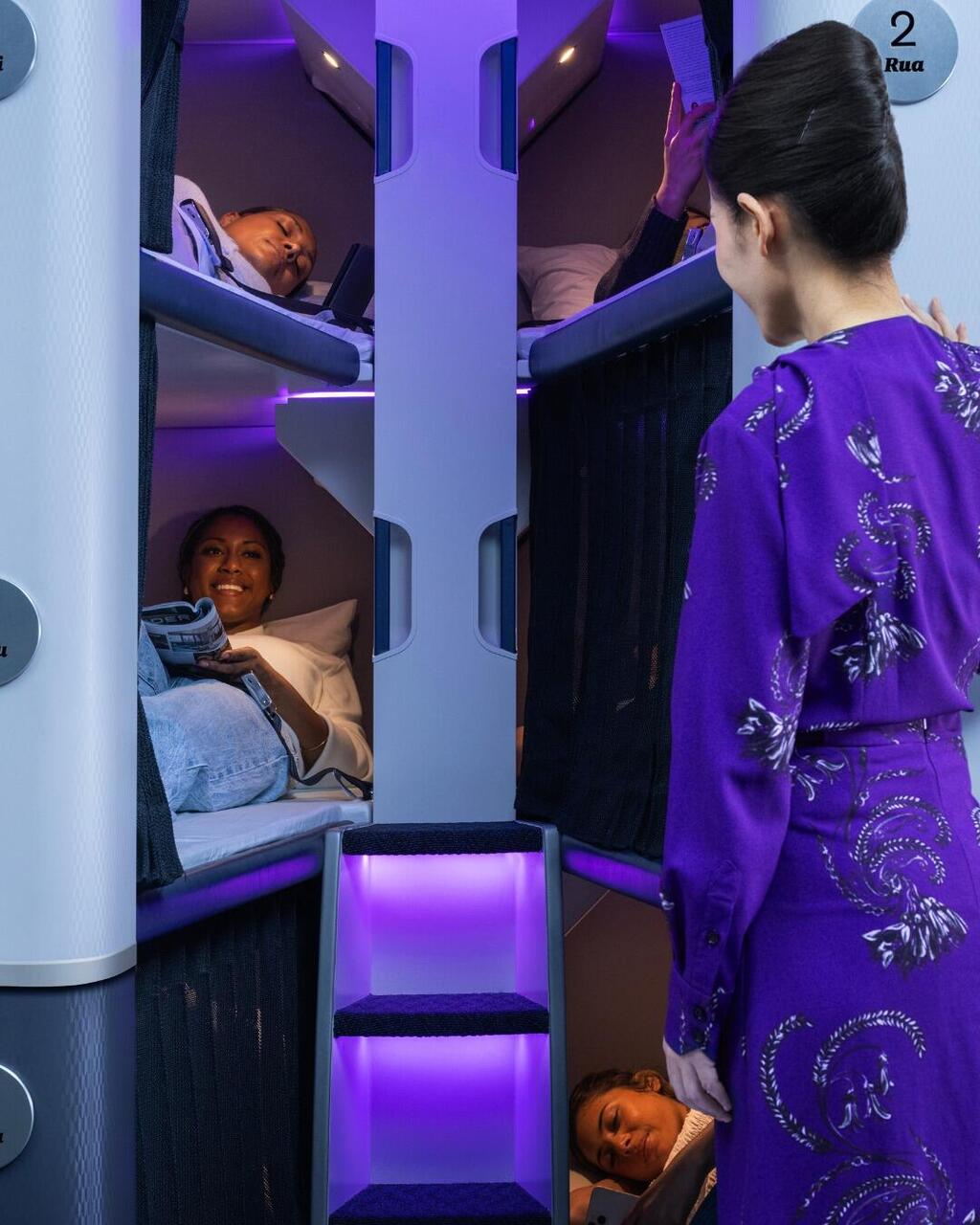
According to the airline, bookings will open on May 18 ahead of a commercial launch expected in November. The setup includes six individual sleeping pods arranged one above the other like bunk beds, located between economy and premium economy. Each passenger will be able to reserve a “time slot” of about four hours for an additional fee of approximately NZ$495 (about $300).
The pods include a full-length mattress, bedding, a privacy curtain, personal lighting, ventilation and USB-A and USB-C charging ports. Passengers will also receive an amenity kit with an eye mask, earplugs, socks and toiletries. The crew will change the bedding between uses, allowing for two usage cycles per flight.
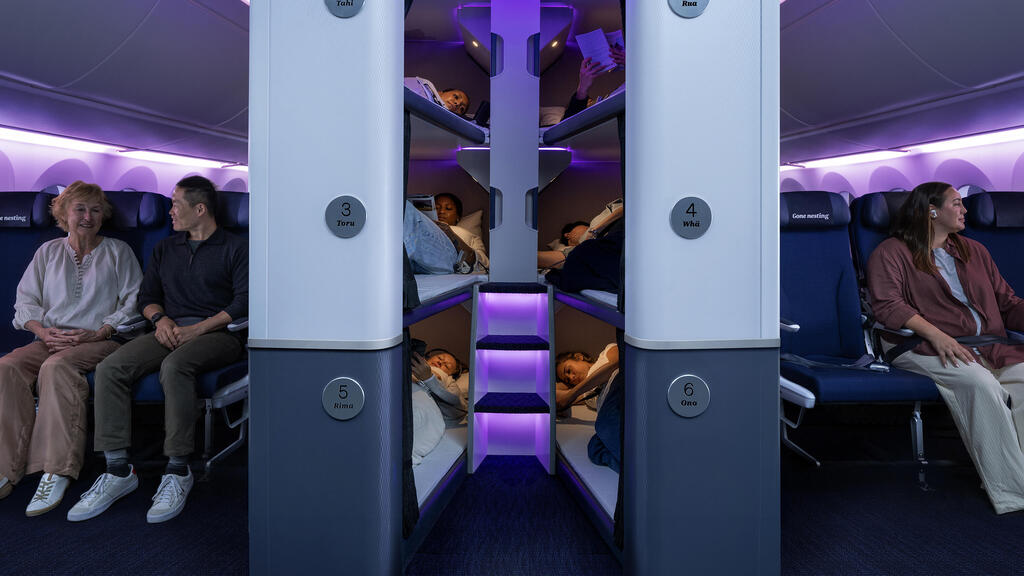
Sleeping in economy class on New Zealand Airlines
(Phot0: Courtesy of Air New Zealand)
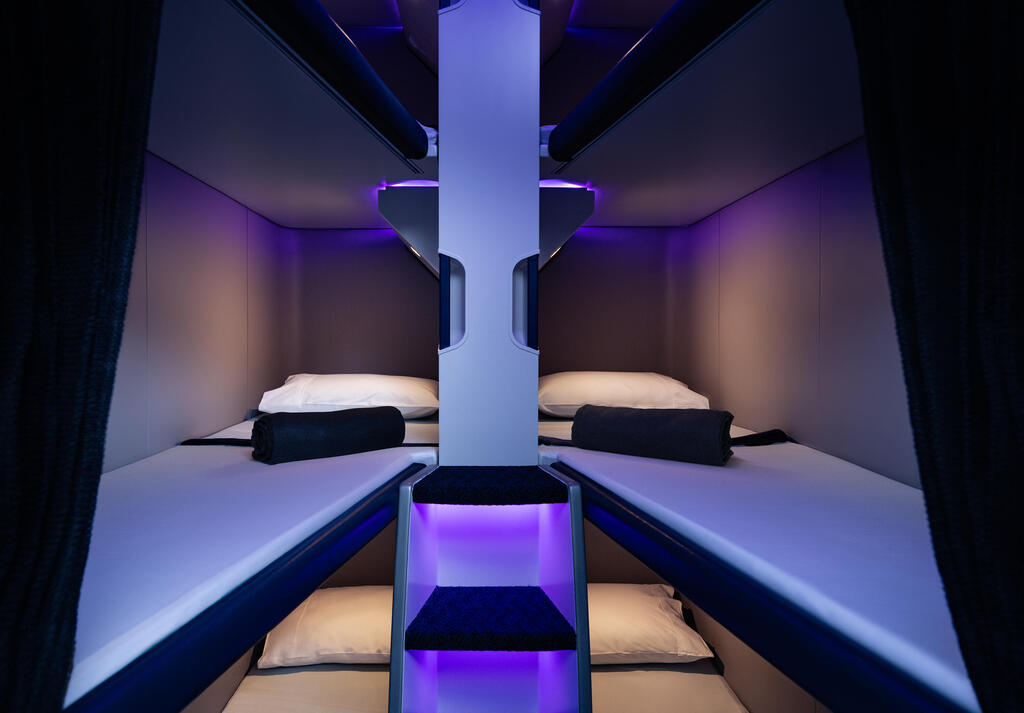
Inside the sleeping pods
(Photo: Courtesy of Air New Zealand)
Still, the sleeping experience is relatively limited: passengers cannot sit upright inside the pod, eating is not permitted and the space cannot be shared with another traveler. Accessing the upper bunks also requires climbing, and the airline notes the service is intended for passengers aged 15 and older only.
The airline says the initiative is designed to address a unique challenge: distance. “For a remote country like New Zealand, the journey is an integral part of the experience,” said CEO Nikhil Ravishankar. He added that enabling passengers to “truly rest” on ultra-long-haul flights could make travel to and from the destination more accessible.
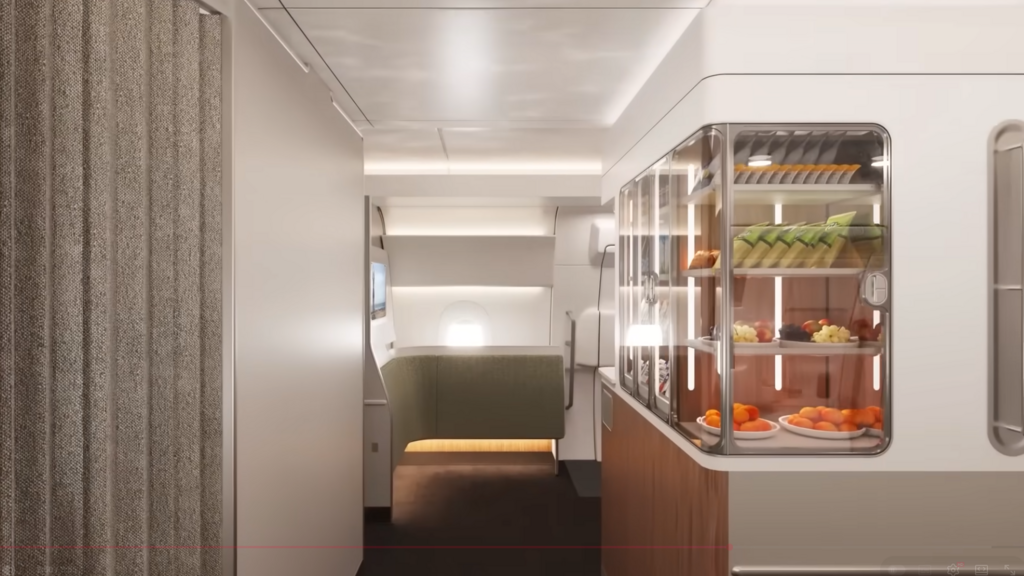
The 'wellness' area that Australian airline Qantas will operate on its ultra-long-haul flights
(Photo: YouTube / @Qantas)
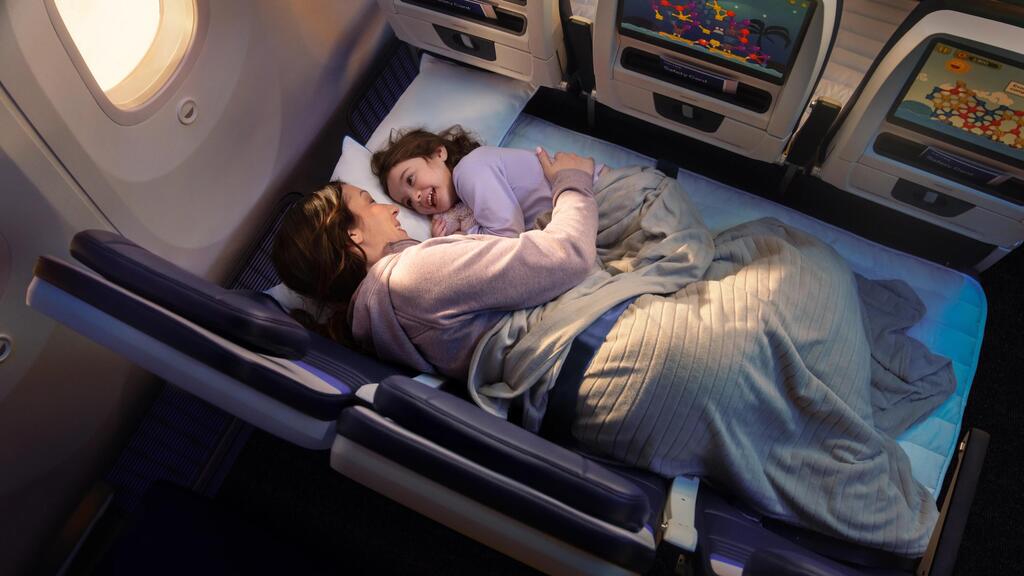
United Airlines announced plans to allow rows of seats to be converted into flat sleeping surfaces
(Photo: United Airlines)
Air New Zealand’s move reflects a broader trend in the aviation industry, as airlines look for ways to upgrade the long-haul economy experience — often for an added fee. United Airlines, for example, recently announced plans to allow rows of seats to be converted into flat sleeping surfaces, while Qantas is planning a dedicated “wellness zone” on its ultra-long-haul flights between Australia and Europe.
However, it remains unclear how successful these new offerings will be in persuading passengers to pay extra, especially at a time of rising airfares and continued volatility in the industry.