

The announcement issued from Jerusalem at the end of last week, stating that Israel is formally recognizing Somaliland, drew attention to an African entity that barely exists on the world’s diplomatic map. While most countries continue to ignore it, for Yoav Magad, an Israeli entrepreneur, Somaliland had already become a real destination years ago: a place to live, work and seek adventure.
In an interview with the ynet, Magad explains how he arrived there, why he chose it specifically, and what life is like in the poor, underdeveloped but potential-filled territory, where he says he was never afraid to walk around with an Israeli passport during the years he lived there.
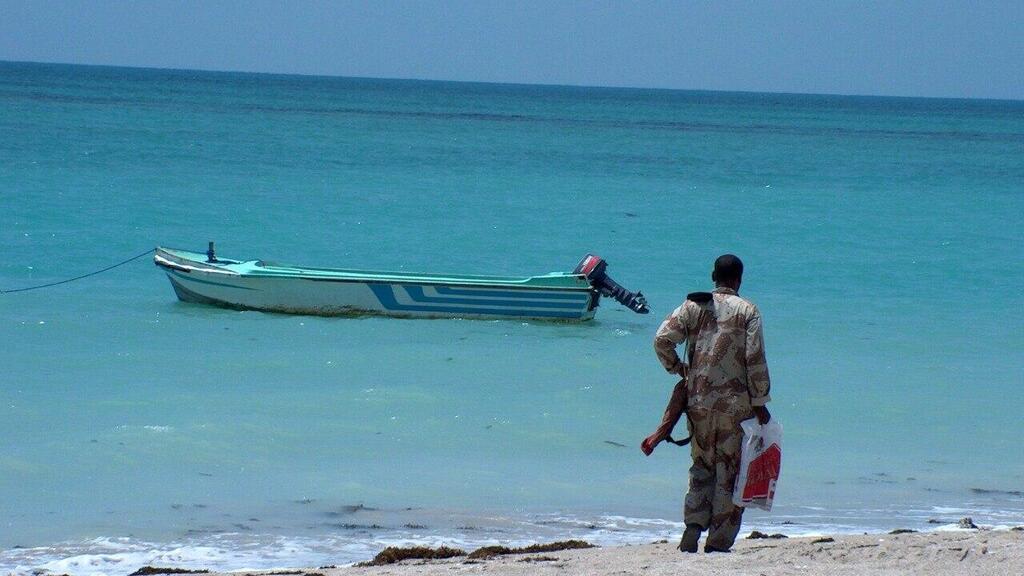
So how did you get to Somaliland, and why there?
“It was a business opportunity. As an entrepreneur looking for opportunities, Somaliland and Djibouti, which I also visited, seemed very interesting to me. I also like adventure, I love the sea, I love diving, so it was an opportunity that combined all of those things.”
You mentioned a business opportunity. You sold sea cucumbers. What does that mean? Why do they need them, and where did you get them?
“A sea cucumber, for those who are unfamiliar, is a long marine creature that sometimes looks a bit unpleasant. We mostly know the black variety from Sinai or Eilat, but there are about 3,000 different species. In the Far East, in China, Japan and other countries, it is considered a very serious delicacy. There, a kilogram of sea cucumber can sell for as much as $3,000. So in places where such resources still exist, and where they can be harvested without harming nature, that’s what is done. Somaliland is one of the main places where this is still possible.”
Tell us a bit about the people who live there.
“They are very interesting people. There is a mix of residents with origins in Somalia, Eritrea and Ethiopia, mainly tribes engaged in livestock herding. What’s funny is that they have one of the most fertile seas in the world, but they almost don’t eat food from the sea and don’t touch fish. It’s a very poor place, with hunger, and people earn less than in Third World countries we’re familiar with,” he explains.
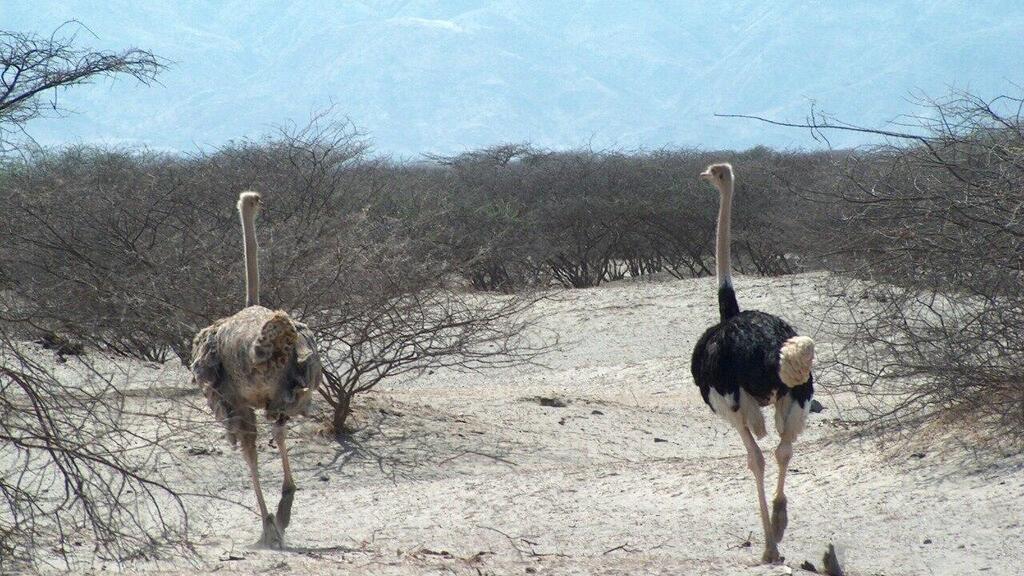
Nature in Somaliland
(Photo: Courtesy)
“On the other hand, there are stunning landscapes, real gems, beautiful nature, animals, places that could be breathtaking. But the territory is very underdeveloped: there is no infrastructure, poverty is deep, and at a certain level it’s even absurd. It’s no less corrupt than other countries we know, and the money-changing system there is unique. You give $10 and receive a huge bundle of banknotes. It’s a very interesting place.”
Do you speak Somali? How do people communicate there?
“No. Communication is mainly in Arabic, French or English. Those are the three main languages. And another interesting thing: as an Israeli, I had no problems there at all.”
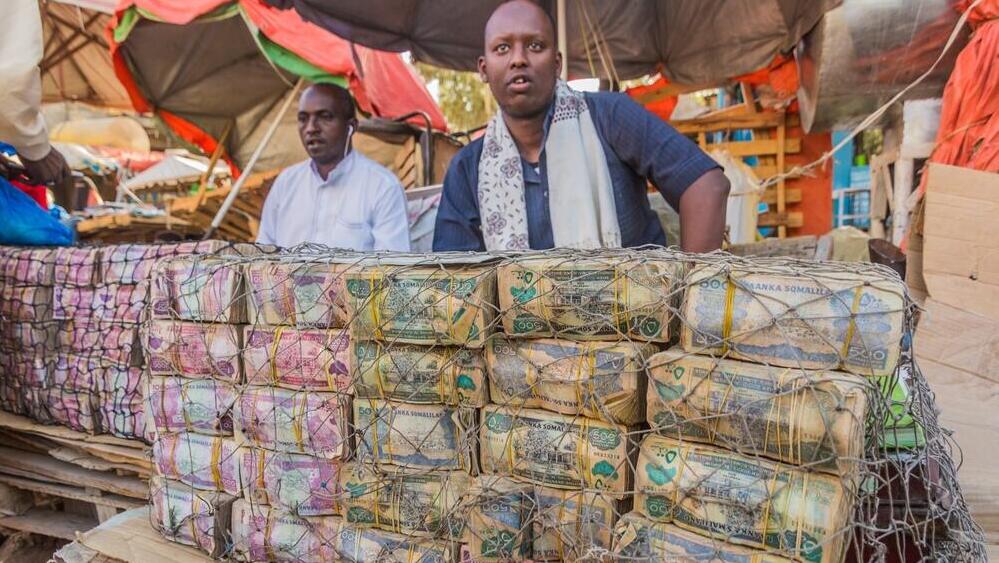
Money changers in Hargeisa, the capital of Somaliland
(Photo: Matyas Rehak / shutterstock)

(Photo: Courtesy)
So when you identified yourself as Israeli, what kind of attitude did you encounter?
“The truth is they didn’t really know what Israelis were. At the time I was there, they were barely familiar with the concept. They knew what Jews were and were less fond of Jews, but toward Israelis they had no problem at all. You could walk around with an Israeli passport and everything was normal, routine, without any difficulty. I believe today it would be even easier.”
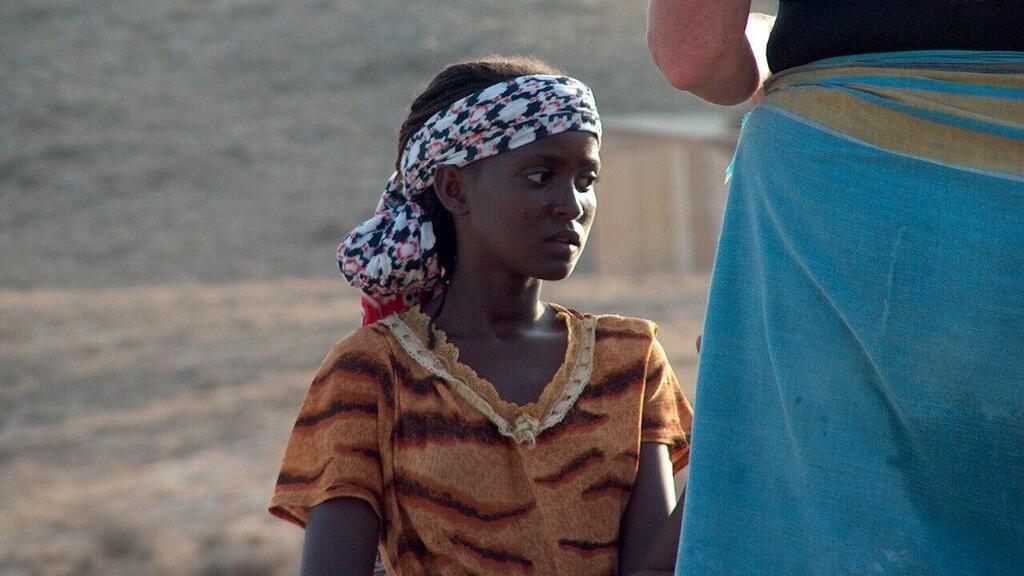
(Photo: Courtesy)
You must have seen the celebrations there surrounding Israel’s recognition.
“Yes. They’re a black hole that no one goes to and no one really thinks about. No one gives them support or attention. So of course, when even a country like Israel recognizes them, they get excited. This is a place that has suffered decades of neglect, occupations by various countries, but at the same time it has extremely interesting people and lovely landscapes.”
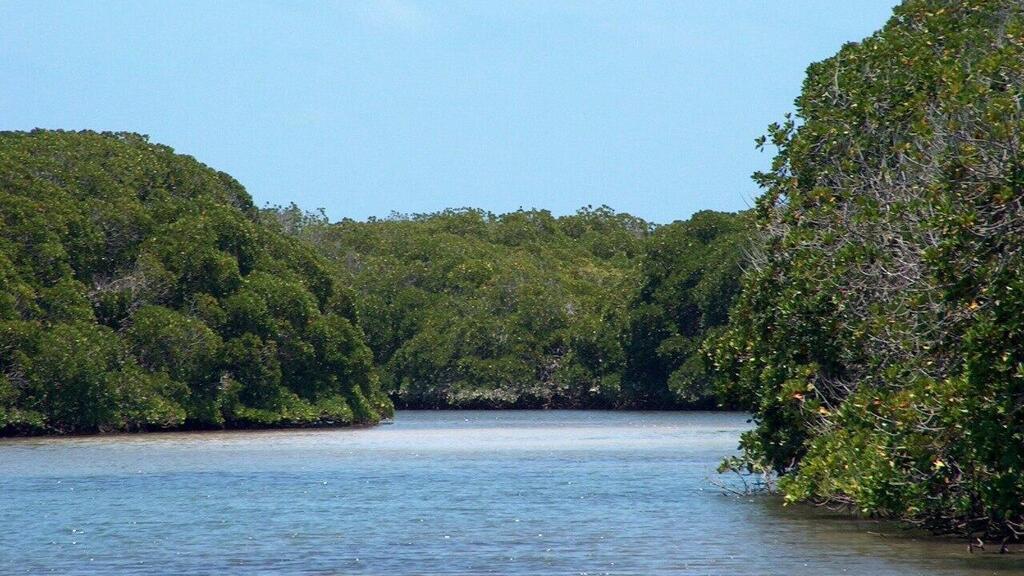
A lake in Somaliland
(Photo: Courtesy)

(Photo: Courtesy)
Ultimately, did you feel safe there?
“Most of the time, yes, I felt safe. There were also moments when I felt less safe, but that was mainly because of pirates at sea during the period we worked there. The sense of insecurity did not come from the people on land, but from maritime piracy.”