

After operating as a de facto independent state in northern East Africa for 34 years, Somaliland received its first full and public recognition on Friday—from Israel.
Alongside plans to establish diplomatic ties and civilian-economic cooperation, the move carries significant strategic weight. Somaliland is located opposite Yemen, at the maritime junction of the Gulf of Aden, the Bab el-Mandeb Strait and the Red Sea—precisely the area where Yemen’s Houthi movement has been targeting international shipping lanes over the past two years.
Prime Minister Benjamin Netanyahu announces Israel's official recognition of Somaliland in a conversation with Somaliland President Abdirahman Mohamed Abdullahi
(Video: GPO)


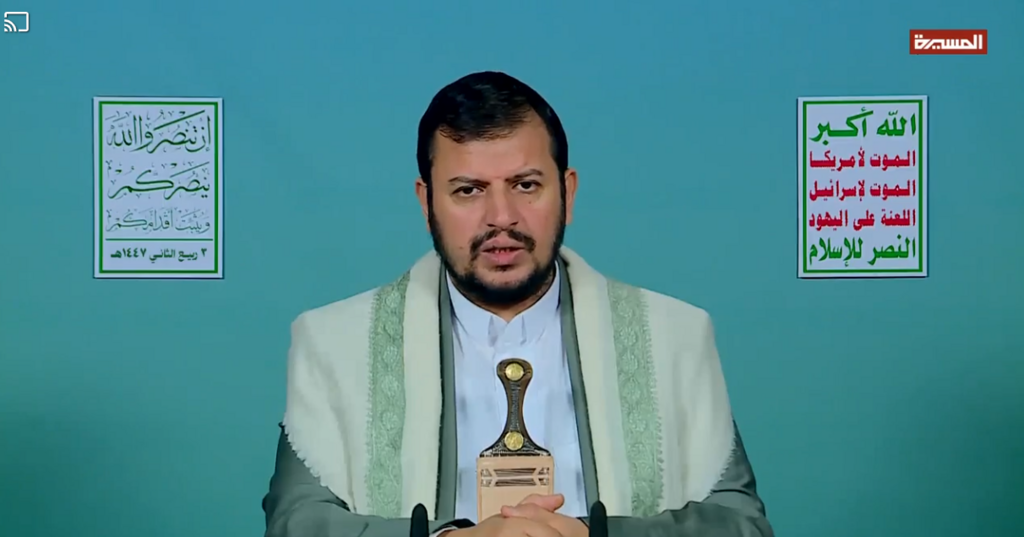
In response, Houthi leader Abdul Malik al-Houthi issued his first condemnation of Jerusalem’s recognition on Sunday, explicitly threatening Israel. “We consider any Israeli presence in Somaliland a legitimate military target for our forces, as it constitutes aggression against Somalia and Yemen and threatens the security of the region,” he said.
He claimed Israel seeks “to turn Somaliland into a base for hostile operations against Somalia, African states, Yemen and Arab countries, thereby endangering the security of the Red Sea and the Gulf of Aden.”
Israel’s recognition of the territory—which broke away from Somalia in 1991—comes amid mounting tensions in southern Yemen, where secessionist forces backed by the United Arab Emirates are making gains. That development has placed the UAE in direct contention with Saudi Arabia over control of one of the world’s most sensitive maritime corridors.
Somaliland sits in northwestern historic Somalia, stretching along hundreds of miles of coastline on the Gulf of Aden, directly across from Yemen. The region is a critical maritime route leading to the Bab el-Mandeb Strait, a strategic chokepoint through which a significant portion of trade between Asia and Europe passes en route to the Suez Canal.
Since Houthi attacks on shipping intensified following Hamas’ October 7 assault on Israel and the war that followed, many shipping companies have rerouted vessels around the Cape of Good Hope at a steep financial cost felt in part by Israeli consumers.
Israel’s recognition of Somaliland is far more than an unusual diplomatic gesture. It links an unrecognized democracy in the Horn of Africa with Yemen’s internal power struggles, Saudi-Emirati rivalry over regional influence, and the Houthi threat to global trade. For Somaliland, it marks a historic breakthrough; for Israel, it is a calculated gamble in a volatile arena—one that could expand its strategic reach but also draw it deeper into one of the world’s most fragile fault lines.
British protectorate, unilateral breakaway and a relatively functioning democracy
Somaliland’s claim to independence rests on a historical and legal foundation. The region was once a British colony known as British Somaliland, which gained independence on June 26, 1960. Just days later, it voluntarily united with the former Italian colony to form the Republic of Somalia.
That union, however, did not last. Following the collapse of Somalia’s central government and the outbreak of civil war in the early 1990s, Somaliland declared on May 18, 1991, that it was dissolving the union and reclaiming its independence. The move was decided at the Burao Conference, based on agreements between the Somali National Movement (SNM) leadership and clan elders. The Issa clan proclaimed independence over five of Somalia’s 18 regions.
Crowds celebrate Israeli recognition in the capital of Somaliland, Hargiesa
Somaliland borders Ethiopia, Djibouti and Puntland, and its capital is Hargeisa. Approximately 99 percent of its population are Sunni Muslims. Islam is the state religion, and Somali and Arabic are the official languages. The territory, covering 137,600 square kilometers, corresponds with the borders of the former British protectorate and is home to roughly six million people.
Since its 1991 declaration, Somaliland has consistently argued that it is not seceding from an existing state but rather restoring its prior sovereignty within recognized borders. Somalia, the African Union and most African states reject this claim, citing a commitment to territorial integrity and concerns that recognizing Somaliland could trigger a wave of secessionist movements across the continent.
Despite lacking international recognition, Somaliland has maintained a relatively stable government with minimal violence, especially compared to Somalia, making it a notable exception in a turbulent region.

Israeli recognition celebrations in the capital of Somaliland, Hargiesa
The territory functions as a relatively effective democracy, blending modern political institutions with traditional clan-based mechanisms. Over the past three decades, Somaliland has held presidential and parliamentary elections, including peaceful transfers of power, an unusual phenomenon in the region. While the elections have generally been orderly, they have often been preceded by delays and political crises.
Somaliland has a constitution and a presidential system. The president is elected by popular vote and heads a government alongside a bicameral legislature. The lower house is elected, while the upper house—the Guurti, or Council of Elders—is a traditional body of clan leaders responsible for conflict mediation and maintaining political stability. The constitution limits the number of active political parties to three, a safeguard intended to prevent the politicization of clan divisions.
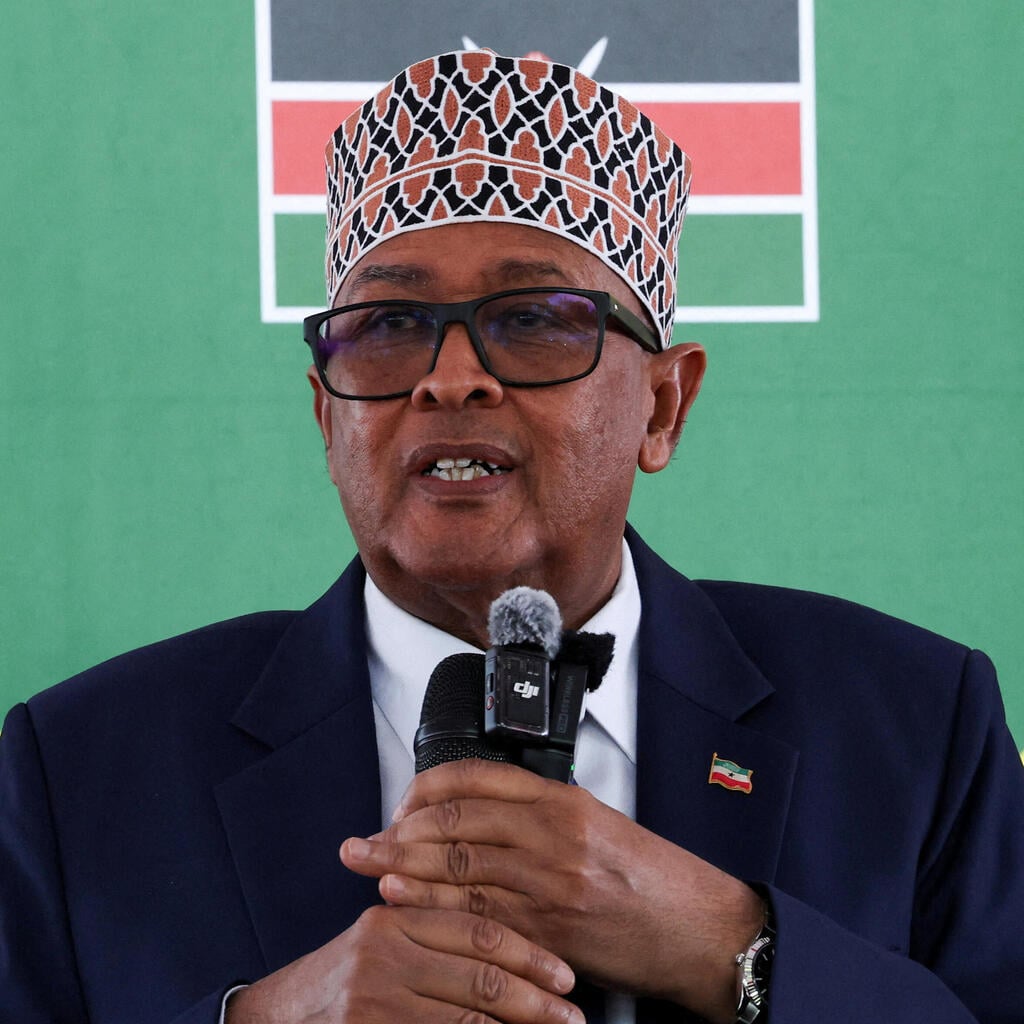
Somaliland President Abdirahman Mohamed Abdullahi
(Photo: REUTERS/Monicah Mwangi/File Photo)
Somaliland’s president, Abdirahman Mohamed Abdullahi—known as “Irro”—took office after winning the November 2024 presidential election, which followed repeated delays. Abdullahi, a former speaker of the lower house and head of the opposition Waddani party, has taken a relatively pragmatic approach. His priorities include strengthening democratic institutions, restoring public legitimacy after years of internal tensions and deepening ties with regional and international actors in pursuit of official recognition.
For President Abdullahi, Israel’s recognition is viewed as an unprecedented diplomatic breakthrough and a potential gateway to further recognition from both Western and Arab nations. However, challenges remain. In recent years, human rights groups have accused the Somaliland government of pressuring journalists, making politically motivated arrests and discriminating against minority groups.
No embassies, but diplomatic ties and an Emirati base
Since declaring independence in 1991, Somaliland remains legally and internationally recognized as an autonomous region within Somalia. Only three entities have formally acknowledged Somaliland’s sovereignty: Taiwan, which is not a United Nations member and whose own recognition is limited; Israel, the first UN member state to do so; and Ethiopia, which has pledged eventual recognition but has yet to follow through, though it maintains trade and diplomatic ties with the territory.
Despite lacking official recognition, Somaliland has for years maintained an informal web of international relationships, including with Ethiopia, the United Kingdom, the United States, Taiwan and the United Arab Emirates. It hosts foreign delegations and maintains diplomatic missions, but without embassies or full legal recognition.
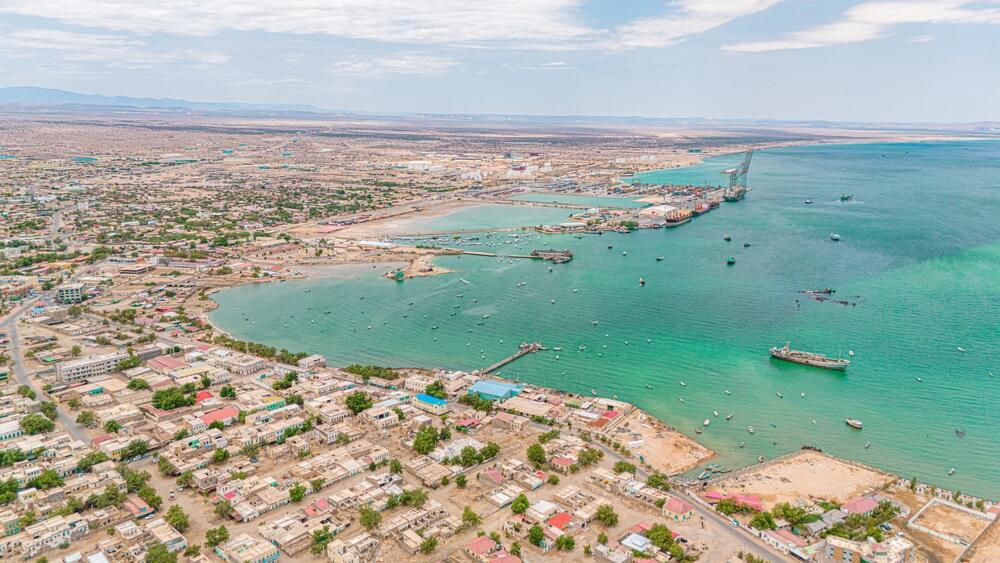
Berbera, Somaliland
(Photo: Abdulkadir Hirabe / Shutterstock)
The most prominent of these ties is with the UAE, centered on the Port of Berbera along the Gulf of Aden. The Dubai-based firm DP World has invested hundreds of millions of dollars to transform the port into a regional trade hub, serving, among other purposes, as a logistics corridor for landlocked Ethiopia. The UAE also operates a military base at the site, approved by Somaliland’s parliament in 2017.
International reports have described the base as featuring a runway, reportedly four kilometers (2.5 miles) long, suitable for heavy cargo planes and fighter jets. Satellite images on Google Maps show nearby hangars, aircraft parking areas and reinforced underground shelters known as Hardened Aircraft Shelters (HAS), designed to protect aircraft and aircrews on the ground.
Somaliland’s modest economy depends heavily on livestock exports. The country is estimated to have around 24 million head of livestock, though its economic development is constrained by a lack of international recognition, resulting in banking, credit and aid challenges. The Berbera port is thus not only a vital economic asset but also a key geopolitical asset.
For Israel, recognizing Somaliland aligns with several interests. Strategically and from a security standpoint, Somaliland’s location across from Yemen and near Houthi-controlled areas could help avert a new Red Sea crisis, especially since Iran-backed Houthis halted maritime attacks after reaching an understanding with U.S. President Donald Trump, and particularly following the ceasefire between Israel and Hamas in Gaza. The move also has intelligence potential for Israel in monitoring Houthi activity.
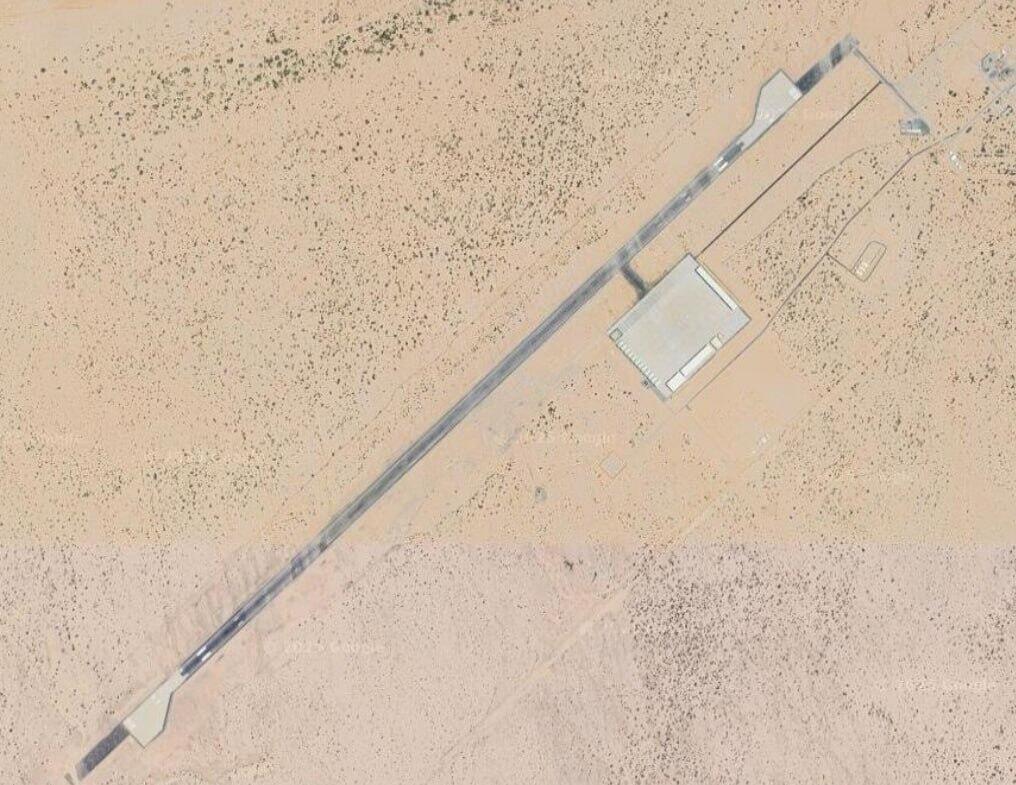
The Emirati military base in Berbera, Somaliland
(Photo: Google Maps)
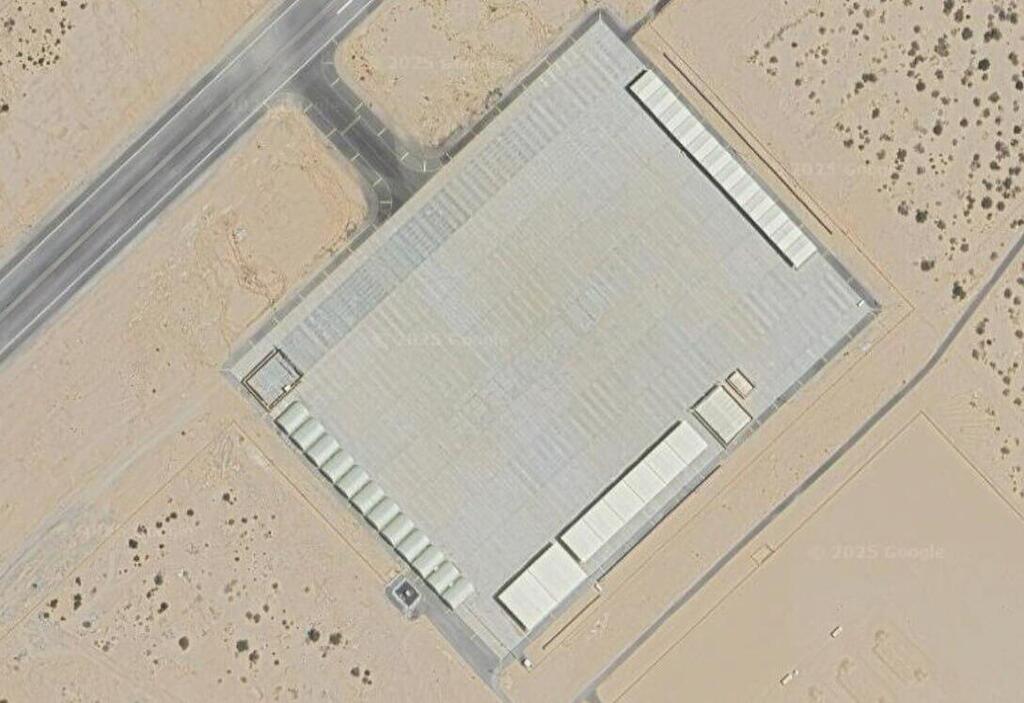
The Emirati military base in Berbera, Somaliland
(Photo: Google Maps)
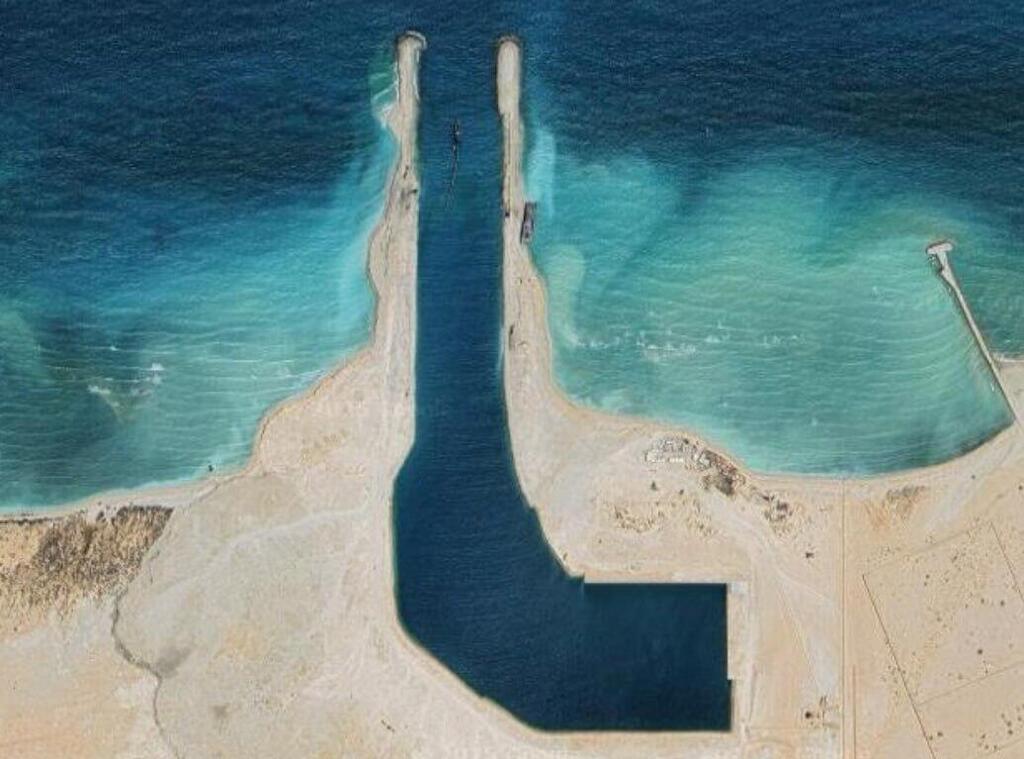
Berbera Port, Somaliland
(Photo: Google Maps)
Diplomatically, strengthening ties with a relatively pro-Western actor in the Horn of Africa could expand Israel’s influence in a region where Iran, Turkey and Egypt, who joined numerous other nations in condemning Israel’s recognition, remain key players. Economically and in terms of civil cooperation, the partnership offers potential for collaboration in agriculture, water management and technology.
Tensions in southern Yemen and the Saudi-UAE rift
Coinciding with Israel’s recognition of Somaliland, forces of the Southern Transitional Council (STC), backed by the United Arab Emirates, have advanced in Yemen’s Hadramawt and al-Mahrah governorates—sensitive, resource-rich regions near the Omani border. These areas are also of strategic interest to Saudi Arabia, which has sought in recent years to reduce its military involvement in Yemen.
The developments underscore growing friction between Riyadh and Abu Dhabi, once partners in the anti-Houthi coalition, over control of key maritime points along the Red Sea and Gulf of Aden. Somaliland lies along the same strategic axis, where the UAE has already established a significant presence through ports and infrastructure investments. While Riyadh has moved toward a negotiated settlement with the Houthis and stabilization of its southern border, the UAE has pursued a different strategy: expanding its influence in southern Yemen, especially along coastal zones, ports and key maritime passages.
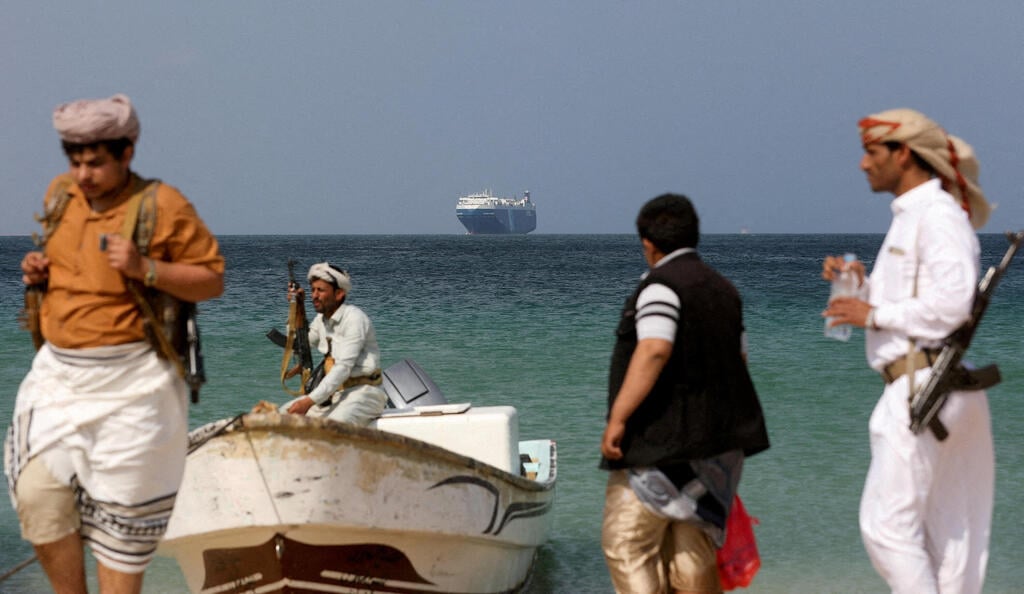
Houthi gunmen stand in front of a commercial ship hijacked by the Yemeni rebel group
(Photo: REUTERS/Khaled Abdullah//File Photo)
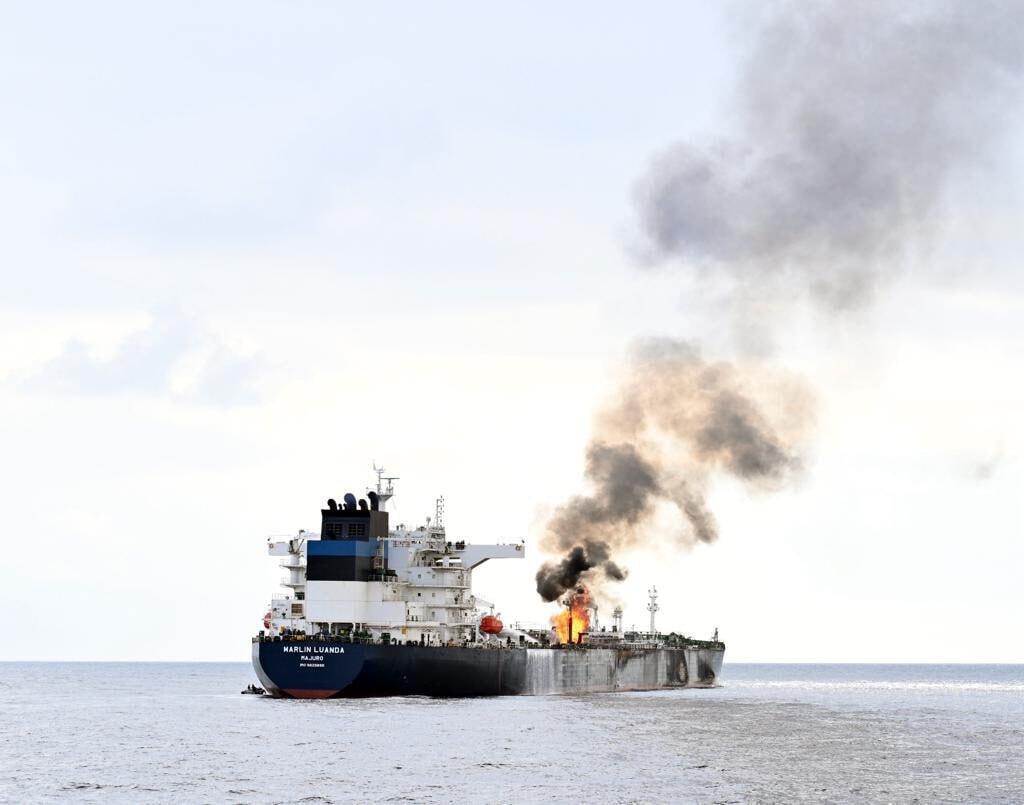
Commercial ship catches on fire after attack in the Gulf of Aden
(Photo: Indian Navy Spokesperson)
The STC is the leading force behind these moves. Founded in 2017, it is a secessionist body advocating the re-establishment of an independent South Yemen, as existed before unification in 1990. The council is politically, economically and militarily backed by the UAE, and effectively controls the city of Aden and wide swaths of the south. It is a rival to Yemen’s internationally recognized government, which continues to receive formal backing from Saudi Arabia.
In recent weeks, the STC has pushed further east into Hadramawt and al-Mahrah—territories not traditionally within its core areas of control. These are far more than peripheral regions: Hadramawt is Yemen’s largest governorate, rich in oil and gas, and home to a major seaport. Control over it offers economic depth and broader operational freedom. Al-Mahrah, adjacent to the Omani border and near Saudi territory, has long been linked to Saudi strategic interests, including past efforts to build an oil pipeline to the Arabian Sea that would bypass both the Strait of Hormuz and the Bab el-Mandeb Strait.
From Riyadh’s perspective, the rise of a pro-UAE force in these regions represents a dual threat—undermining Saudi influence in Yemen and jeopardizing long-term strategic plans. Despite their shared opposition to the Houthis, tensions between Saudi Arabia and the UAE have deepened in recent years. Saudi Arabia has prioritized border stability and political settlement, even at the cost of concessions, while the UAE has focused on gaining control of key nodes: ports, islands, maritime chokepoints and trade routes. Recent reports of Saudi air warning strikes on STC-aligned forces have revealed that the rivalry is not merely diplomatic but also military, albeit still restrained.
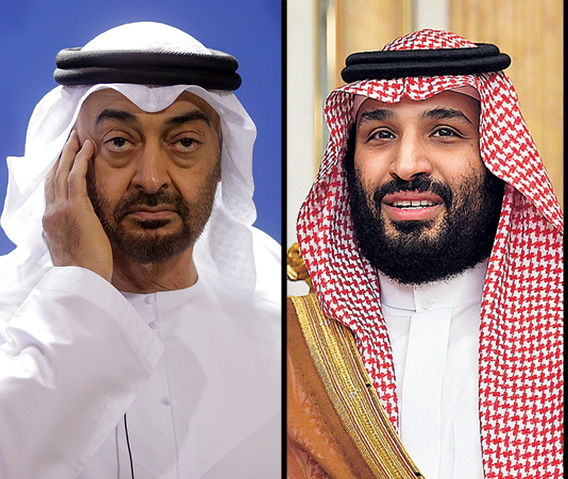
UAE leader Mohammed bin Zayed, Saudi Crown Prince Mohammed bin Salman
(Photo: AP, Reuters/ Saudi Press Agency/Handout)
Where does Israel’s recognition of Somaliland fit into this picture? While not a direct participant in the Yemeni conflict, Israel’s move dovetails with broader regional dynamics. It faces both direct and indirect threats from the Houthis to freedom of navigation, and the UAE—an Abraham Accords partner since 2020—remains a key regional ally. Somaliland offers a civilian-strategic vantage point on the Yemeni theater without drawing Israel directly into its quagmire.
Southern Yemen, once a peripheral theater, has thus become a flashpoint in the contest between Saudi Arabia and the UAE over the future of post-war Yemen—and potentially over the regional order at large. Somaliland, for its part, sits at the intersection of this contest, global trade routes, the Houthi threat and Israeli interests. While Israel’s move did not create this dynamic, it fits squarely within it, underscoring how the Horn of Africa, southern Yemen and the Red Sea now form a single, interconnected arena where every diplomatic act is also a geo-strategic calculation.
Lior Ben Ari contributed to this report.