

During a phone call with ynet between rocket sirens, it becomes clear that 20-year-old Tal Doorek Aloni has already lived a life that could fill several biographies.
Born and raised in the United States to an Israeli mother and an American father, he once planned a conventional path of college studies, but instead, he veered sharply off course. Rather than enrolling, he set out on a wild road trip across Europe, followed by extended journeys with no money, just a camera, a skateboard, hitchhiking and a great deal of audacity.
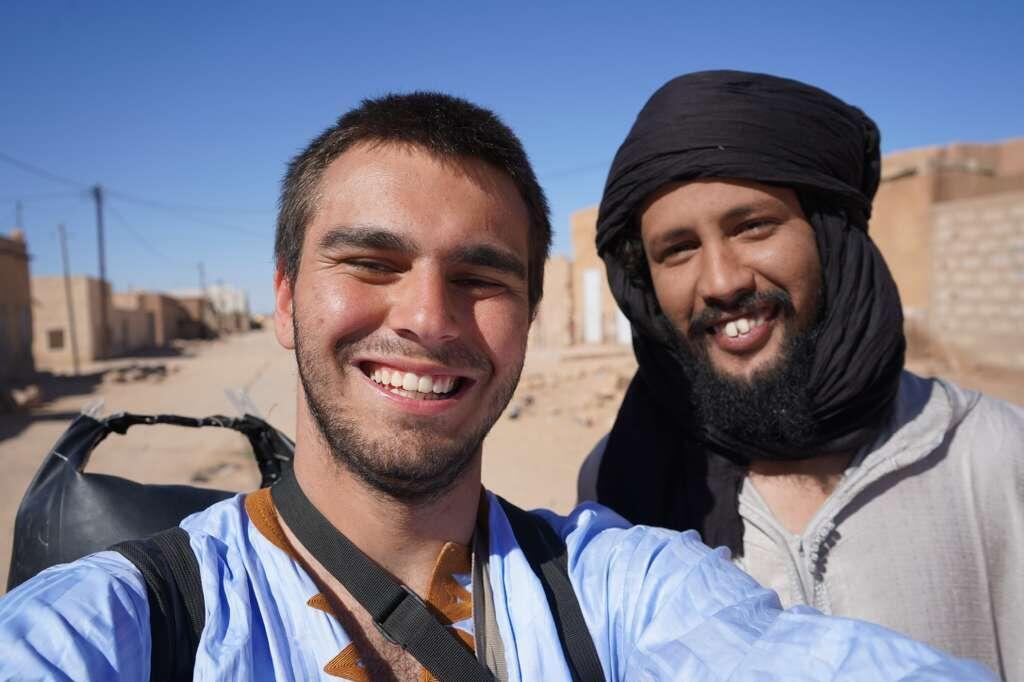
Tal Dooreck Aloni shows the world the beauty of Israel


On his 18th birthday, Aloni stumbled into a new way of life at a scooter rental shop in southern France. The daily rate was €70, and he tried to negotiate. The owner noticed his camera and offered a deal: photos and a video in exchange for a free scooter.
“I took great photos, and it was the best birthday of my life,” he recalled with a smile. The next day, he tried again at another shop, then another. “Then I realized it worked, that I could offer photos in exchange for services.”
It quickly became a system. From France, he continued to Greece, expanding the model: a video in exchange for a hotel stay, a meal, lodging or other services. Then came an even more extreme phase, backpacking through Turkey. “I landed there with zero money. Not a little, zero,” he said. “I cut up my credit card. I gave away all the cash I had and arrived in Turkey without a single dollar.”
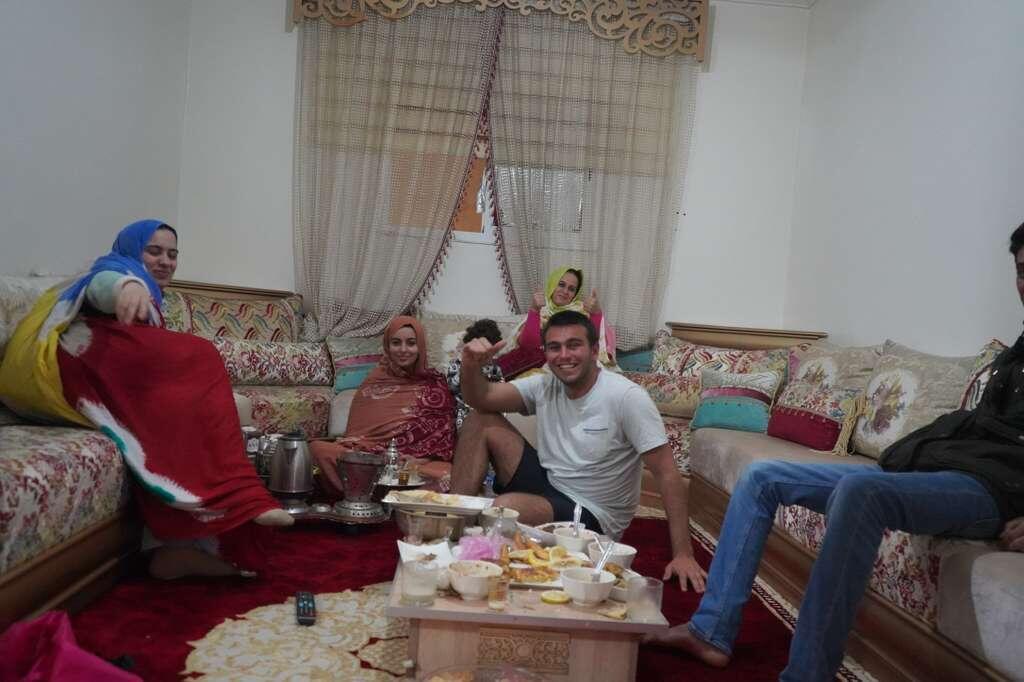
Staying with a local family in Pakistan
(Photo: Private album)
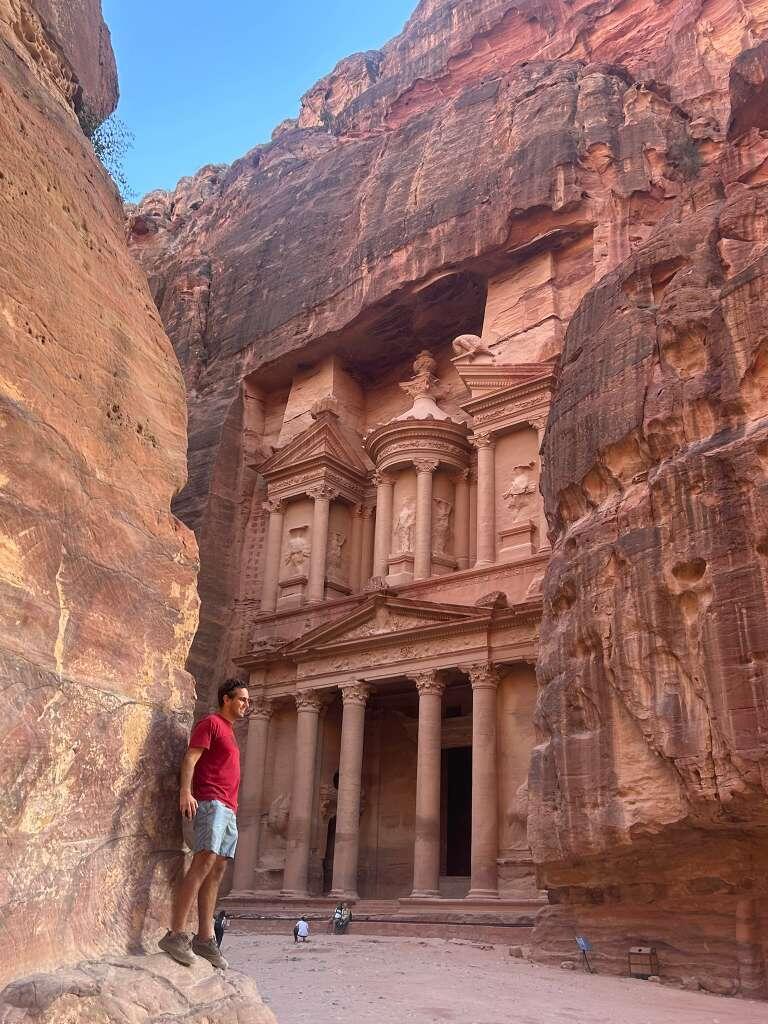
Petra, Jordan
(Photo: Private album)
From that moment, he said, his central challenge was born: traveling the world without spending money. Over more than two years, he visited 40 countries without any financial backup or cash, relying solely on his camera and self-confidence.
He would leave the airport using rides from strangers he met on flights. At night, he would walk into hotels and offer promotional videos in exchange for a place to sleep. For transportation, he used a skateboard and hitchhiking. “Instead of paying for a flight, I’d make a video for a business, and they would pay for my next ticket,” he said.
The secret of ‘Talal’ in Arab countries
Aloni also traveled through Pakistan, Mauritania and the Sahara Desert, but his journeys carried a constant tension between the identity he concealed and the one he now chooses to emphasize.
During his travels in Oman, he met a young Iranian woman. At the time, she knew him only by the alias “Talal,” a name he used in Muslim countries, where for safety reasons he presented himself as half-Muslim.
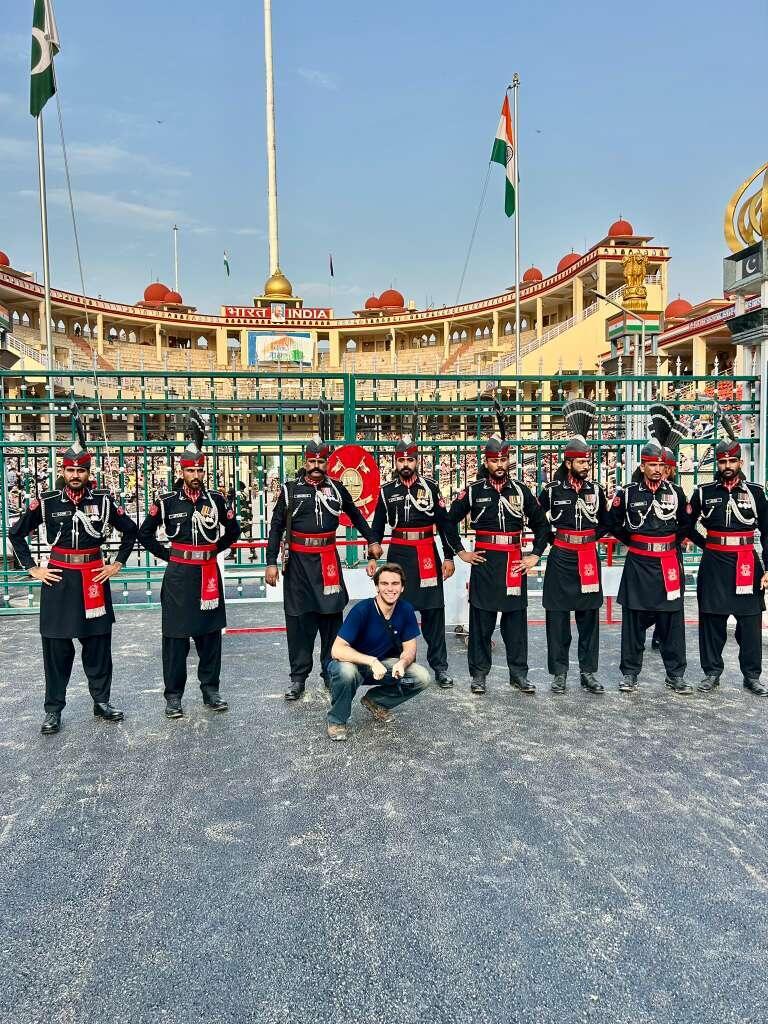
At the Pakistan-India border
(Photo: Private album)
Only after several days, when he felt safe, did he tell her the truth. “I told her I had to share something, but she couldn’t tell anyone,” he said. “I was afraid someone might try to hurt me just because I was Israeli.”
When he finally revealed that his grandfather was born in Tehran and later moved to Israel, her reaction surprised him. She hugged him and said, “We are siblings. We are family.”
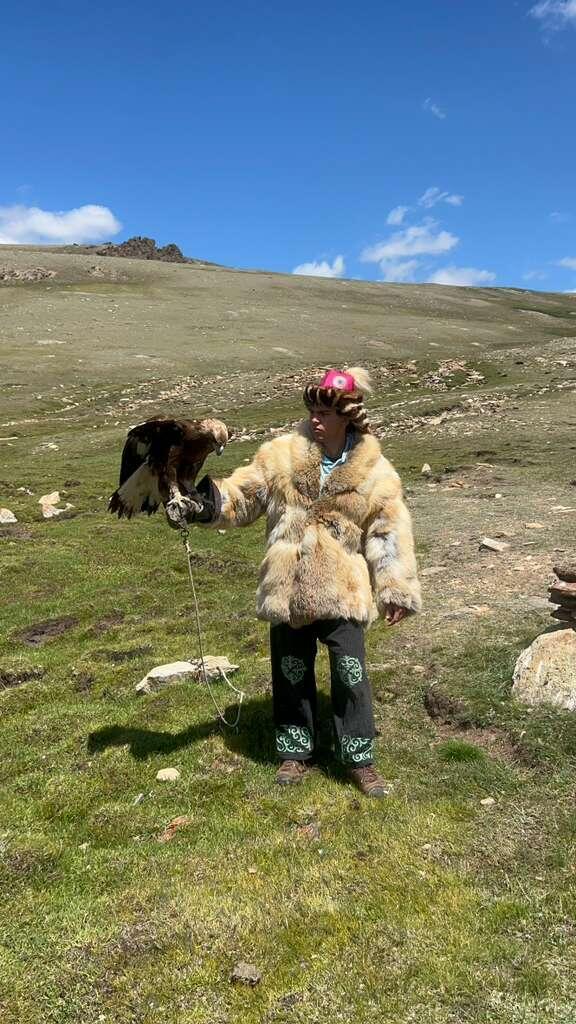
Mongolia
(Photo: Private album)
Not all encounters ended that way. He also described cases where people who had hosted him later discovered he was Israeli and responded with hostility, sending hate messages and threats.
In Morocco, for example, a man who had invited “Talal” to an iftar meal (the evening meal served at sunset to break the daily fast) during Ramadan later wrote to him that he hated him and would try to harm him if they met again.
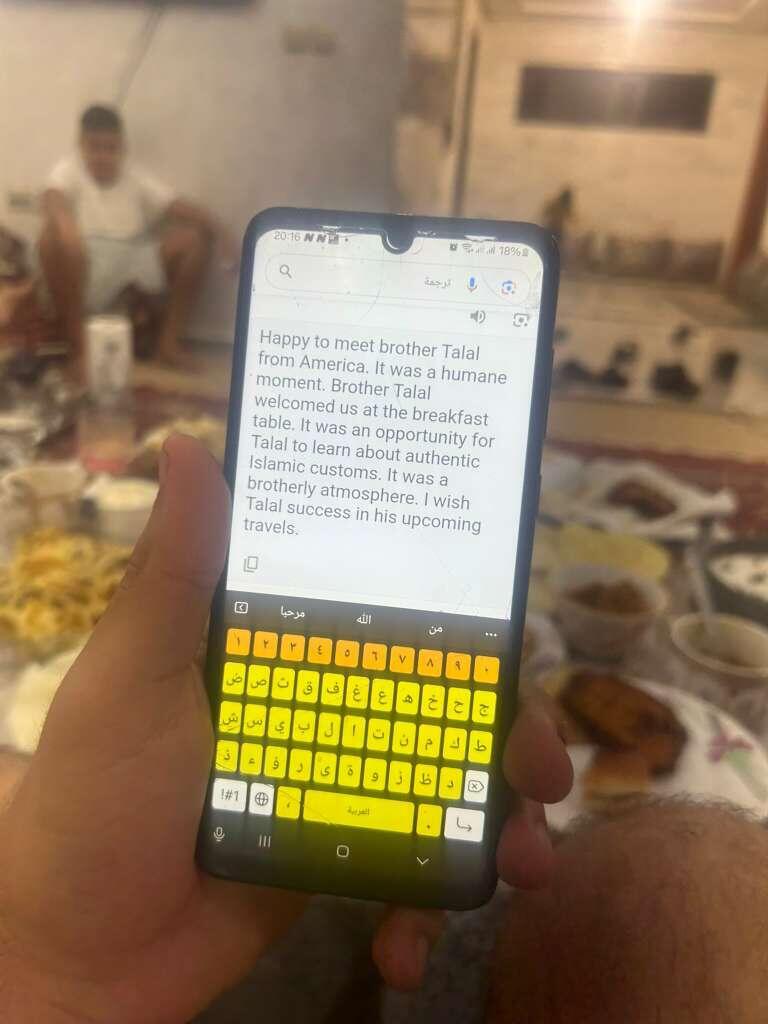
An invitation to a stranger’s home
(Photo: Privaet album)
According to Aloni, the decision to hide his identity was not about convenience but exhaustion. “Every time I traveled, I had to delete any video of me in Israel,” he said. “Every Instagram story about Israel had to go. I didn’t want to be identified with Israel.”
War and the decision to stop hiding
About a year ago, he arrived in Israel to begin studies at Reichman University in Herzliya, but after a couple of months, he felt the urge to leave again. He took his 82-year-old grandfather, who was born in Iran, and set out on another journey in Africa, again with no money.
Then the war broke out. That moment marked a turning point. Instead of hiding his Jewish identity, he made it central to his content. “I decided to dedicate my social media entirely to promoting Israel,” he said
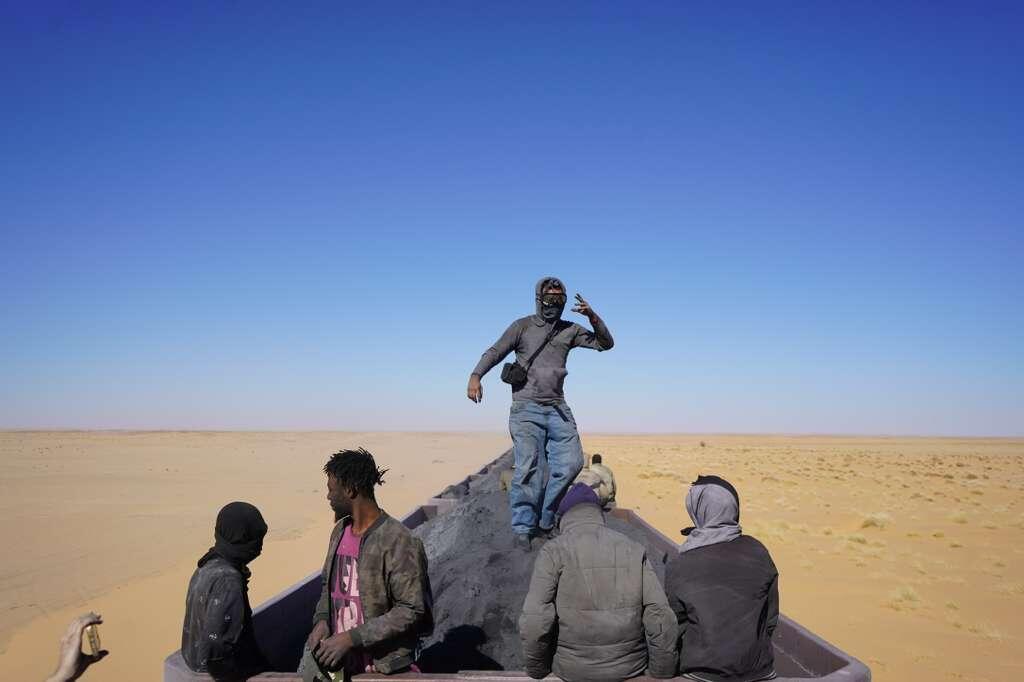
In the middle of the desert: Tal Dooreck Aloni
(Photo: Private album)
Since then, he has been posting videos about life in Israel during wartime, describing sleepless nights interrupted by rocket attacks, sirens and runs to bomb shelters. At the same time, he speaks about a growing sense of belonging.
An unexpected connection has also emerged. He says he is now in daily contact with a follower in Tehran, communicating through encrypted software.
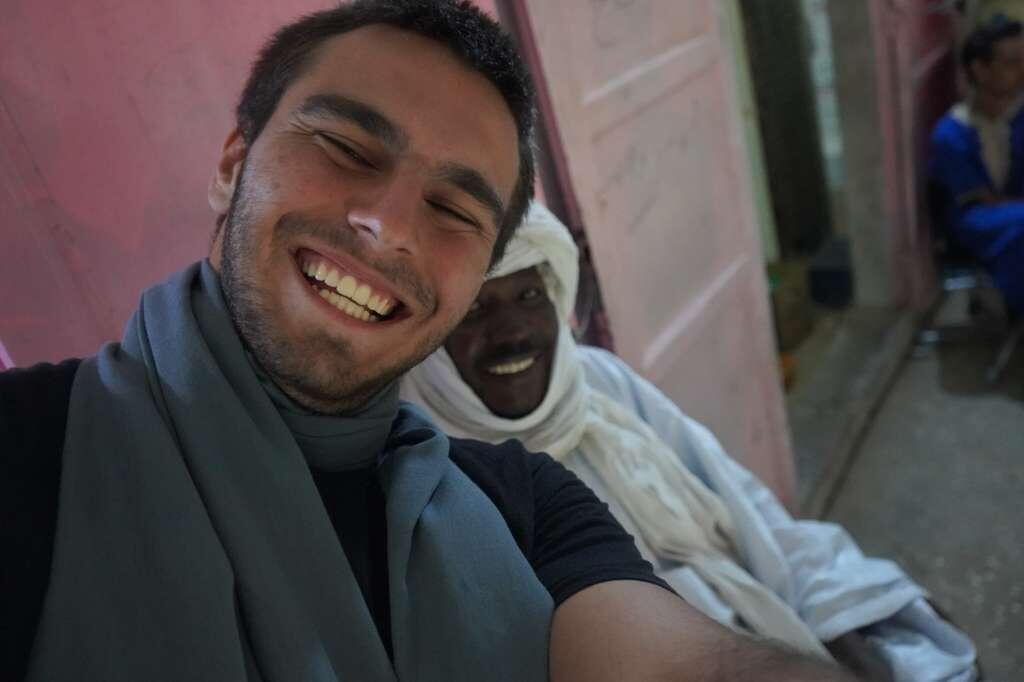
In Ethiopia
(Photo: Private album)
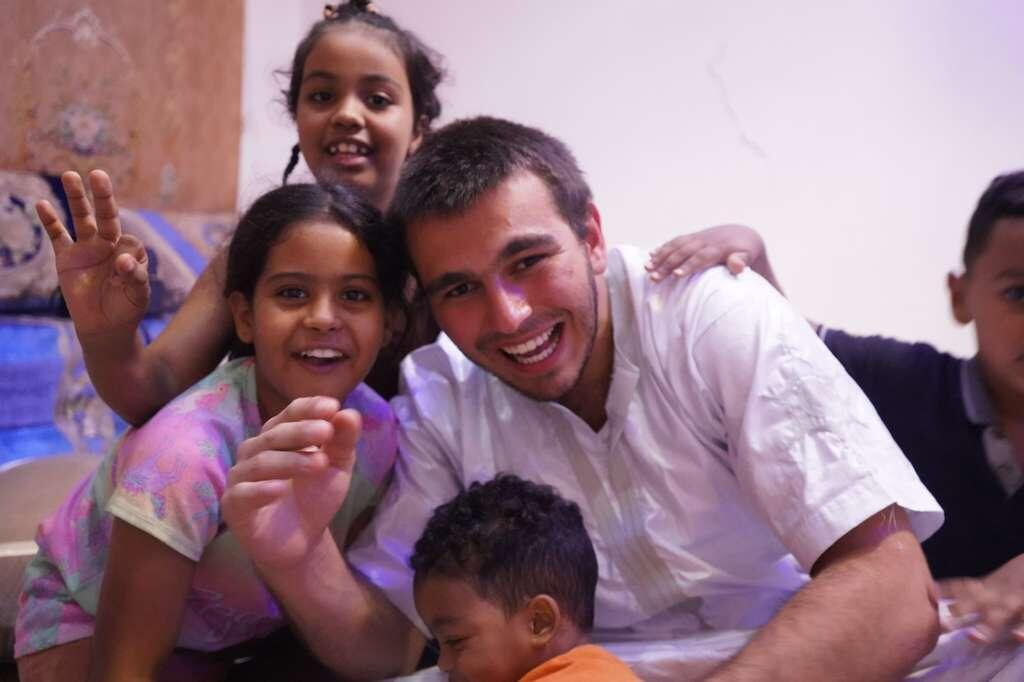
'Living with strangers'
(Photo: Private album)
“Every day we talk about how we feel,” he said. For him, his personal advocacy is not only about defending Israel but also about showing people in Iran and elsewhere that Israelis are ordinary human beings, not the caricatures they may have been taught.
“We don’t want war,” he said. “We don’t want to raise children in bomb shelters. We just want to live our lives.”
“Today, I don’t want to hide who I am anymore,” he added. “I don’t want to hide where I’m from. I don’t want to hide my religion. This is the only place where I don’t have to.”
“I’m from Miami, and Miami looks like a dream to everyone, but I feel safer here than anywhere else in the world. It’s the only place where I can be Jewish. It’s the only place where I can be proud of who I am.”
After dozens of countries, countless rides with strangers and multiple false identities, it seems this may be the most important stop in his journey.
First published: 04:40, 03.23.26