

Imagine standing on a train platform in Paris. Instead of the familiar metal carriages of high-speed trains, a row of dark blue railcars adorned with gleaming gold stripes stands before you. Attendants in elegant uniforms welcome passengers aboard, where polished wood paneling, velvet seats and 1920s-style lamps await.
Later that evening, elaborate meals will be served on silver and crystal tableware. Passengers will gather around a piano in the bar car, and when bedtime arrives, attendants will transform the seating compartments into sleeping quarters. By the following morning, the shores of the French Riviera will appear outside the windows.
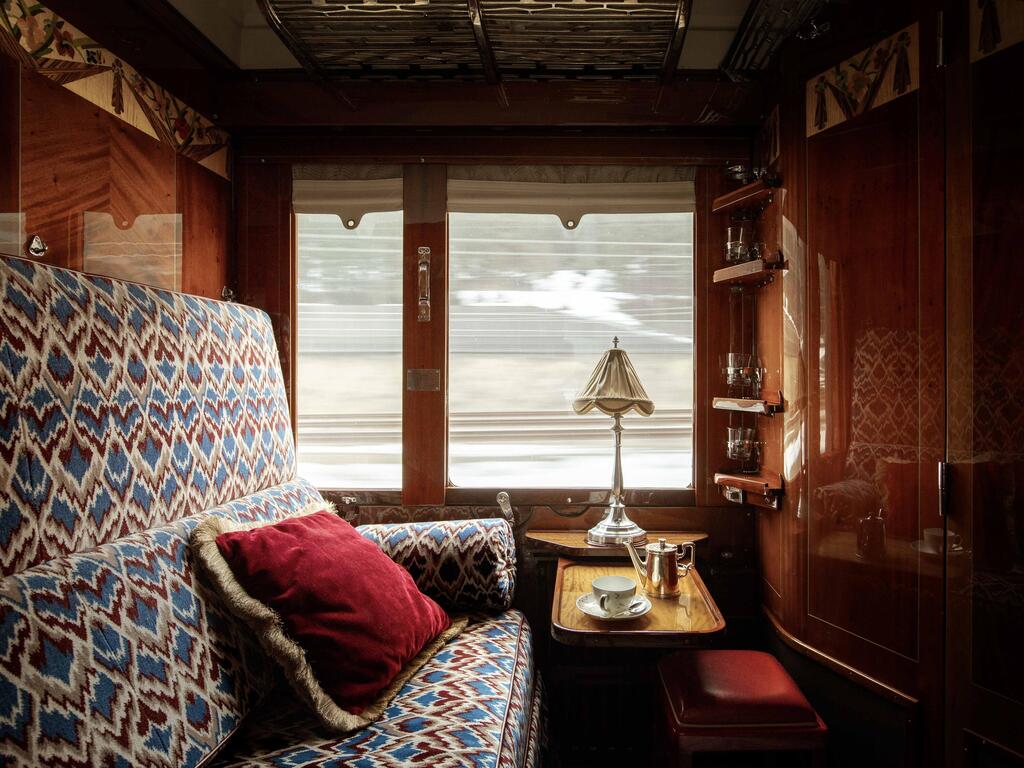
That is the experience promised by the Venice Simplon-Orient-Express, one of the most famous names in luxury rail travel, which has announced a new route from Paris to Monte Carlo, Monaco. The inaugural journey is scheduled for May 10, 2027, and the route is expected to become an annual addition to the train's itinerary, operated by luxury hospitality company Belmond.
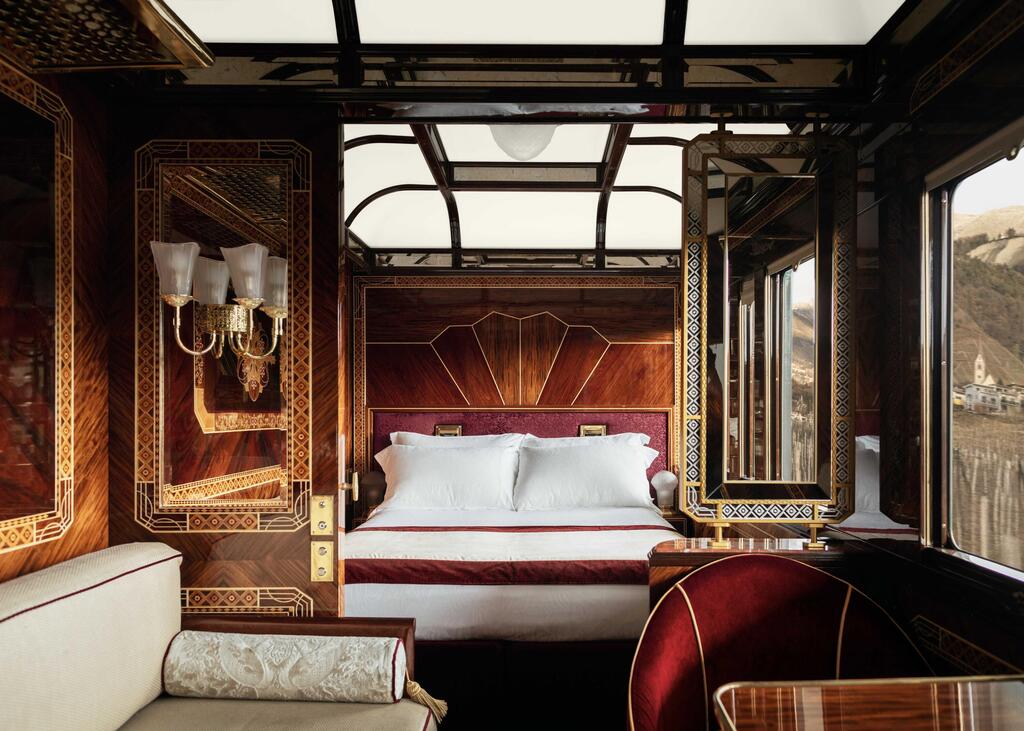
A suite featuring a double bed, sofa and table
(Photo: belmond.com)
But the experience comes with an extraordinary price tag: 4,870 euros per person, or about 17,000 shekels ($5,000), for a journey that includes one night aboard the train. A couple hoping to take the trip will need to spend at least 34,000 shekels ($10,000), before additional expenses not included in the package.
According to the schedule released by the company, the train will depart Paris at 3 p.m. and arrive in Monaco at 10:35 a.m. the following day, after a journey of approximately 19½ hours. Along the way, it will travel along the Mediterranean coast, past the reddish cliffs of the Estérel mountains and through the areas of Saint-Raphaël, Cannes and Nice. The journey will end at Monaco-Monte Carlo station, which was built into the mountainside.
What do you get for $5,000?
Despite the high prices, it is worth noting that the Orient Express is not a modern train built to provide all the comforts of a five-star hotel. Much of the experience is based precisely on preserving the original character of its historic carriages, which were built nearly a century ago.
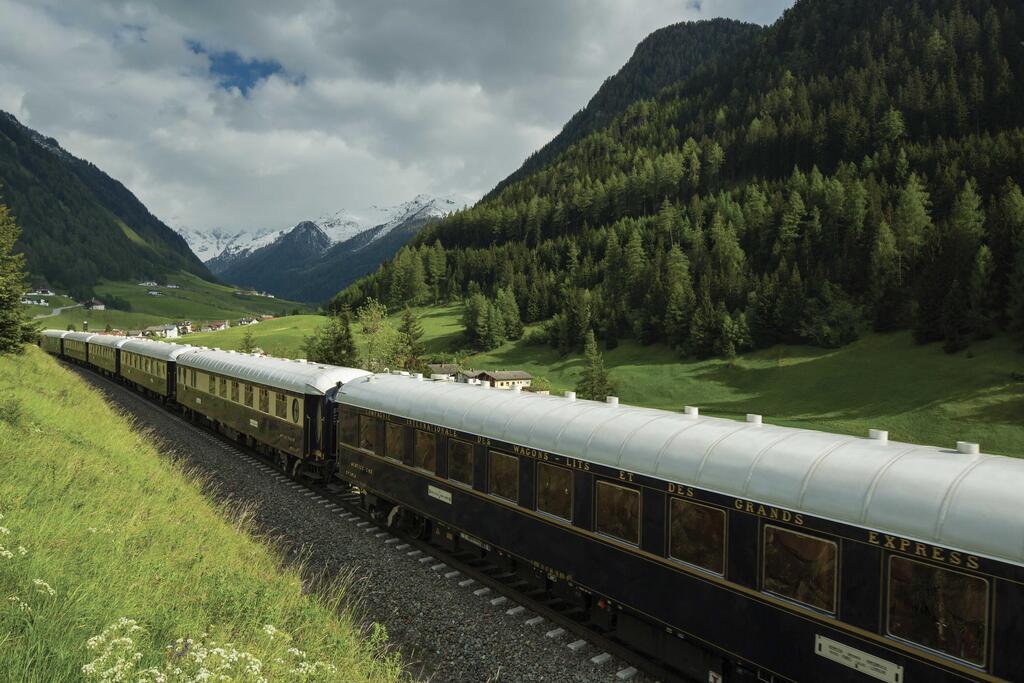
Nearly a century after they were built, the carriages still travel across Europe; the Orient Express from the outside
(Photo: belmond.com)
The least expensive option, relatively speaking, is the Historic Cabin, designed for two passengers. During the day, it serves as a small seating area with an upholstered bench, a folding table and a large window. In the evening, an attendant transforms the space into a bedroom with two bunk beds.
The compartment includes a small cabinet with a washbasin and toiletries, but it has no private toilet or shower. Toilets are located at the end of the carriage, and passengers in the historic cabins cannot shower during the journey.
Those seeking greater comfort can book one of the upgraded suites. These offer bedrooms with a double bed or twin beds, a seating area and a private marble bathroom with a shower and toilet. Their design combines decorative wood paneling, velvet fabrics, mosaics and Art Deco-inspired furniture.
The Orient Express, Europe's luxury train
(Photo: belmond.com)
Above these are six Grand Suites named after European cities: Paris, Venice, Istanbul, Vienna, Prague and Budapest. Each has a separate sleeping area, living room, luxurious bathroom and personalized service. Prices are significantly higher than the basic fare and vary according to the route and availability.
But the train's most exclusive accommodation is L'Observatoire, a private carriage designed by French artist JR. It features a bedroom with a circular skylight, a living room with a record player and vinyl records, a library, a hidden tearoom and a bathroom with a freestanding bathtub.
In effect, it is a small luxury apartment on wheels, complete with round-the-clock personal service and the option of private dining. Accommodation in the carriage is available by special booking, with pricing determined separately. Belmond presents it as one of its most luxurious offerings but has not published a specific price for L'Observatoire on the new Monaco route.
Fine dining, piano music and a strict dress code
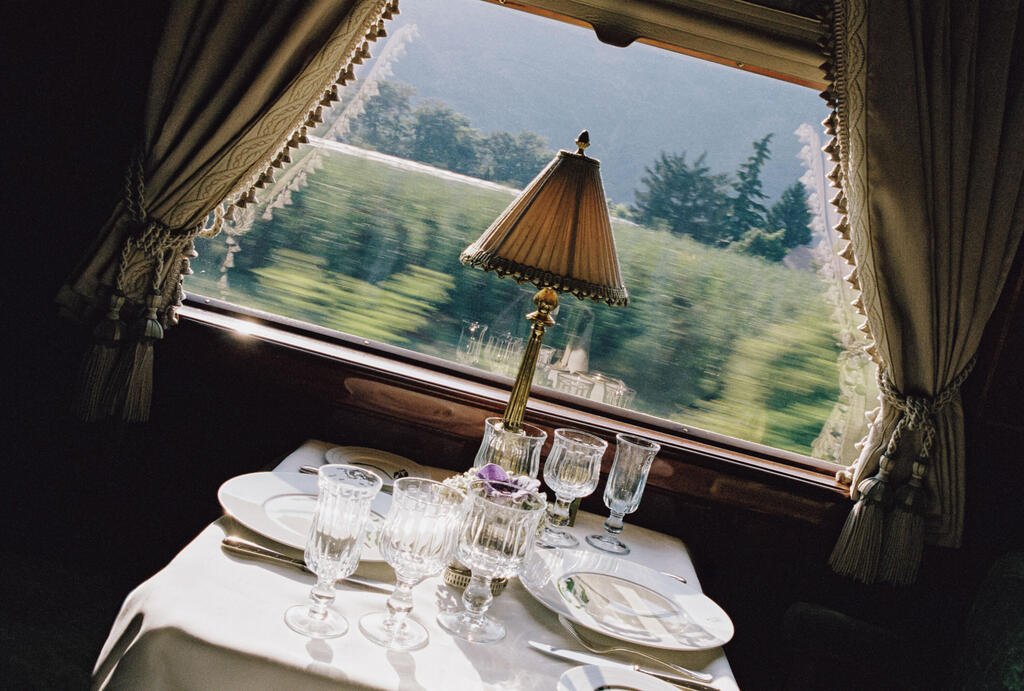
Much of the social experience aboard the train takes place in its dining cars and bar car. The new route will feature two historic dining cars, Étoile du Nord and L'Oriental, decorated with wood paneling, period lighting, white tablecloths and elegant tableware.
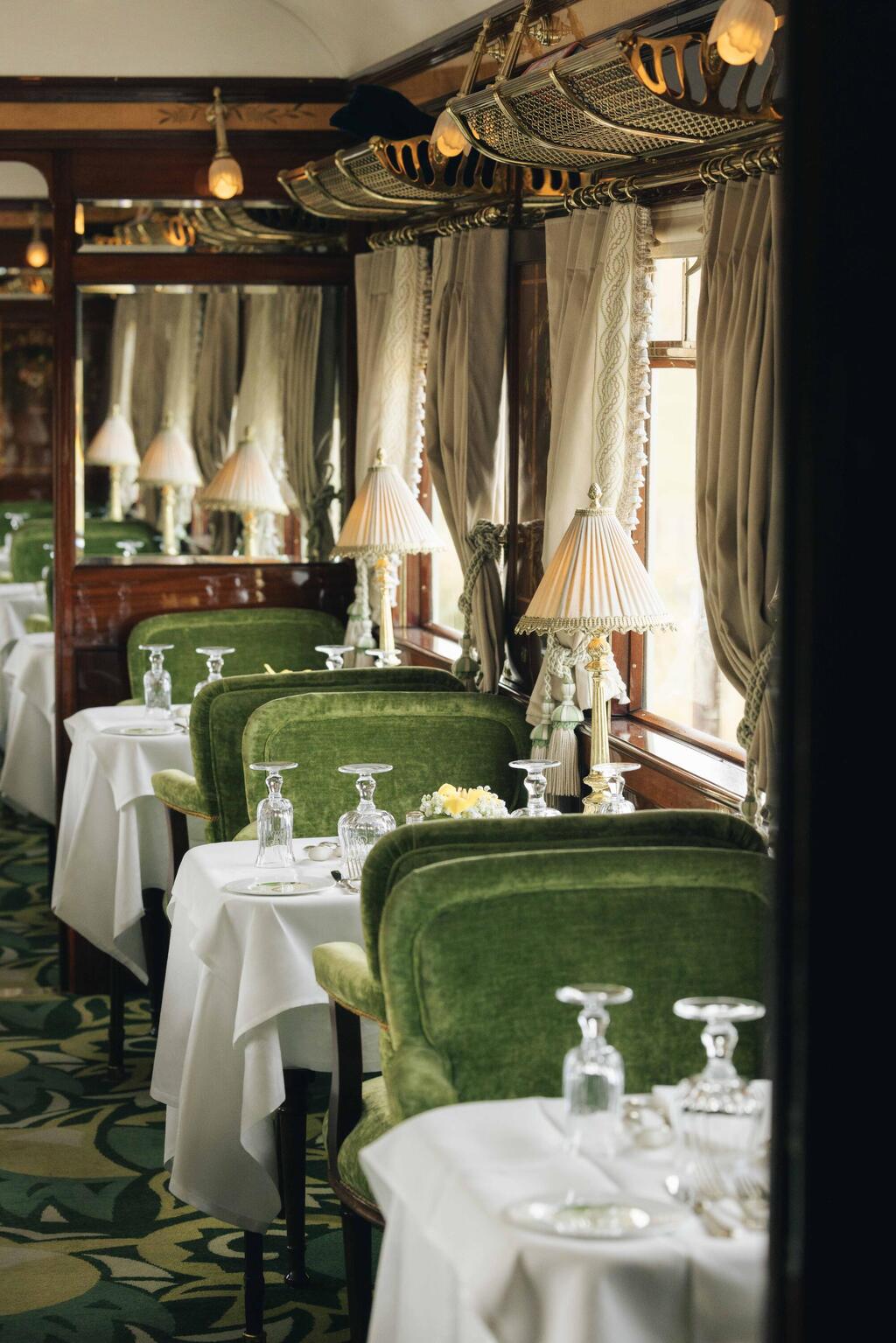
White tablecloths, velvet armchairs and crystal glassware: dinner aboard the Orient Express
(Photo: belmond.com)
The fare includes a four-course dinner, a three-course lunch and a French breakfast, along with wines selected by the sommelier and soft drinks. Cocktails and other beverages may cost extra.
After dinner, many passengers head to bar car No. 3674. Decorated in shades of dark blue, with upholstered furniture, brass accents and a piano, it serves as a gathering place for conversation, cocktails and live music.
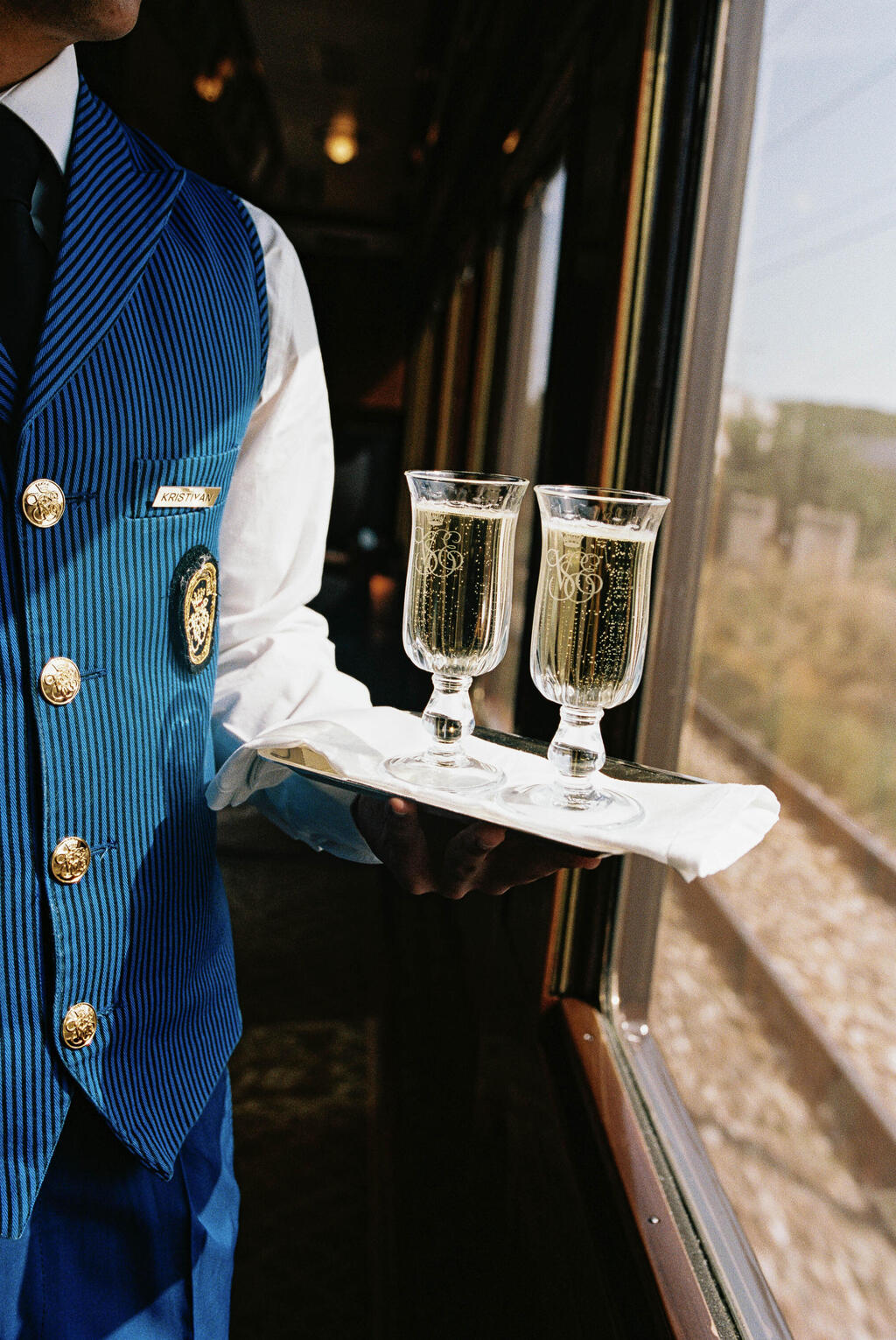
Even the cocktails are served in an early 20th-century atmosphere
(Photo: belmond.com)
But this is not the kind of outing where passengers can show up in flip-flops and shorts. The train has a formal dress code, and guests are expected to wear elegant evening attire for dinner. Suits, evening gowns and tuxedos are an integral part of the atmosphere.
Even during the day, passengers are expected to dress smartly, and the company makes clear that jeans are not permitted at any point during the journey.
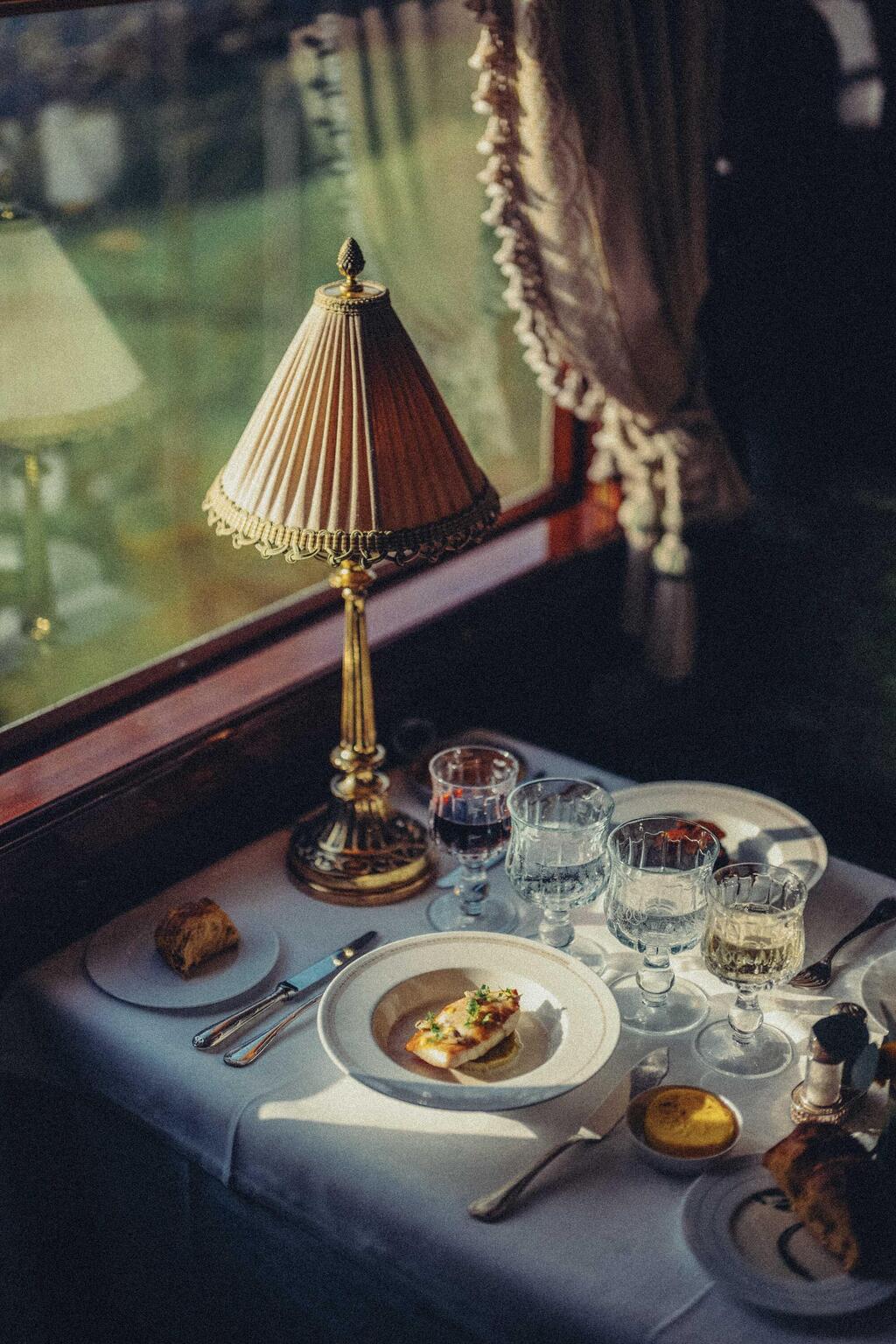
A four-course meal with ever-changing views outside the window
(Photo: belmond.com)
Technology use is also somewhat restricted. Although Wi-Fi is available aboard the train, the company warns that the connection may be unreliable in rural areas and asks passengers to limit their use of phones and electronic devices to their private compartments.
What do passengers who have experienced the train say?
Behind the carefully curated images released by the company lies a somewhat more complicated experience.
Journalists who have traveled on existing routes describe exceptional personal service and an atmosphere difficult to find on other forms of transportation. But they also point to small compartments, a lack of modern comforts and, occasionally, significant delays.
Erica Firpo, a journalist for travel magazine AFAR, traveled from Venice to Paris and published a detailed account of her experience in May 2026.
She described the moment she entered the restored carriages, the wood and brass interiors and the passengers who arrived for dinner in formal attire, some even wearing clothing inspired by the 1930s.
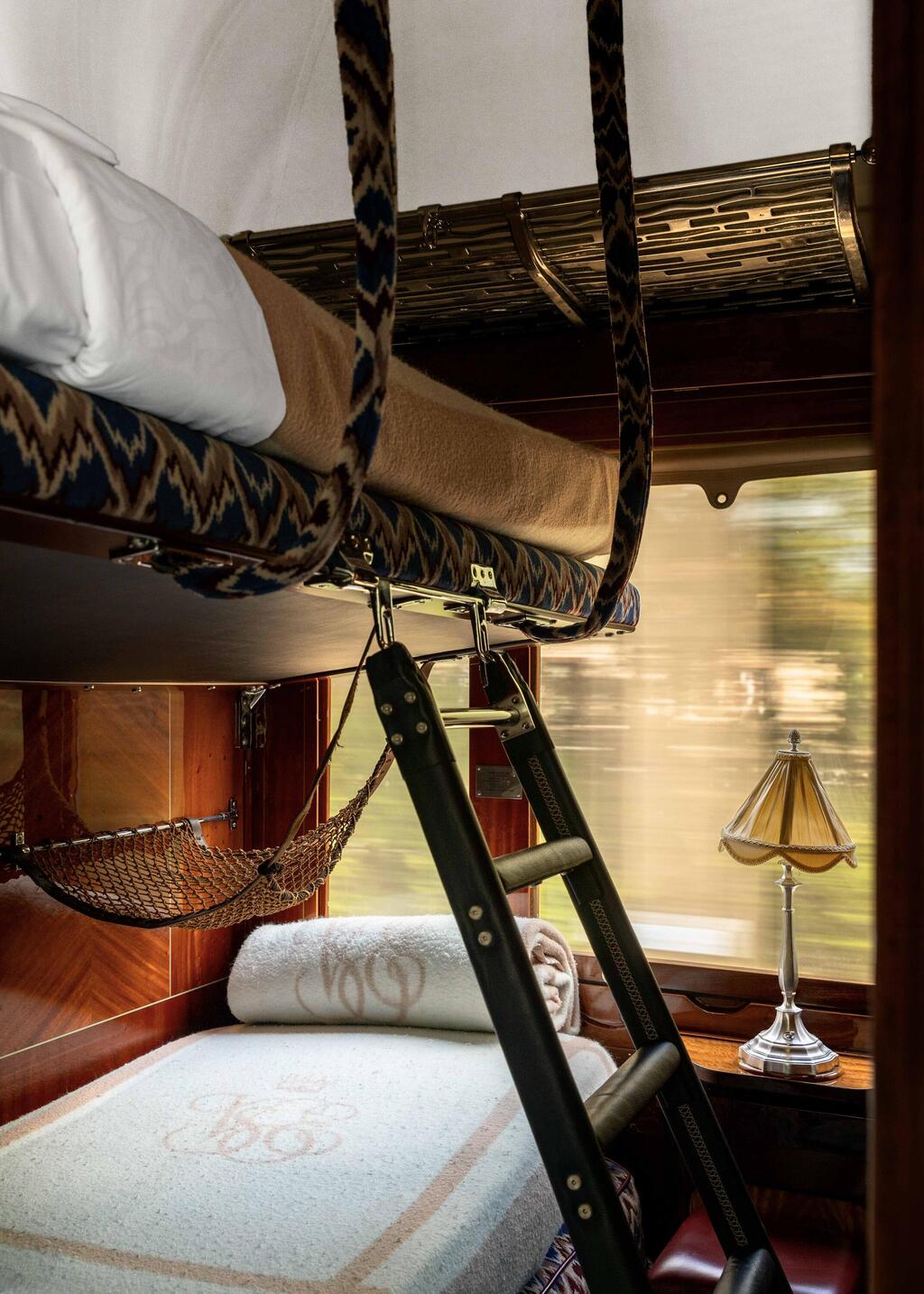
Inside a basic cabin: two bunk beds
(Photo: belmond.com)
According to Firpo, the train is narrower and more cramped than modern trains, and its swaying motion is clearly noticeable throughout the journey.
The biggest problem on her trip, however, was the schedule. A journey originally expected to last about 30 hours stretched to roughly 40 hours because of track maintenance and rail traffic disruptions.
Belmond responded to the delay by serving an additional dinner, and Firpo said the extra time aboard ultimately became part of the experience.
Sarah James, a writer for Condé Nast Traveller who traveled with her mother from Paris to Tuscany in May 2025, was similarly impressed by the service and atmosphere.
She described an attendant who escorted them to their compartment, explained how it could be transformed from a sitting room into a bedroom and looked after their needs throughout the journey.
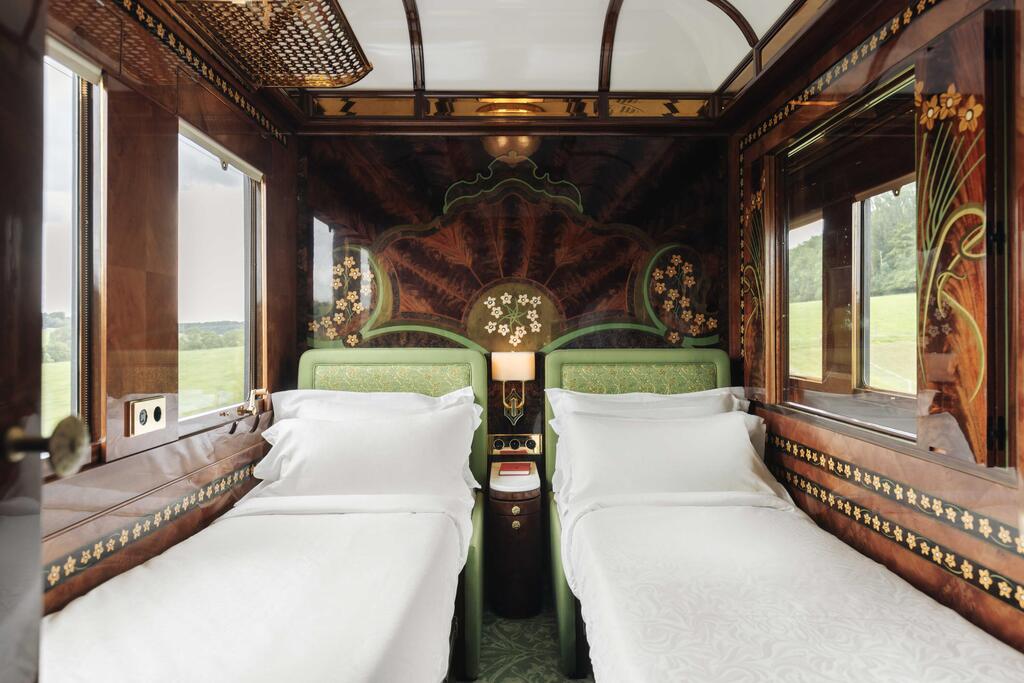
A night on the rails: one of the Orient Express's upgraded suites
(Photo: belmond.com)
However, James emphasized that choosing a historic cabin also meant making genuine sacrifices in comfort. Without a shower, the two women had to make do with basic washing at the compartment's sink.
On the positive side, she praised the availability of electrical outlets and USB ports, as well as the attentive service and the bar car, where a pianist performed.
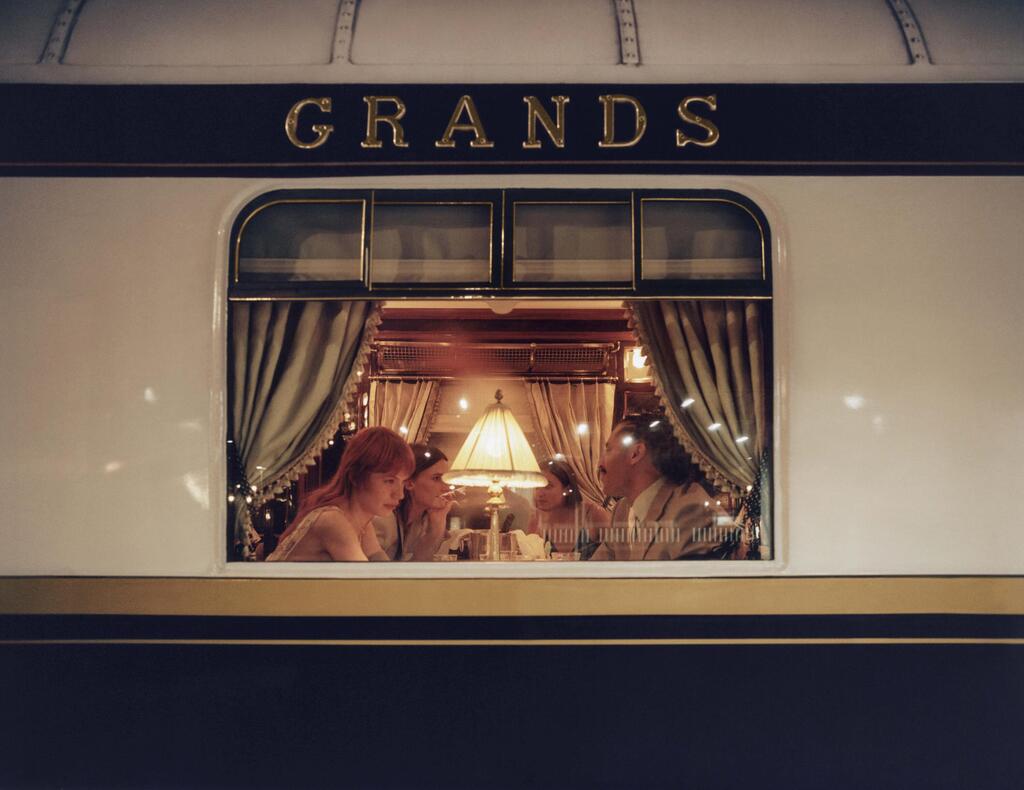
A night out aboard the Orient Express
(Photo: belmond.com)
In another article published in ELLE magazine in early October 2026, journalist Kathleen Hou described a journey from Paris to Florence.
She spoke with Pascal Deyrolle, the train's general manager, who explained that the experience was designed to encourage passengers to spend time outside their compartments and get to know one another.
"If you want to sleep, don't come," Deyrolle said, referring to the train's nightlife.
According to him, the bar remains open as long as guests are there. Among those who have previously sat down at its piano was Rolling Stones guitarist Keith Richards, who played for the staff after the other passengers had gone to bed.
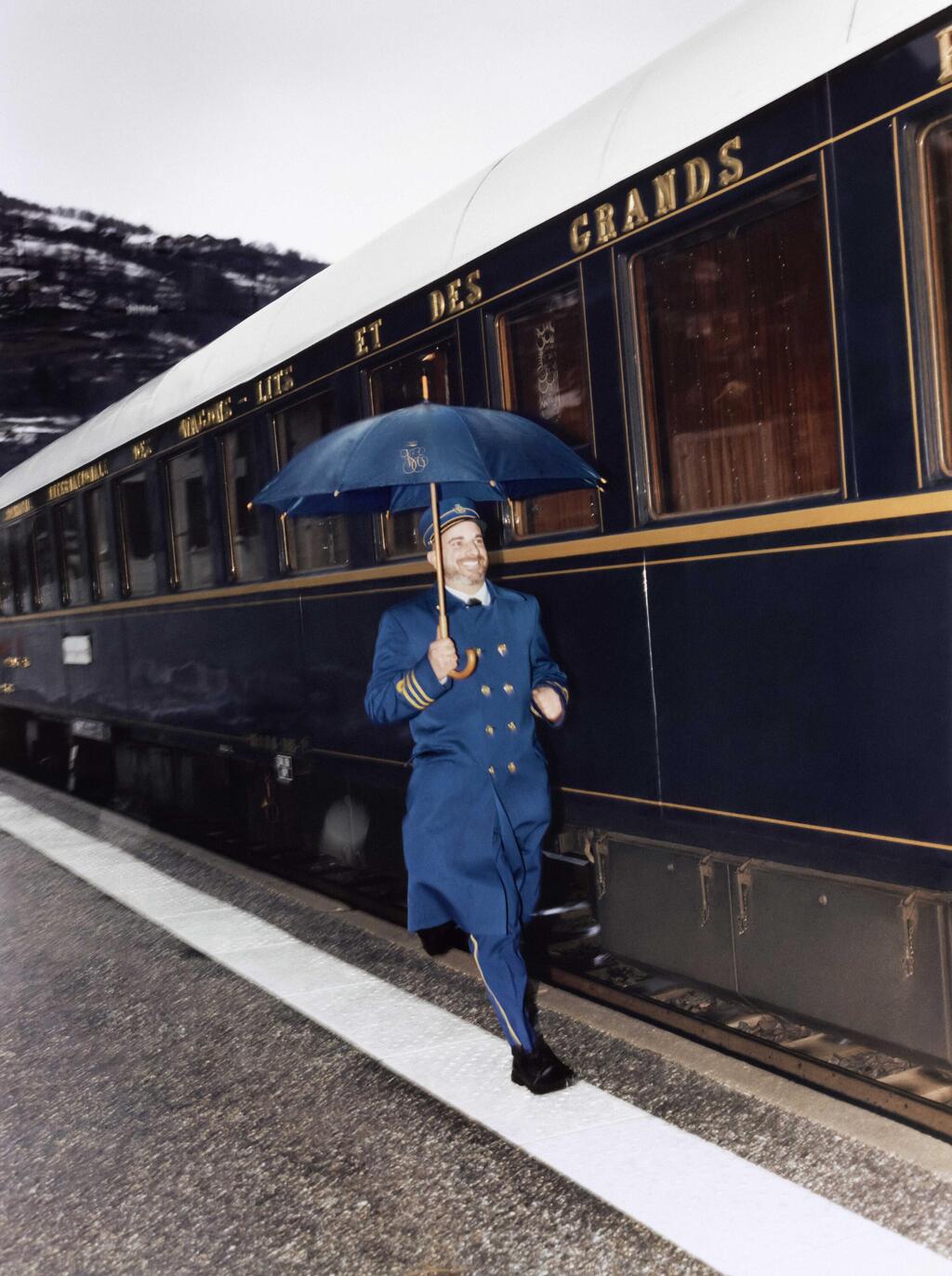
Elegant uniforms and matching umbrellas: How passengers are welcomed aboard
(Photo: belmond.com)
All three accounts describe previous routes rather than the new journey to Monaco. Nevertheless, they illustrate that the high price does not necessarily guarantee the comfort, space or punctuality passengers might expect from a modern luxury hotel.
For some travelers, it appears that the slow pace and the opportunity to disconnect from everyday life are central to the attraction.
The train that became a legend — and its surprising connection to Monaco
The story of the original Orient Express began in 1883, with a rail service connecting major European cities that eventually became a symbol of luxury travel.
The train also secured a prominent place in popular culture, notably through Agatha Christie's famous novel "Murder on the Orient Express."
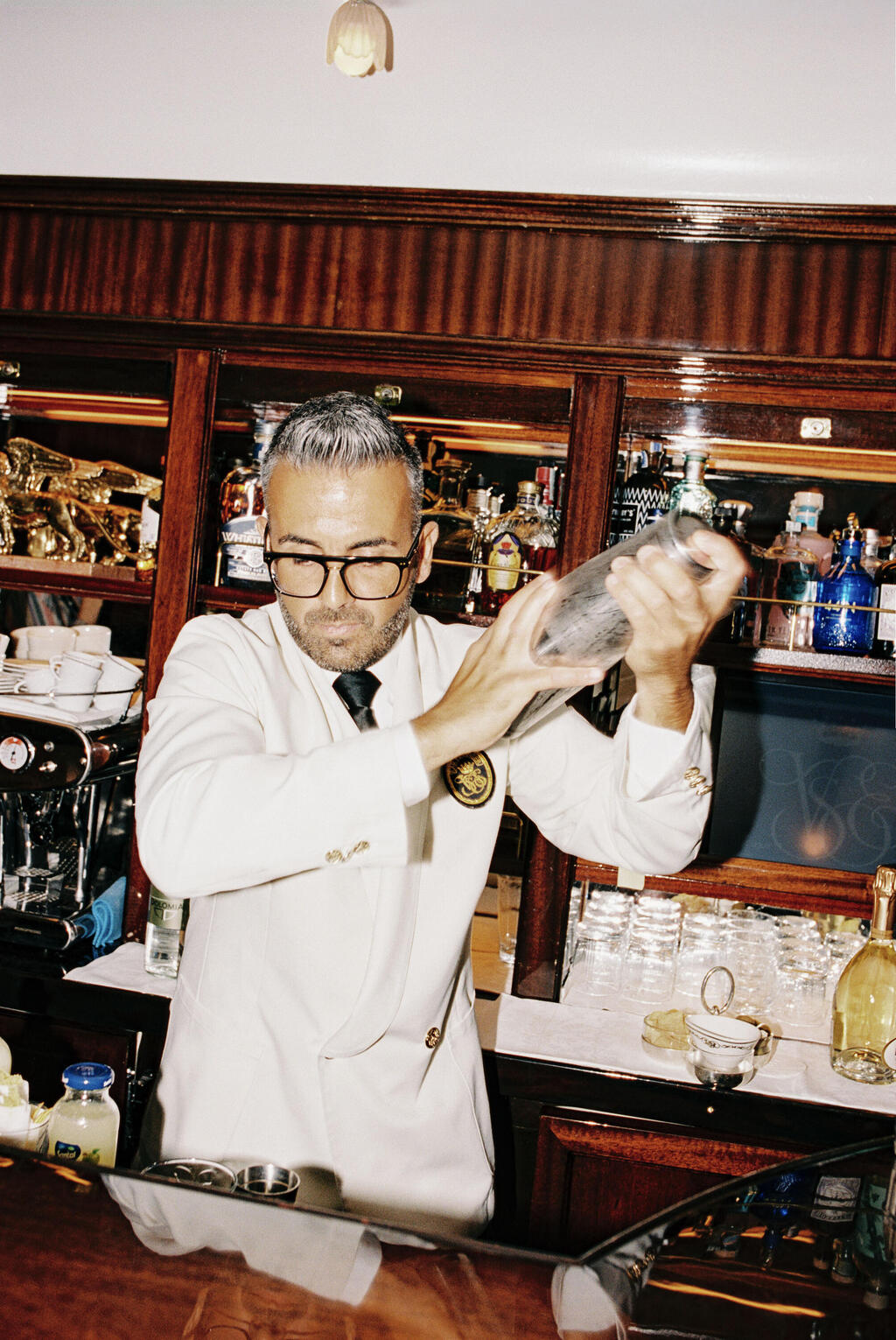
Car No. 3674 houses the famous bar, where the festivities continue until the last guest retires for the night
(Photo: belmond.com)
The train operated today by Belmond is not the same service that ran in the 19th century. Instead, it consists of historic carriages collected from across Europe, restored and returned to service in 1982.
Its connection to Monaco dates back to 1977, when American businessman James Sherwood attended an auction of historic railway carriages in Monte Carlo.
The first two carriages were sold to the king of Morocco, while Sherwood purchased the next two for $104,000.
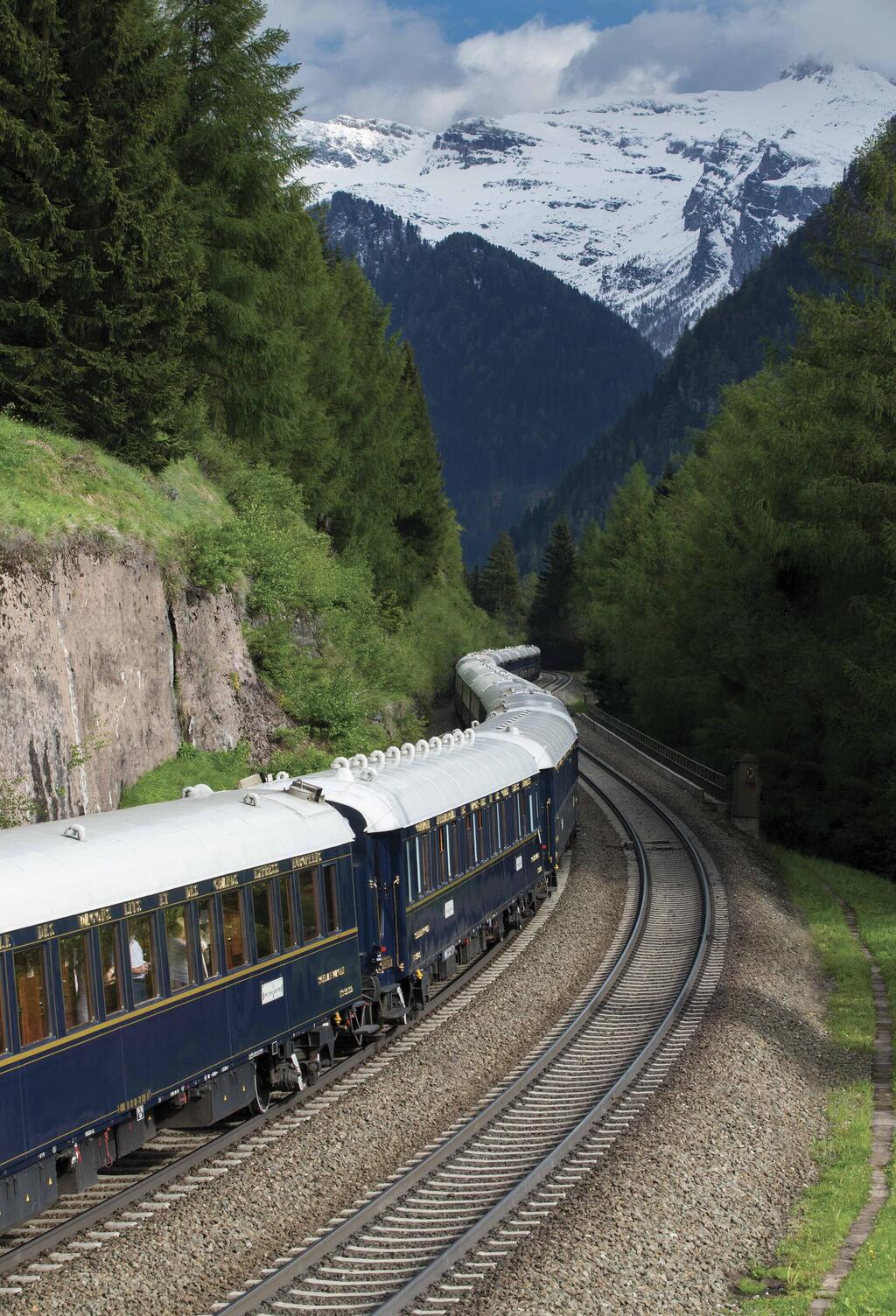
Through mountains and rocky landscapes for nearly a century: The Orient Express
(Photo: belmond.com)
That purchase marked the beginning of an ambitious project. Over the next five years, Sherwood tracked down additional abandoned carriages across Europe and invested approximately $20 million in acquiring and restoring them and returning the train to service.
On May 25, 1982, the revived Venice Simplon-Orient-Express made its inaugural journey from London to Venice, with actress and singer Liza Minnelli among its passengers.
Now, nearly five decades after the auction that sparked its revival, the train is set to arrive in Monte Carlo for the first time as part of its scheduled journeys.
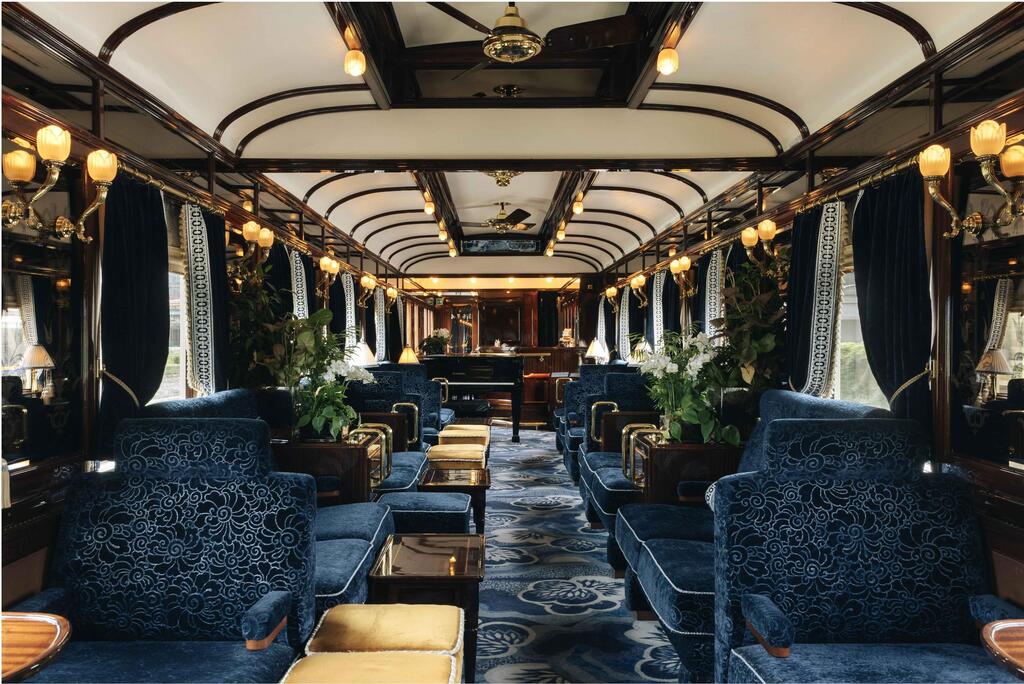
The historic bar car features blue velvet armchairs, warm lighting and a piano
(Photo: belmond.com)
There are, of course, much faster and cheaper ways to travel from Paris to Monaco. But the Orient Express is not trying to compete with them.
Instead, it invites passengers to pay an extraordinary sum precisely to slow down, dress up for dinner, put their phones aside and pretend, if only for one night, that they are living in another era.