

Until just a few weeks ago, 2026 was shaping up to be another particularly strong year for the Middle East tourism industry. Dubai, for example, entered the year with especially robust traffic forecasts, and many in the industry expected the spring season to be busy as well.
But the war that erupted at the end of February upended those expectations. Partial airspace closures across the region, widespread flight cancellations and ongoing disruptions forced tourists, airlines and travel agencies to rapidly change their plans.

The economic impact is already being felt. According to an estimate by the World Travel and Tourism Council (WTTC), the region is currently losing about $600 million a day in tourism revenue. At the same time, aviation analytics firm Cirium estimates that more than 46,000 flights have been canceled in the region since the conflict began, illustrating the scale of the shock now hitting the aviation and tourism sectors.
The shift is being driven largely by travelers from the UK and other European countries, who typically look for relatively short winter and spring sun vacations. Once several Western airlines suspended or reduced major routes to Middle Eastern destinations, and travel warnings were issued by some Western governments, many travelers chose to steer clear of the region and opt for more stable alternatives.
Iranian drone strikes a high-rise in Dubai


So where is everyone flying instead?
The new map of demand now splits into two main directions: southern Europe and the Caribbean. Among nearby destinations, countries in southern Europe and the western Mediterranean are seeing a rise in demand.
Travelers looking for a quick, accessible and relatively stable alternative are redirecting their vacations to Spain, Italy, Malta and Croatia. While these destinations do not always offer the desert heat of the Gulf, areas such as the Canary Islands, Sicily and Malta’s coastline provide mild weather, easy access and a greater sense of certainty, making them especially attractive for families and travelers reluctant to venture far.
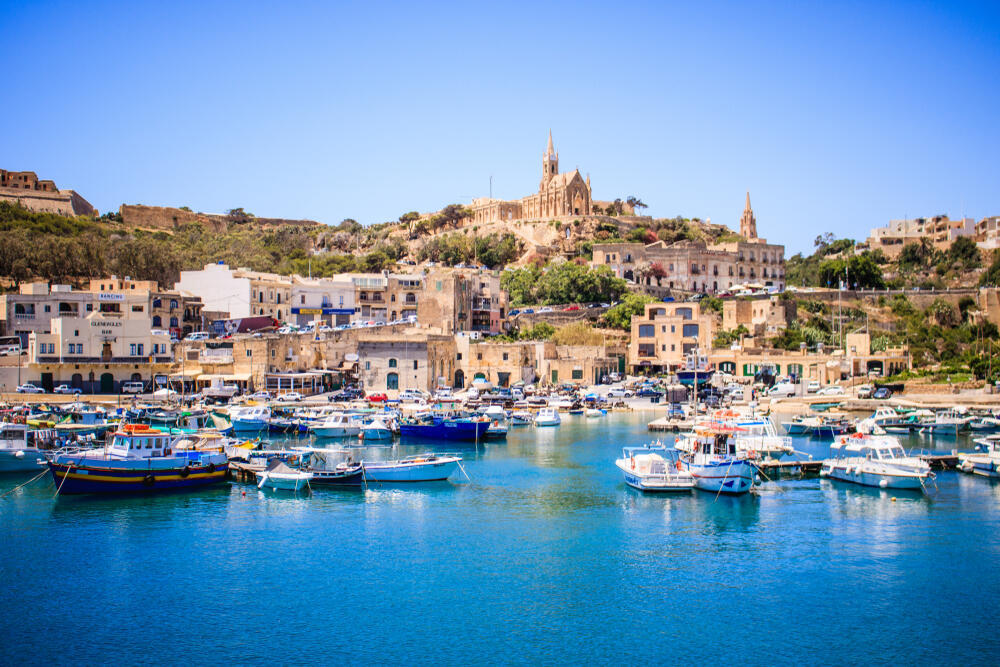
Malta, a popular alternative to Middle East destinations
(Photo: Shutterstock)
At the same time, travelers unwilling to give up a classic sunshine vacation of beaches, turquoise water and resorts are redirecting their budgets to longer flights to the Caribbean. Jamaica and the Dominican Republic are among the destinations benefiting most from the shift.
A quick look at Britain’s Daily Mail also reflects the changing trend. The hugely popular tabloid and news website, known for its influence on consumer habits and tourism trends, recently published a list of “replacement destinations” for Middle Eastern trips.
For example, instead of flying to Dubai for skyscrapers, luxury shopping and a flashy urban backdrop, the Daily Mail suggests Hong Kong. The city offers a similar high-end urban experience, including massive shopping complexes such as Harbour City.

Hong Kong, a wartime alternative destination
(Photo: Lee Yiu Tung / Shutterstock)

Tirana, Albania
(Photo: Argouillat Photo / Shutterstock)
For travelers who had planned to visit Abu Dhabi for desert scenery and sand-dune excursions, the recommendation is to skip the Gulf entirely and head to U.S. national parks such as Death Valley or the Great Basin Desert.
To compensate for lost beach vacations in Egypt, the paper suggests a more distant option: Western Australia’s Coral Coast, known for its white beaches and pristine reefs.
And for tourists who planned to travel to Turkey or Cyprus for all-inclusive resorts and relatively short flights, the recommendation is to head west instead to the Greek islands or Mallorca in Spain.
Even the Maldives now has a suggested alternative. Because many flights to the islands connect through the Middle East, direct routes that bypass the region have surged in price, with Easter vacation packages climbing above £7,000 (about $9,000). The Daily Mail’s solution for clear water and tropical scenery at a more reasonable cost is Albania, which has earned the nickname “the Maldives of Europe.”

A Dubai high-rise damaged by an Iranian drone strike
(Photo: AP Photo/Fatima Shbair)
The shift, however, comes at a cost. According to a report in Britain’s The Guardian, the sharp rise in demand for Caribbean destinations has also driven up flight prices. In some cases, travelers have had to pay as much as £1,000 (about $1,300) more for an economy-class ticket.
In other words, many travelers are now willing to pay significantly more to move their vacation farther away from areas of tension.
Despite the current situation, it is still too early to determine who will emerge as the biggest winners of the crisis and which destinations will suffer the deepest losses. The tourism industry has repeatedly shown its ability to rebound quickly even after major upheavals.
For now, however, one thing is already clear: the longer the war in the Middle East continues, the greater the blow to the region’s tourism industry. According to Oxford Economics, in the case of a prolonged conflict, the Middle East could see tourist arrivals drop by as much as 27% during 2026, representing a loss of about 38 million visitors.
Even under a more moderate scenario, the decline would still be significant. In other words, even if the full scope of the impact is not yet clear, the industry already understands that this is not just a temporary wave of cancellations.
First published: 21:27, 03.15.26