

Israel is the second‑largest source of inbound tourism to Cyprus after the United Kingdom, according to data from the Cyprus Tourism Ministry in Israel. In 2025, approximately 590,000 Israeli tourists visited the island — about 13% of all visitors that year. The implication is clear: one in every eight tourists in Cyprus is Israeli, placing Israel ahead of countries such as Poland, Germany and Greece, and cementing its role as the second most important tourism market for the neighboring island.
In 2025, Cyprus surpassed 4.5 million tourists from around the world for the first time — an increase of about 13% compared with the previous year. Tourism from Israel saw a sharp rise of roughly 38% compared with 2024.
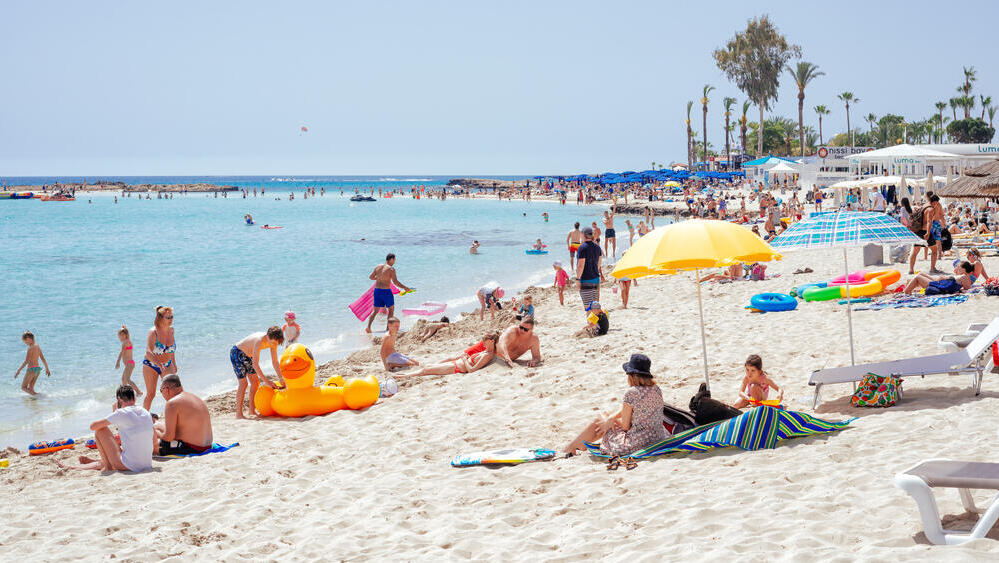
The significant growth in the number of Israelis traveling to Cyprus is not incidental. Israel’s Central Bureau of Statistics reported for 2025 a record of about 9.42 million outbound Israeli travelers — exceeding the pre‑COVID high — with Cyprus benefiting in particular from the trend of seeking a nearby, accessible destination with a strong sense of security. Geographic proximity, short flight times, a wide variety of direct flights and the ability to take short‑notice vacations have made the island a preferred destination for both families and couples.
These figures are reflected in Israeli vacation habits. Analysis of thousands of bookings at Louis Hotels shows that during peak seasons — summer and holiday periods — most Israelis choose family vacations on an all‑inclusive basis, typically for short stays of up to three nights. Outside peak season, a different pattern emerges: couple getaways at adults‑only hotels with an emphasis on tranquility, luxury and short stays. At the same time, there is a notable preference for direct bookings with the hotel, usually about a month before the vacation — an unusually high rate compared with other tourist markets.
Louis Hotels reports that the growth in Israeli guests in 2025 was exceptional even on a local scale. Around 16,000 Israelis stayed in the chain’s hotels throughout the year — an increase of approximately 41% compared with 2024. There was also a 31% increase in the number of nights stayed by Israeli tourists — a figure four times higher than the chain’s overall hotel market average of just 7%. This means that Israelis are not only coming in greater numbers, but are also filling more rooms.
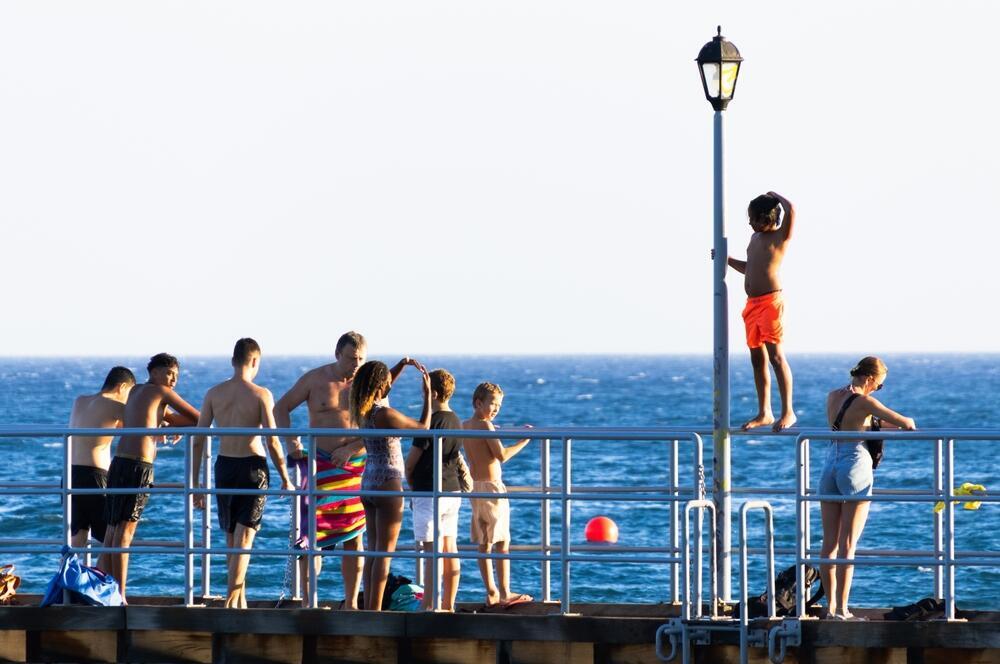
The pier on the Limassol promenade
(Photo: world_by_savvas / Shutterstock)
One of the most notable trends concerns how vacations are booked. In 2025, 68% of Israeli reservations at the chain’s hotels were made directly — through the hotel’s website or direct contact — the highest rate among all source countries. Industry insiders explain that geographic proximity and relatively affordable prices make Cyprus a destination that is “easy to book independently,” often less than a month before travel. Direct bookings also translate into savings: loyalty club discounts, free nights, room upgrades and other perks — sometimes at prices tens of percent lower than on third‑party booking sites.
Given the high demand, Cyprus’s hotel industry is already preparing for another peak season. With Passover falling in early April in 2026 — before the official start of summer — a number of hotels catering specifically to the Israeli market are expected to open early, alongside strengthened staffing and holiday‑specific scheduling. Hotel chains anticipate that the upward trend in Israeli tourists will continue next year, with a focus on short vacations, flexible cancellation policies and a growing range of accommodation options for families and couples.
A price check at leading Louis Hotels properties reveals that even during peak periods, relatively accessible vacation rates can be found. For example, at the premium all‑inclusive Imperial Island Resort in Paphos, a Passover holiday starts from about 1,377 shekels per night. In summer (August), prices begin at around 1,597 shekels per night, and in the Sukkot season from approximately 1,340 shekels per night.
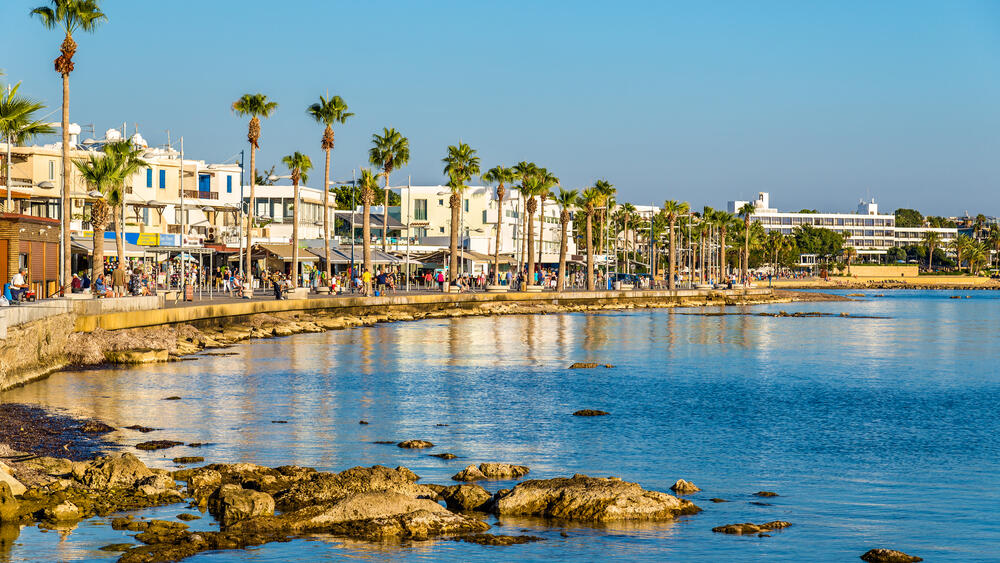
Travel Paphos Cyprus
(Photo: Shutterstock)
At the family‑friendly Louis Phaethon Beach — featuring a water park and all‑inclusive service — a Passover stay starts at about 789 shekels per night, and summer rates begin at roughly 1,652 shekels per night.
Even adults‑only hotels such as Cali Resort & Spa in Paphos show rates that explain Cyprus’ affordability: Passover rates start at around 881 shekels per night, and summer rates from approximately 1,296 shekels per night — figures that help explain why Cyprus is seen as an accessible destination even in peak travel periods.
A price check in U.S. dollars further highlights the difference between package deals and independent booking. For example, a flight and hotel package at Louis Phaethon Beach for Passover (April 2–6), including a family room with sea views on an all‑inclusive basis, is priced at about $2,533 per family. By contrast, a direct booking of the same room through the hotel’s site costs $1,148, and when flights are booked separately — from roughly $265 per person for a family of four — the total comes to about $2,208. This represents savings of hundreds of dollars for those who choose to book components individually.
The bottom line is that proximity, accessibility and competitive pricing — combined with tailored offerings for Israeli travelers — have made Cyprus a preferred short‑haul vacation destination. It no longer seems to be a passing trend, but rather a fundamental shift in travel habits among Israelis.