


Physical assaults, verbal abuse or hostile treatment in restaurants, hotels and shops have made travel increasingly uncomfortable for Israelis. As many pack for peak summer vacations in August, fears of antisemitism abroad are growing.
Since the October 7 terrorist attack, and particularly in recent weeks, a sharp rise in antisemitic incidents has been reported worldwide, from Australia to the United States and Western Europe, including popular Israeli tourist destinations like Greece and Cyprus.
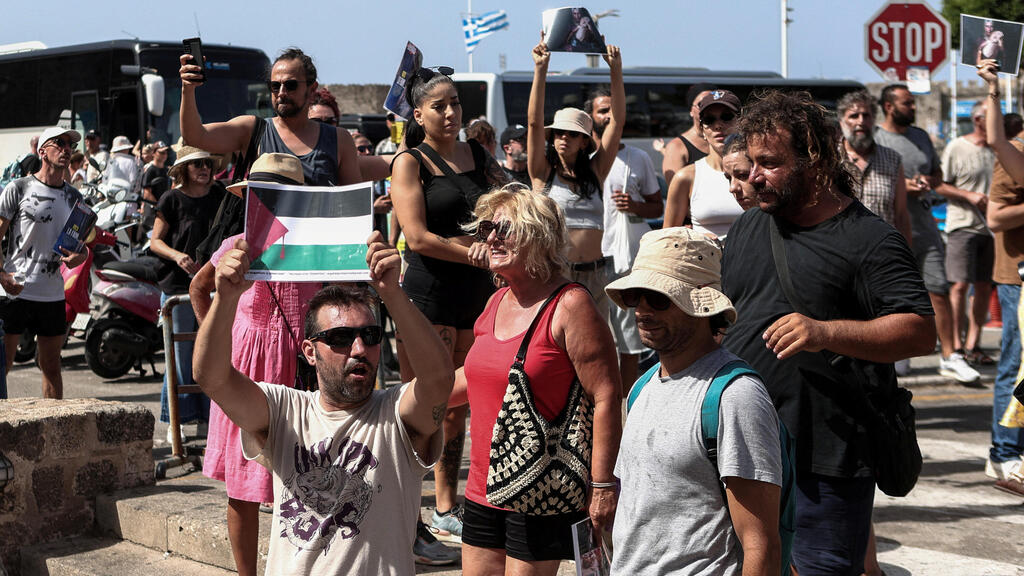
Israeli cruise ship prevented from mooring in the Greek island of Syros by pro-Palestinian protesters
(Video: Zoom77)


In Greece’s Syros island, hundreds of pro-Palestinian protesters blocked Israeli tourists from disembarking a Mano Maritime ship. In Rhodes, young Israelis were attacked leaving a nightclub, and near Athens, a Syrian migrant bit an Israeli tourist, severing part of his ear.
In Australia, Israeli chef Eyal Shani’s restaurant was vandalized by protesters who attacked diners. In Austria, Israelis were recently expelled from a restaurant and in November, a mob targeted Maccabi Tel Aviv fans in Amsterdam.
Countless smaller incidents—hostile stares, insults at gas stations, ski resorts or hotels where Israelis were expelled for speaking Hebrew—go unreported, fueling anxiety shared on social media as Israelis plan summer and Jewish High Holidays trips.
This hostility is reshaping travel preferences. Demand is surging for destinations perceived as welcoming or safe, with bookings up 23% for Prague, 20% for Budapest, 17% for Dubai, 15% for Thailand, 13% for Baku and 8% for Batumi compared to previous years.
Eastern European countries like Hungary, the Czech Republic and Romania, along with Thailand, Georgia, Azerbaijan and Dubai, are seen as friendlier, unlike Western Europe. Other popular destinations include Bucharest, Warsaw and Montenegro.
The surge in demand is driving up prices. In Eastern Europe, costs for peak dates like Sukkot have risen 15-20% over the past two years. For example, a late September package to Prague’s four-star Adria Hotel through Kesher Tours now costs $843 per person, up from $716 last year.

Prague
(Photo: Shutterstock)
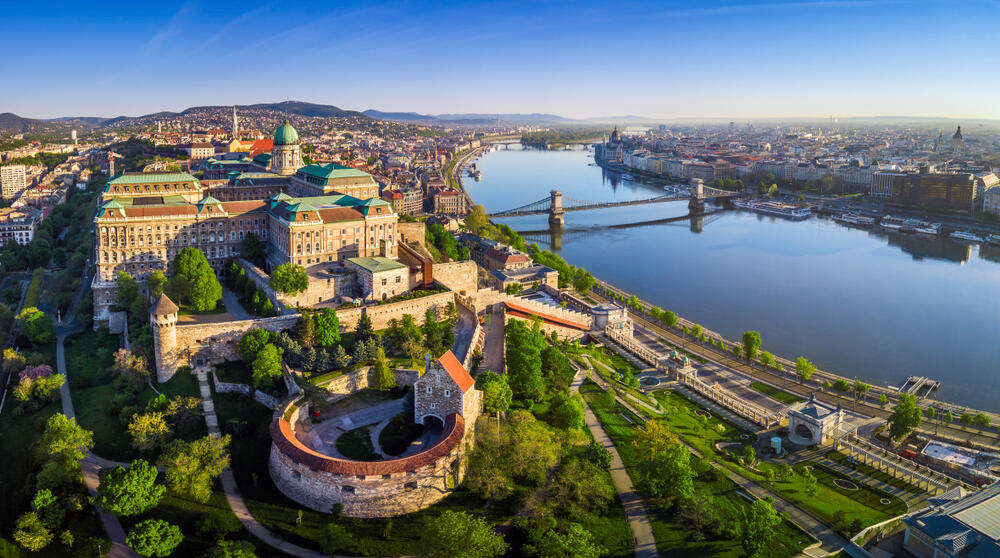
Budapest
(Photo: Shutterstock)
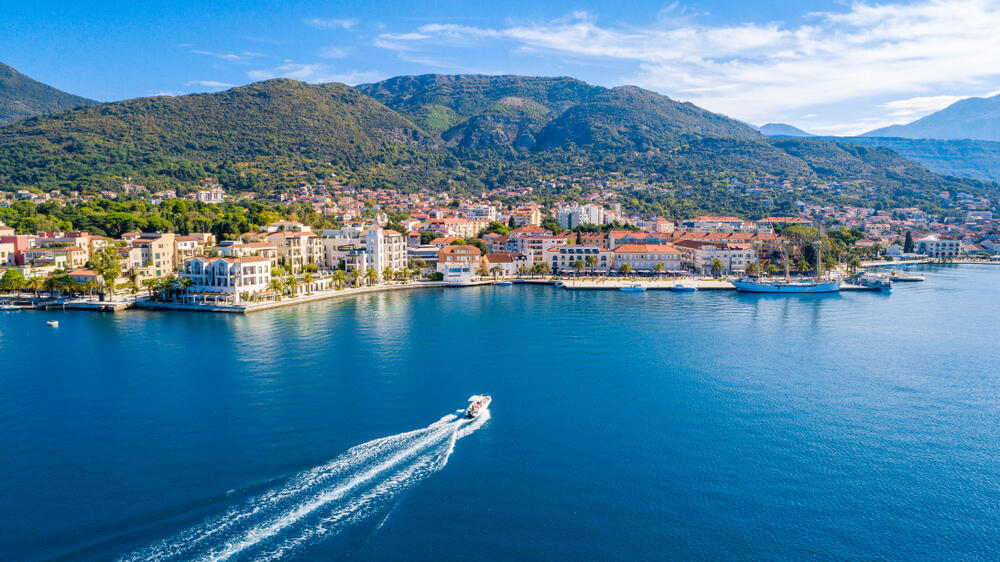
Montenegro
(Photo: Shutterstock)

Thailand
(Photo: Shutterstock)
In Montenegro, a deal for the four-star Bella Vista Hotel is $775 per person, compared to $702 last year. In Abu Dhabi, a five-star Sofitel package for the holidays is $989 per person, up from $820. In Dubai, a five-star Grand Hyatt deal costs $933 per person, compared to $765 last year.
Greece remains the top destination despite a 19% drop in August bookings over the past four days, according to Israeli booking site Daka90. Asaf Grinberg, the company’s marketing manager, noted a 22% decline in Athens bookings and 10% in Rhodes, reflecting public concern.
Get the Ynetnews app on your smartphone: Google Play: https://bit.ly/4eJ37pE | Apple App Store: https://bit.ly/3ZL7iNv
However, demand for Mykonos and Santorini has risen 30% and 20%, respectively, as Israelis opt for safer islands or alternatives like Thailand and Milan. Nir Mazor, CEO of Kesher Tours, remains optimistic, saying that "Greece’s strong Israeli presence and firsthand experiences outweigh negative media reports, keeping Rhodes and Crete at the top of bookings for September and the holidays."

Albania
(Photo: Shutterstock)
Eastern European destinations like Montenegro, Budapest, Warsaw, Georgia, Dubai and Abu Dhabi are seeing increased demand, especially for the holidays, as supply struggles to meet demand.
Shirley Cohen-Orkaby, deputy CEO of Eshet Tours, downplayed the impact of reported violence in Greece, noting that travelers avoiding overt displays of Israeli identity face no special risks.
She highlighted the appeal of diverse Greek destinations like Corfu, Santorini, Mykonos, Athens and Thessaloniki, alongside Balkan countries such as Montenegro, Albania and Bulgaria’s Burgas, which offer a sense of security.
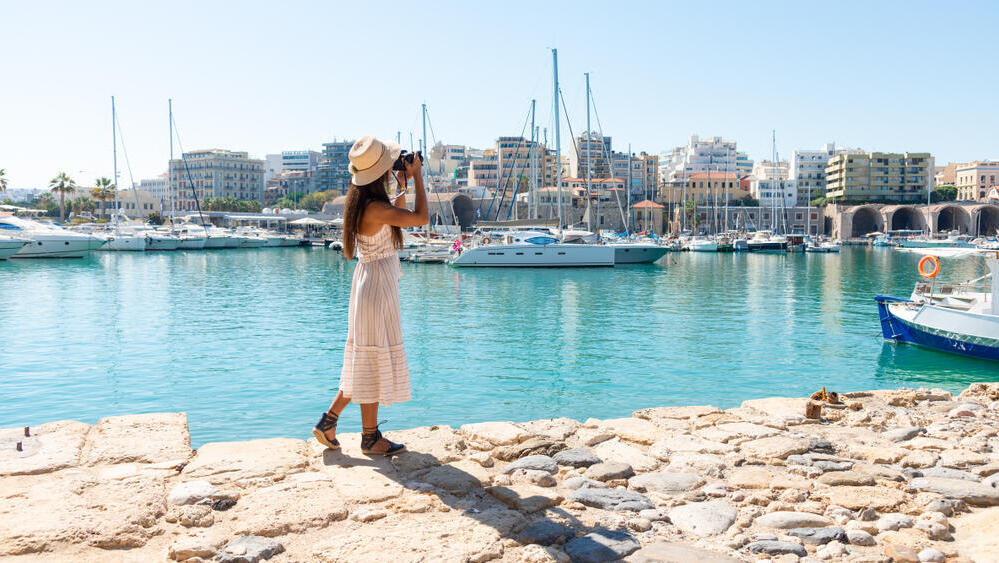
Heraklion, Greece
(Photo: Shutterstock)
Oren Cohen Meguri, marketing and sales deputy at Flying Carpet, believes Greece will remain attractive, emphasizing the economic reliance on tourism and local authorities’ efforts to curb antisemitic incidents.
Enhanced security greeted 1,800 Israelis arriving in Rhodes this week on Mano Maritime’s Crown Iris, following coordination between owner Moshe Mano and Greek officials. A senior Greek tourism official told Ynet that Mano’s contributions to the economy were appreciated.
Greek authorities promised additional police in Rhodes and Crete to prevent repeats of the Syros incident. Greece’s National Security Minister, Michalis Chrysochoidis, said the Syros prosecutor should have charged the protesters, adding that police will now enforce anti-racism laws to prevent similar events.