

After a long closure and renovation, one of the north’s most popular springs — Ein Shokek in the Valley of Springs — reopened to the public this summer. One of the first to take a dip was Hen Yosef, a veteran spring-hunting blogger who knows the site well from before the upgrade. In a conversation with ynet, she describes an especially positive experience, with modest improvements that did not harm the site’s natural character.
“Before the renovation and now, there’s a stunning pool here, a perfect spring with incredibly clear water. Turquoise, unbelievable,” Yosef says enthusiastically, making it clear the spring is one of her favorites. “The only real change is accessibility. They built a proper path straight to the water — for strollers, for people with disabilities, for anyone who needs it.”
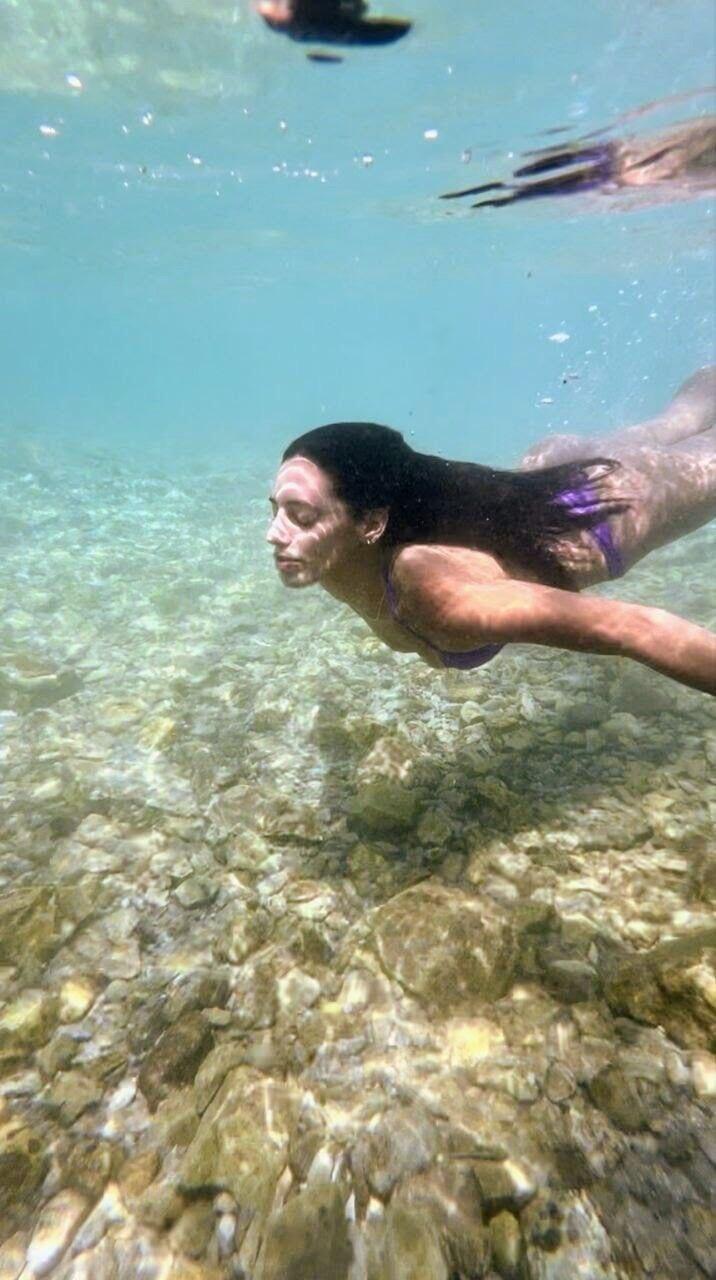
According to her, the renovation raised concerns among locals. “People kept asking me, ‘What’s happening at Ein Shokek? Is it closed?’ and suddenly I thought — are they ruining another site? What’s going to happen?”
She lists, with frustration, the names of natural springs that underwent failed renovations and were effectively destroyed — including Ein Ada’ad, Ein HaNatziv, which closed after extensive and controversial work, and the beloved hot pools of Ein Jones, now shut for repairs with no clarity on their future. “I was afraid the same thing would happen here. You close a spring and you have no idea what its fate will be.”
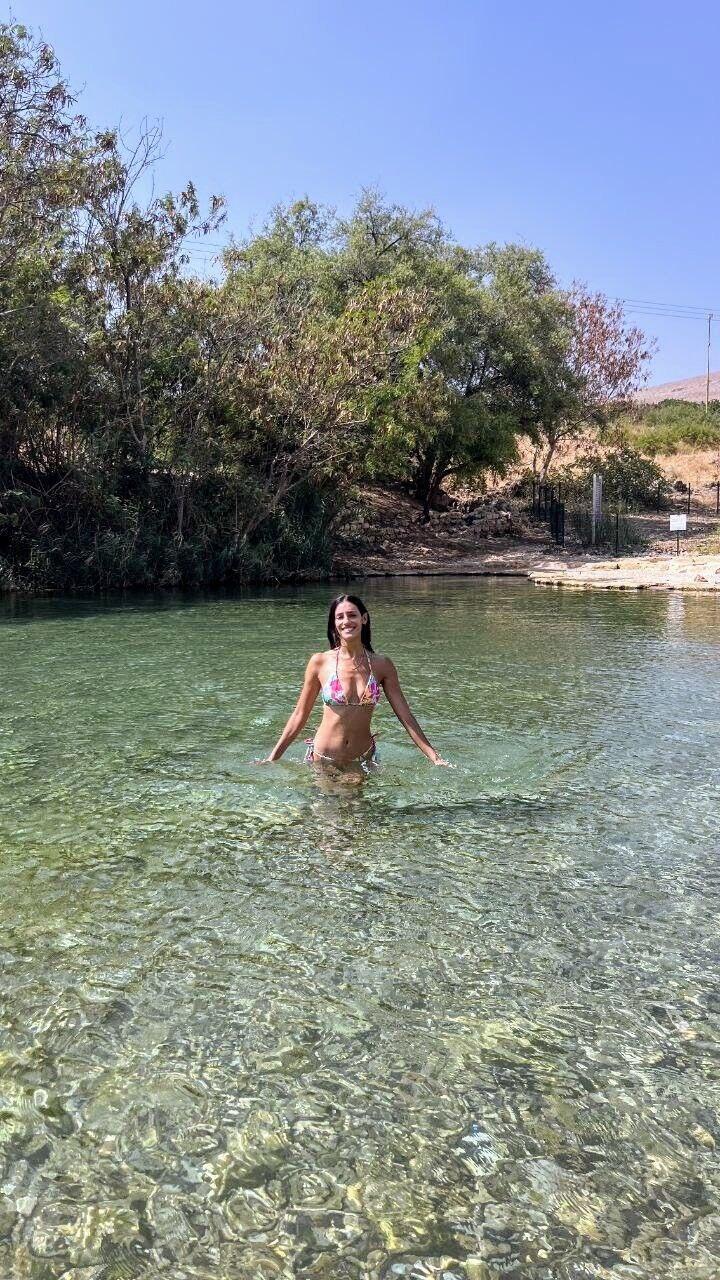
Hen Yosef; was worried about the renovation, but now satisfied
(Photo: Courtesy of Hen Yosef)
Yosef visited twice — once mid-construction and again after the work was completed. “They said the renovation was finished, so I came to photograph it. The pool was drained and full of algae. I didn’t understand what was going on. They told me it wasn’t supposed to look like that. So I came back, and then I saw the Ein Shokek I know: the big, clear pool, turquoise waters — exactly the same, just with meaningful upgrades.”
The main upgrade is a new, stroller-friendly access path leading directly to the water. “They built a path from the road to the water just for strollers. It’s amazing. These places need to be accessible — without destroying the spring itself,” she says.
Another noticeable change is a new safety fence around the spring, along with stone steps built into the waterline that sometimes form tiered pools for children. “When the steps aren’t submerged, you can sit on them comfortably. When they’re under water, they create small, charming pools. It’s a nice change that doesn’t harm the spring’s character.”
A shuttle service has also begun operating from the Valley of Springs Park, leaving every hour on the hour and dropping visitors directly at Ein Shokek. “Anyone who doesn’t want to walk in the heat can pay 15 shekels each way. It’s perfect for families with little kids or people who have trouble walking,” she adds.
The pool is suitable for both children and adults. “The bottom is made of stones, not sharp rocks, but it’s still best to bring sandals,” she says. “There are no water fountains, so bring bottles. There are restrooms at the beginning of the trail run by the Israel Nature and Parks Authority and a gas station at the entrance where you can stock up.”
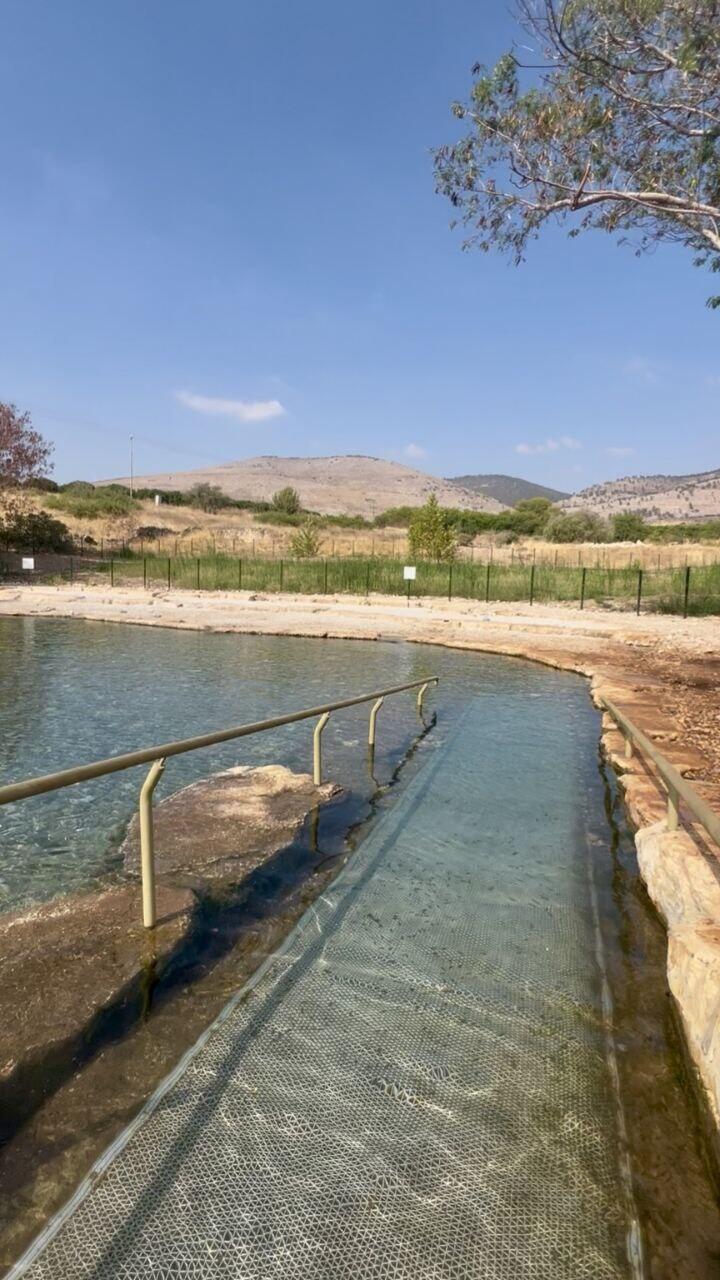
Accessibility
(Photo: Courtesy of Hen Yosef)
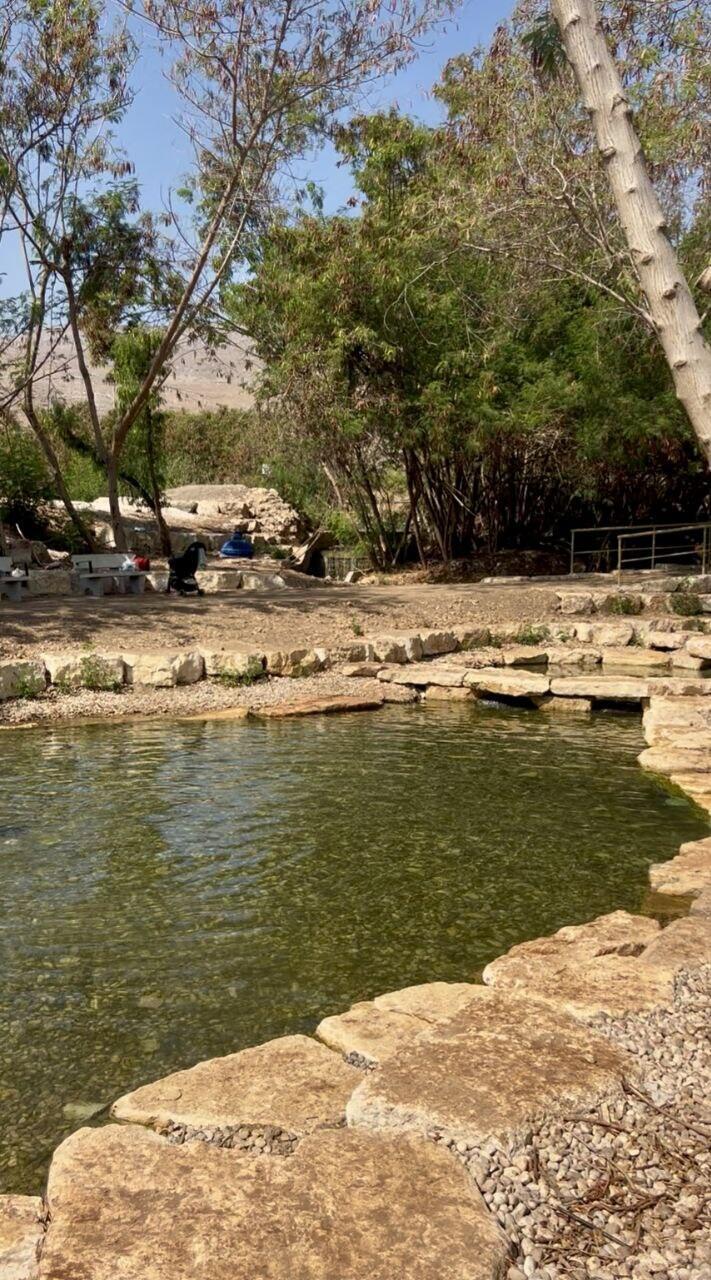
Shallow pools suitable for children
(Photo: Courtesy of Hen Yosef)
Hidden pools for families
For families seeking shallow water or quiet corners, Yosef recommends hidden pools just behind the main spring. “There are two shallower pools there, about knee-deep. Perfect for small kids or anyone looking for calm water. There’s a shaded bridge, picnic spots and plenty of shade.”
She also offers a practical tip: “There are shaded benches and seating areas, but I always bring a blanket. The tables are sometimes dirty or full of flies. It’s nicer to sit on the ground.” Yosef also urges visitors to keep the spring clean and bring trash bags.
Surprise for hikers: wet trail
As a local who knows the Valley of Springs intimately, Yosef has a recommendation for those looking for a short, watery hike: the wet trail connecting Ein Shokek to the Tachana Pool, a second large pool that many visitors never reach. “It’s an easy, shallow walk, mostly shaded, water up to your knees. A 15–20-minute walk. Most people reach it on golf carts, but walking is fun too. If you want to add some movement to your visit, it’s a great option,” she says.
Ein Shokek is one of the clearest springs in Israel and a prime location for digital creators and underwater photography fans. Yosef offers several tips.
“I recommend coming between 8 and 10 a.m. After that, people start entering the water and stirring up sand, and by 11, you lose the clarity. If you want to see the spring as it really is — water as clear as glass, where you can see your toes and the fish swimming — you need to come early. At midday, the water becomes murky. In the early morning, it’s so clear that if you put your hand in, you can’t see it. It’s that transparent. You see the fish, your foot, everything.”
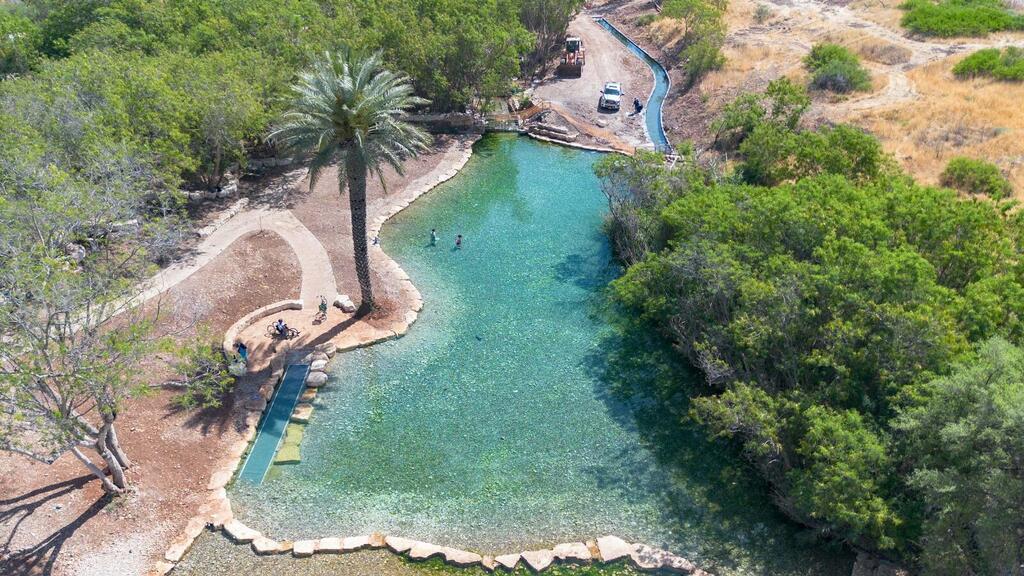
Drone view
(Photo: Shahin Zoabi, courtesy of the Israel Land Authority)
Yosef also shares a useful tip for Instagram fans: “Don’t put your whole phone in the water, just the camera end. Flip the phone so the lenses are down and the speakers are up. That’s how you shoot underwater. It protects the device and you can still see the screen. Most new phones are water-resistant, but check in advance. Don’t take unnecessary risks.”
And what about the photos themselves? “My friend took the pictures. I always hike with people who enjoy taking photos. I direct everyone. If you think this is just a hike, you’re wrong. If you hike with me, you work for me,” she laughs. “It’s not always easy.”
How to get there
The easiest way to reach the Valley of Springs is by private car. There is no direct public transportation to the springs themselves. Drive on Route 65 toward Afula, continue east on Route 71 toward Beit She’an and turn right at Nir David junction following signs to the Valley of Springs Park.
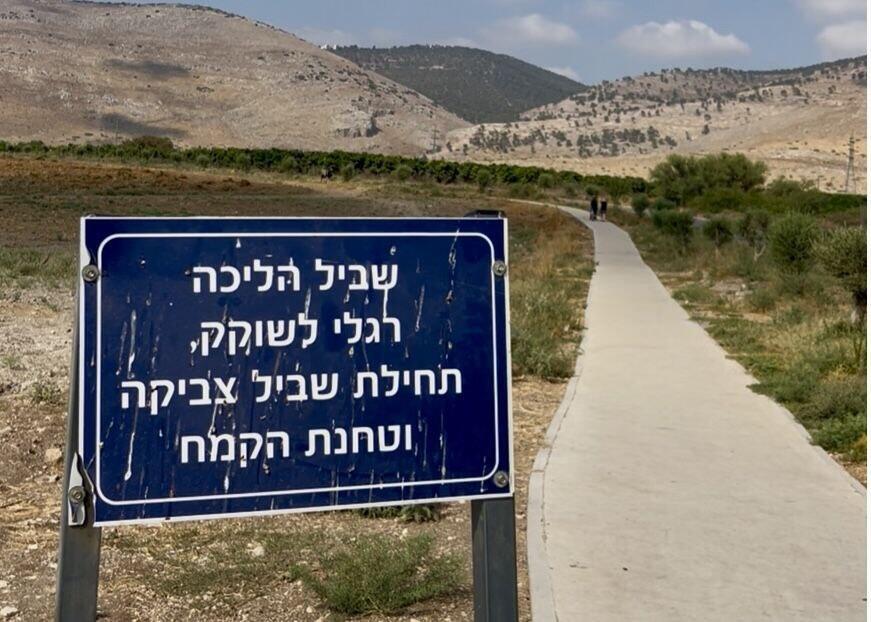
The path that leads to the spring
(Photo: Courtesy of Hen Yosef)
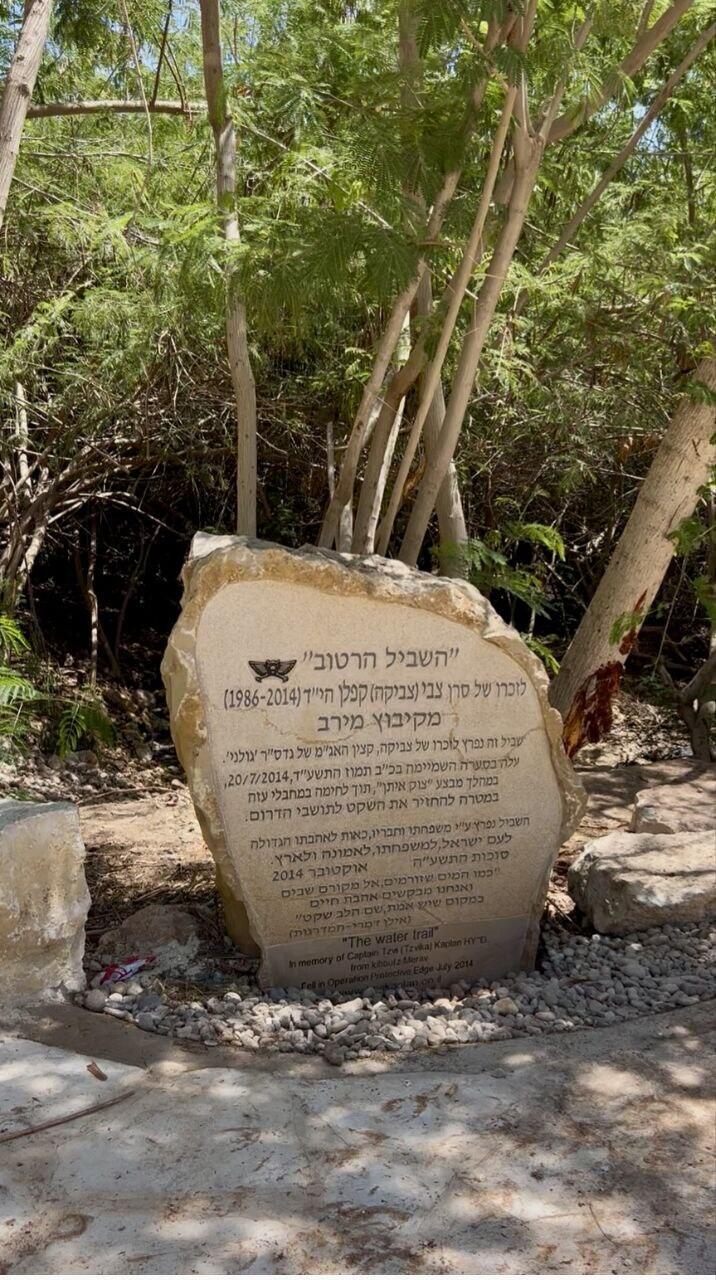
The wet path
(Photo: Courtesy of Hen Yosef)
From the park’s main entrance, there are several ways to reach Ein Shokek, suited to different visitors. The first is walking — a flat, pleasant 10-minute trail, though the summer heat can make it demanding, especially with gear.
The second option is renting a golf cart at the entrance, convenient for families or groups but more expensive. The third and most cost-effective option is the internal shuttle, which leaves every hour (15 shekels each way) and drops visitors directly at the pool.
Note: There are no lifeguards at Ein Shokek, and swimming is at your own risk. In summer, temperatures in the Valley of Springs can be extreme. To avoid dangerous dehydration, drink plenty of water, especially children and older adults.