

After established careers in Israel, intensive reserve duty during the war and a longtime dream of a different life, Shay Cohen, 44, and Elad Maman, 39, packed their bags, boarded a flight to Bangkok and decided to start over. Today, they split their time between Tel Aviv and Thailand, run a vacation brand and, above all, are trying to convince Israelis to stop traveling through Thailand like a “herd,” as they put it, and finally break away from the worn-out route of the MBK shopping mall and Koh Phangan.
“We see Israelis everywhere, but almost always in the same tourist traps,” Cohen told ynet. “Everyone is in the same hotels, the same malls, the same islands. Thailand is a huge country with endless incredible places that people simply don’t know. It frustrates us to see Israelis travel to the other side of the world, only to take the same trip everyone else takes.”
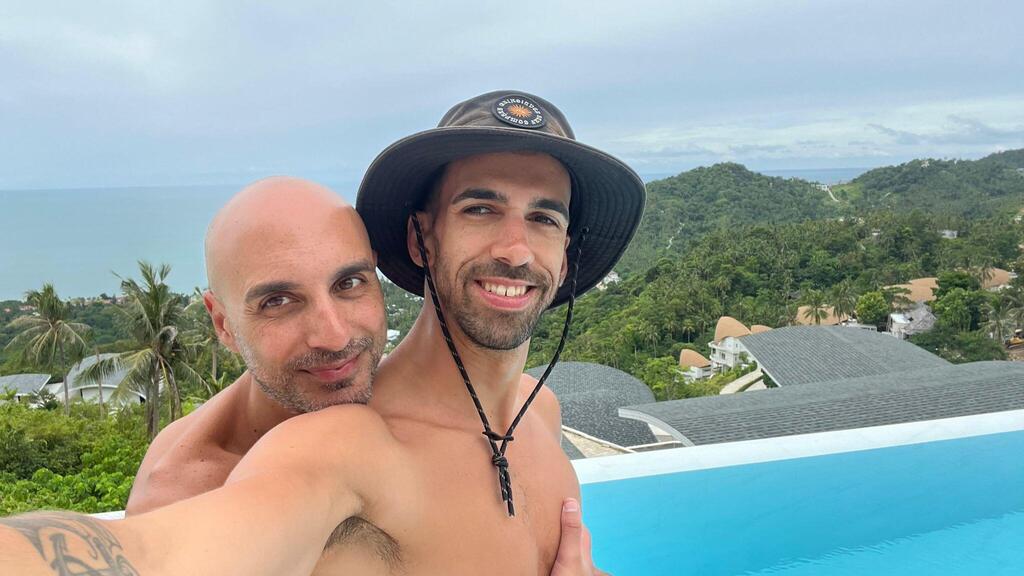
Their story began with a romantic honeymoon. “We fantasized about the day we could move to Thailand for a more meaningful period,” Cohen said. “After October 7, I was called up for reserve duty. It was a very difficult time. I remember writing to Elad that the day I was released from the reserves, we would book a ticket and fly off to make the dream happen.”
Before the move, Cohen worked as a company CEO and Maman as a special education teacher. “I was at a crossroads over whether to continue to a sabbatical year,” Elad said. “In the end, I decided to leave the field and move into marketing. Then the business started taking off, and we went into it full-time.”
If there is one destination the couple would like to see fewer Israelis rush to, it is Bangkok’s legendary MBK mall. “The city has moved decades ahead, but Israelis are still stuck at MBK,” Cohen said with a laugh. “It’s like coming to Tel Aviv and deciding to spend all your time in Neve Sha’anan (a rough-edged south Tel Aviv neighborhood known for its aging pedestrian mall). Bangkok is amazing, modern, full of design, restaurants, cafés and experiences, yet people come back saying, ‘The city stinks.’ Of course they do, because they only saw one small part of it.”
Maman added: “It’s a kingdom of knockoffs. People go there to buy designer labels, but many of those items can be ordered on AliExpress today. You don’t need to fly all the way to Thailand for that.”
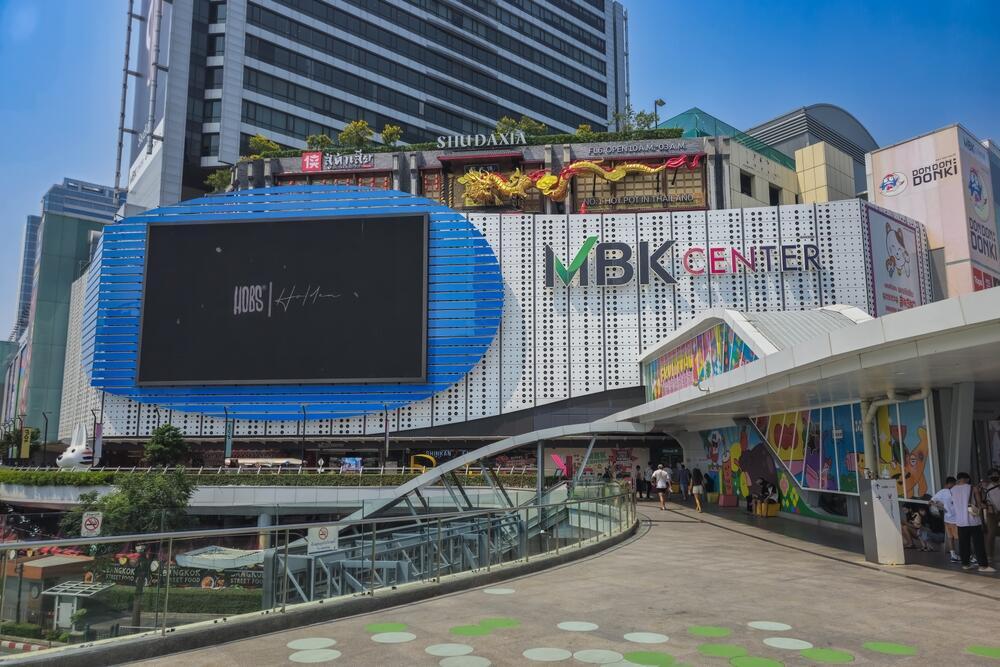
MBK, the Bangkok mall beloved by Israeli tourists
(Photo: Doypui / Shutterstock)
One of the problems, they say, is that many Israeli travelers stay in hotels next to MBK and never leave the area. “There is a hotel that is very popular with Israelis and sits right above the mall,” Maman said with a laugh. “People come to Bangkok for three days, see nothing but a mall and a hotel, and then think they have seen the city. They have not been exposed to the real Bangkok at all.”
So where should travelers go shopping? For them, the answer is clear. “The No. 1 mall in Bangkok today is Iconsiam,” Cohen said. “It's much more than shopping. There are exhibitions, restaurants, cafés, a floating market and a river view. It is a whole experience. Even if you don’t buy anything, you still spend an amazing day there.”
“There is an upscale Bangkok and a street-level Bangkok,” he said. “Israelis tend to love the street-level version, even though the upscale side is not nearly as expensive as people think. You can get a New York-level experience there: luxury, design, bars, restaurants and incredible hotels. You don’t have to settle for fakes and knockoffs.”
When it comes to where to stay in the Thai capital, the two say Israelis fall into the same clichés again and again. “Bangkok is huge, and it has endless styles,” Cohen said. “For young people or gay travelers looking for nightlife, the Lumpini Park area and the Silom neighborhood are perfect. For families looking for more style and luxury, we recommend the Asok and Terminal 21 area. Anyone looking for views and calm should go to the river area.”
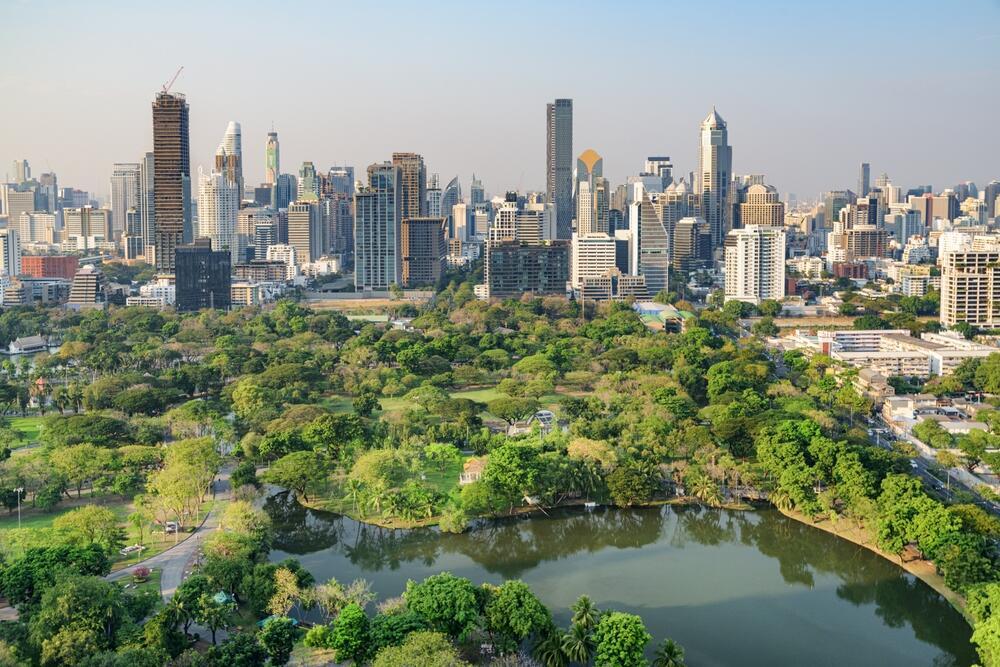
Lumpini Park
(Photo: Efired / Shutterstock)
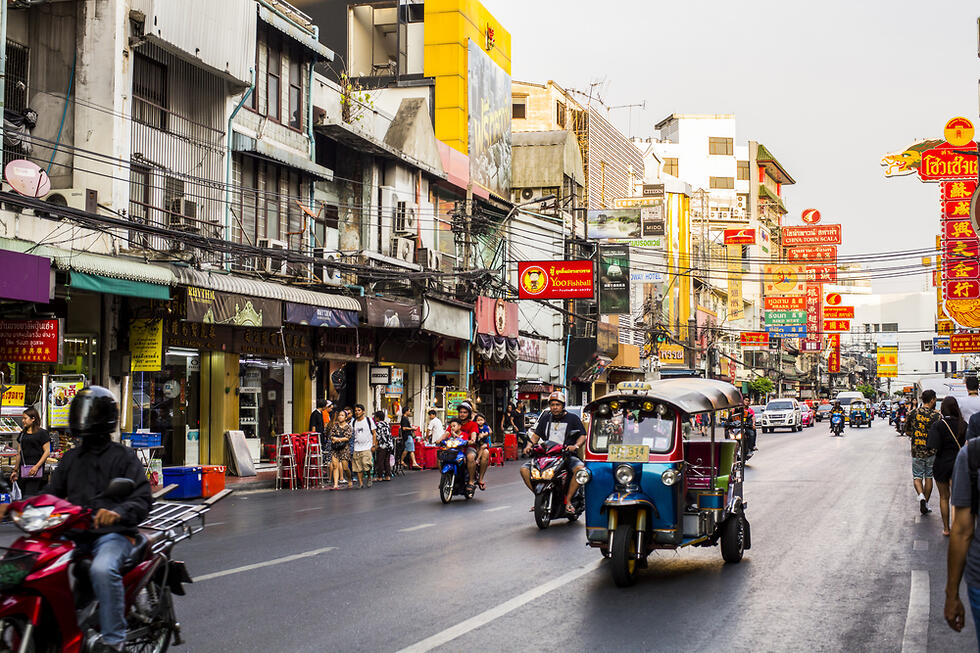
Bangkok changes from one neighborhood to the next
(Photo: Shutterstock)
The two also have a clear message about Thailand’s islands: You don't have to go to Koh Phangan to enjoy Thailand. “The Koh Samui and Koh Phangan area has become very expensive because of demand,” Cohen said. “There are not many good hotels there, and the good ones cost a fortune. We prefer recommending islands like Koh Chang, where you can get incredible resorts and a much higher-level vacation, even on a medium budget.”
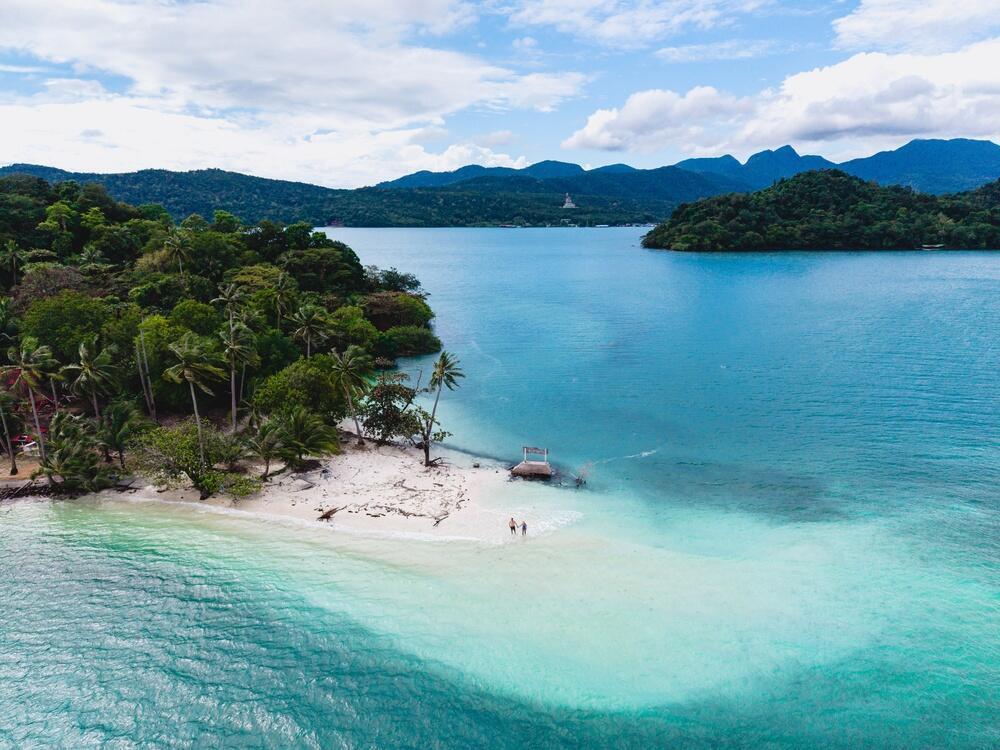
Clear waters off Koh Chang
(Photo: Fokke Baarssen / Shutterstock)
“Israelis come home saying, ‘You haven’t really been to Thailand unless you’ve been to Koh Phangan,’” Maman said. “We actually think the real gems are the less familiar places, the places where you really feel Thailand.”
They say living as “digital nomads” and moving from place to place allowed them to discover areas that are less familiar to Israelis. “We traveled by bus, took domestic flights and moved between islands and cities,” Maman said proudly. “That allowed us to get to know a completely different Thailand, not just the standard Israeli route.”
When it comes to food, the two are also trying to get Israelis past some long-held fears. “You need to come to Thailand with an open mind,” Cohen said with a laugh. “Don’t judge it by Israeli Health Ministry standards. The best food is actually found at the simplest stalls and markets. The places Israelis are most afraid of are where the real culinary gems are.”
Maman, who says he usually avoids spicy food, said he was surprised, too. “In Israel, if someone told me a dish was spicy, I would skip it. But in Thailand, I suddenly found myself sweating through spicy soups and enjoying every moment. You open yourself up to new flavors there.”
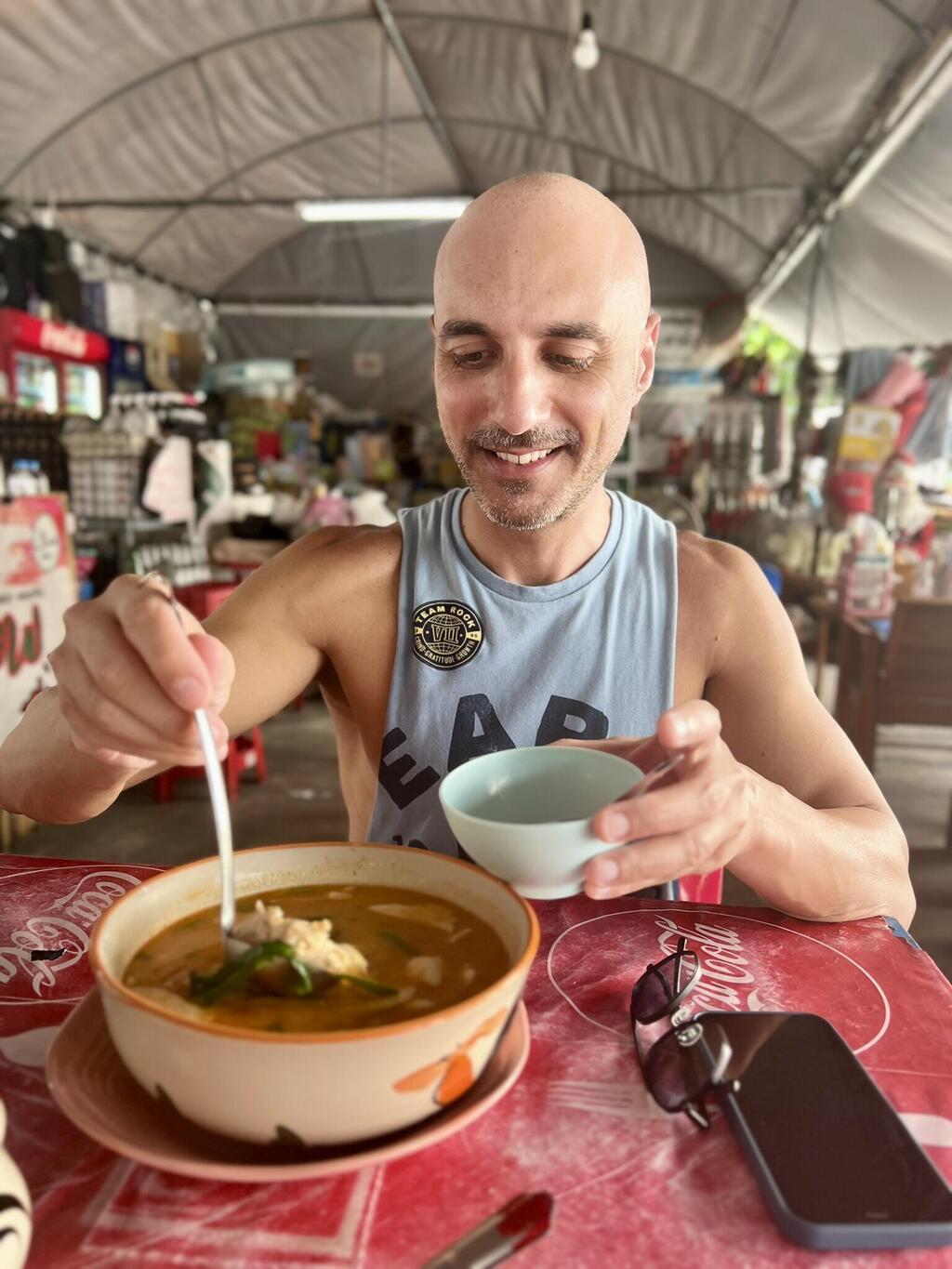
'Open yourself up to new flavors'
They say even travelers who keep kosher can get by without relying solely on Chabad centers. “My parents came to visit, and they keep kosher,” Maman said. “We asked the Thai staff to prepare fish wrapped in aluminum foil, without seafood or mixing ingredients, and they were completely accommodating. Thai people really try to meet you halfway.”
The two say the main problem for Israelis in Thailand is not just unfamiliarity with local cuisine, but a reluctance to leave their comfort zone. “Israelis want to know in advance exactly where to go, what to order and where everyone else is,” Cohen said. “But the moment you stray a little from the usual path, you discover the most beautiful places. Come with an open mind, stop being afraid and step off the route for a moment, and you will find a completely different Thailand.”
Beyond the restaurant and shopping recommendations, the move to Thailand changed something much deeper for the Israeli couple. “I think what surprised us most was the sense of safety,” Cohen said. “In Bangkok, we could walk through dark alleys even at 3 a.m. without fear. There are always people on the street, something is always open, and we always felt completely safe.”
For them, life in Thailand has also led to constant comparisons with Israel, especially around personal freedom and the LGBTQ community. “We are currently in the surrogacy process,” Cohen said. “Personally, I would be happy to settle in Thailand and raise our children there, both because of Israel’s cost of living and because of the pressure and anxiety children grow up with in Israel. Maman, on the other hand, wants to raise our children in Israel, so we are constantly weighing Thailand against Israel and trying to understand what the right decision is for us.”
“In Thailand, LGBTQ acceptance feels like part of everyday life,” he said. “It is not an issue at all. We did not encounter homophobia, not in people’s looks and not in comments. It is a country with full equal rights for gay people, and we feel very much at home there.”
Maman added that even as a gay couple celebrating their honeymoon in Thailand, the attitude was completely natural. “At hotels, they treat us exactly like any other couple. If you say a couple is coming for a honeymoon, they will prepare the room with hearts and swans just the same.”
Cohen added: “You don’t even stop to wonder whether it is OK to hold hands, and that is the saddest part. It makes you realize how far Israel still is from places that truly feel free and progressive.”
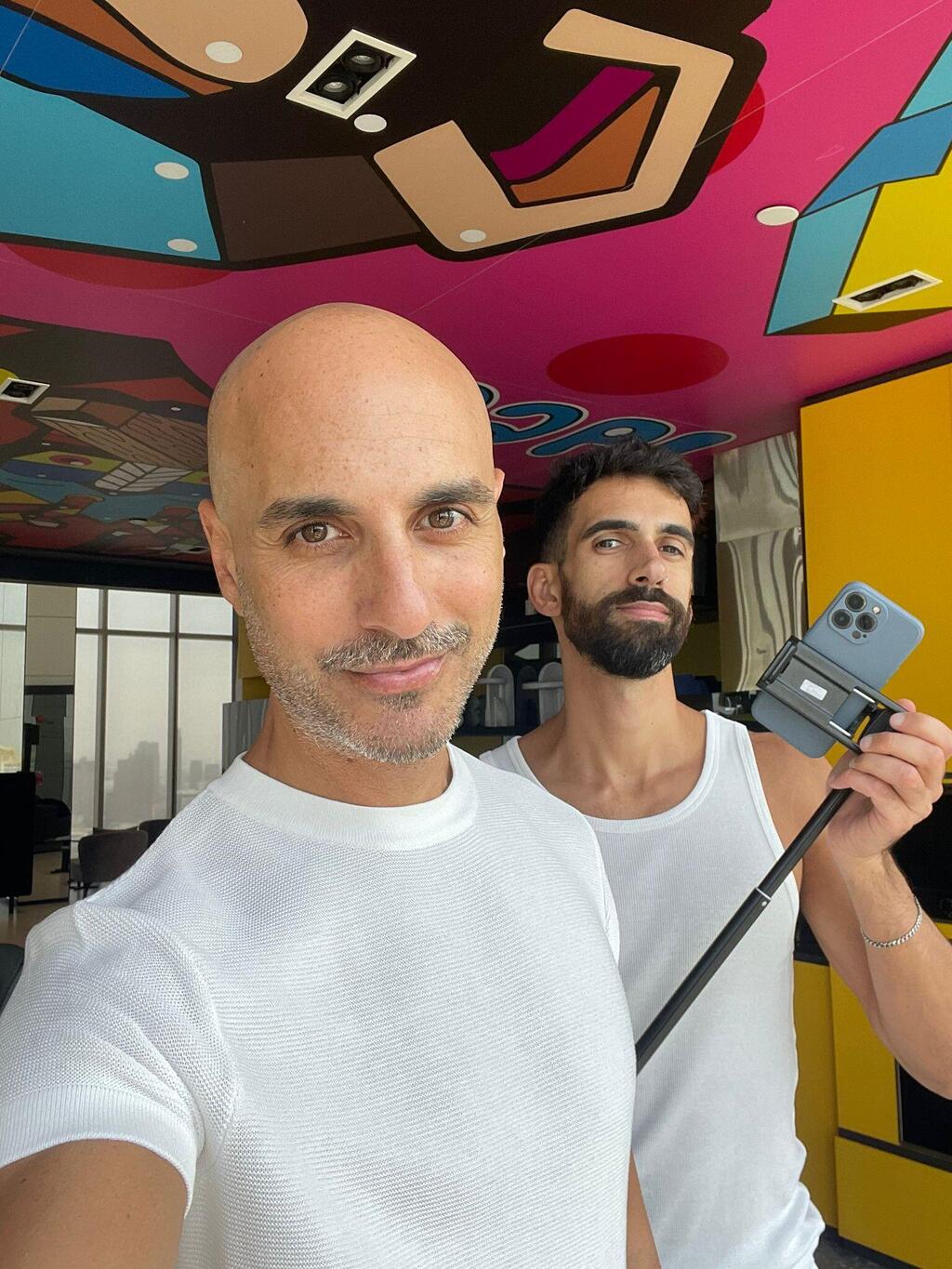
Working from a different café every morning
After many months living in Bangkok, the two already have a detailed list of recommendations for places that are less familiar to Israelis but, in their view, represent the real Thailand. One of their top recommendations is a local Thai restaurant in the Silom area, where they take friends visiting from Israel. “We wanted a place where locals really eat,” Cohen said. “Authentic Thai food, very precise, high quality, but without the feeling of a tourist trap. A place where you feel the real Thailand.”
When it comes to spas, they also prefer to escape the places familiar to Israeli tourists. “There is an amazing Japanese onsen in the Sathorn area called Yunomori,” Cohen said enthusiastically. “It is a Japanese bathhouse with baths at different temperatures, minerals and spa treatments in an incredible Japanese atmosphere. You can spend half a day there without noticing.”
Another place they warmly recommend is House of HEALS, a drag performance venue on the roof of the Renaissance hotel in Bangkok. “It is a mix of rooftop, party and stand-up comedy. The drag queens roast the audience, improvise with tourists, and it is hilarious. The show is polished and genuinely impressive.”
But the place that surprised them most was a small food street in central Bangkok. “There is a street called Bantadthong that is all about food and desserts,” Maman said excitedly. “In the evening, the entire street fills with stalls, restaurants, bakeries and the latest food trends. For anyone who wants to experience Bangkok’s culinary scene without breaking the bank, this is the place.”
Coffee lovers and Instagram enthusiasts also get a specific recommendation from them. “There is a café on the river in Talat Noi, an artists’ neighborhood in Chinatown,” Maman said. “The whole area is full of striking graffiti and creative energy, and the café itself looks like a small museum.”
When it comes to shopping, the two are less impressed by knockoffs and crowded markets. One of their recommendations is the Asian fashion brand Urban Revivo. “The clothes have very distinctive cuts,” Cohen said. “It is an Asian style that also connects well with the West. Anyone who wants to come back from Thailand with clothes that won’t be on a million other Israelis, this is a great place.”
Those looking for cheaper shopping also do not need to spend hours at MBK. “There is an outlet called Central Village near Bangkok’s airport,” Cohen said. “It is a perfect solution for anyone with a long connection who wants to pop over for a few hours of shopping at good prices.”
But the recommendation they say surprises Israelis most is Pattaya, the famous beach city with a once-dubious reputation. “Anyone who visited Thailand years ago remembers Pattaya as a place associated with prostitution, drugs and nightlife,” Cohen said. “But in recent years, it has been undergoing a real transformation. The government is investing heavily there, and today it is an excellent destination for families, couples and travelers looking for high-end hotels at much better prices.”
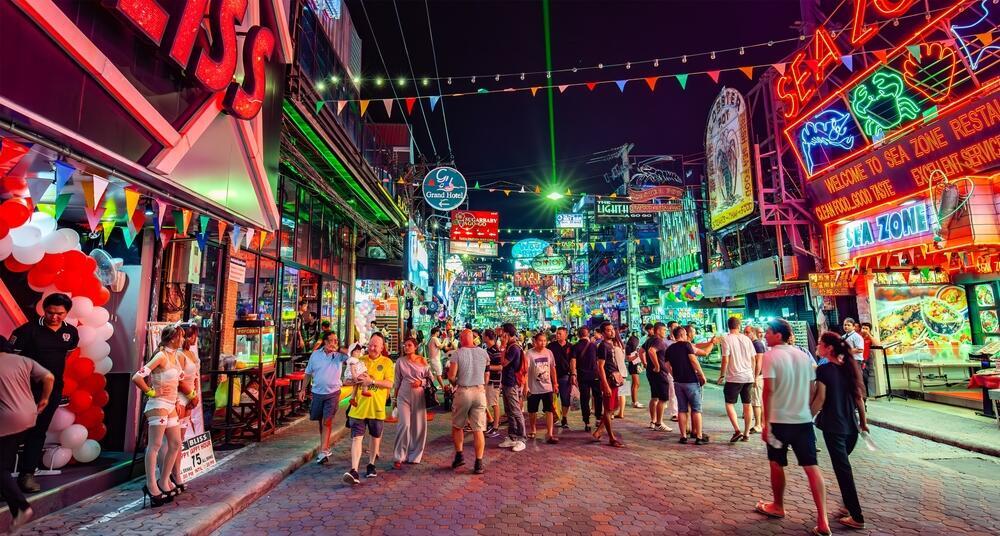
Pattaya, changed for the better
(Photo: Arcady / shutterstock)
“There are completely new, modern areas with beaches, resorts and a relaxed atmosphere,” Maman said. “You don’t have to go anywhere near the nightlife districts if you don’t want to.” Still, he admitted with a smile, “Everyone eventually goes to see Walking Street (the red-light district), and then complains.”