

It could be the affordable prices, the short flights, or perhaps the longing for classic Europe. One thing is clear: Prague is on fire. The Czech capital’s official data doesn’t lie: more than 7.4 million tourists visited in the past year, and Israelis proudly rank among the city’s top 10 visitor nationalities.
But when statistics show that most tourists squeeze into the same square kilometer of the Old Town, the result is unavoidable crowding. So locals (and seasoned travelers) are starting to look elsewhere. We left the jam-packed center behind and explored the neighborhoods off the popular, well-worn spots, free of tourist traps and elbow-to-elbow foot traffic. What we found was plenty of style, Vietnamese street food, alternative culture and even untamed nature just steps away.
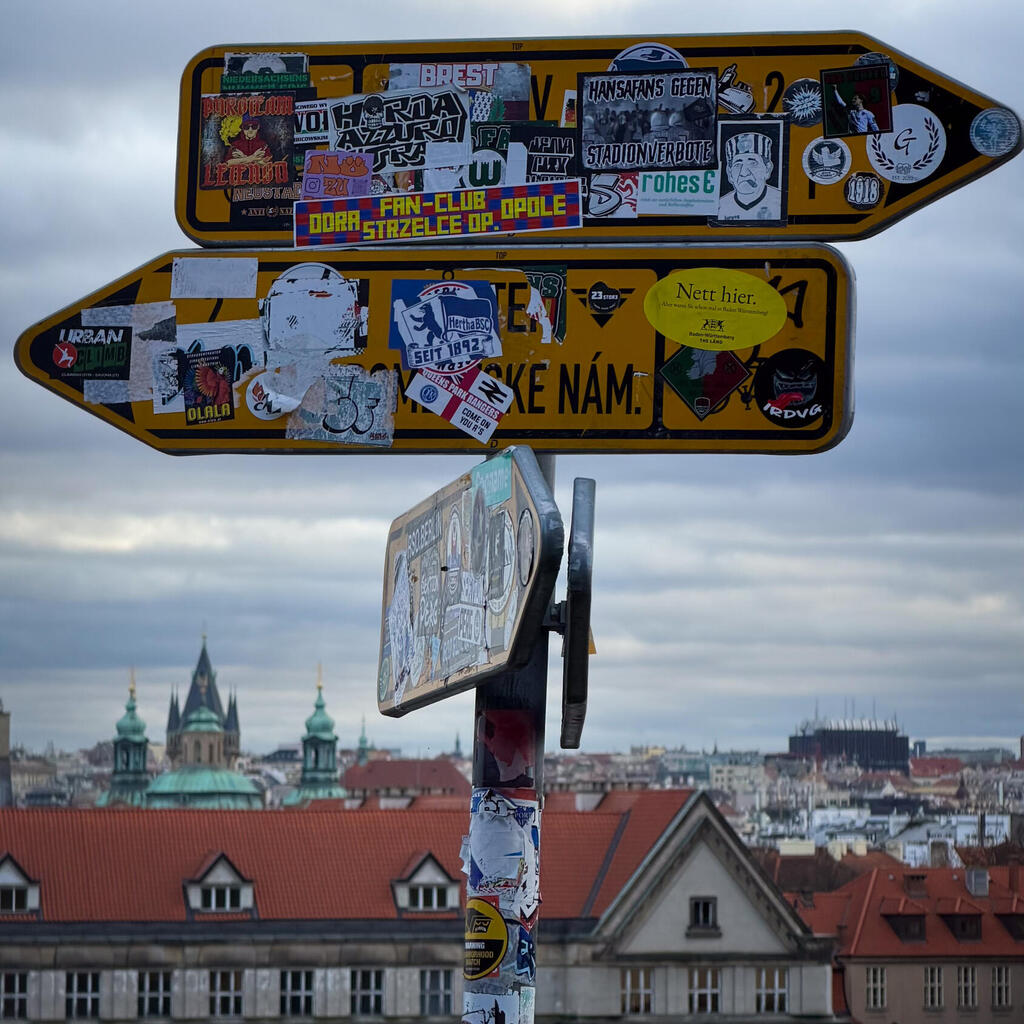
So if you’re planning a trip to Prague, here’s our simple advice: be bold, and set aside two or three days to wander beyond the city center. Here are 5 unique areas where you’ll experience authentic local life in all its richness.
Vršovice: your local home base
Welcome to Vršovice. This is where you’ll stay, start your day and end it. Vršovice, along with the area just west of it, is now one of Prague’s coolest districts. Walking its streets feels like slipping into everyday Czech life: cafés, vintage shops and a calm, easygoing vibe. Don’t expect luxury; this isn’t that kind of neighborhood. Think of it as a cross between south Tel Aviv’s Florentin and Berlin. And it’s just a 25-minute walk or a 10-minute tram ride from the city center.

Street art in Vršovice
(Photo: Roy Elman)
The neighborhood’s main heart is Krymská Street. Its transformation began with Café v lese (“Café in the Forest”), which at first glance looks like a regular café but hides a concert venue and basement club where much of the local nightlife scene plays out. Since then, dozens of independent businesses, bars and galleries have followed, without a single international chain in sight.
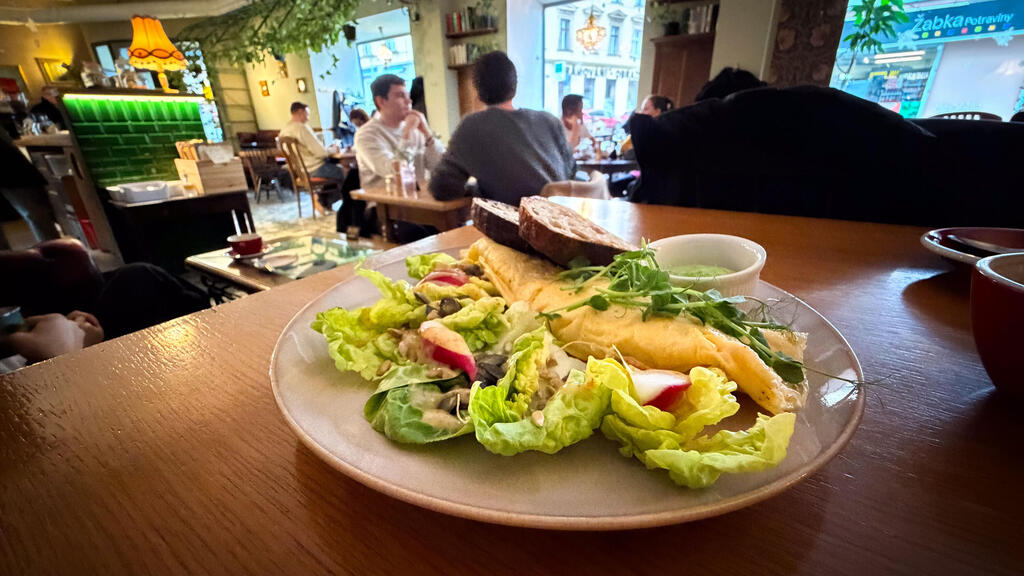
A cozy café. The Flat Café
(Photo: Roy Elman)
Just a short walk away on Kodaňská Street is The Flat Café, a cozy neighborhood spot known for its excellent breakfasts, pastries, colorful homey decor and warm atmosphere. If you show up with a laptop, you’ll be directed to the right-hand side, a space reserved for digital nomads.
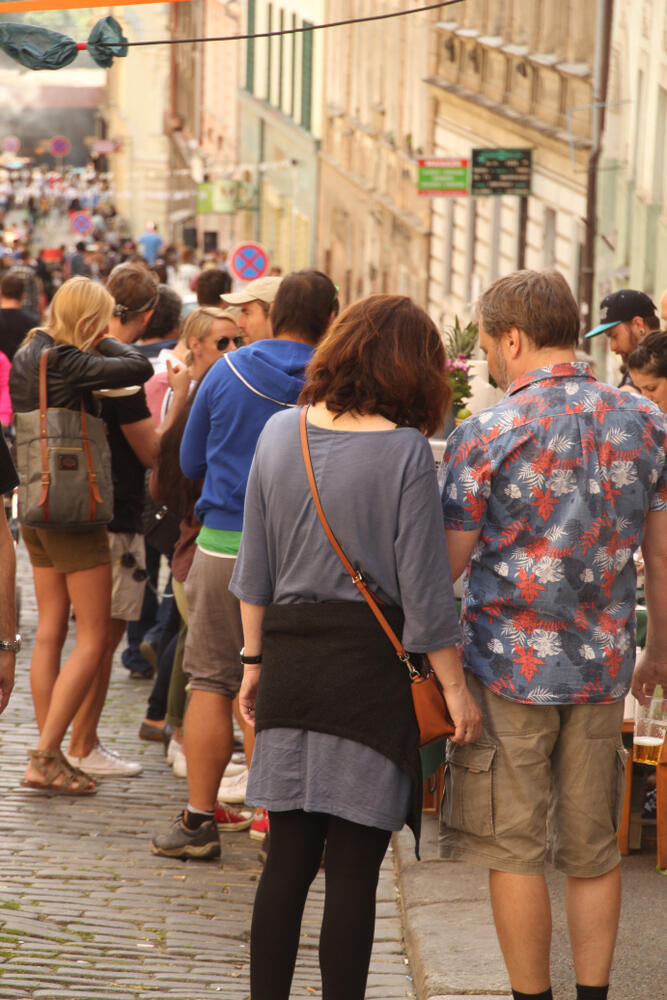
The cool Krymská street
(Photo: Laiotz/ shutterstock)
Next, it’s time to visit a magical park with a postcard-worthy view of Prague, but not the kind you’ll find on a fridge magnet. Just minutes from the café, at the edge of the neighborhood, lies Grébovka (Havlíčkovy Sady) Park. This isn’t your typical city park. Here, you’ll find sweeping views from the terrace of an Italian-style garden that includes active hillside vineyards. You can sit in the Altán, a wooden gazebo at the heart of the vineyard, and sip locally made wine, or head downhill to see the recently restored grotto, complete with sculptures and fountains.
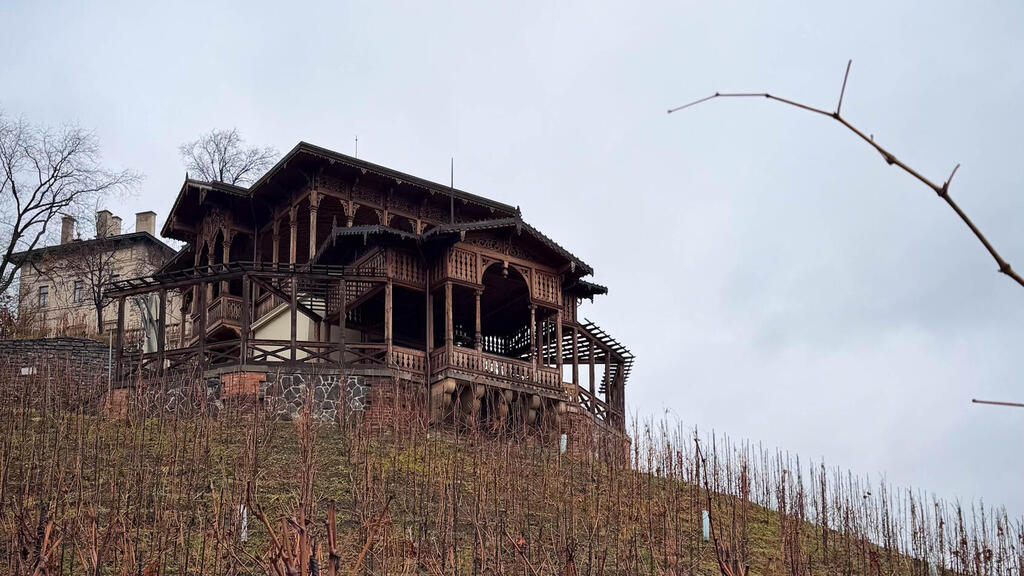
Wooden gazebo at the heart of the vineyard.Grébovka
(Photo: Roy Elman)
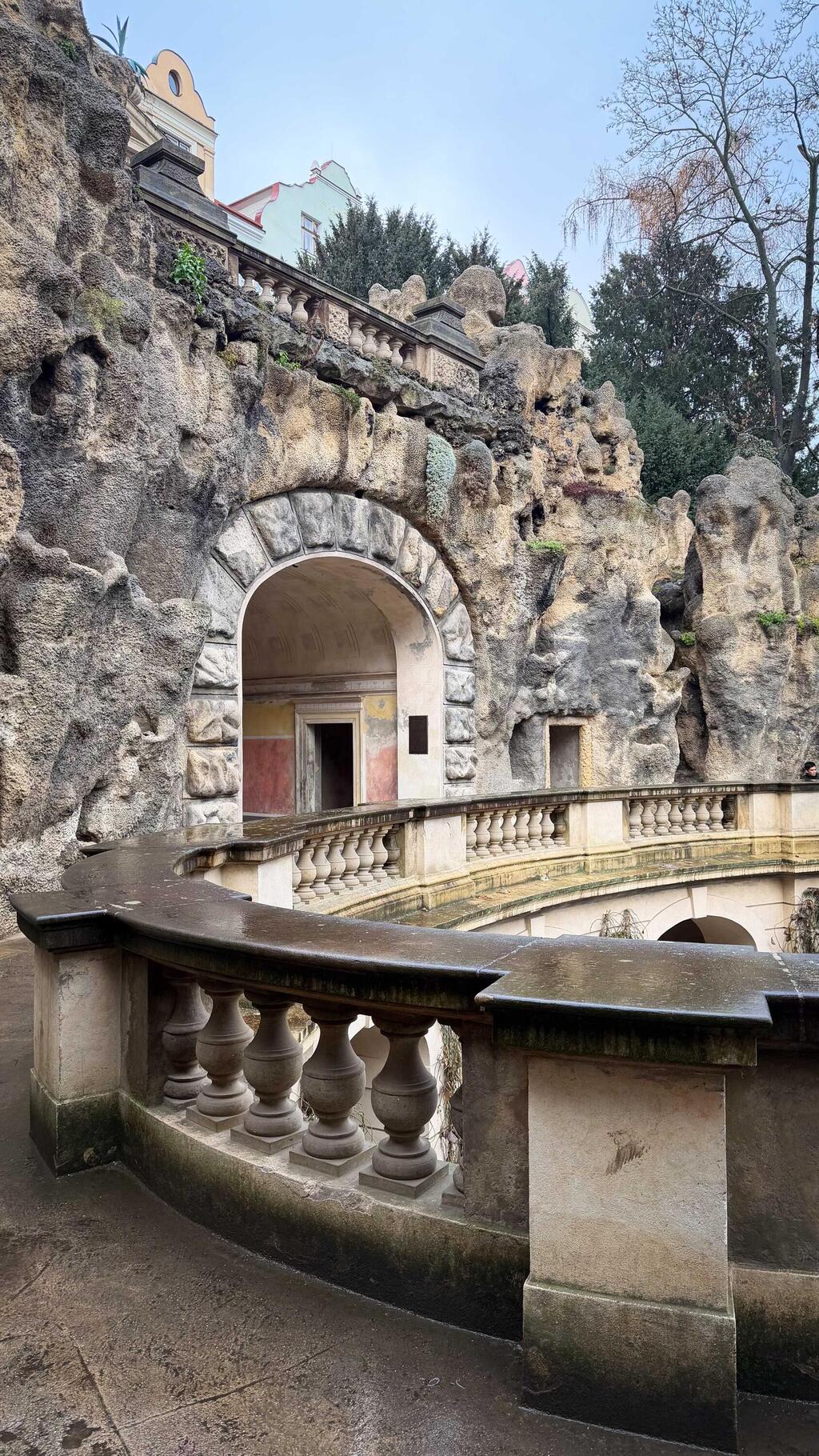
The grotto at Grébovka park
(Photo: Roy Elman)
Where to stay? We picked the Czech Inn, a high-end hostel in a beautifully restored historic building. It offers both shared and private rooms, much like a hotel. There’s a communal kitchen for DIY meals or a full breakfast menu. Downstairs, there’s a live music bar and a café with sofas, tables and workspaces. Travelers from around the world gather here, making the experience far richer than a typical hotel stay.
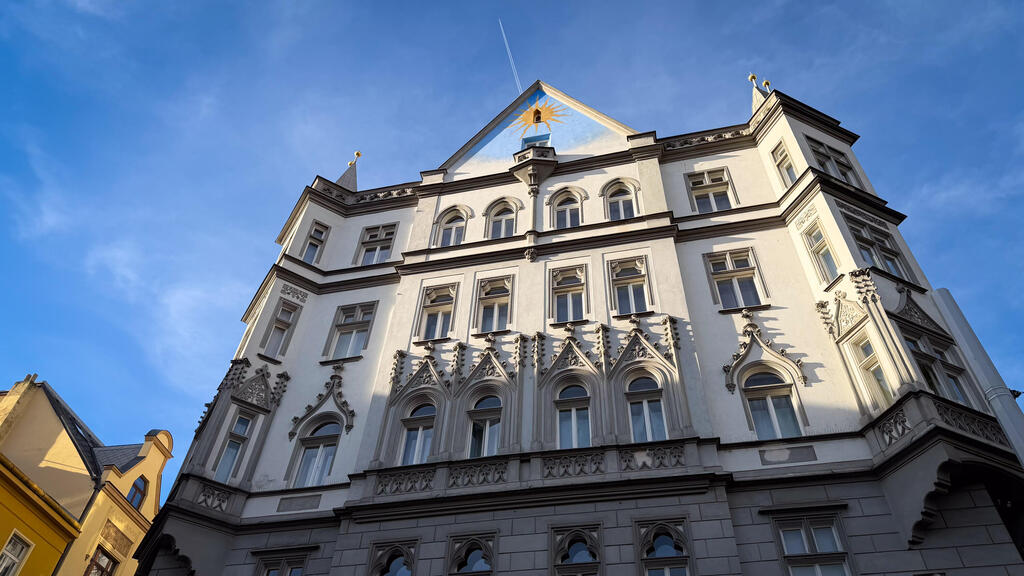
High-end hostel
(Photo: Roy Elman)
Letná Park: graffiti, skateboards and a view
While the tourist crowds head up to Prague’s famous castle, we took a different route, north to Letná Park. It’s a quiet, elevated green space, a bit rough around the edges, with graffiti, the occasional patch of rust, but also serenity and sweeping views of Prague with a personal feel.
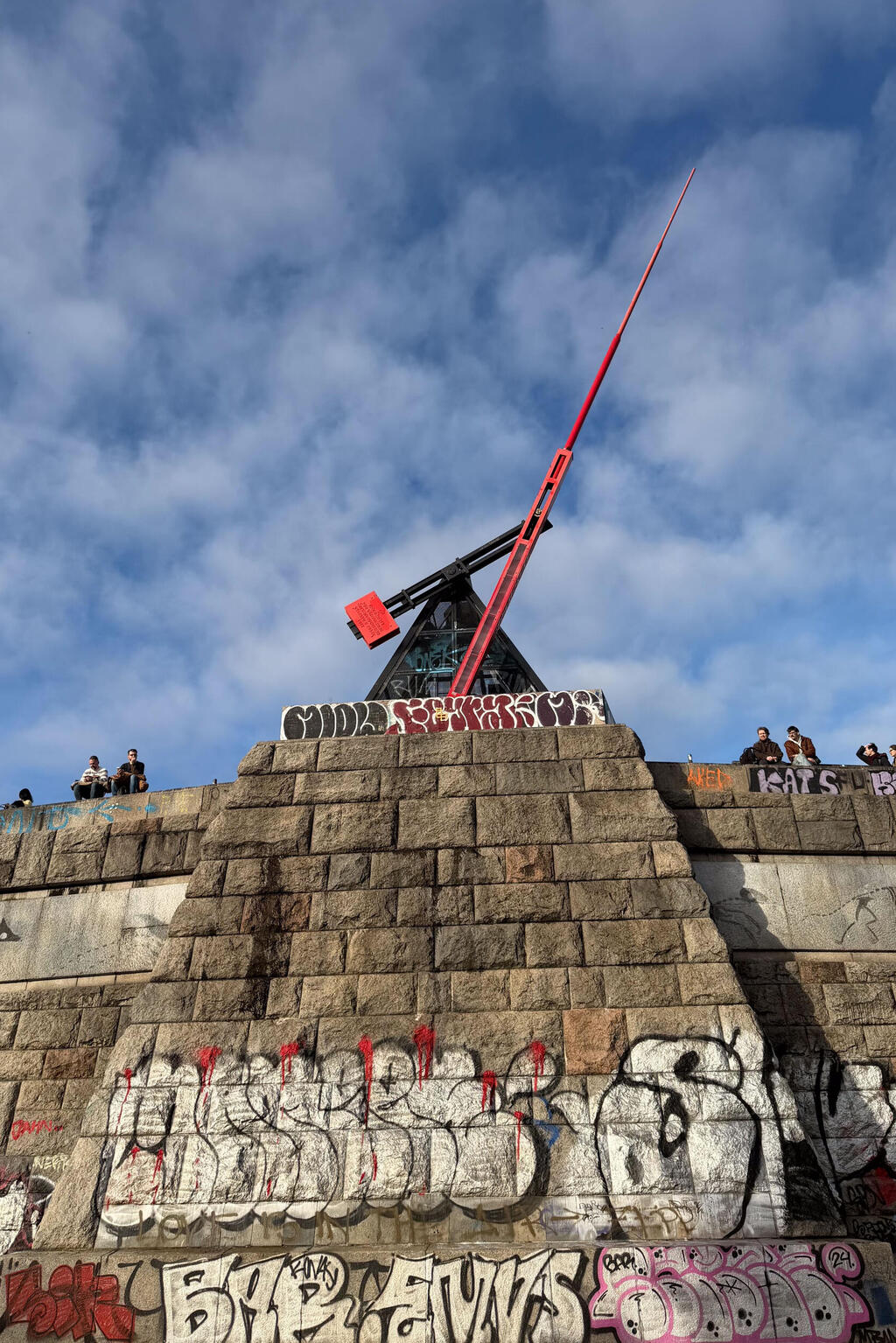
The giant metronome 'Time Machine'
(Photo: Roy Elman)
We crossed Čechův most Bridge and climbed the stairs to the park. Tip: don’t look back as you go. Wait until you reach the top and then turn around. The view of Prague’s bridges stretched out in a row is unforgettable.
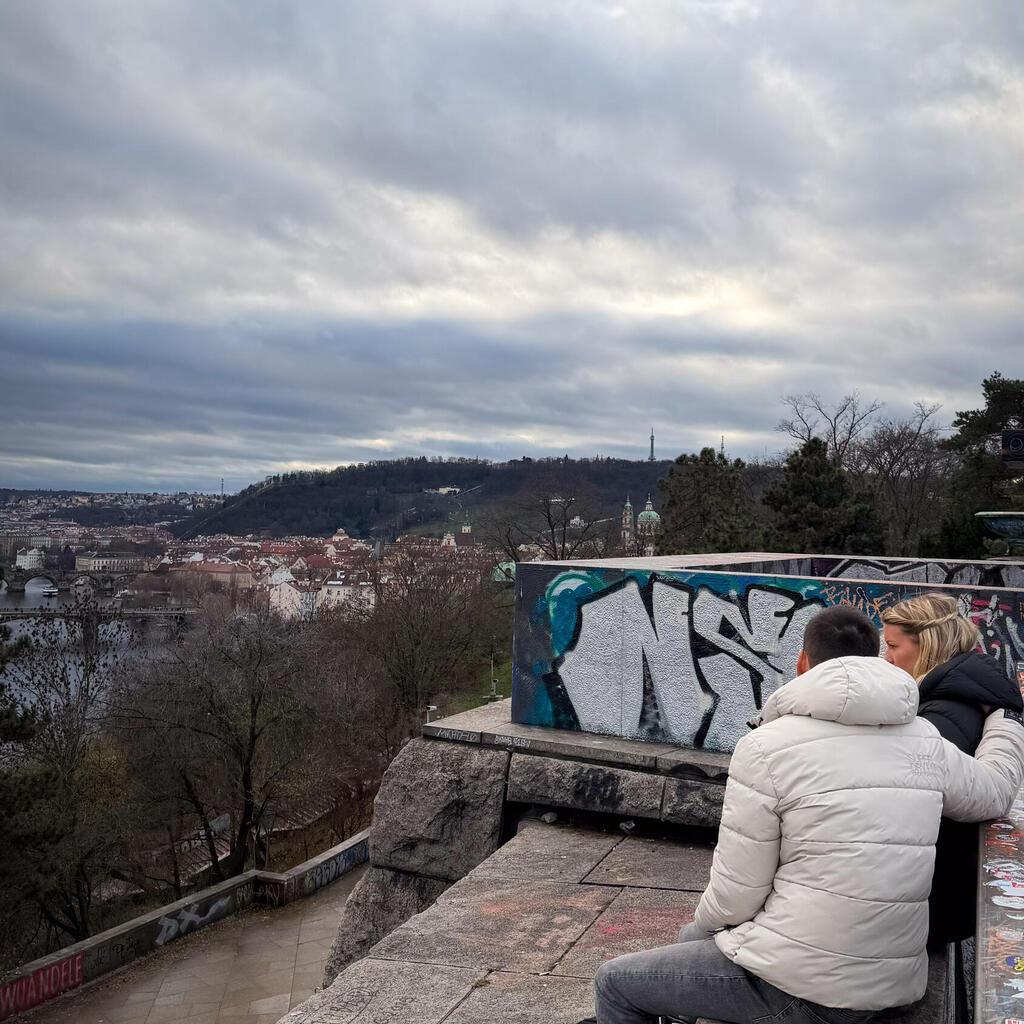
Letná Park. Peace and quiet
(Photo: Roy Elman)
At the heart of the park stands its central attraction: the giant metronome, officially called “Stroj času,” or “Time Machine.” Designed in 1991 by artist Vratislav Karel Novák, the 25-meter-tall, 7-ton structure swings side to side. Its location is no accident; it was built on the base of what was once the world’s largest granite statue of Soviet dictator Josef Stalin, cynically nicknamed “the Meat Line” by locals.
That statue was blown up in 1962 using 800 kilograms of explosives. For 30 years, the pedestal stood empty, until the red metronome was installed, symbolizing the passage of time and change. It’s a reminder that time outlasts even the most powerful dictatorships.
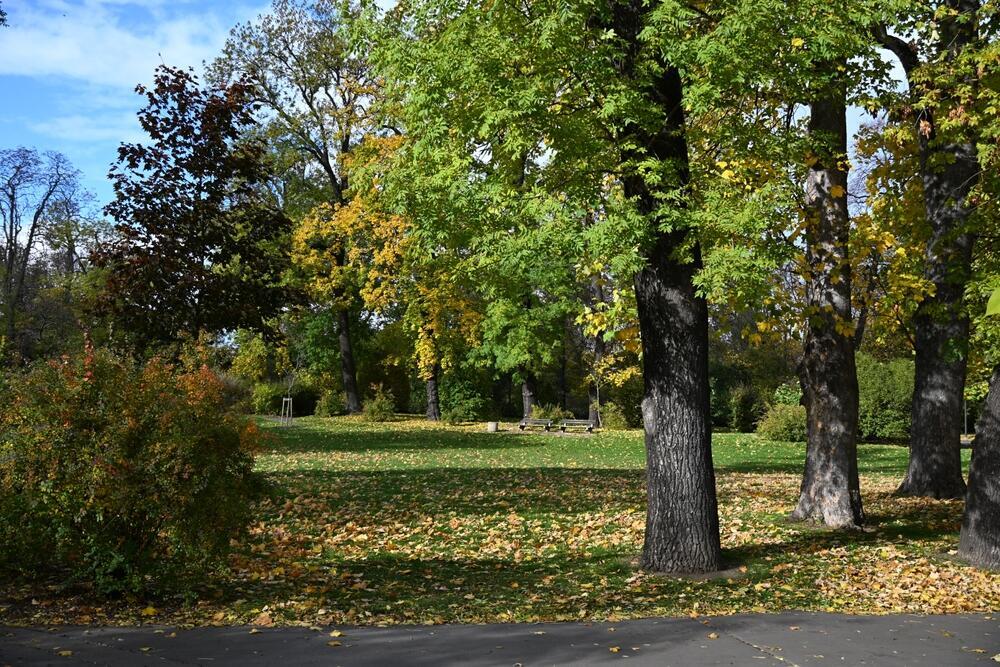
Letná Park
(Photo: Jan Hospodka / shutterstock)
Karlín: coffee and architecture
After Letná Park, we descended, crossed the bridge and veered left along the Vltava River heading east. Eventually, we turned right into what felt like a completely different world. Welcome to Karlín.
Unlike the winding alleys of the Old Town, Karlín is laid out in a grid with wide boulevards, trees and lots of open space. What catches the eye here is the mix of old and new: renovated historic buildings side by side with bold, modern architecture.
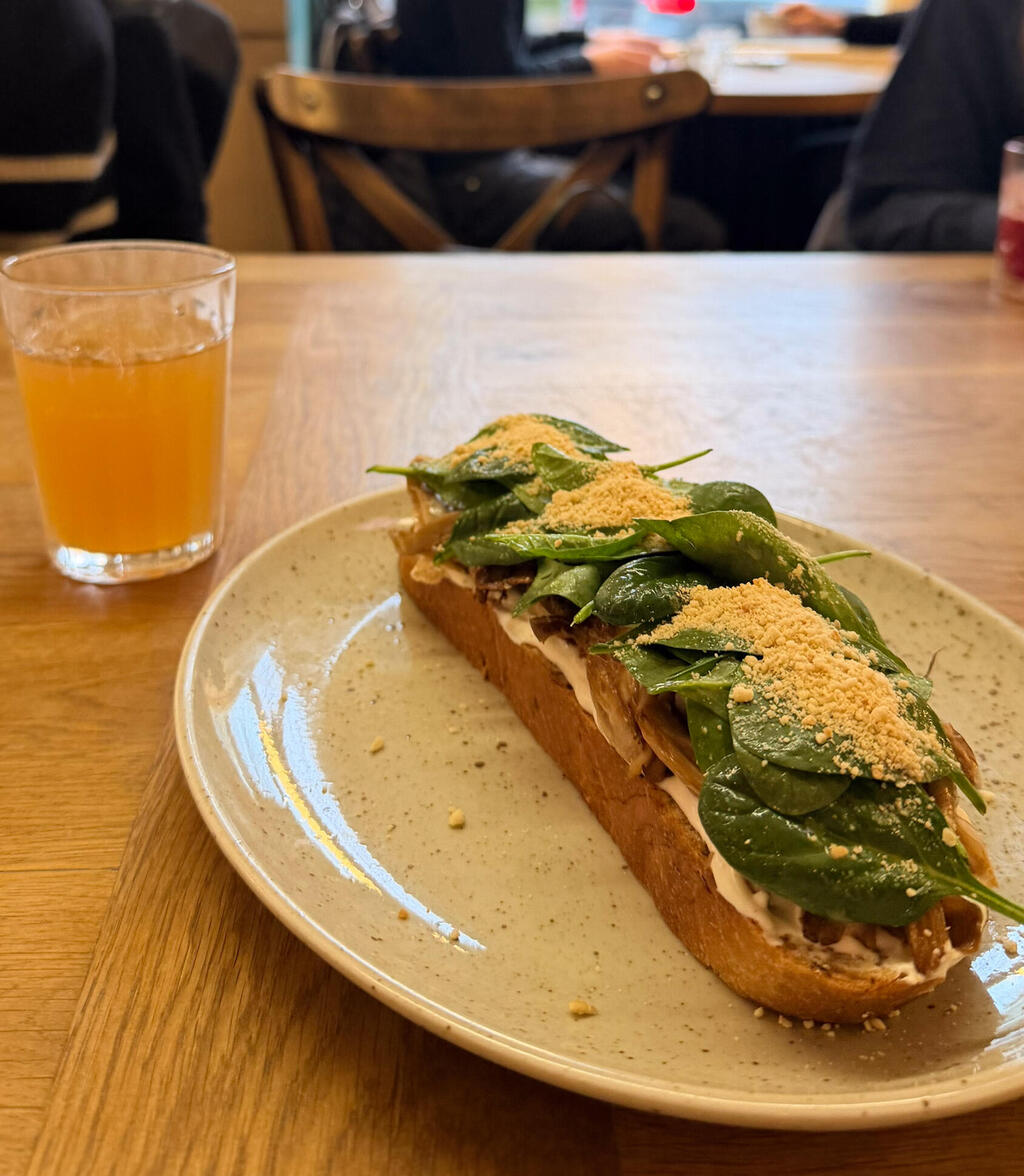
Open-faced sandwich at Můj šálek kávy
(Photo: Roy Elman)
The main reason for coming here is the district’s buzzing coffee and nightlife scene. Our top recommendation: head straight to the main street, Křižíkova, and grab a table at Můj šálek kávy (“My Cup of Coffee”). Many locals credit this café with kickstarting Prague’s specialty coffee revolution. We ordered a cup along with a hot, open-faced sandwich that turned out to be both delicious and surprisingly inventive.
A few minutes away lies Karlín’s unofficial backyard, Kasárna Karlín. Once a sprawling military compound, it’s now a vibrant cultural playground. In summer, the courtyard transforms into an open-air cinema, with people lounging in deck chairs, sipping beer and soaking in a rare sense of total freedom. If you’re into local brews, just cross the street to Dva kohouti (“Two Roosters”), a lively brewery with a large courtyard often packed with cheerful locals.
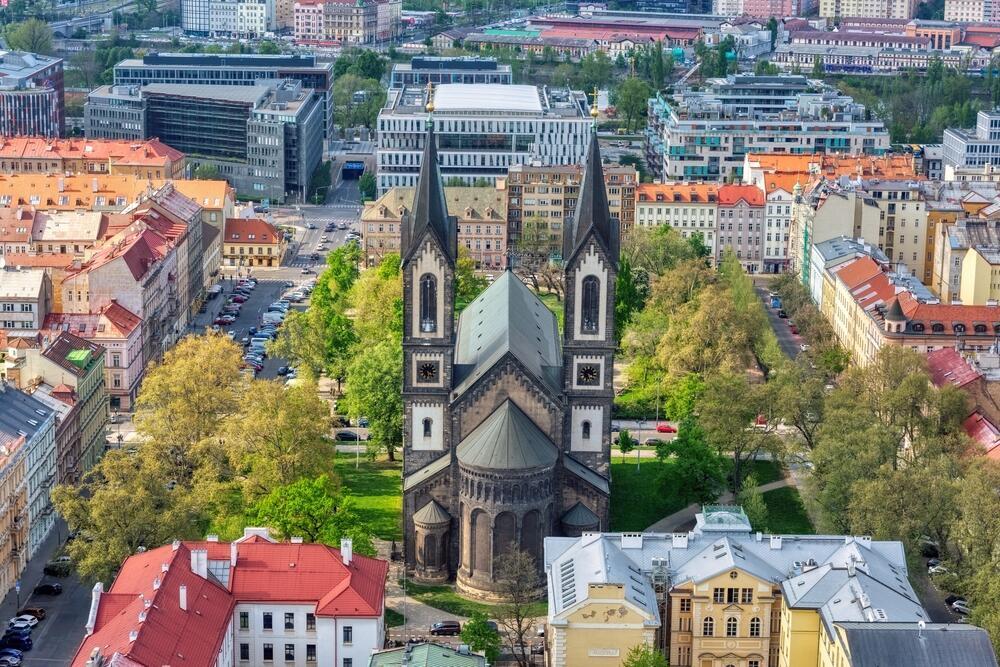
Karlín. A mix of old and new
(Photo: DavidF Prague / shutterstock)
Sapa: Prague’s Vietnamese surprise
If you're in the mood for a jolt of culture shock, in the best way, look for “TTTM Sapa” on your map. Close your eyes and follow your nose, and you’ll be convinced you've landed in Hanoi. But open them and you'll find yourself in Prague’s District 4, known as Libuš.
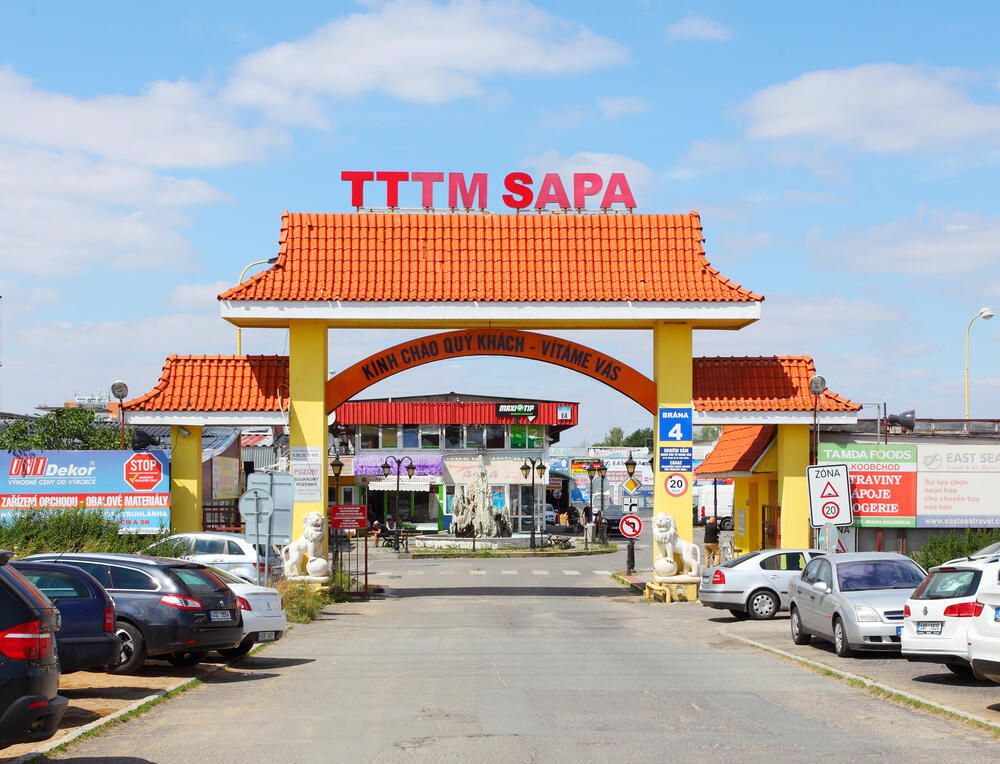
Sapa. Vietnamese neighborhood
(Photo: Kletr / shutterstock)
The Vietnamese community is the Czech Republic’s third-largest ethnic minority, and this vast compound is its heart. This isn't a polished, touristy Chinatown but a full-fledged “city within a city” spread over 86 acres. Originally a Communist-era poultry factory, it’s now a maze of warehouses, shipping containers and logistics centers employing thousands. Hidden within the organized chaos are schools, kindergartens, an independent newspaper, and even an active, impressive Buddhist temple.
Why go? One word: food. We arrived hungry and left euphoric. This is where you’ll find the most authentic and flavorful Pho in Europe, charcoal-grilled Bun Cha, and unbelievably crisp Vietnamese baguettes. Local tip: leave your credit card in your pocket and bring cash (Czech koruna). Here, it’s all about gestures and low plastic stools.
Divoká Šárka: nature in the city
Just before you head to the airport, we’ve got one final surprise. Few tourists know that just 10 minutes from Prague’s main terminal lies a wild nature reserve called Divoká Šárka (“Wild Šárka”). It’s named after a legendary female warrior who, according to Czech folklore, leapt to her death from its cliffs over a broken heart.
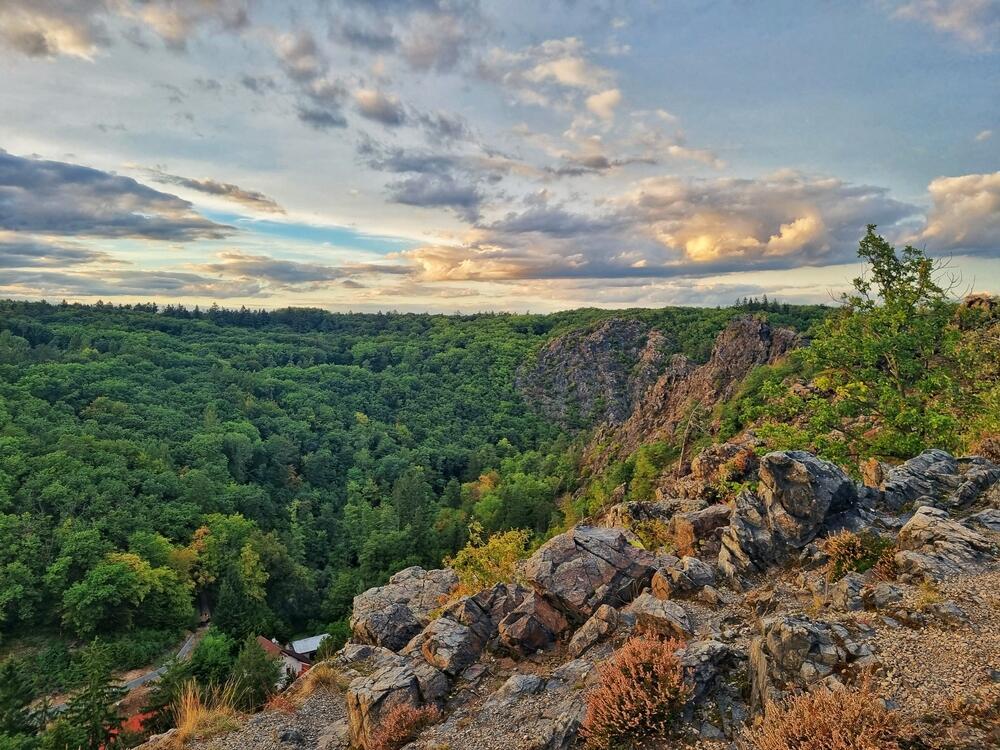
Divoká Šárka
(Photo: DanyG / shutterstock)
Forget the city; this is a realm of jagged canyon made of dark rocks (Lydite), a flowing stream and the remains of a 7th-century Slavic settlement. At the heart of the reserve is Džbán, a natural pool, and in summer, the nearby swimming area, Koupaliště Divoká Šárka, opens to the public, filled with icy, spring-fed waters. It’s the perfect spot to end your trip: enjoy one last picnic under the cliffs, breathe the fresh air, then head straight to the airport, feeling refreshed and full of memories most travelers on your flight will never know about.
Nightlife in Prague: underground energy
Prague is a city of striking contrasts; what you see by day is nothing like what happens underground at night. Beneath the peaceful castles and storybook facades is a dynamic and sometimes wild nightlife scene. Once 10 p.m. hits, a different Prague emerges, and don’t be surprised if you end up at your hostel very late at night.
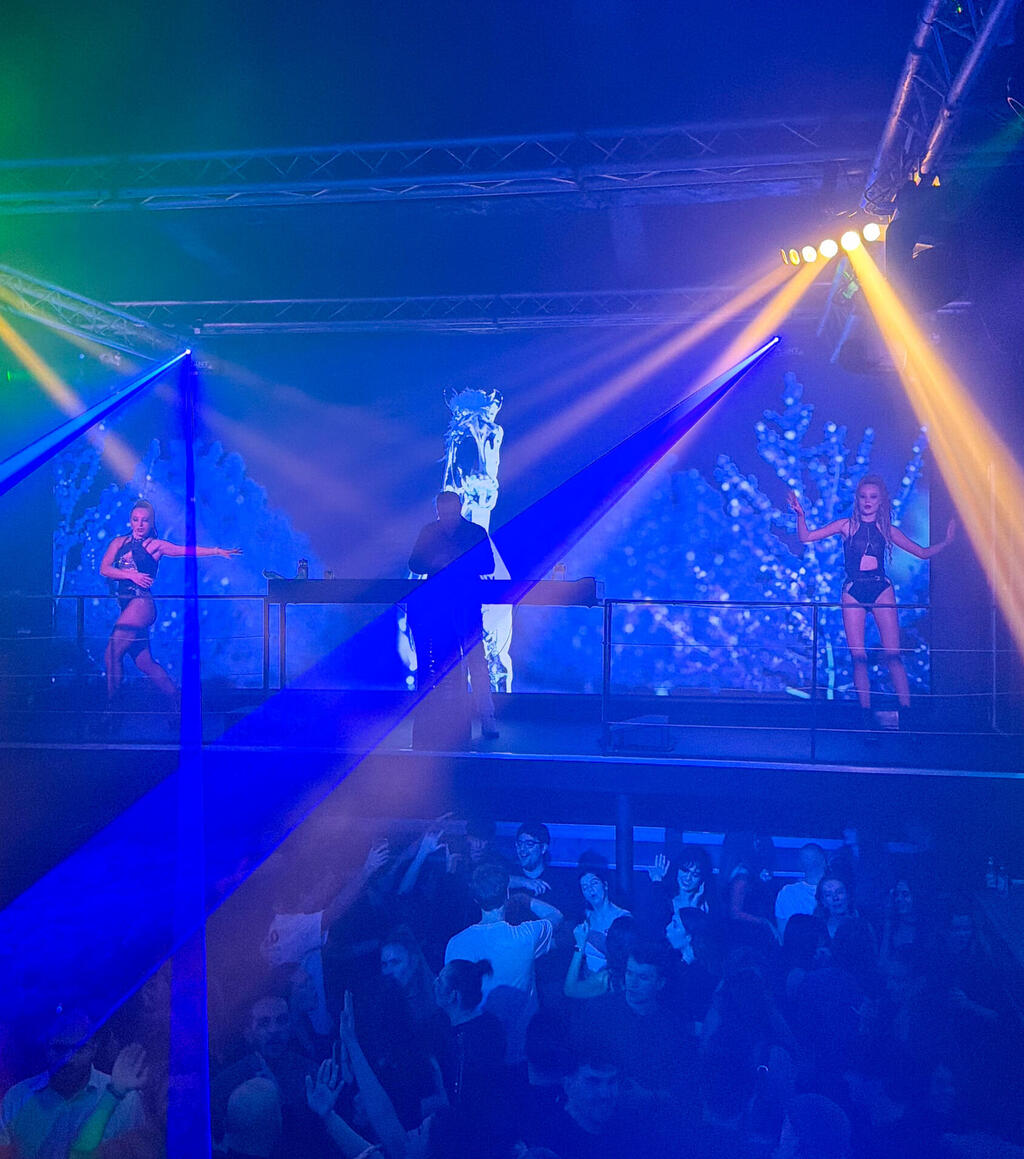
Karlovy Lazne club
(Photo: Roy Elman)
For fans of big, loud parties, we’ll make an exception to our “off the beaten path” theme and recommend a few major nightlife hubs that are touristy but are genuinely fun. The city’s “holy trinity” of clubs includes Karlovy Lázně, a five-story club near Charles Bridge, where each level plays a different music genre; Duplex, a glamorous glass-cube nightclub on the roof of Wenceslas Square; and Epic, the most modern of the three, offering high-end sound systems, lasers and international DJs.
But Prague’s nightlife truly comes alive in the smaller, hidden pubs, many in underground cellars known as Sklep, with low ceilings, stone walls, cheaper beer and a warm, authentic vibe.
One last tip: the munchies. If you need something fast, tasty, high-quality and affordable at any hour, look for Bageterie Boulevard, a local sandwich chain known for its cozy, clean locations and hot baguettes baked on-site, filled with whatever your late-night cravings demand.
Bottom line
Prague is just a 3.5-hour flight from Tel Aviv. There’s not much to think about; just book the ticket and head off on a four-day adventure. And in case you’re wondering: yes, Czechs do like us.
Ahoj! That’s how you say hello (and goodbye) in Czech.