

It is indeed hot today, but that does not mean you have to stay indoors with the air conditioner. Here are several recommendations for short, easy, refreshing and shaded routes that are well suited for scorching days when long, strenuous hikes are not advisable.
Walking in a shallow flowing stream: Ein Divsha
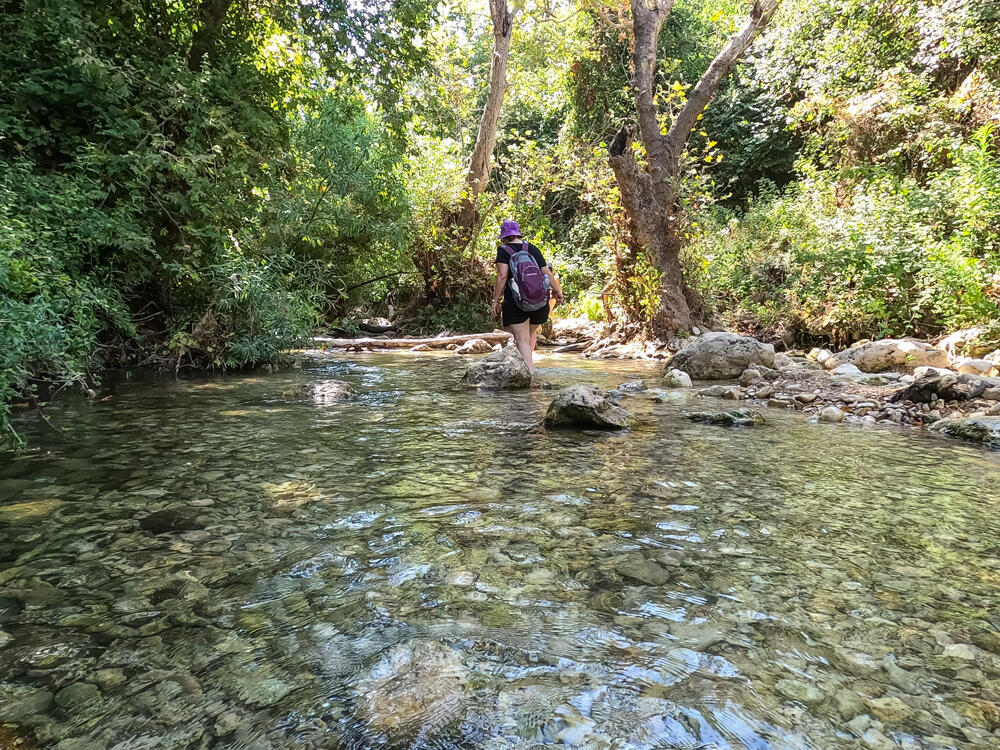
Ein Divsha spring emerges on the western slopes of the Golan Heights and once fed Lake Hula. The trail there is very easy and suitable even for families with small children, since the water depth does not exceed ankle level.
Above the spring are the remains of the Ottoman-era flour mill “Dirbashiyya,” which once used the water to produce flour. A few years ago, a trail was renovated and dedicated in memory of Maj. Tzafrir Bar-Or, who was killed in Operation Protective Edge.
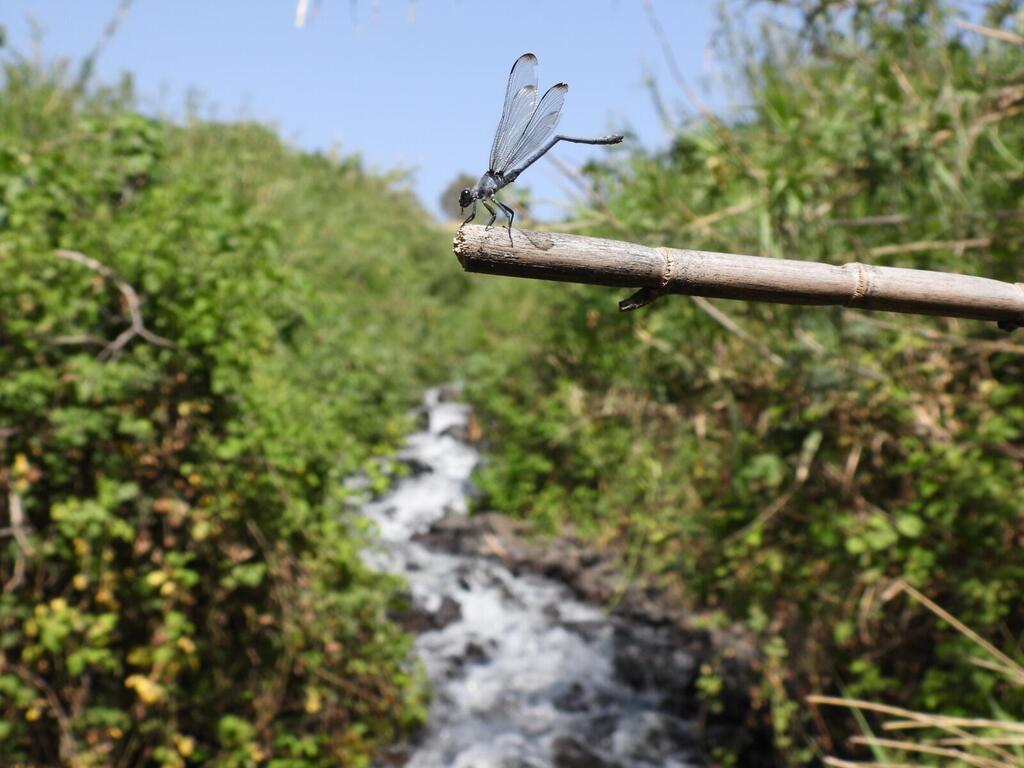
Ein Divsha spring emerges on the western slopes of the Golan Heights and once fed Lake Hula
(Photo: Iris Arbel, Society for the Protection of Nature)
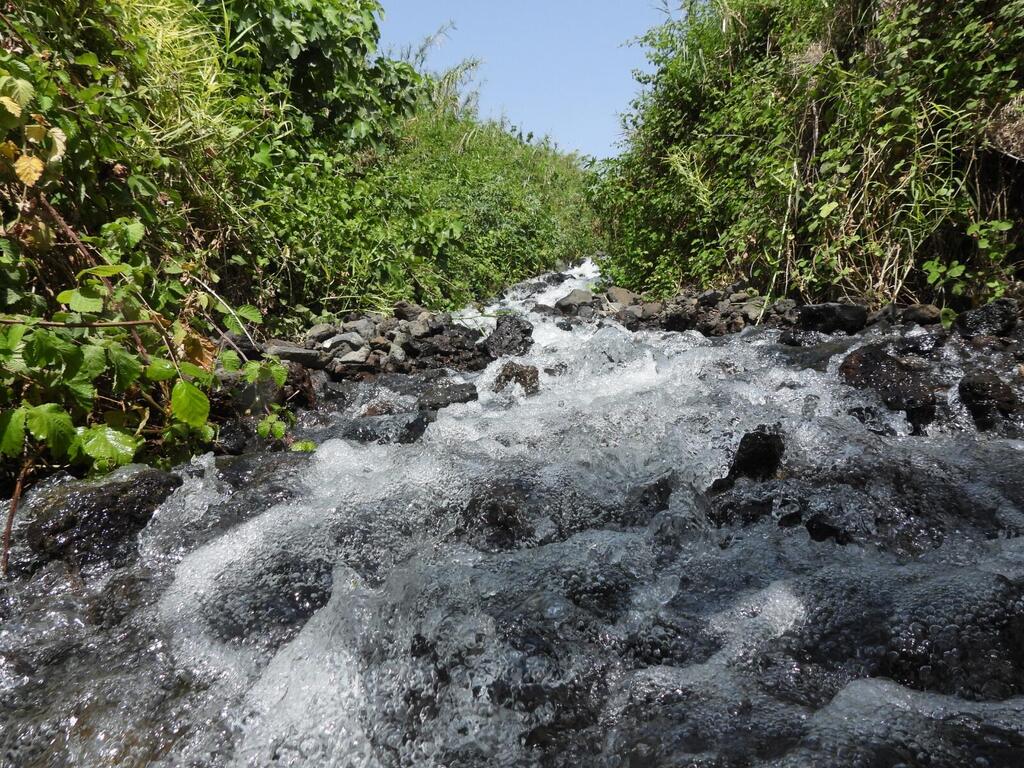
The trail there is very easy and suitable even for families with small children
(Photo: Iris Arbel, Society for the Protection of Nature)
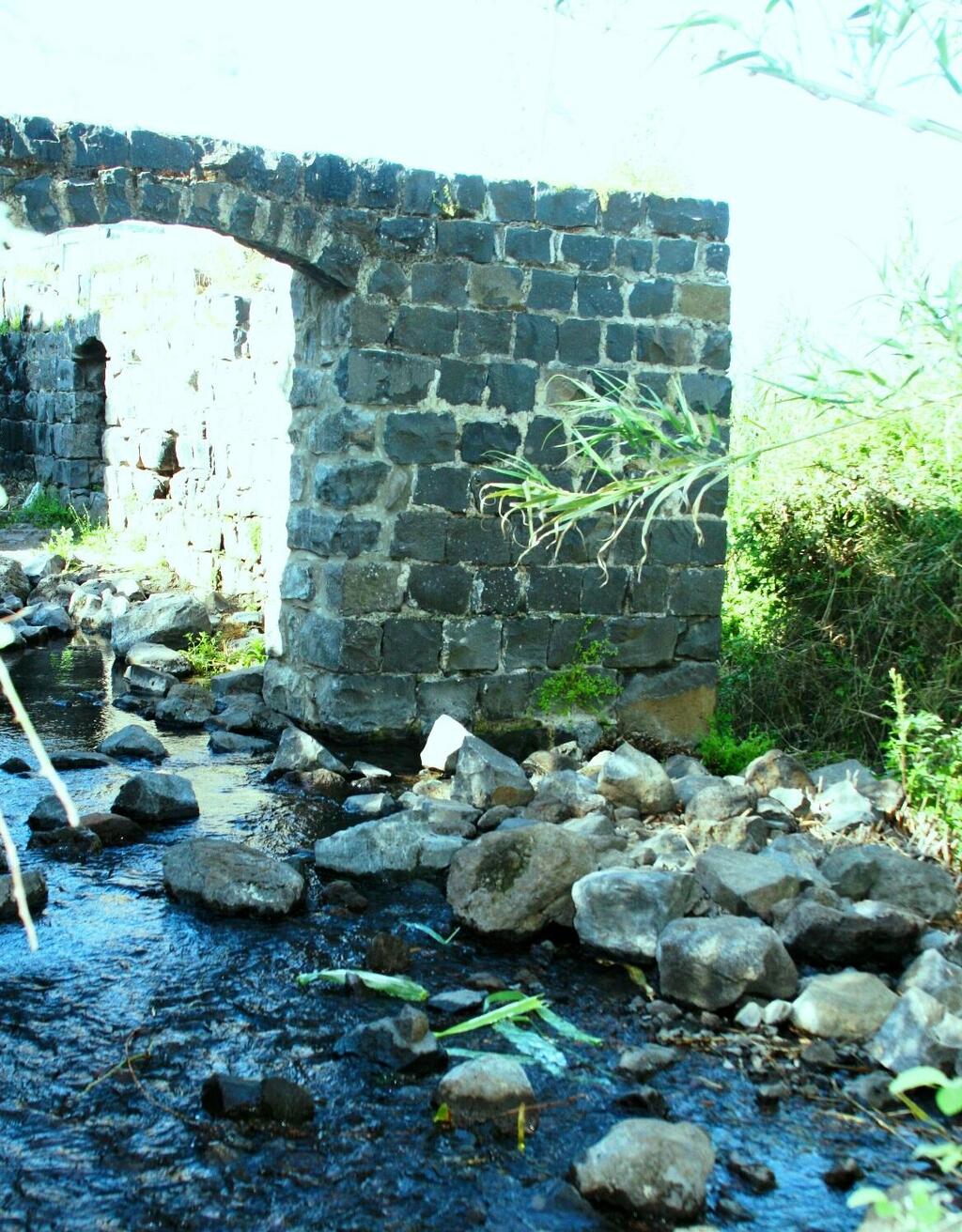
Above the spring are the remains of the Ottoman-era flour mill “Dirbashiyya,” which once used the water to produce flour
(Photo: Yotam Levy)
After parking at the Ein Divsha lot next to Route 918 on the eastern side, cross the road carefully and pass the cattle fence. From there, walk along the stream and after about 100 meters reach shaded spots under many trees, alongside benches installed near the water as part of the renovation. Continue upstream over black basalt stones and after about 300 meters reach the remains of the flour mill. After wading in the water near the mill, return to the car the same way.
It is important to note that the flow in the Ein Divsha stream is not constant, as the spring water is pumped for agricultural use. The Upper Galilee and Jordan Valley region is still not connected to the national water system, despite the establishment of desalination plants in Israel, and all water needed for agriculture and local use is pumped directly from springs and streams. This intensive water use dries and reduces springs and streams and causes severe damage to natural ecosystems and the ability to enjoy them, leading to an ongoing campaign by the Israel Nature and Parks Authority to connect the region to the national water system and release spring water back into natural flow.
Not just kayaking: Snir Stream
Many know Snir Stream for its kayaking routes in its southern section, but its northern part in the Galilee Panhandle is a nature reserve offering year-round flowing water, tall riverbank forest shade and beautiful wet hiking routes of varying difficulty. Some are even accessible for strollers and wheelchairs.
The short route (marked in red, about 15 minutes of walking) is a circular accessible trail suitable for wheelchairs and strollers. It begins at the parking lot, runs alongside a water channel and after about 10 minutes reaches a small cool waterfall feeding a pleasant wading pool and shaded resting spots. Visitors can wade in the pool and bathe under the waterfall or stay dry in the shaded areas.
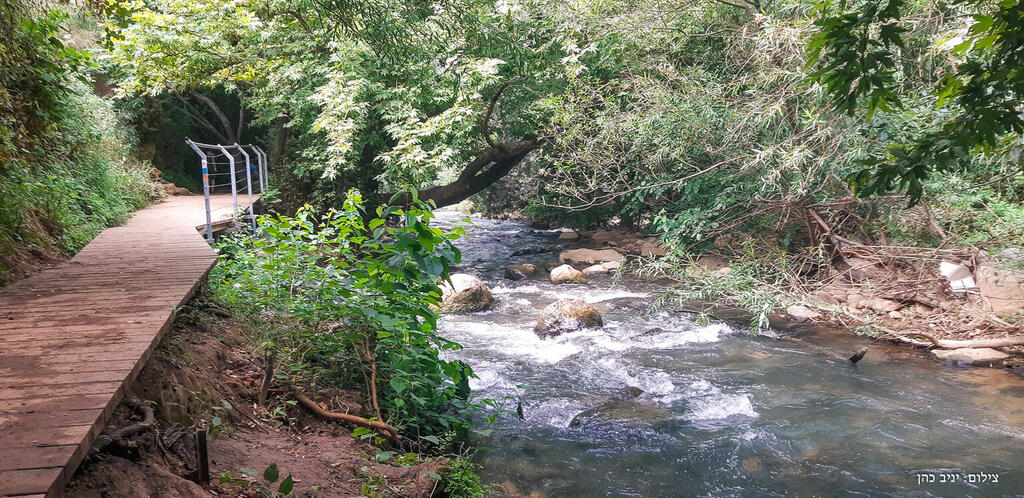
Many know Snir Stream for its kayaking routes
(Photo: Yaniv Cohen, Israel Nature and Parks Authority)
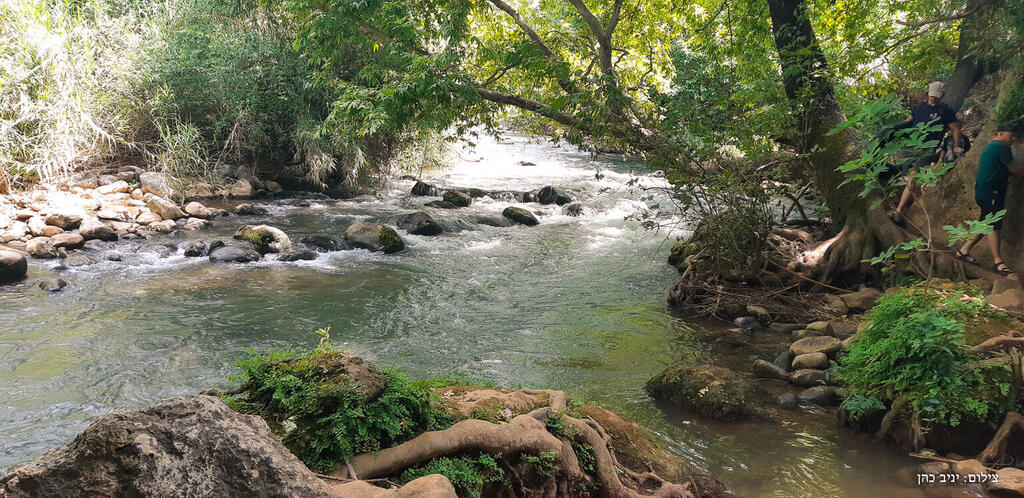
The short route is a circular accessible trail suitable for wheelchairs and strollers
(Photo: Yaniv Cohen, Israel Nature and Parks Authority)
The medium route (marked in blue, about 30 minutes) is also circular and suitable for children aged six and up. It requires getting your feet wet and a moderate climb over rock steps. From the parking area, walk alongside the water channel to the waterfall and wading pool like the short route, then continue up stone steps into Snir Stream following signs toward “the river.” The trail passes through riverbank trees and leads to an island in the stream. On one side flows Snir Stream and on the other Dan Stream, with a steep bank of rounded basalt rocks cemented with travertine containing fossilized plant remains.
Snir Stream Nature Reserve is located near Route 99, about five kilometers from Metzudot Junction in northern Kiryat Shmona. It is important to bring closed shoes suitable for walking in water. Entry is fee-based: 28 shekels for adults, 14 shekels for children, free with Nature and Parks Authority's "Israel Pass", and advance registration is required.
Cool spring waters of the valley: Hakibbutzim Stream
The Beit She’an Valley is one of Israel’s richest water regions. Along the junction between the valley and Mount Gilboa, several large springs feed Hakibbutzim Stream. In the section within Park Hama'ayanot there is a walking route (wet or dry, at visitors’ choice) with several pools and a large pool near the parking area.
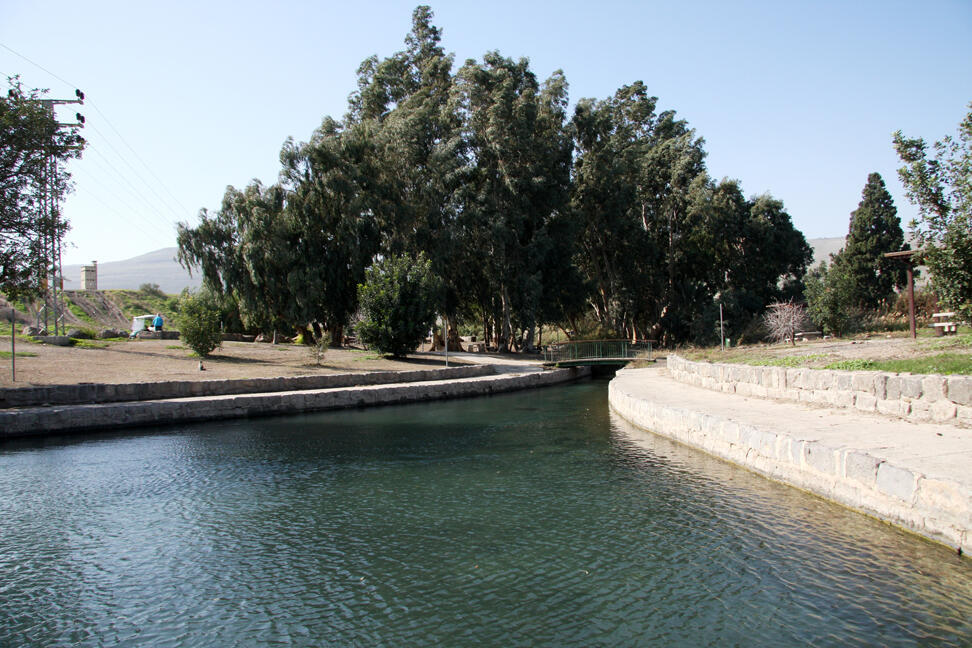
Along the junction between the valley and Mount Gilboa, several large springs feed Hakibbutzim Stream
(Photo: Yaakov Shkolnik)
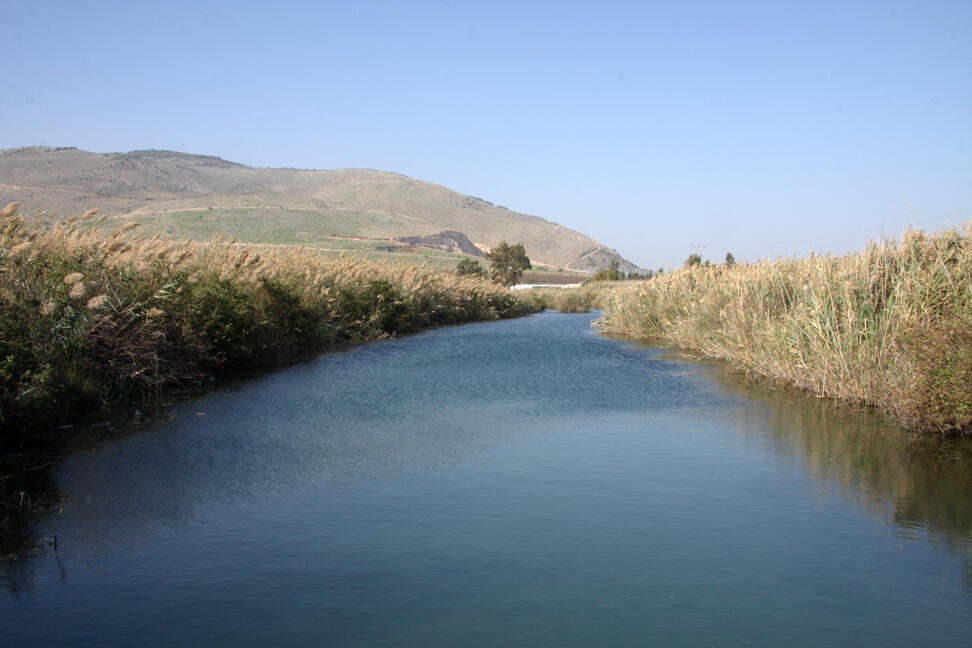
The trail is very suitable for families
(Photo: Yaakov Shkolnik)
As part of development works carried out in recent years, water crossings were built for sliding, bridges over the stream, observation decks, organized paths and stairs for safe entry into the water. The trail is very suitable for families, although some sections are relatively deep, so flotation devices are recommended for children who cannot swim.
Entry to Park Hama'ayanot is free, and the stream route is very close to the parking area. Nearby are three additional natural springs for bathing: Ein Moda, Ein Shokek and Ein Migdal. No advance registration is required.
The lagoon next to the Sea of Galilee: the Majrase
The “wet trail” of the Majrase – the lagoon formed by Daliyot River before it flows into the Sea of Galilee – is perfect for heatwave days. It is about 800 meters of walking in stream water, after which visitors can return via the “dry trail” and enjoy the reserve’s scenery without walking in water.
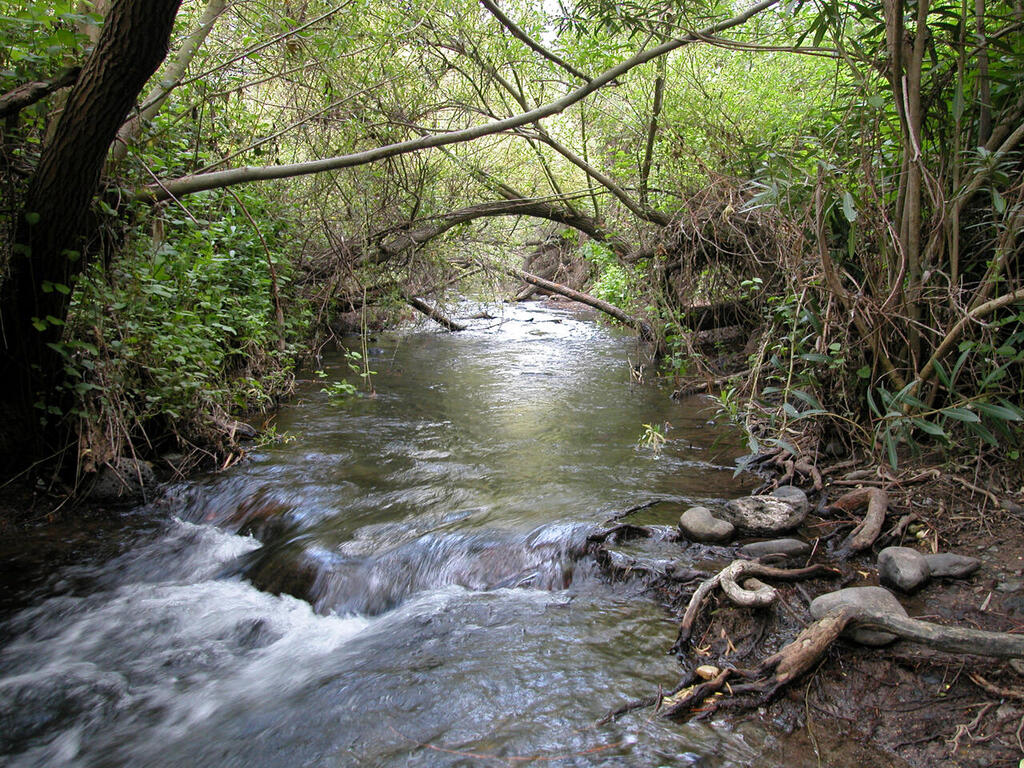
The “wet trail” of the Majrase – the lagoon formed by Daliyot River before it flows into the Sea of Galilee
(Photo: Yaakov Shkolnik)
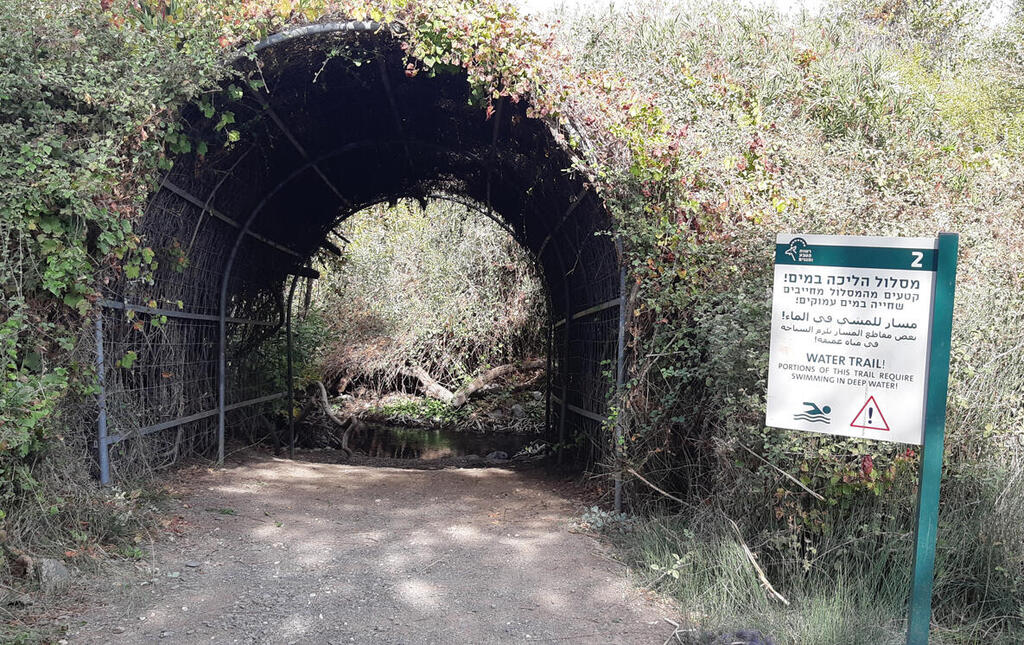
It is about 800 meters of walking in stream water, after which visitors can return via the “dry trail”
(Photo: Daniela Turgeman, Israel Nature and Parks Authority)
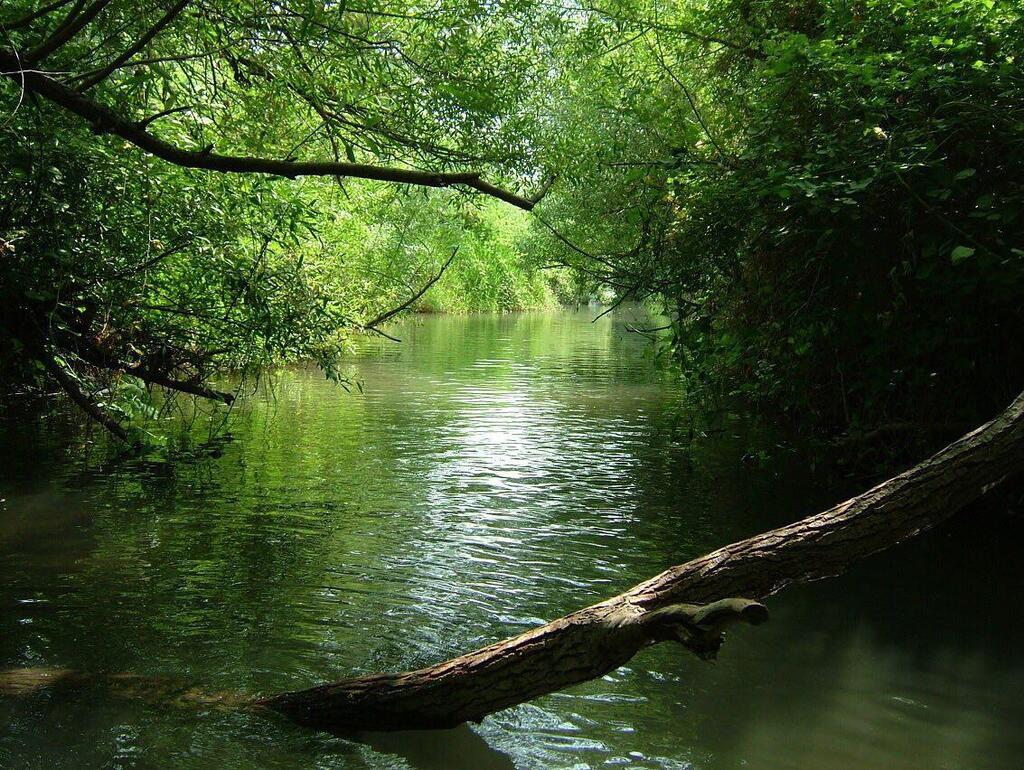
Water depth varies depending on the season and rainfall, and is usually up to about waist height for an adult
(Photo: Dubi Zakai)
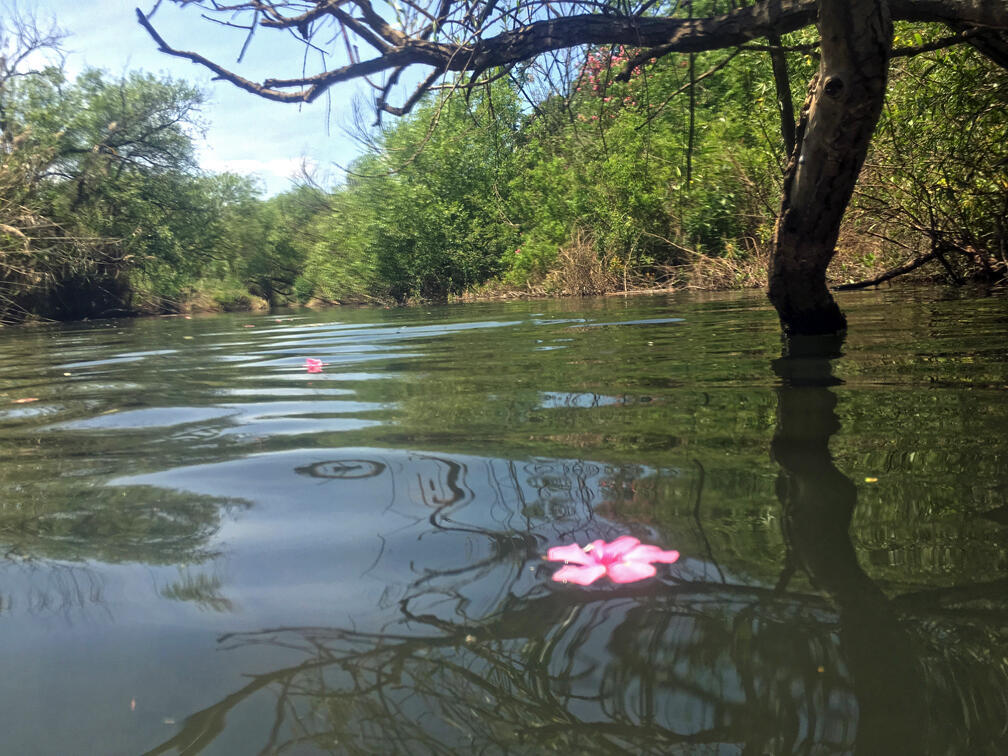
Most of the route is shaded and runs through dense greenery dotted with pink flowering oleander
(Photo: Gilad Carmeli)
The walk follows the blue-marked trail. Water depth varies depending on the season and rainfall, and is usually up to about waist height for an adult. After about 300 meters, the channel widens and deepens into a natural pool where swimming is possible.
Most of the route is shaded and runs through dense greenery dotted with pink flowering oleander. Visitors who choose the dry route can still enjoy a cool dip in designated access points, including wheelchair-accessible entry areas.
The section beyond the marked sign is closed to protect nature. This is the only place in Israel where natural wetland landscapes have been preserved in an undisturbed state, and the lagoons and aquatic vegetation are an important habitat for Sea of Galilee fish during spawning season. The area is therefore a protected reserve, with parts closed to the public.
Entry is fee-based: 28 shekels for adults, 14 shekels for children, free with Nature and Parks Authority's "Israel Pass", with advance registration required.
Cool spring water and one of the oldest ancient cities in Israel: Tel Dan
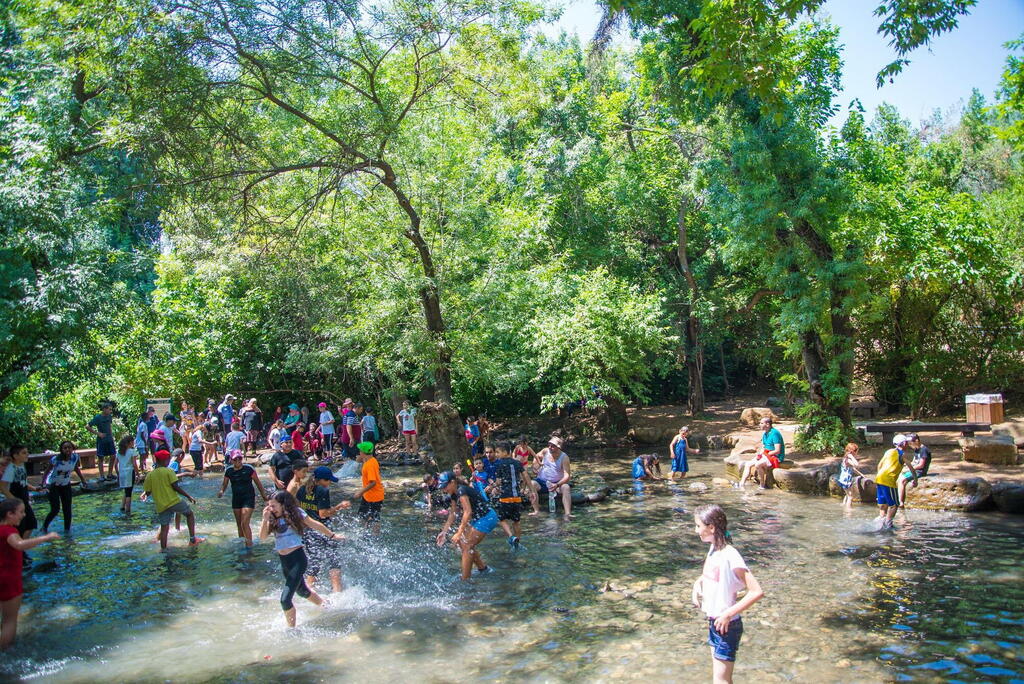
The Dan River is the largest and most important of the three sources of the Jordan River. Its springs produce about 238 million cubic meters of water per year, similar to the combined flow of the Hermon (Banias) and Snir (Hasbani) streams. Because all its water comes from springs, its temperature remains consistently low, around 14.5°C, and its water quality is very high.
The Dan River is the largest and most important of the three sources of the Jordan River
(Photo: Manu Grinspan)
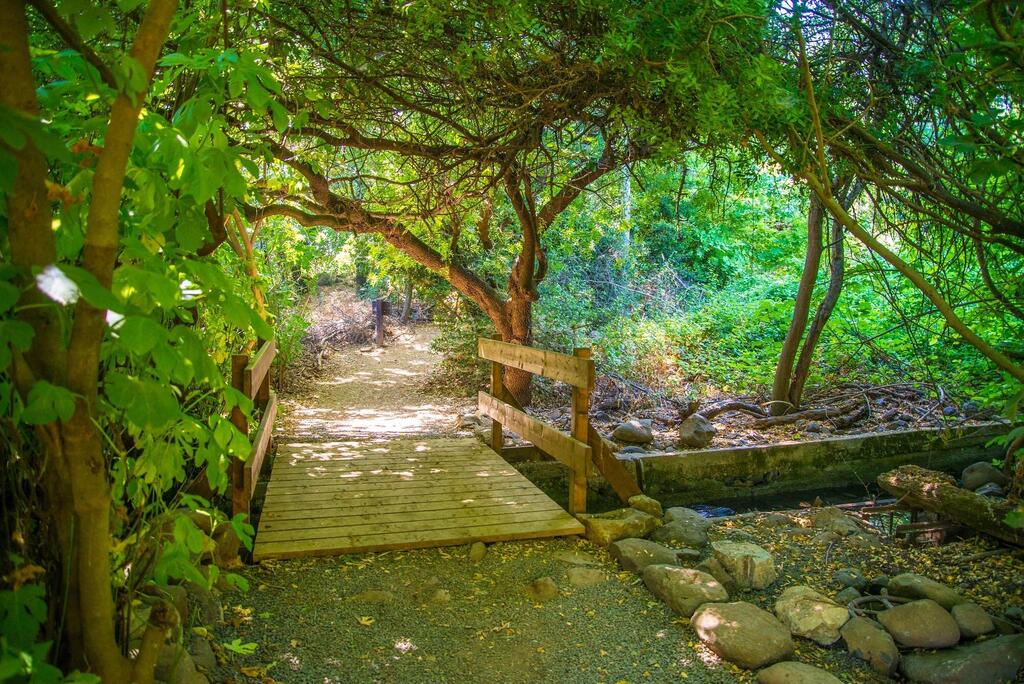
The reserve offers year-round flowing water
(Photo: Manu Grinspan)
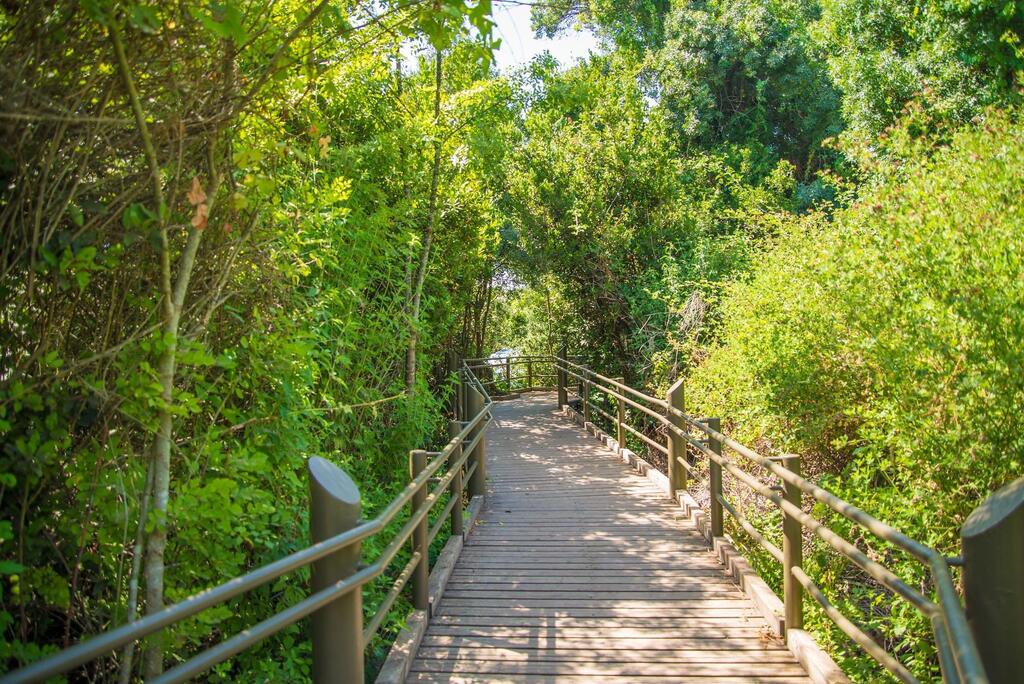
The short route begins at the parking area and follows an accessible path
(Photo: Manu Grinspan)
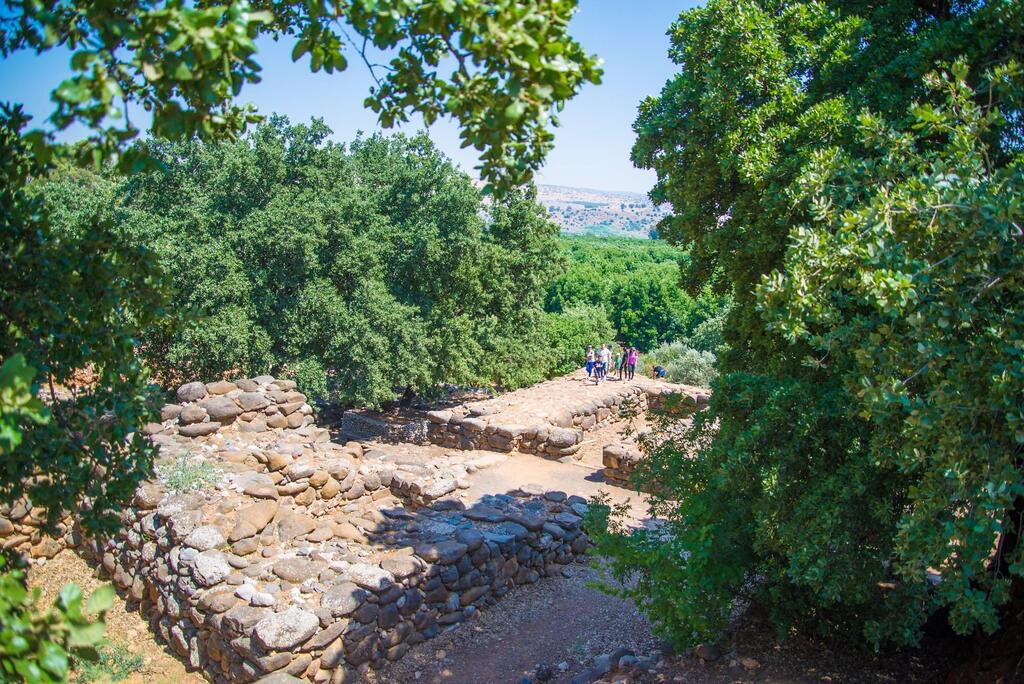
The path continues to an impressive earthen rampart and a massive Canaanite gate from the Bronze Age
(Photo: Manu Grinspan)
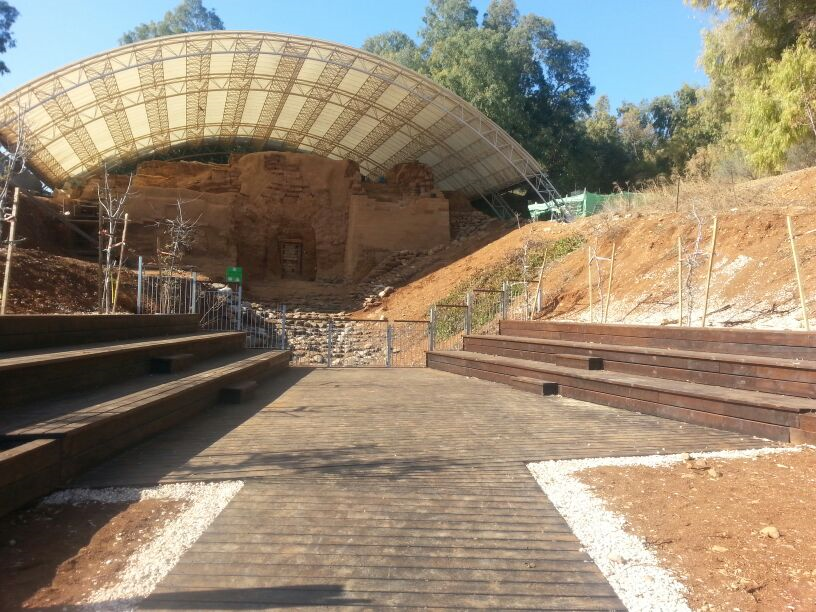
At the end of the route, visitors can also visit the Museum of Nature and Archaeology in Kibbutz Dan
(Photo: Tal Liyugenki)
Tel Dan Nature Reserve covers a very small area – just 481 dunams (around 118.86 acres). Despite this, its location between Mount Hermon, the Golan Heights and the Hula Valley has created a unique habitat with a wide variety of plant and animal species. The reserve offers year-round flowing water, shaded summer trails, and an accessible route that passes wooden bridges, the ancient tel and a ruined flour mill.
The short route begins at the parking area and follows an accessible path between stream channels to a wading pool and then to the ancient city of Tel Dan. The path continues to an impressive earthen rampart and a massive Canaanite gate from the Bronze Age, over 10 meters high. At the end of the route, visitors can also visit the Museum of Nature and Archaeology in Kibbutz Dan.
Entry is fee-based: 28 shekels for adults, 14 shekels for children, free for Nature and Parks Authority subscribers, with advance registration required.