

Dan Lior, 40, is a documentary filmmaker and cinematographer, married and the father of two daughters, who lives in Florida. Over the past five years he has led an extreme and unconventional lifestyle, relentlessly chasing some of the world’s most dangerous tornadoes while filming an action-packed documentary, “Into the Storm,” about renowned storm chaser Michael Snyder.
"It’s not something you can plan — you wait for a phone call telling you, ‘In three days be on this plane, we’ll meet in Colorado.’ Then everything happens fast. Within two days I pack my gear, say goodbye to my wife and daughters and head out on a two- to three-week journey covering thousands of miles.”
A video clip from the documentary 'Into the Storm' (currently in production), directed by Dan Lior and Yonatan Nir


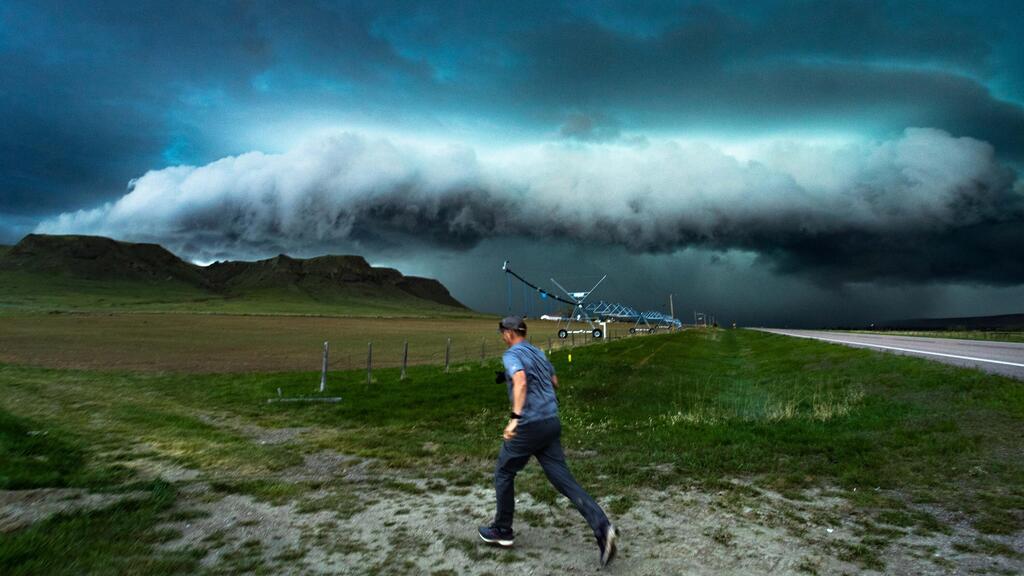
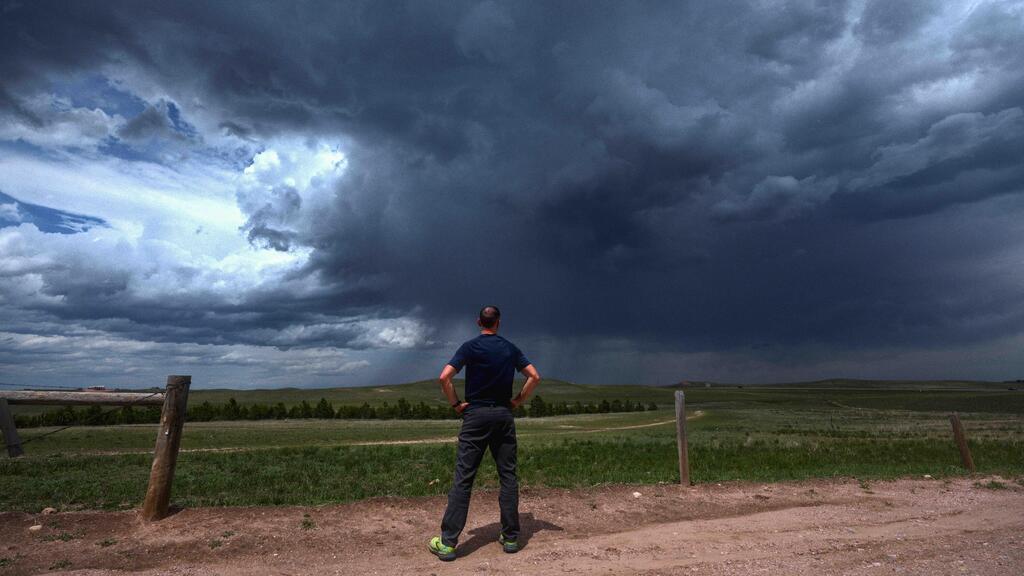
A large part of the day is spent waiting
(Photo: Dan Lior)
Despite the immediate danger, you insist you are not seeking thrills.
“The attraction to storms didn’t come from adrenaline, I’m not an adrenaline junkie. It comes from nature, from beauty, from power. These are ultimately the strongest storms on Earth. Tornadoes form from highly photogenic storms known as supercells. They are the most beautiful and impressive — and also the most powerful — storms on the planet. Paradoxically, when you see it at full force, when you witness how that power reaches its peak, it doesn’t matter who you are, it grabs you. Supercell storms, with their clouds and structure, look a lot like alien spacecraft; they’re even called ‘motherships.’ It’s an art being created right in front of you. No matter who you put in front of it, their jaw drops. But at the same time, it’s also extremely dangerous.”
Where does all this action take place?
“Most tornado filming in the United States happens in an area known as Tornado Alley. It’s a geographic corridor that begins in Texas and runs across much of the country, and it’s where most of the world’s tornadoes occur. The reason is simple but deadly: cold air from the Rocky Mountains collides with warm, humid air from the Gulf of Mexico. The result is winds that can reach up to 300 mph and hail the size of grapefruits and footballs.”
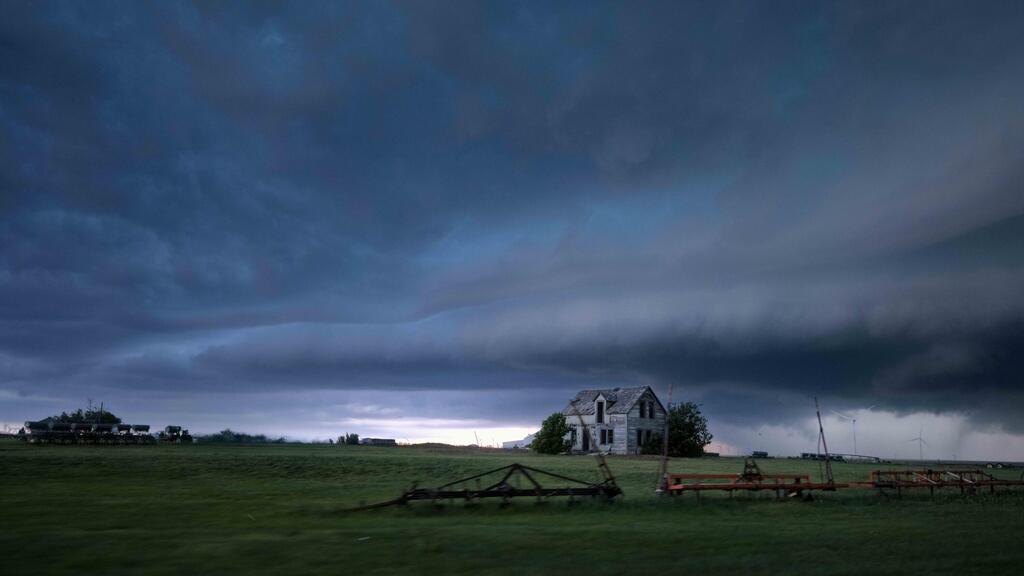
(Photo: Dan Lior)
How does the on-the-ground dynamic work when facing the forces of nature?
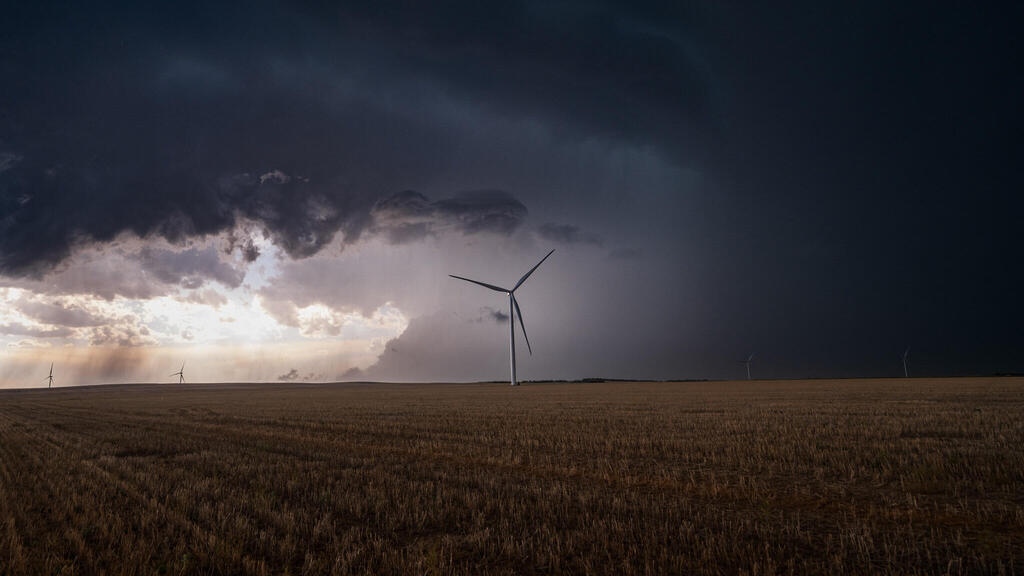
“I’m not chasing storms — I’m actually running from them. You drive to where the storm is heading and wait for it, let it come to you, and then you see a wall of wind at 120 mph bearing down on you. The cycle repeats again and again: you film, get into the car, escape — film, get into the car, escape.”

A lone storm rolls in the distance
(Photo: Dan Lior)
Are there moments when things go wrong?
“The dangerous moments aren’t always predictable. Once we took the wrong turn. Suddenly everything went dark and the car started swaying from side to side, really shaking you. We realized we were in a very dangerous place. We turned around, and exactly where we had just been — power lines, buildings, everything was torn apart and destroyed. We were lucky. A tornado passed right behind us and simply swept everything away.”
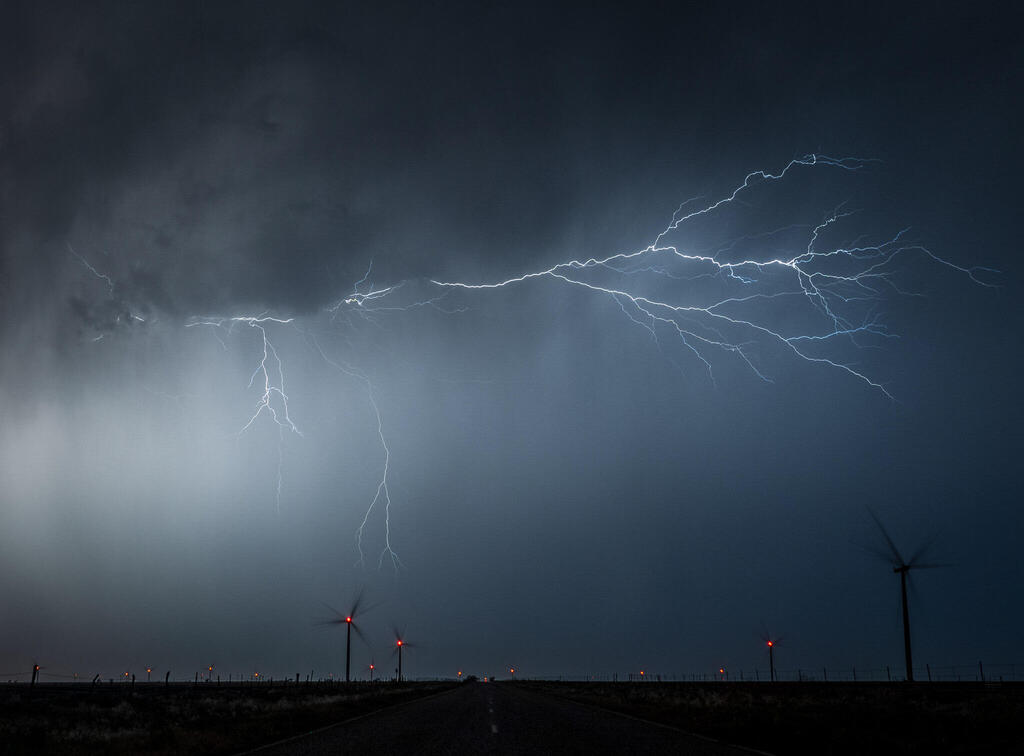
(Photo: Dan Lior)
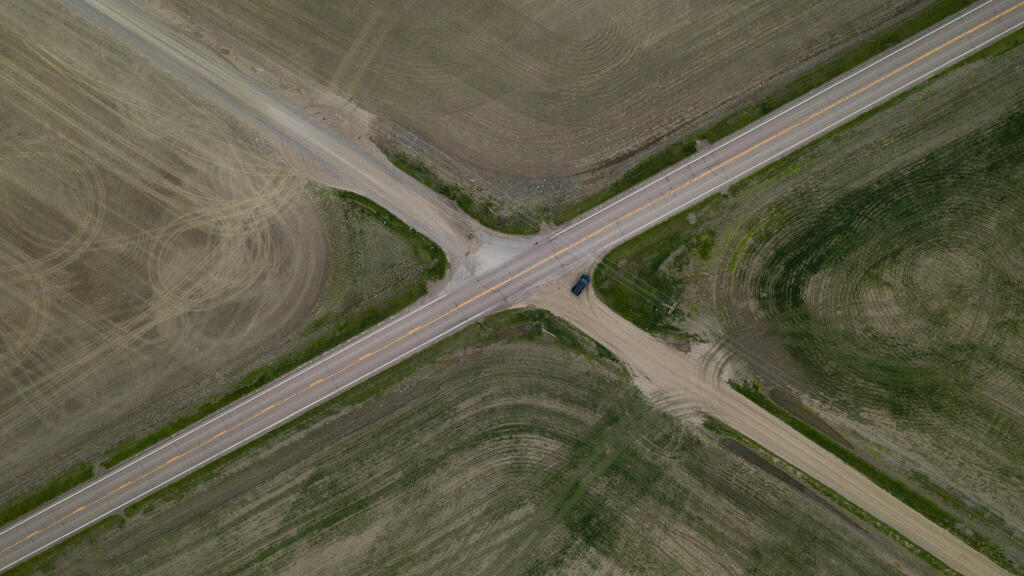
Farmers’ dirt roads — perfect access routes
(Photo: Dan Lior)
Describe the experience of waiting for a storm.
“You’re standing in a field in the middle of nowhere in one of the Dakotas, surrounded by cows or bison. Everything is quiet and pastoral, calming and almost meditative. Then, slowly, things begin to move. You’re watching one of the most beautiful audiovisual spectacles on Earth. The storm is alive — it comes toward you, changes direction, shifts winds, rises and falls — and then the lightning. Sometimes you’re standing there and see 30 lightning strikes in three seconds.”
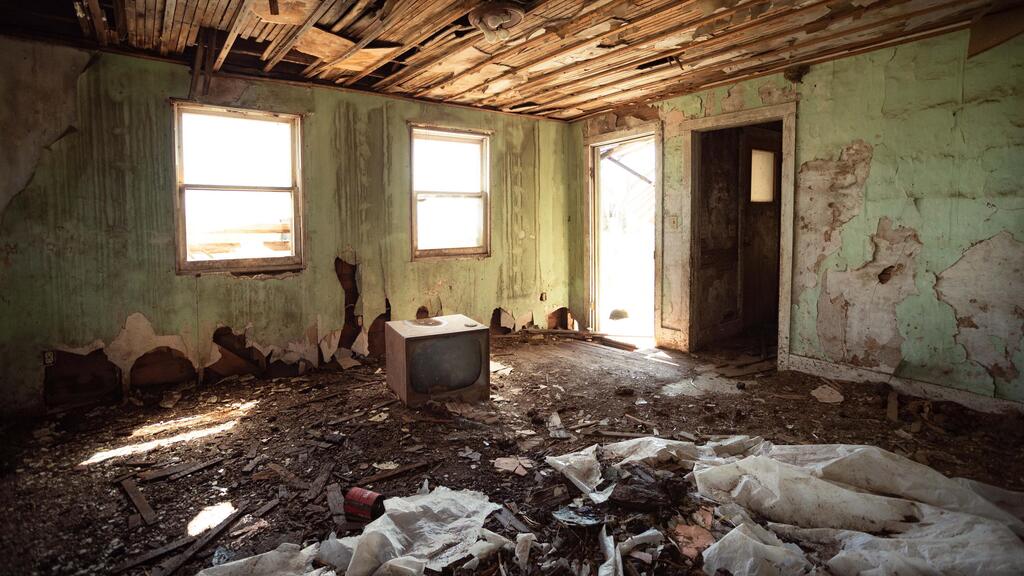
On quiet days without storms, they enter abandoned homes
(Photo: Dan Lior)
(Photo: Dan Lior)
But those dramatic peak moments are only the tip of the iceberg of a grueling journey, one that includes a gray routine far removed from the glossy cinematic image. When the cameras are off, Lior must contend with long hours of driving, harsh field conditions and the heavy personal cost of being away from his family.
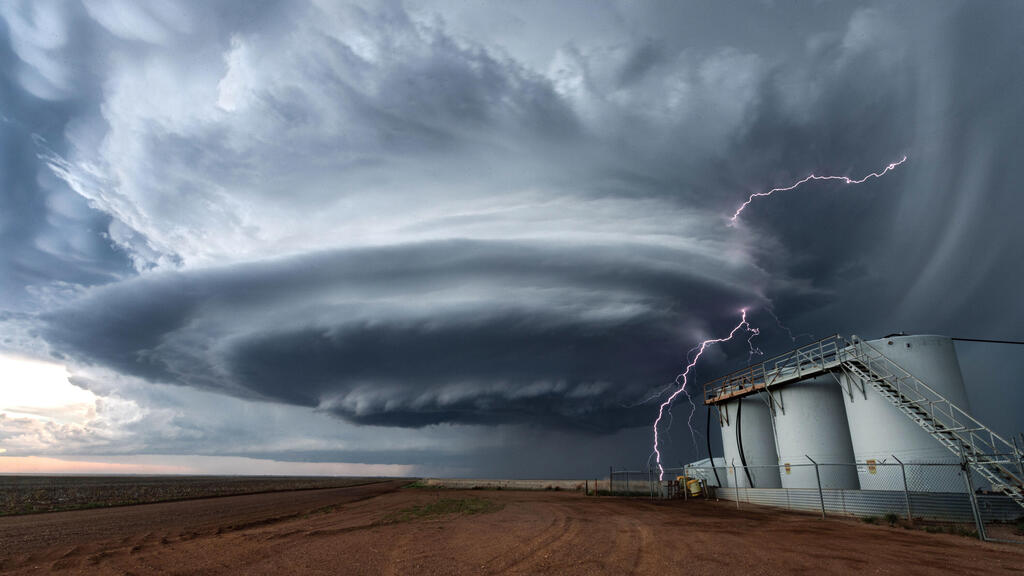
Supercell storm
(Photo: Dan Lior)
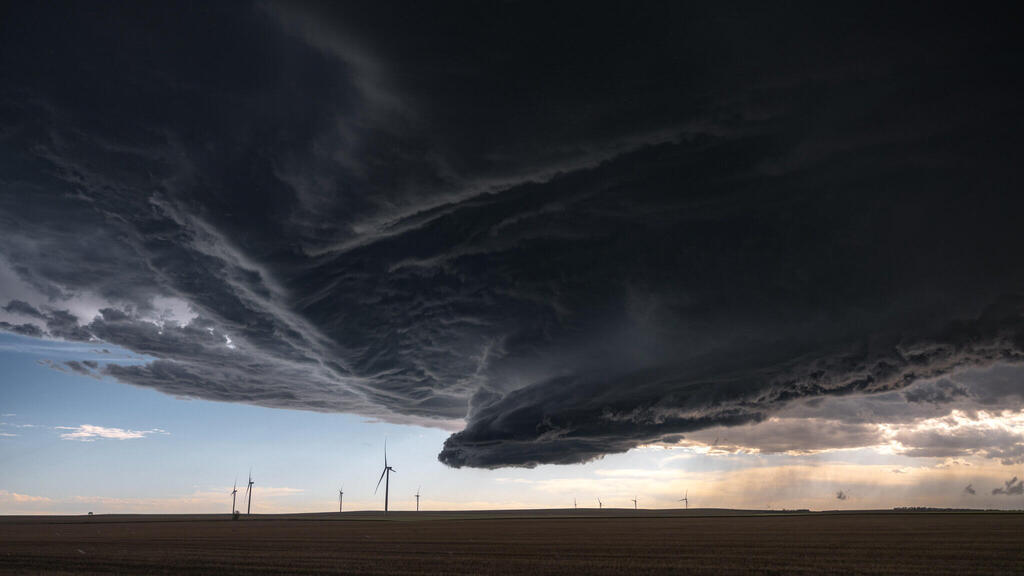
Clouds pile up along a roadside in Colorado
(Photo: Dan Lior)
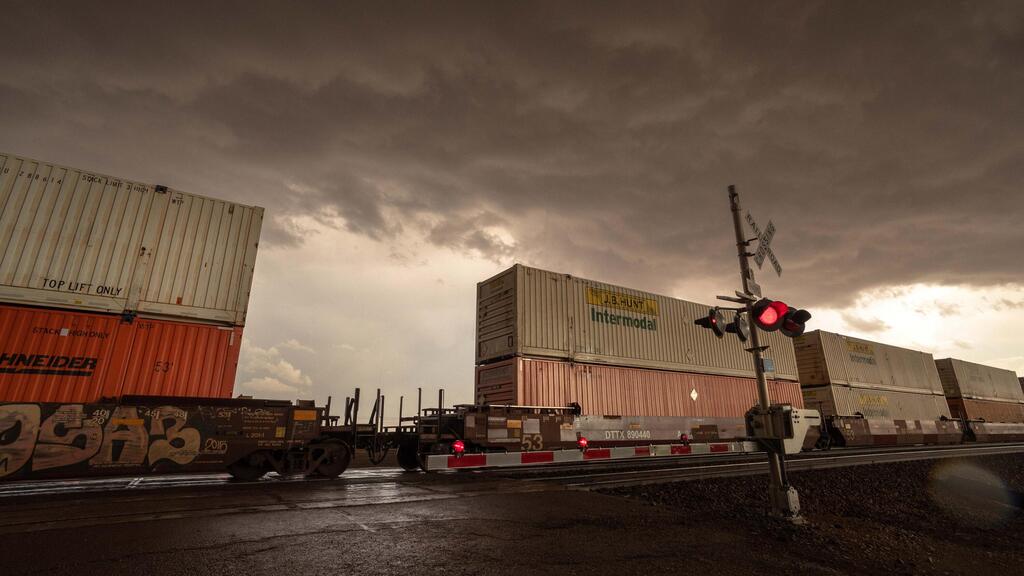
American freight trains
(Photo: Dan Lior)
It sounds glamorous, but the reality on the road is quite different.
“The drama and the extreme moments are only a small part of the story. Most of the day you’re in the car — six to 12 hours a day. My record was 17 hours. The driving never really stops; you might be in Colorado and suddenly have to decide whether to head north to Montana for a day or two, or south to Texas for two days. Storm chasers laugh about the Hollywood movie Twister. It’s unrealistic and overly bombastic. In real life, you spend years traveling with the same people and develop a dynamic: getting stuck in mud, having nothing to eat, living on junk food and McDonald’s. Every American cliché converges there. The lodging isn’t much more glamorous — forgotten motels with an 85-year-old woman at the front desk, cigarette in hand. These are states no one visits. Someone once told me, ‘If you don’t know how to fix a tractor, you have no business here.’”
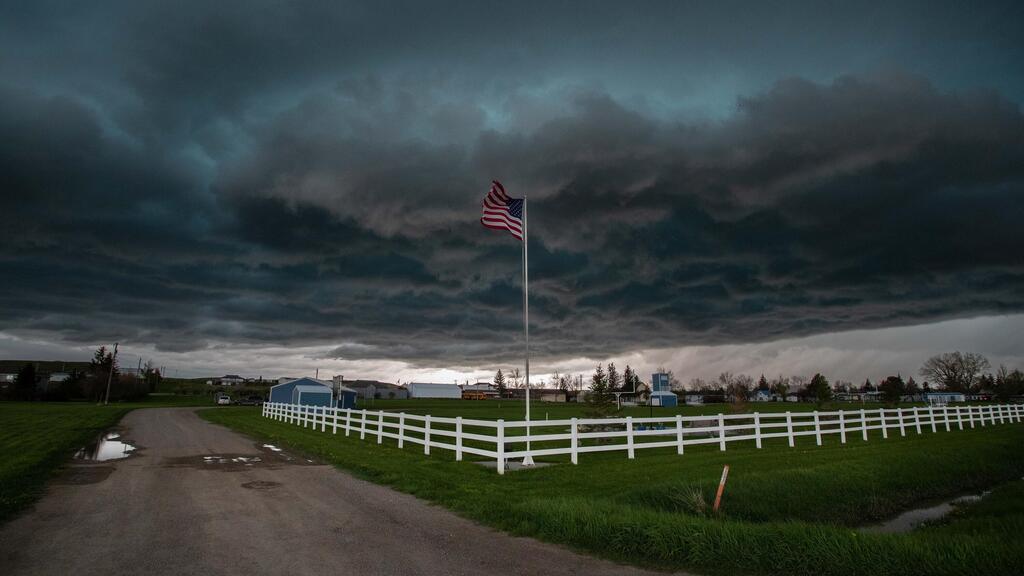
(Photo: Dan Lior)
How does your family cope with the absences and the danger?
“Before we had our daughters it wasn’t such a big issue, but once I became a father, disappearing for three weeks on a moment’s notice became much harder. Beyond the constant travel — always in the opposite direction from everyone else — you’re heading into something everyone else is trying to escape from. My wife isn’t happy about it.”
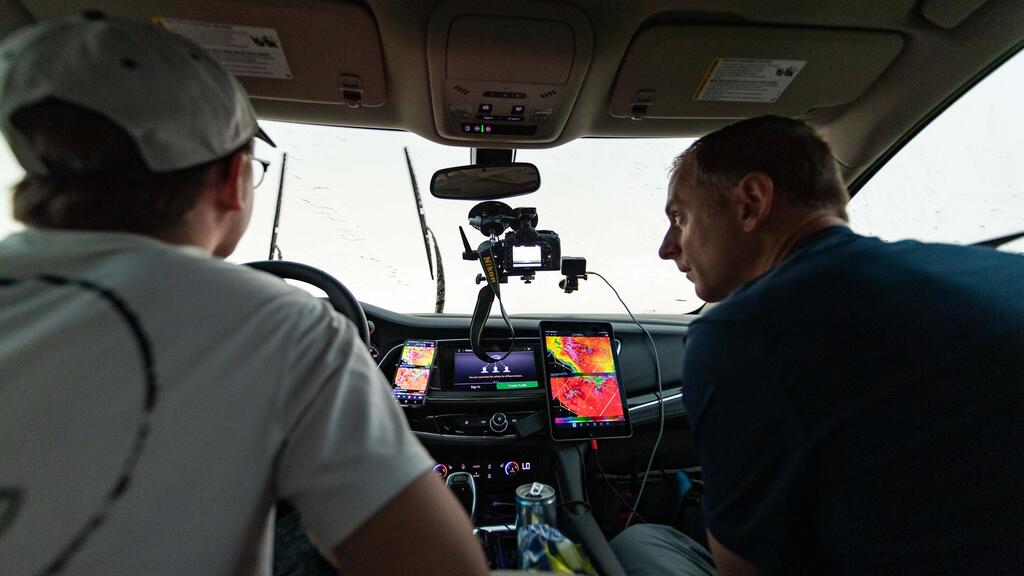
(Photo: Dan Lior)
(Photo: Dan Lior)
Where did this obsession come from for an Israeli who grew up far from tornadoes?
“When you talk about storms in Israel, it’s nothing compared with what happens there. The truth is my love of storms started with my father. When I was a kid, he would take me to watch the waves crash at the Tel Aviv port. Whenever the weather was stormy, we’d get in the car and go. While working on the film, I realized where my desire to chase tornadoes really came from. I think it started there.”
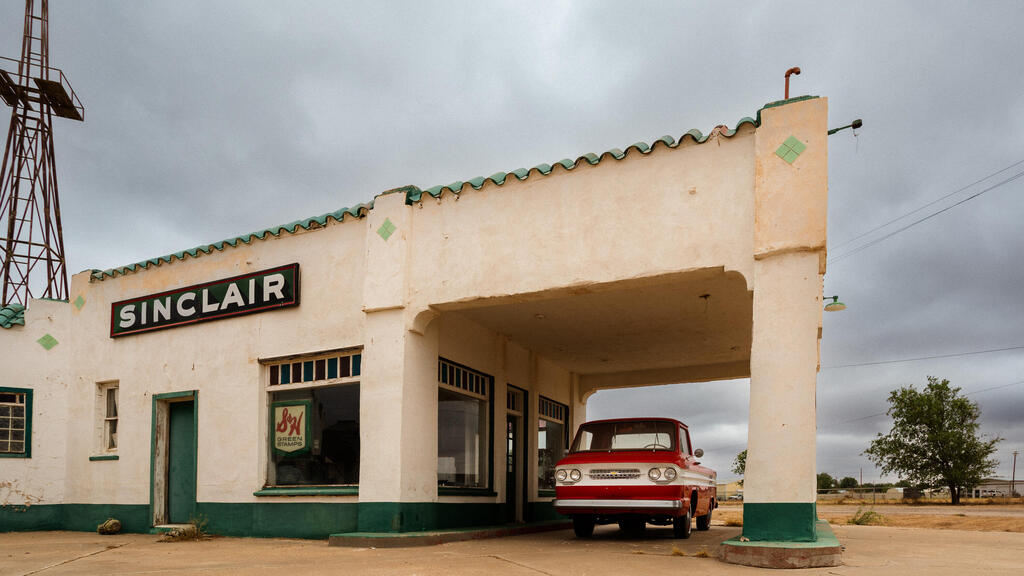
The road passes through towns that once thrived and are now nearly abandoned
(Photo: Dan Lior)
What basic tips do you have for documenting and surviving in the heart of the storm?
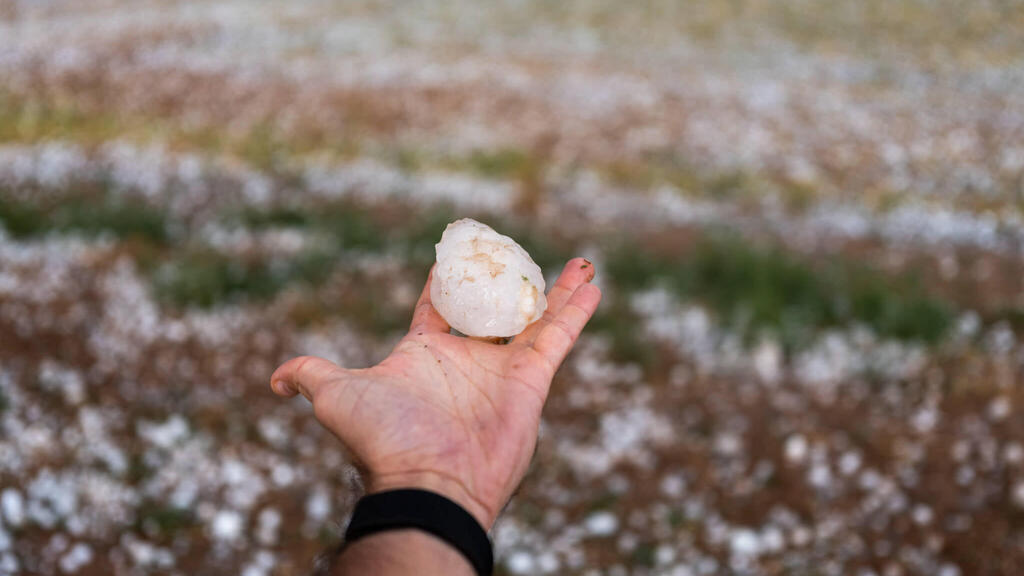
“First of all, you need good car insurance. The real danger doesn’t always come from the wind, and you don’t want to enter a hail zone without comprehensive coverage. Hail there is very different from what we know in Israel — it ranges from small stones to chunks the size of tennis balls. There are crazy people who cover their entire car with protective netting and drive straight into the storm wearing helmets. If something like that hits your head, you’re done. Storm chasing itself, if you don’t know what you’re doing, is life-threatening. Beyond the equipment, everything depends on fast, real-time decisions. You have to know how to read meteorological maps and understand when you absolutely have to get out. There are situations where if you don’t get out immediately by car, you’ll probably get carried out by the wind.”
For more striking photos and videos, you are invited to follow Dan Lior’s website and his Instagram page