

Gabriella and Aviv Stein, both 29, were living the Tel Aviv dream—high-tech jobs, good salaries, an apartment near bars and clubs—when they made a dramatic decision: to leave it all behind and embark on an open-ended road trip across Europe in a caravan with their dog Pepper. “October 7 changed something in the way I see life,” Gabriella told Ynet. “That was the moment I realized life really is short.”
It all started one morning in May 2024. Gabriella had just returned from a vacation in Thailand and was sitting in her office in Tel Aviv, under the glow of fluorescent lights, when the realization struck her: “I need a change. No more Excel files and PowerPoint presentations.”
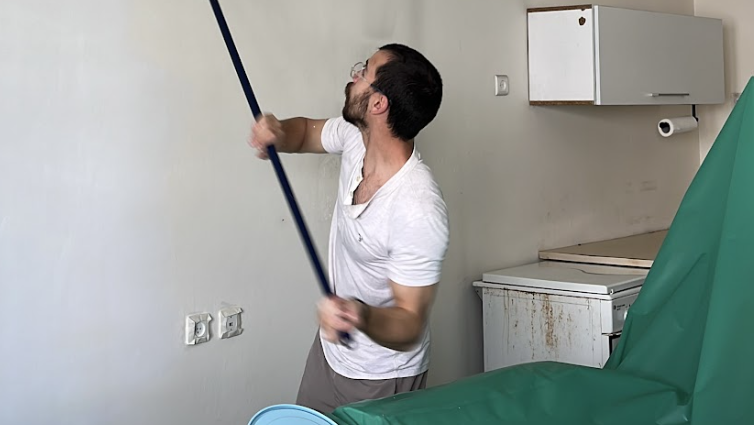
Aviv in Israel
(Photo: Courtesy)
That impulsive thought soon became a full-fledged plan. Within a year, the couple—together since they were 16 and married for five years—had traded their urban routine for a nomadic life on wheels. Speaking to Ynet in the fourth month of their trip, they were making their way from Germany to Norway.
They document their journey daily on Instagram. Gabriella explained that she never took the traditional post-army “big trip.” She went straight into college and a fast-paced lifestyle, but regretted not pausing for breath.
She became enamored with the idea of a spontaneous caravan trip after seeing someone do it in the U.S. She pitched the idea to Aviv during college, but it remained a dream—until October 7.
“That day made me realize life really is short,” she said. “We thought about moving to another country, but it felt too heavy—and we love Israel too much to leave it completely. Life on wheels felt perfect. No long-term commitment, but endless options.”
Letting go of their apartment, car and many of their belongings was an emotional experience, especially for Gabriella, who loves fashion, design and kitchen gadgets. Many items are still stored at their parents’ houses. Gabriella quit her startup job, while Aviv managed to keep working part-time remotely with his employer’s support.
(Photo: Courtesy)
(Photo: Courtesy)
Their family and friends were mostly supportive, though her parents were sad to part with Pepper, their beloved dog. Some tried to dissuade them, citing careers and work experience, but the couple was undeterred. “We’re the ones living this life,” said Gabriella. “It’s our decision.”
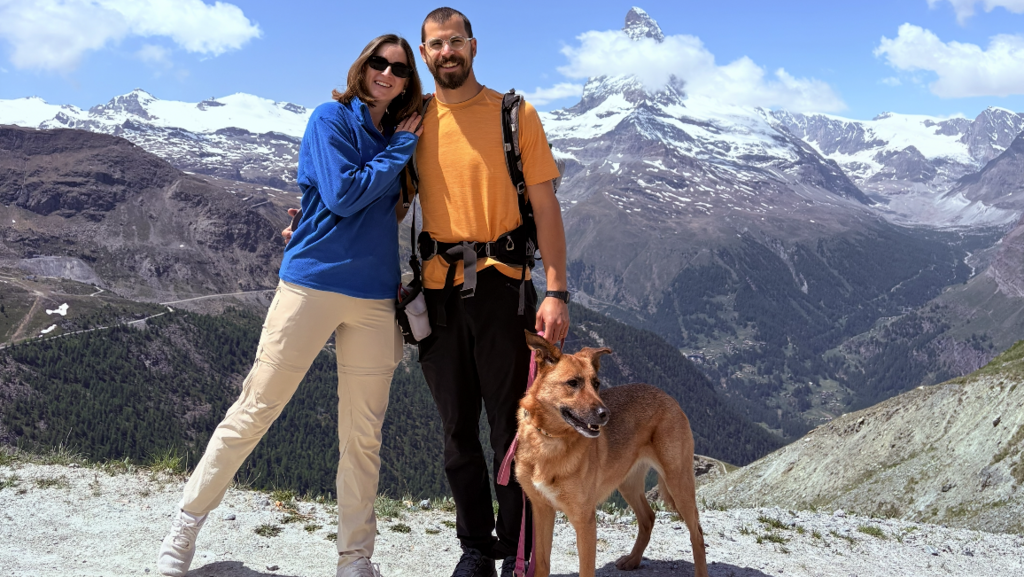
They took off in April 2025. With no end date and no strict itinerary, they began their journey in Munich, Germany. After handling the bureaucracy—repairs, inspections and licenses—they traveled south through Germany, spent a few weeks in Austria, then crossed into Italy. Unexpectedly warm weather prompted them to head back north through Switzerland and back to Germany.
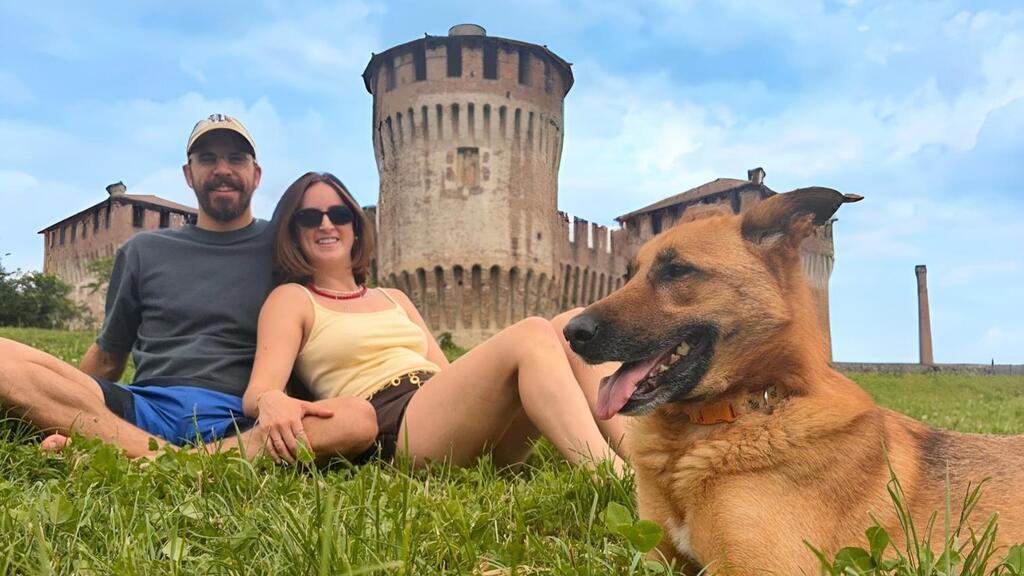
They travel without rigid plans, usually picking general directions or countries and making day-to-day decisions based on their mood and surroundings. Some nights they find themselves parked in remote campgrounds, other times beneath a castle where they stay for a week.
“Every night we choose the view for the next morning,” said Gabriella. One morning might start with a hike in the woods, another with coffee overlooking a city square. There’s no planned end to the trip. “We’ll keep going until we’re tired of it—or run out of money,” said Gabriella.
Get the Ynetnews app on your smartphone: Google Play: https://bit.ly/4eJ37pE | Apple App Store: https://bit.ly/3ZL7iNv
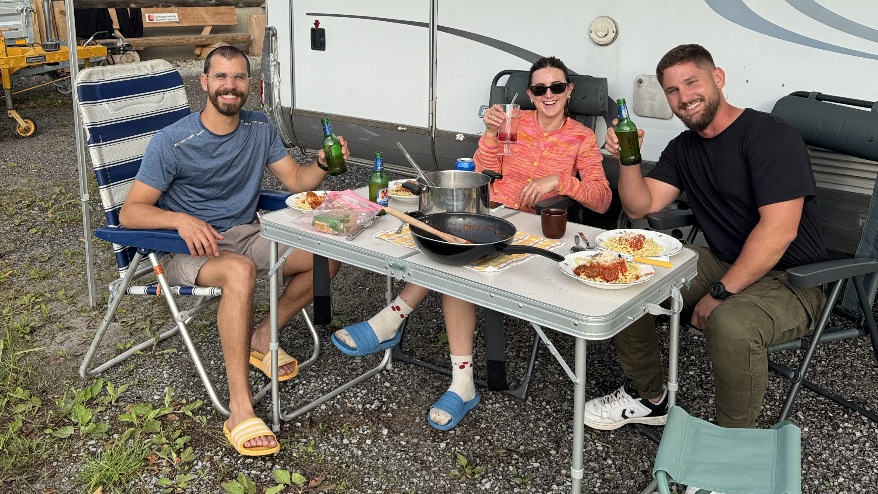
Locals across Europe are often surprised to meet an Israeli couple living full-time in a caravan with their dog. Gabriella admits she was worried about encountering antisemitism, but so far, they’ve met kind people who are curious and ask thoughtful questions.
(Photo: Courtesy)
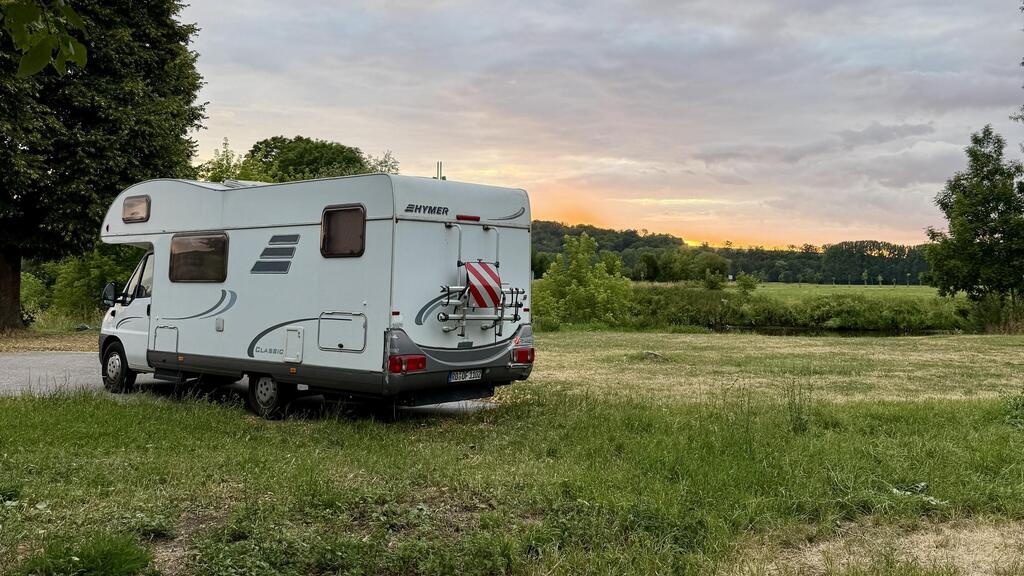
The couple's caravan
(Photo: Courtesy)
While the trip is an adventure, it’s also their full-time home. Living in such a small space has taught them to communicate better and appreciate simplicity. Gabriella and Aviv share responsibilities: Aviv drives (the caravan is manual and Gabriella doesn’t have a license for it), manages the technical side and deals with maintenance.
Gabriella handles household logistics—shopping, cooking in a tiny kitchen and making sure there’s always something tasty to eat with a good view. “I’m the ‘vibe manager,’” she joked. “And I’ve got a talent for pressing the wrong buttons—once I accidentally caused a leak during a drive.”
The limited space has also taught Gabriella to live with less. “I used to love having options—lots of clothes, a big closet, a stocked kitchen. Now, I’ve learned to make do with very little,” she said. Despite the initial investment in the caravan, she said it’s cheaper than renting in Tel Aviv and groceries in Europe are far more affordable.
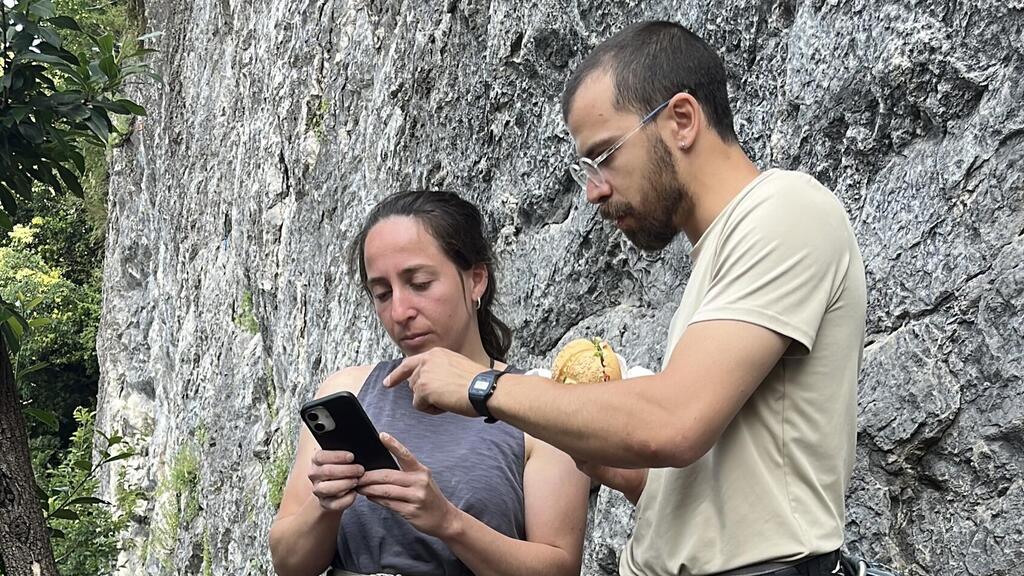
Living together in such tight quarters, 24/7, has also been a test of their relationship. “We’ve learned how to fight well—and how to make up better,” she said. “It’s a relationship lesson: how to ask for space, when to stay quiet and how to reconnect.”
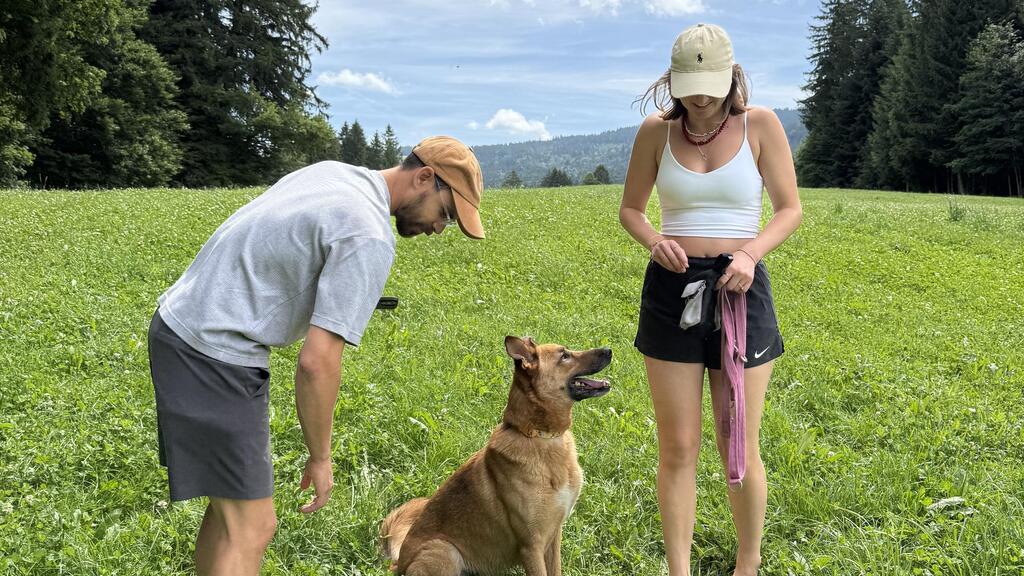
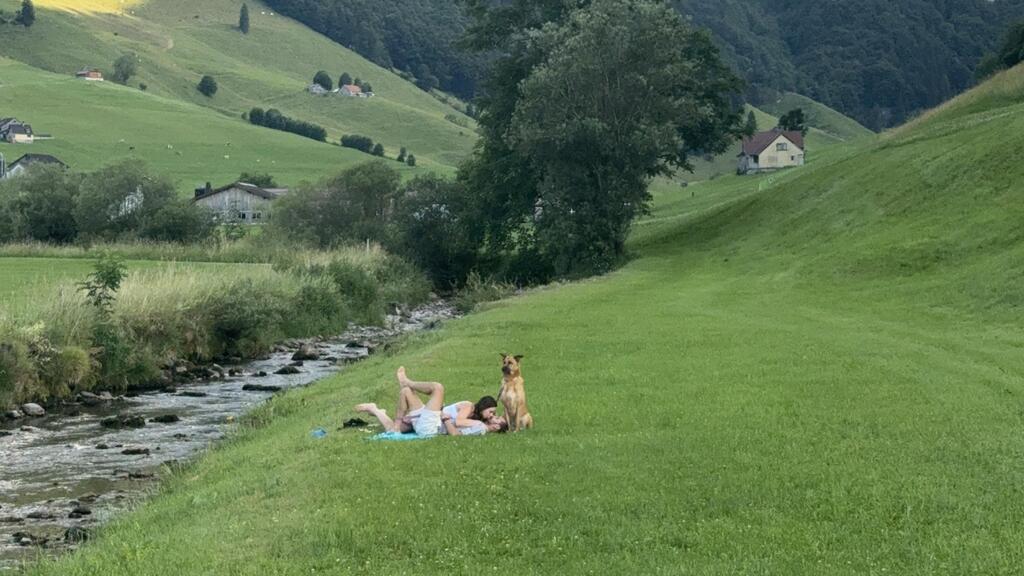
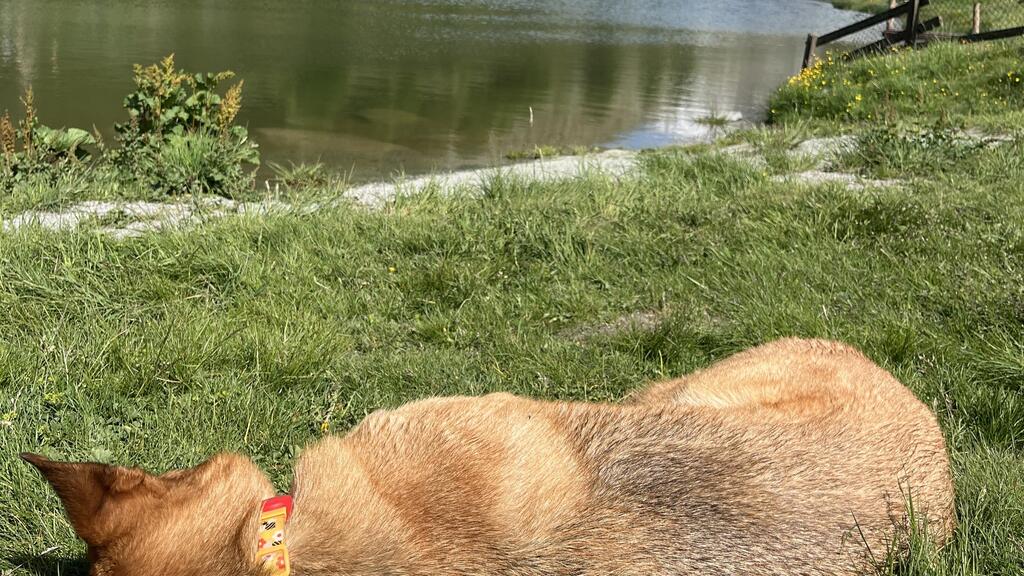
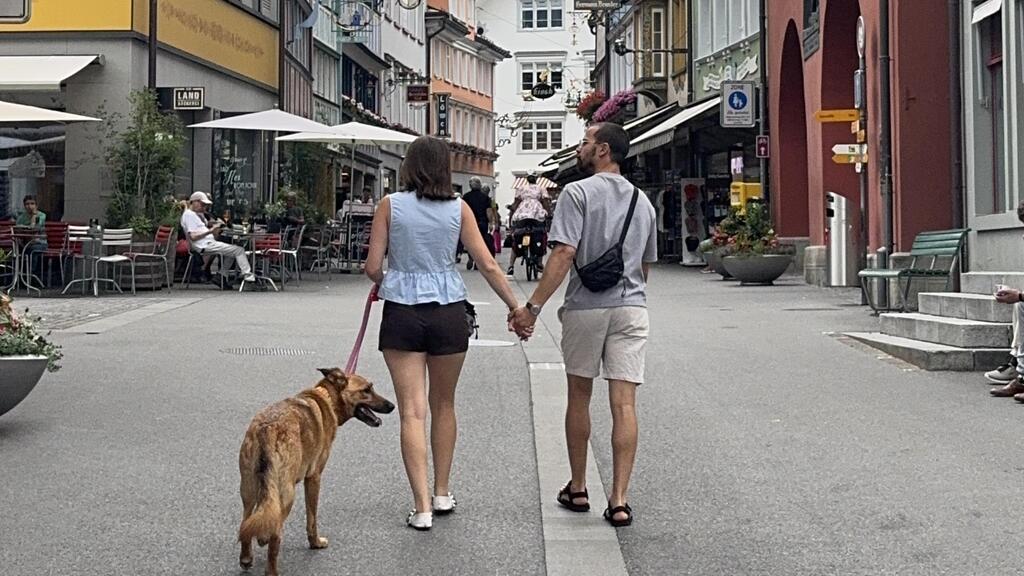
Then there’s Pepper, their five-year-old rescue dog who has become the star of their social media. Adopted during the pandemic, she’s adapted quickly to caravan life and helps the couple connect with locals. Gabriella recalled one moment when they let Pepper lead a walk and she took them to a hidden waterfall deep in the woods—somewhere they’d never have found without her.
(Photo: Courtesy)
(Photo: Courtesy)
(Photo: Courtesy)
(Photo: Courtesy)
Traveling with a dog in Europe turned out to be easier than expected. Pepper flew in the cargo hold, something Gabriella was nervous about. “I cried the entire flight, even though I told the crew a thousand times to remember she was down there,” she said. In Munich, a local vet issued Pepper an EU pet passport, making border crossings simple. They feed her familiar brands and keep her diet consistent.
Europe, they found, is extremely dog-friendly. Restaurants often seat them in quiet spots, offer water for Pepper and sometimes even sneak her treats from the kitchen.
Looking ahead, they’re not making any big plans just yet. They’d like to keep the caravan for future short trips—even after they have kids. Their advice to others considering a similar direction? “Start small. Set aside one evening to talk seriously about your dreams. Write down what you want. You don’t have to leave everything tomorrow. Sometimes, all it takes is one honest moment—and things will start moving from there.”